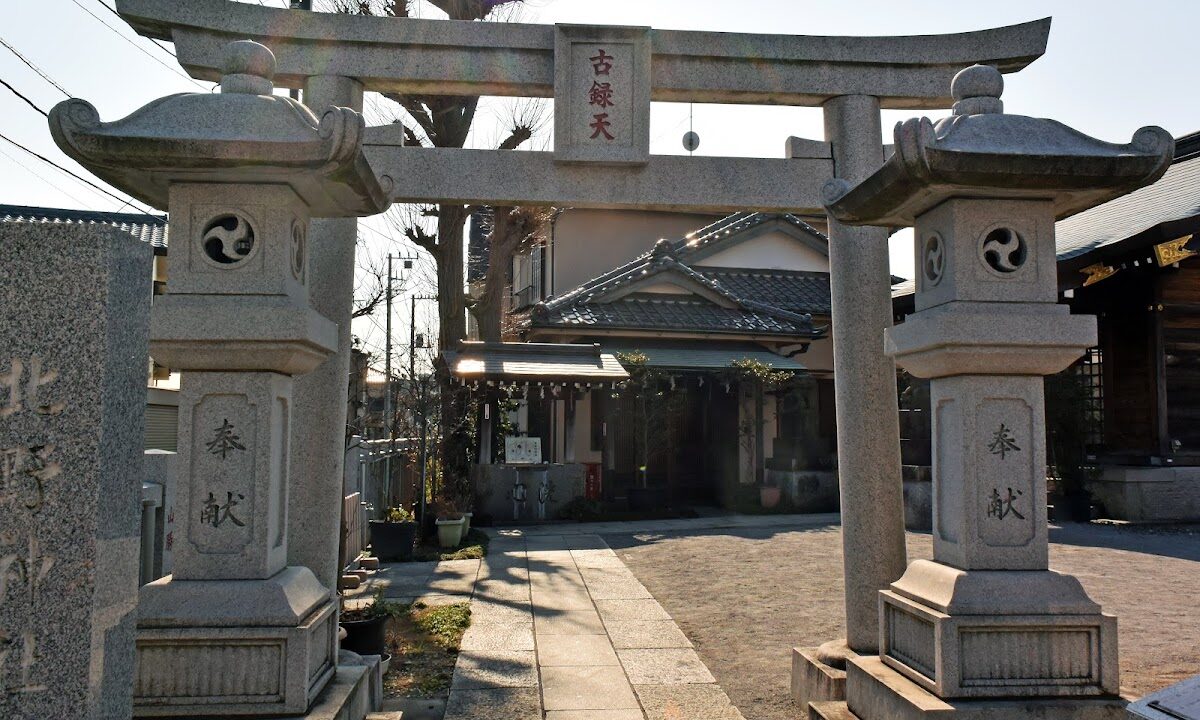
Complete Guide to Korokutenjin Shrine (Katsushika Ward, Tokyo) | History, Goshuin (Shrine Seal), Access, and Annual Festival Details
Nearby nestled in a quiet residential area of Shibamata, Katsushika Ward, Tokyo, Korokutenjin Shrine is a historic shrine formerly known as “Dairokuten-sha” and “Dairokuten-gu,” beloved by the local community. While Shibamata is famous for Taishakuten Temple, Korokutenjin Shrine also serves as a valuable resource for preserving the region’s history and culture, attracting many visitors.
This article comprehensively covers all the details you need to know before visiting Korokutenjin Shrine, including its history, enshrined deities, goshuin (shrine seal), access methods, annual festival, and subsidiary shrines.
Basic Information about Korokutenjin Shrine
Address: 2-5-36 Shibamata, Katsushika-ku, Tokyo
Phone Number: 03-3600-4993
Nearest Station: Shibamata Station, Keisei Kanamachi Line
Parking: None (Use nearby coin parking)
Visiting Hours: Open all day (Shrine office hours are irregular)
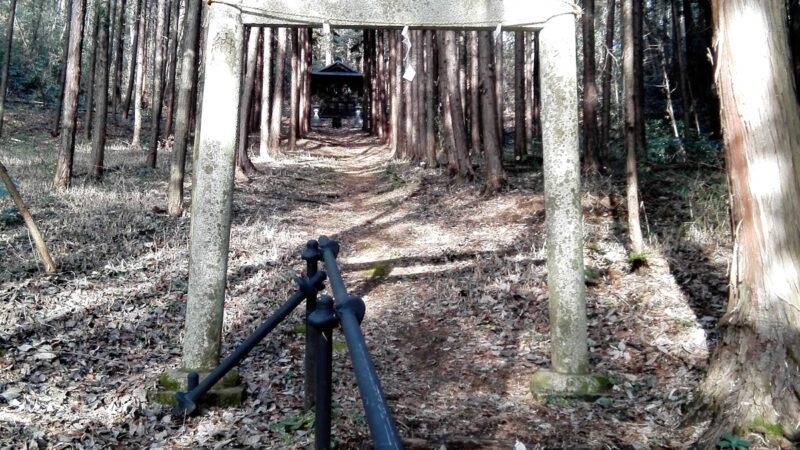
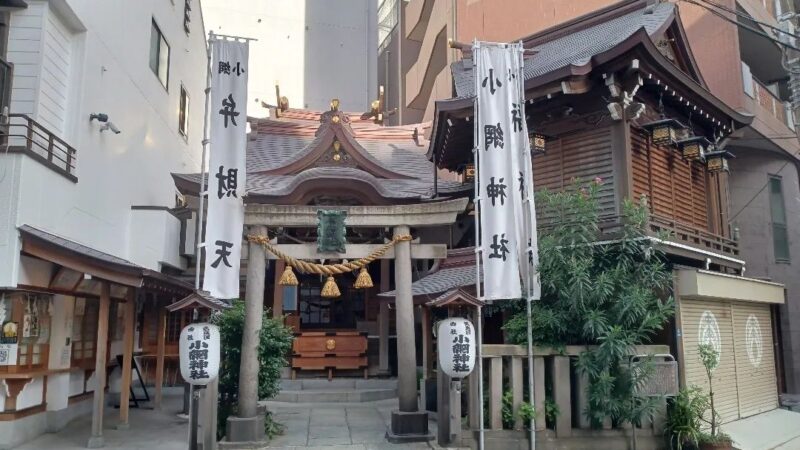
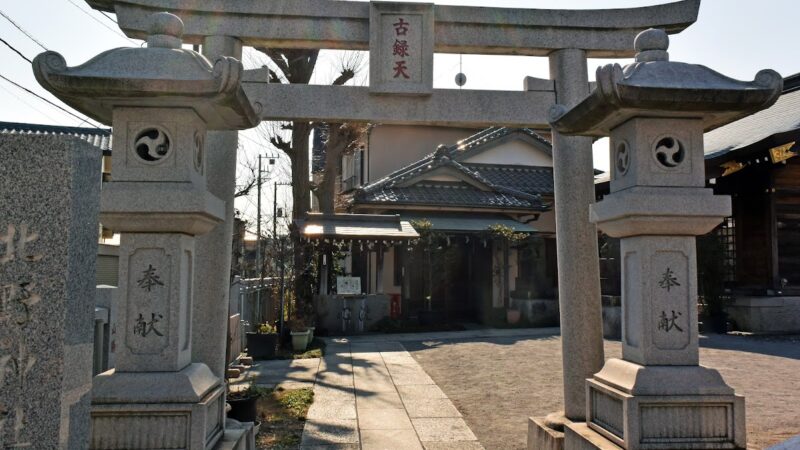
Korokutenjin Shrine is located in a residential area of Shibamata, Katsushika-ku. Despite its location facing a road, the shrine grounds retain a tranquil atmosphere that evokes the past.
History of Korokutenjin Shrine
Founding and Beginning as Dairokuten-sha
The exact founding date of Korokutenjin Shrine is unclear, but it is believed to have been located in this area since before the Edo period. Initially founded as “Dairokuten-sha” or “Dairokuten-gu,” it was revered as the local tutelary deity.
The term “Rokuten” refers to the Buddhist deity, Taika Jizaiten, and during the Edo period, under the influence of Shinto-Buddhist syncretism, many Rokuten shrines were established throughout the Kanto region. This suggests that this belief was also deeply rooted in Shibamata.
Meiji Restoration and Name Change
After the Meiji Restoration, the separation of Shinto and Buddhism forced major changes on shrines nationwide. The name “Rokuten,” which had strong Buddhist connotations, could no longer be used, and many Rokuten shrines were forced to change their names.
Korokuten Shrine was also affected by this in the early Meiji period and changed its name to “Korokuten Shrine.” The unique name “Korokuten” is thought to have retained the sound of “Rokuten” while being changed to a more Shinto-like name. This name change can be considered a testament to the wisdom of the people of that time, respecting local history and tradition while adapting to the new era.
The Land Called Saginuma
Within the shrine grounds, there remains a monument commemorating the fact that this area was once called “Saginuma.” The area around Shibamata is located on the flood plain of the Edogawa River, and was once dotted with wetlands and swamps. Because there was a swamp where many egrets migrated, it was called “Sagi-numa” (Egret Swamp), and remnants of this name are still preserved as part of the shrine’s history.
Deities and Divine Virtues
Main Deity: Kashikone-no-Mikoto
The main deity of Koroku Tenjin Shrine is Kashikone-no-Mikoto. Kashikone-no-Mikoto is a god appearing in the *Nihon Shoki* (Chronicles of Japan), and is known as one of the Seven Generations of the Age of the Gods, along with Omodaru-no-Mikoto.
The name “Kashikone” means “the source of awe and reverence,” and the deity has been worshipped as the god who is the source of all things, and as the god who governs life force and creativity. The deity is believed to bestow blessings such as regional peace and prosperity, abundant harvests, and family safety.
Deities Enshrined in the Shrine Grounds
Within the grounds of Koroku Tenjin Shrine, there are two subsidiary shrines, each enshrining deities with different divine virtues.
Kitano Shrine: Sugawara no Michizane
Kitano Shrine, one of the subsidiary shrines, enshrines Sugawara no Michizane, widely known as the god of learning. Many visitors come here, especially students taking exams and those praying for academic success, and particularly during exam season, a large number of devout worshippers can be seen.
Yatsuke Inari Shrine (Sumiyoshi Inari Shrine): Ukanomitama-no-kami
The other subsidiary shrine is Yatsuke Inari Shrine (also known as Sumiyoshi Inari Shrine), which enshrines Ukanomitama-no-kami. It is believed to grant blessings for business prosperity, abundant harvests, and family safety, and is revered by local shop owners and businesspeople.
About Goshuin (Shrine Seals)
Goshuin (shrine seals) can be obtained at Koroku Tenjin Shrine. However, because there is no resident Shinto priest, the days and times when you can receive a Goshuin (temple/shrine stamp) are limited.
Regarding the Issuance of Goshuin
- Location of Issuance: Shrine Office (Irregularly Open)
- Donation Fee: Approximately 300-500 yen (Subject to change)
- Note: It is recommended to confirm by phone in advance.
The Goshuin features the calligraphy and red seal of “Koroku Tenjin Shrine,” giving it a simple yet historically significant feel. Many visitors receive it as a memento of their visit and as a way to preserve their connection with the shrine.
Access Methods
Access by Train
Approximately 15 minutes on foot from Shibamata Station on the Keisei Kanamachi Line
- Exit the west exit of Shibamata Station.
- Proceed west through the shopping street in front of the station.
- Enter the residential area and follow the signs.
- The shrine is located within the residential area of Shibamata 2-chome.
While it’s in the opposite direction from Taishakuten Temple from Shibamata Station, the quiet approach through the residential area offers a peaceful atmosphere away from the hustle and bustle of the city.
Access by Bus
Take a Keisei Town Bus or Toei Bus bound for Shibamata and it’s a few minutes’ walk from the nearest bus stop. It’s recommended to check the exact bus stop location in advance.
Access by Car
Approximately 15 minutes from the Yotsugi Exit of the Metropolitan Expressway Central Circular Route
There is no dedicated parking lot for the shrine, so you will need to use a nearby coin-operated parking lot. There are several parking lots around Shibamata Station, so it’s convenient to park there and walk.
Highlights of the Shrine Grounds
Main Hall and Worship Hall
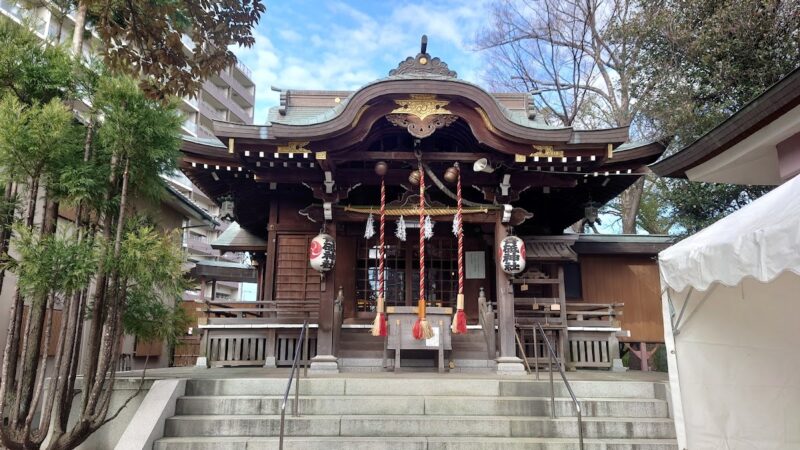
The main hall and worship hall of Koroku Tenjin Shrine retain the characteristics of shrine architecture from the Edo period to the Meiji period. Although not large in scale, the meticulously maintained shrine buildings reflect the deep faith of the local people.
Saginuma Memorial Monument
The Saginuma Memorial Monument, located on the shrine grounds, is a valuable historical artifact that conveys the history of this area. It evokes the original landscape of Shibamata, where a waterside scenery once stretched out, making it a must-see for history buffs.
Subsidiary Shrines
The aforementioned Kitano Shrine and Yatsuke Inari Shrine, though small, each have their own independent shrine buildings and are carefully enshrined alongside the main deity. The ability to visit all three shrines at once is one of the charms of Koroku Tenjin Shrine.
Stone Monuments and Stone Sculptures
Several stone monuments and stone sculptures from the Edo period to the Meiji period remain on the shrine grounds, providing clues to the religious practices of the time and the history of the region.
Annual Festival and Other Annual Events
Annual Festival
The annual festival of Koroku Tenjin Shrine is still a cherished annual event in the community. During the festival, a float adorned with a lion’s head, accompanied by traditional music, parades through the area, creating a lively and festive atmosphere.
The lion’s head float maintains its traditional form dating back to the Edo period, and local children participate in playing the music, ensuring the transmission of culture across generations.
Other Annual Events
- New Year’s Visit: January 1st-3rd
- Setsubun Festival: Around February 3rd
- Summer Purification Ceremony: Around June 30th
- Year-End Purification Ceremony: December 31st
These events are preserved by local parishioners and devotees, and are held in a warm, community-rooted atmosphere, albeit on a small scale.
Nearby Tourist Attractions
Shibamata Taishakuten (Daikyoji Temple)
Located about a 3-minute walk from Shibamata Station, Shibamata Taishakuten is a famous temple known as a setting for the movie “Tora-san.” It’s recommended to visit after visiting Korokutenjin Shrine, and then stroll along the Taishakuten approach.
Tora-san Memorial Museum & Yoji Yamada Museum
To learn about Shibamata’s culture and history, the Tora-san Memorial Museum is a must-see. Through movie sets and exhibits, you can experience the atmosphere of Shibamata in the Showa era.
Yagiri Ferry
The Yagiri Ferry, which has been operating since the Edo period, is a valuable ferry service remaining in Tokyo. It connects Shibamata to Matsudo City in Chiba Prefecture on the opposite bank, offering a peaceful waterside view.
Shibamata Park & Edogawa Riverbank
This park, spread along the Edogawa Riverbank, is perfect for walks and picnics. On clear days, you can even see Mount Fuji from this open space. ## Manners and Precautions for Visiting a Shrine
Basic Worship Etiquette
- Bow before passing through the torii gate.
- Purify your body and mind at the water basin. (This step can be omitted if there is no water basin.)
- Bow twice, clap twice, and bow once in front of the main hall.
- Don’t forget to visit the subsidiary shrines within the grounds.
Photography
Photography is generally permitted within the shrine grounds, but consideration is needed, such as refraining from taking photos inside the main hall or during Shinto rituals. Also, as it is located in a residential area, please be considerate of the surrounding residents.
Consideration for a Quiet Residential Area
Korokutenjin Shrine is located in a residential area, so please be careful not to speak loudly or park illegally when visiting. It is important to respect the living space of the local residents.
The Charm of Korokutenjin Shrine
A Tranquil Space in the City
Despite being in Tokyo, the grounds of Korokutenjin Shrine are enveloped in a quiet and peaceful atmosphere. Its location within a residential area creates a special space, far removed from the hustle and bustle.
A History Rooted in the Community
While not a large-scale tourist shrine, this allows visitors to experience the true essence of a shrine, closely intertwined with the lives of the local people. The history of local faith, dating back to the Edo period, is still alive today.
Visiting Three Shrines at Once
The opportunity to worship three deities with different divine virtues—the main deity Koshikone-no-Mikoto, Sugawara no Michizane (the god of learning), and Ukanomitama-no-Kami (the god of business prosperity)—all at once is a major attraction for visitors.
Shrine Culture of Katsushika Ward
Besides Koshikotenjin Shrine, Katsushika Ward is home to many other historical shrines.
Kameari Katori Shrine
Known as the guardian shrine of the Kameari area, it is renowned for its divine virtues of good fortune and success in competitions.
Kasai Shrine
One of the oldest shrines in Katsushika Ward, it preserves many local cultural assets. ### Shiratori Shrine
This shrine, dedicated to Yamato Takeru, attracts many visitors seeking protection from misfortune and prayers for good health.
A “Katsushika Ward Shrine Pilgrimage” visiting these shrines is highly recommended for history and shrine enthusiasts.
Summary
Korokutenjin Shrine is a shrine that quietly stands in a residential area of Shibamata, Katsushika Ward, Tokyo, preserving its history and traditions. Founded as the Rokuten-sha shrine, it acquired its current name after the Meiji Restoration. Despite its small size, it possesses many charms, including its unique faith centered on Koshikone-no-Mikoto, its subsidiary shrines Kitano Shrine and Yatsuki Inari Shrine, and its community-based annual festival.
When visiting Shibamata Taishakuten, why not extend your trip a little and visit Korokutenjin Shrine as well? You can enjoy a peaceful time in a tranquil space away from the hustle and bustle of the city.
Korokutenjin Shrine, which cherishes and preserves the history and culture of the region, will continue to be a spiritual haven for the people of Shibamata, demonstrating its presence in the area.
Frequently Asked Questions (FAQ)
Q1: Can I get a Goshuin (shrine stamp) at Korokutenjin Shrine anytime?
A1: Since Korokutenjin Shrine does not have a resident priest, the days and times when you can receive a Goshuin are limited. If you want to be sure to receive a Goshuin, we recommend checking in advance by phone (03-3600-4993). Even if the priest is absent, pre-written Goshuin may be available.
Q2: Is there a parking lot at Korokutenjin Shrine?
A2: There is no dedicated parking lot for the shrine. If you are visiting by car, please use a coin parking lot around Shibamata Station and walk to the shrine. Since it is located in a residential area, please absolutely avoid street parking as it will inconvenience the neighbors.
Q3: When is the annual festival of Korokutenjin Shrine held?
A3: The specific date of the annual festival may vary from year to year, so we recommend contacting the shrine directly or checking the Katsushika Ward tourism information website, “Katsushika Marugoto Guide,” for details. The highlights of the festival are the lion-head floats and the festival music.
Q4: Is the route from Shibamata Station to Korokutenjin Shrine easy to follow?
A4: It’s about a 15-minute walk from Shibamata Station, but since you’ll be walking through a residential area, we recommend using a map app if it’s your first time visiting. It’s in the west direction, opposite to Taishakuten Temple, so please check your direction when you leave the station. The route is through a quiet residential area, which is part of Shibamata’s charm.
Q5: What can I pray for at Korokutenjin Shrine?
A5: The main deity, Koshikone-no-Mikoto, is believed to grant blessings for regional peace, family safety, and abundant harvests. Furthermore, at the Kitano Shrine within the grounds, you can pray for academic success and passing exams, and at the Yatsuki Inari Shrine, you can pray for business prosperity and family safety. A unique feature of Korokuten Shrine is that you can receive multiple divine blessings at one shrine.
Q6: What is the origin of the name “Korokuten” in Korokuten Shrine?
A6: Before the Meiji Restoration, it was called “Dairokuten-sha” or “Dairokuten-gu,” but a name change was necessary due to the separation of Shinto and Buddhism. “Korokuten” retains the sound of “Dairokuten” while being changed to a more Shinto-like name, and is pronounced “korokuten.” It can be said that the name change respects the local history and tradition.
Q7: Can I visit Korokuten Shrine and Shibamata Taishakuten together?
A7: Yes, you can. Taishakuten is about a 3-minute walk from Shibamata Station, and Korokuten Shrine is about a 15-minute walk. A recommended pilgrimage route is to combine a stroll and food tour along the Taishakuten approach with a visit to Korokutenjinja Shrine. Visiting both will give you a deeper understanding of Shibamata’s history and culture.
Q8: Does Korokutenjinja Shrine offer prayers or amulets?
A8: As it is a small shrine, prayers are not always available. We recommend calling ahead to inquire about prayers and amulet issuance. Similar to the Goshuin (shrine stamp), there may be times when the priest is absent, so confirmation is necessary.