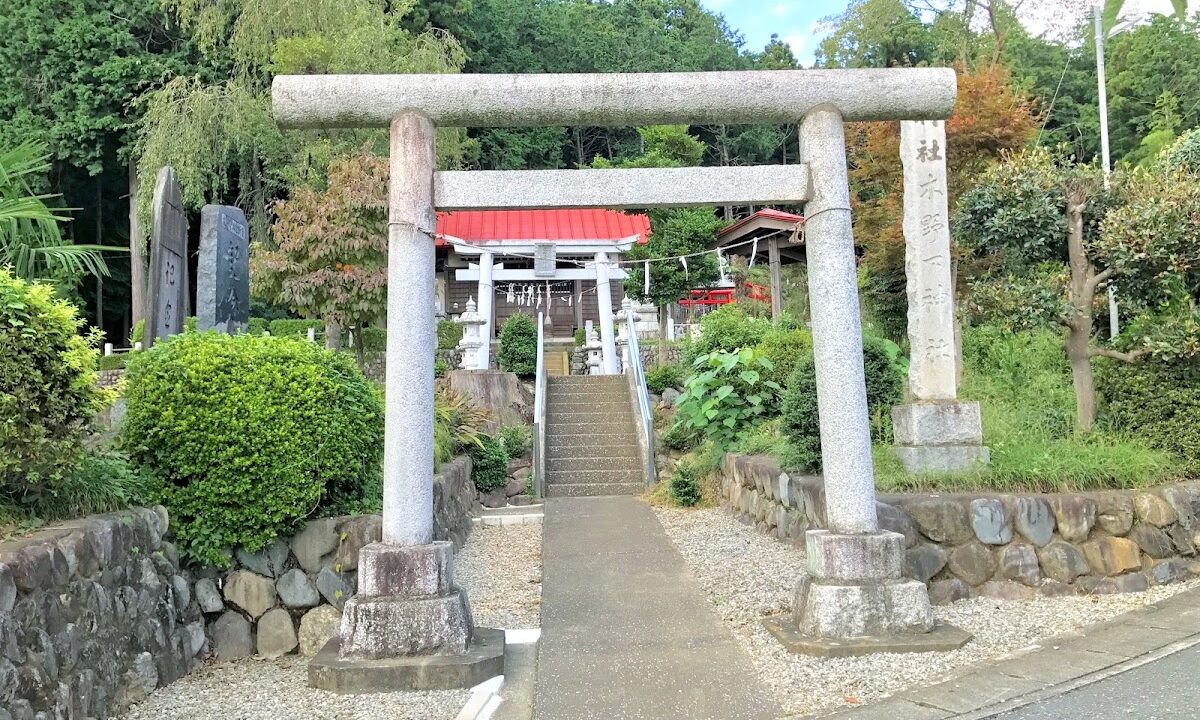
Kinoshita Shrine (Ome City, Tokyo) Complete Guide | History, Deities, Access, and Grounds
Kinoshita Shrine, located in Kinoshita, Ome City, Tokyo, is a historic shrine that has been revered by the local people since ancient times. Originally founded as Kumano Daigongen, and having undergone social changes during the Meiji and Taisho periods, it has now taken on its current name. This guide provides a detailed overview of Kinoshita Shrine, including its history, enshrined deities, highlights of the grounds, and access information.
Overview of Kinoshita Shrine
Kinoshita Shrine is located at 467 Kinoshita 1-chome, Ome City, Tokyo, and is known as one of the historic shrines in Ome City. Despite being within walking distance of Kawabe Station on the JR Ome Line, it stands quietly in a residential area and has been preserved as a center of faith for local residents to this day.
Basic Information
- Name: Kinoshita Shrine
- Location: 467, Kinoshita 1-chome, Ome City, Tokyo
- Nearest Station: Kawabe Station, JR Ome Line
- Former Name: Kumano Daigongen, Kinoshita Shrine, Kumano Shrine
- Jurisdiction: Tokyo Metropolitan Shrine Association
The place name Kinoshita is an important name that tells the history of this region, and the shrine’s name is derived from this place name. Currently, it belongs to Tokyo as part of Ome City, but it was formerly a village belonging to Tama District, Musashi Province.
History and Origins of Kinoshita Shrine
There are no clear records regarding the founding date of Kinoshita Shrine, and it remains unknown. However, it is certain that it has been revered by the local people as Kumano Daigongen since ancient times. Kumano faith spread throughout Japan from the Heian period to the Kamakura period, and Kinoshita Shrine is thought to have been founded as a shrine following that tradition. ### Renaming in the Meiji Era: From Kumano Daigongen to Kinoshita Shrine
Following the Meiji Restoration’s decree separating Shinto and Buddhism, shrines throughout Japan were forced to undergo significant changes. Kinoshita Shrine was no exception, and in 1870 (Meiji 3), it was renamed “Kinoshita Shrine.” This was a measure to abolish the Buddhist-sounding title “Daigongen,” a remnant of the syncretism of Shinto and Buddhism, and to clarify its character as a shrine.
Later, in 1876 (Meiji 9), with the separation of Shinto and Buddhism, it was renamed again to “Kumano Shrine.” This renaming aimed to maintain the essence of Kumano faith while establishing the appearance of a purely Shinto shrine. The Meiji era was a period of reform of the shrine system, and many shrines underwent changes in their rank and names.
Consolidation of Shrines and Renaming to the Current Name in the Taisho Era
In 1922 (Taisho 11), Kinoshita Shrine experienced a significant turning point for the region. In this year, the nearby Hachiman Shrine was merged with the current shrine, and the name was changed again to “Kinoshita Shrine.” This name change established the current shrine name, incorporating the local place name “Kinoshita.”
The merger of the Hachiman Shrine is thought to have been part of a nationwide shrine consolidation policy implemented during the Taisho period. This policy aimed to streamline the maintenance and management of shrines by integrating smaller shrines and to clarify the center of local faith. The merger of Kinoshita Shrine and the Hachiman Shrine further concentrated local faith in this shrine.
Records of Kinoshita Shrine in the Shinpen Musashi Fudoki-ko
The Shinpen Musashi Fudoki-ko, a geographical record compiled in the late Edo period, contains records of Kinoshita Village. During this period, Kinoshita Shrine is described as Kumano Daigongen, indicating its function as the village’s guardian shrine.
The “Shinpen Musashi Fudoki-ko” (New Compilation of the Topography of Musashi Province) is a geographical record of Musashi Province compiled by order of the shogunate during the Bunsei era (1818-1830). It meticulously records the appearance of villages, shrines and temples, topography, and industries of the time. The entry for Kinoshita Village states that Kumano Daigongen was positioned as the village’s central place of worship, confirming that it had been a center of devotion for local residents since the Edo period.
Entry for Kinoshita Shrine in the Tokyo Metropolitan Shrine Directory
The “Tokyo Metropolitan Shrine Directory,” compiled by the Tokyo Metropolitan Shrine Association, contains detailed information about Kinoshita Shrine. This document is an important record that comprehensively surveys shrines within Tokyo, documenting the history, enshrined deities, and festival dates of each shrine.
Kinoshita Shrine is listed as one of the shrines within Ome City, and its historical changes and role in the region are clearly described. The Tokyo Metropolitan Shrine Association is an organization that oversees 1,398 shrines in Tokyo, and Kinoshita Shrine is a member of this association, under the jurisdiction of the Association of Shinto Shrines.
History of Kinoshita Shrine according to the “History of Ome City”
The “History of Ome City,” compiled by Ome City, contains detailed records of the history of shrines and temples within the city. The history of Kinoshita Shrine, from its founding to the present day, is also described, clearly defining its position within local history.
Ome City flourished as a post town on the Ome Highway during the Edo period and was one of the economic and cultural centers of the Tama region. The Kinoshita area is located in the eastern part of Ome City, in a plain near the Tama River. According to the “History of Ome City,” Kinoshita Shrine attracted the faith of local farmers and functioned as a place to pray for abundant harvests and family safety.
Even amidst the wave of modernization since the Meiji era, Kinoshita Shrine continued to play a central role in the local community. Throughout the pre-war and post-war periods, records show that annual festivals and various Shinto rituals were continuously held, contributing to the preservation of the region’s traditional culture.
Deities and Beliefs
The deities enshrined at Kinoshita Shrine are thought to be related to the gods worshipped at the Kumano Sanzan (Three Grand Shrines of Kumano). Given its founding as Kumano Daigongen, it’s possible that deities such as Ietsumiko-no-Okami (Susanoo-no-Mikoto), the principal deity of Kumano Hongu Taisha, Kumano Hayatama-no-Okami of Kumano Hayatama Taisha, and Kumano Fusumi-no-Okami of Kumano Nachi Taisha were also enshrined there.
With the merger of Hachiman Shrine in 1922 (Taisho 11), it’s believed that Hachiman-jin (Emperor Ojin) is also enshrined. Hachiman-jin is widely worshipped as a god of military fortune and victory, and also possesses characteristics as a god of agriculture and industry.
Characteristics of Kumano Faith
Kumano faith is a form of belief that combines mountain worship centered on the Kumano Sanzan (Three Grand Shrines of Kumano) in Kii Province (present-day Wakayama Prefecture) with the syncretism of Shinto and Buddhism. It was embraced by a wide range of people, from aristocrats to commoners, during the Heian period, and so many pilgrims visited Kumano that it was called “the ant-like pilgrimage to Kumano.”
A characteristic of Kumano faith is the fusion of popular belief seeking worldly benefits and a highly religious belief linked to Pure Land Buddhism and Shugendo (mountain asceticism). Kinoshita Shrine is thought to have functioned not only as a place for daily prayers by local people, but also as a place of worship seeking deeper spirituality.
Highlights of the Shrine Grounds
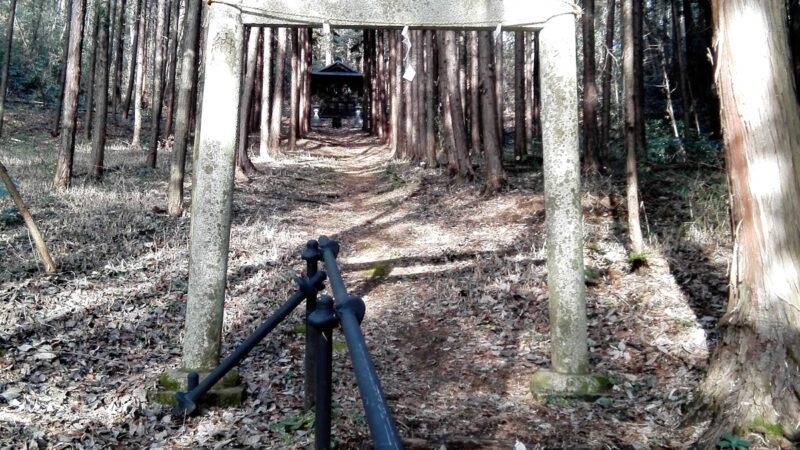
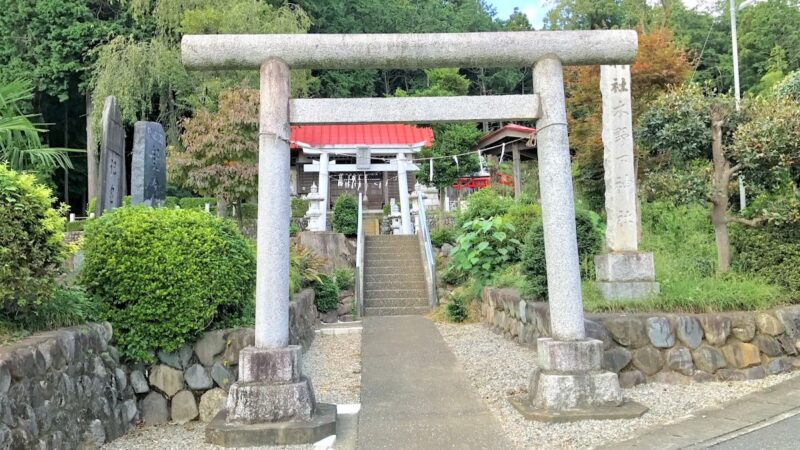
Despite being located in a residential area, Kinoshita Shrine maintains a tranquil atmosphere. While it is a small to medium-sized shrine, it possesses a charm that evokes the history of the region.
Shrine Building
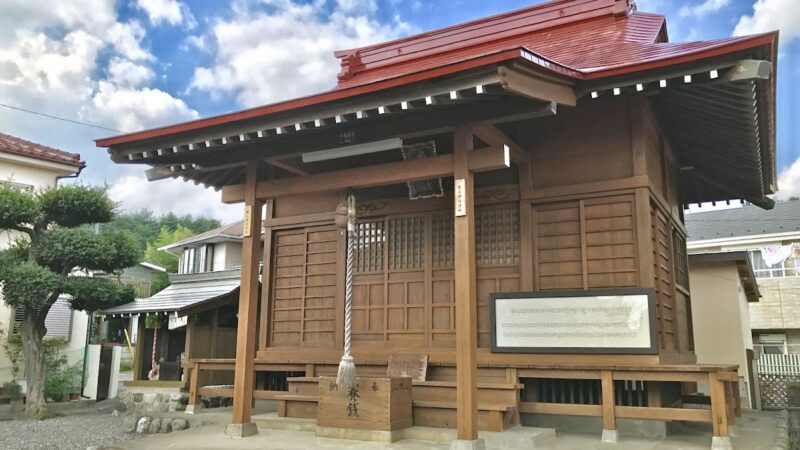
While detailed records of when the current shrine building was constructed are not publicly available, it maintains the style of traditional shrine architecture. The shrine consists of a worship hall and a main sanctuary, and is carefully maintained by the local parishioners.
Subsidiary Shrines and Stone Monuments
Like many historical shrines, Kinoshita Shrine is believed to have several subsidiary shrines and stone monuments within its grounds. These are important cultural assets that tell the story of the shrine’s history and the evolution of local beliefs.
Sacred Trees and Natural Environment
The shrine grounds contain ancient trees, forming a valuable green space even in the increasingly urbanized city of Ome. The shrine’s forest has been protected as a sacred area since ancient times, and therefore plays a role in preserving the local ecosystem.
Access and Transportation Information
Access to Kinoshita Shrine can be via public transportation or by car.
Access by Train
Nearest Station: JR Ome Line, Kawabe Station
- Approximately 15-20 minutes on foot from Kawabe Station
- Kawabe Station is one of the main stations on the Ome Line, and all trains except the Special Rapid Service stop there.
Kawabe Station is accessible from Shinjuku Station in about an hour and is a transportation hub in the eastern part of Ome City. The area around the station has many commercial facilities, allowing visitors to enjoy exploring the surrounding area in addition to visiting the shrine.
Access by Bus
There is a “Kinoshita Shrine” bus stop on the Nishi-Tokyo Bus route, making it possible to access the area near the shrine by bus. The bus stop bears the shrine’s name, indicating its importance as a local landmark.
The bus ride from Kawabe Station takes approximately 5-10 minutes. It is recommended to check the Nishi-Tokyo Bus official website in advance for bus schedules and service frequency.
Access by Car
Ome City is located approximately 40-50 kilometers from central Tokyo, making it easily accessible by car.
- Approximately 10 minutes from the Ome Interchange on the Chuo Expressway
- Approximately 15 minutes from the Ome Interchange on the Ken-O Expressway
Regarding parking, given the size of the shrine, there may not be a large dedicated parking lot. Therefore, we recommend using public transportation when visiting. Particular caution is advised during peak seasons such as New Year’s Day.
Surrounding Geography and Environment
Kinoshita Shrine is located in the Kinoshita district of Ome City, in the eastern part of Ome City, on the north bank of the Tama River. This area has long been a thriving agricultural plain, and is now developed as a residential area.
The area around Kawabe Station functions as a sub-center of Ome City, with a concentration of large commercial facilities, public facilities, and medical institutions. The Kinoshita district is located in a quiet residential area slightly away from the commercial area of Kawabe Station, and the shrine is maintained in a peaceful environment.
Annual Events at Kinoshita Shrine
Shrines hold various festivals and events throughout the year. It is believed that Kinoshita Shrine also continues to preserve traditional annual shrine events.
Annual Festival
The annual festival is the most important festival at a Shinto shrine, held once a year to honor the enshrined deity. The date of Kinoshita Shrine’s annual festival is thought to be determined based on local traditions and its connection to the enshrined deity. During the festival, Shinto rituals are performed, and local people gather, making it the busiest day of the year for the shrine.
New Year’s Visit
The New Year’s visit to a shrine is one of the most important annual events at Japanese Shinto shrines. As Kinoshita Shrine is the local guardian shrine, many worshippers are expected to visit to offer prayers for the new year.
Other Events
- Monthly Festival: A regular festival held every month.
- Setsubun Festival: An exorcism ceremony held the day before the beginning of spring.
- Summer Purification Ceremony: A Shinto ritual held at the end of June to purify oneself of the impurities accumulated over the past six months.
- Shichi-Go-San: A celebration of children’s growth held in November.
For details and dates of these events, please inquire directly with the shrine or check local bulletin boards.
Kinoshita Shrine and the Local Community
Kinoshita Shrine is not merely a religious facility; it has played a central role in the local community. The community connections centered around the shrine continue to have an important social function even today.
Parishioner Organization
The maintenance and management of the shrine are supported by local residents called parishioners. The parishioner organization plays a vital role in connecting the shrine with the local community by performing tasks such as cleaning the shrine, preparing for festivals, and providing financial support.
Inheritance of Local History and Culture
The shrine is also a place for inheriting the history and traditional culture of the region. Through festivals and annual events, ancient customs and values are passed down to future generations. Kinoshita Shrine, as a symbol of the history and culture of the Kinoshita district in Ome City, contributes to the formation of regional identity.
Shrine Culture in Ome City and Kinoshita Shrine
Ome City is home to numerous shrines, each deeply intertwined with the local history and culture. Representative shrines in the city include Musashi Mitake Shrine and Sumiyoshi Shrine, known for the Ome Grand Festival.
Kinoshita Shrine, as a member of this Ome City shrine network, collaborates with other shrines through the Tokyo Metropolitan Shrine Association. The Tokyo Metropolitan Shrine Association oversees approximately 1,400 shrines in Tokyo and is involved in shrine maintenance, training of Shinto priests, and the dissemination of Shinto culture.
Characteristics of Shrines in the Tama Region
The Tama region, where Kinoshita Shrine is located, belonged to the former Musashi Province and has been a region where people have lived since ancient times. Many shrines in the Tama region have developed in close connection with local communities centered on agriculture.
Historically, festivals related to agriculture, such as those for bountiful harvests, rain prayers, and insect repellent rituals, have been highly valued. Kinoshita Shrine is also thought to have been deeply involved with this regional agricultural culture. Although urbanization is progressing, the shrine continues to preserve its historical memory.
Manners and Etiquette for Visiting a Shrine
When visiting a shrine, it is important to observe basic manners and etiquette.
How to Pass Through the Torii Gate
The torii gate at the entrance of a shrine is the boundary separating the secular world from the sacred realm. When passing through the torii gate, bow before entering. Since the center of the approach is considered the path of the gods, it is considered desirable to walk along the sides.
How to Wash Your Hands at the Water Basin
Purify yourself at the water basin.
- Take the ladle with your right hand and wash your left hand.
- Switch the ladle to your left hand and wash your right hand.
- Switch the ladle back to your right hand, receive water in your left hand, and rinse your mouth.
- Wash your left hand again.
- Hold the ladle upright, wash the handle, and return it to its original position.
Proper Worship Etiquette
The general worship etiquette at shrines is “two bows, two claps, one bow.”
- Place your offering in the offering box.
- Ring the bell if there is one.
- Bow deeply twice.
- Clap your hands twice at chest height.
- Pray with your hands clasped together.
- Finally, bow deeply once.
Tourist Attractions Around Kinoshita Shrine
When visiting Kinoshita Shrine, you can also visit nearby tourist attractions.
Around Kawabe Station
The area around Kawabe Station has many commercial facilities where you can enjoy shopping and dining. Large commercial facilities such as Aeon Mall Hinode are also within easy reach.
Tourist Attractions in Ome City
- Ome Railway Park: A park where you can learn about the history of railways.
- Mount Mitake: A sacred mountain where Musashi Mitake Shrine is located.
- Shiofune Kannon-ji Temple: An ancient temple known for its azaleas.
- Ome-juku: A townscape that retains the atmosphere of an Edo-period post town.
- Showa Retro Goods Museum: A facility where you can experience the culture of the Showa era.
Around the Tama River
The Kinoshita area is close to the Tama River, and you can enjoy walking and cycling along the riverbank. The Tama River is a first-class river flowing along the border between Tokyo and Kanagawa prefectures, and a rich natural environment is maintained.
The Future and Preservation Activities of Kinoshita Shrine
In modern society, small local shrines face various challenges. Population decline, aging of parishioners, and changes in local communities due to urbanization are making it increasingly difficult to maintain and manage shrines.
However, local shrines like Kinoshita Shrine possess value far beyond mere religious institutions. They are cultural assets that convey the history of the region, a hub of community, and a valuable green space in an urban area.
Value as a Cultural Asset
The historical changes of Kinoshita Shrine are a valuable record that tells the story of Japan’s modernization process. The history of its name change from Kumano Daigongen to Kinoshita Shrine concretely illustrates the changes in Japan’s religious policy, including the separation of Shinto and Buddhism during the Meiji Restoration and the shrine consolidation policy of the Taisho era.
Contribution to Regional Revitalization
In recent years, regional revitalization efforts centered around shrines have been underway in various places. Attempts to connect tradition with modern needs, such as the revival of festivals, events utilizing shrine grounds, and pilgrimages to collect Goshuin (shrine stamps), are attracting attention.
Kinoshita Shrine is also expected to pass on its historical and cultural value to future generations through cooperation with local residents and Ome City.
Summary
Kinoshita Shrine is a historical shrine located in Kinoshita, Ome City, Tokyo. Although its founding date is unknown, Kinoshita Shrine was formerly known as Kumano Daigongen and attracted local devotion. It acquired its current name after the social changes of the Meiji and Taisho periods.
Located within walking distance of Kawabe Station on the JR Ome Line, it continues to play a central role in the local community in a tranquil environment. Its history, stemming from the Kumano faith and its history of enshrining a Hachiman Shrine, is a valuable example of the historical transformation of Japanese shrines.
When visiting Ome City, we highly recommend visiting Kinoshita Shrine and experiencing the history and culture of this region. The time spent calming your mind in the serene grounds and reflecting on the history of the shrine, which has been protected by the local people, will surely be a memorable experience.