Amanoyashiro (Tokyo) Complete Guide: A Thorough Explanation of Goshuin (Shrine Seals), Access, Blessings, and History
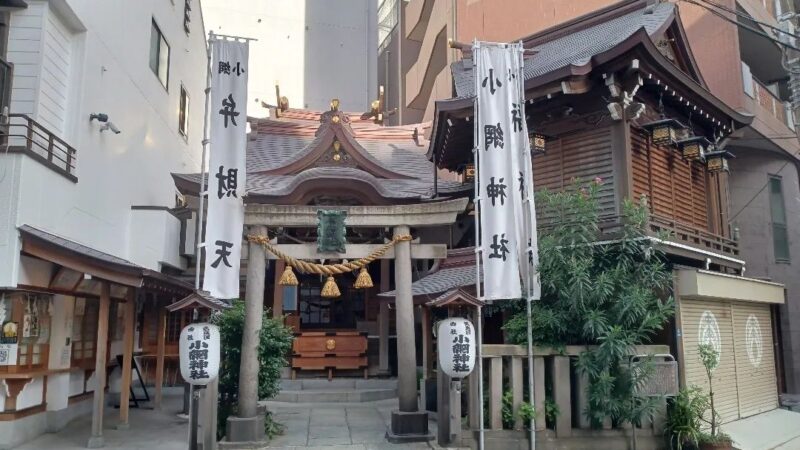
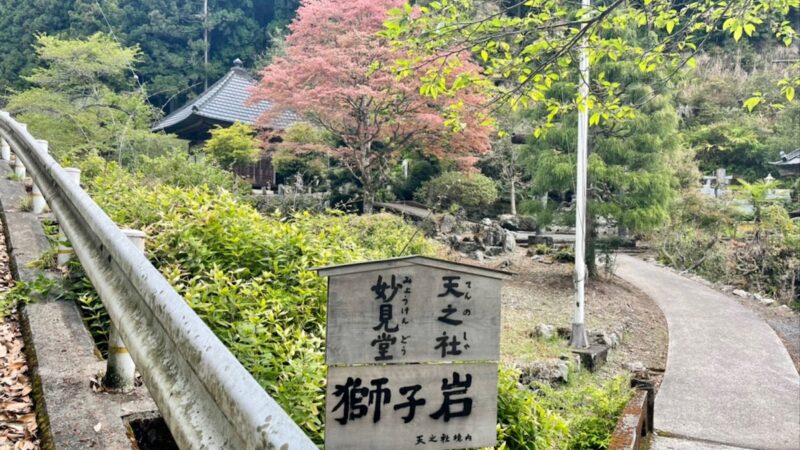
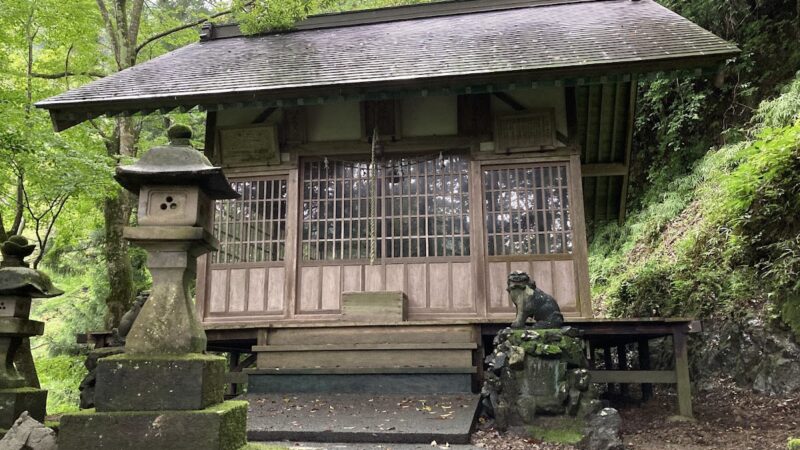
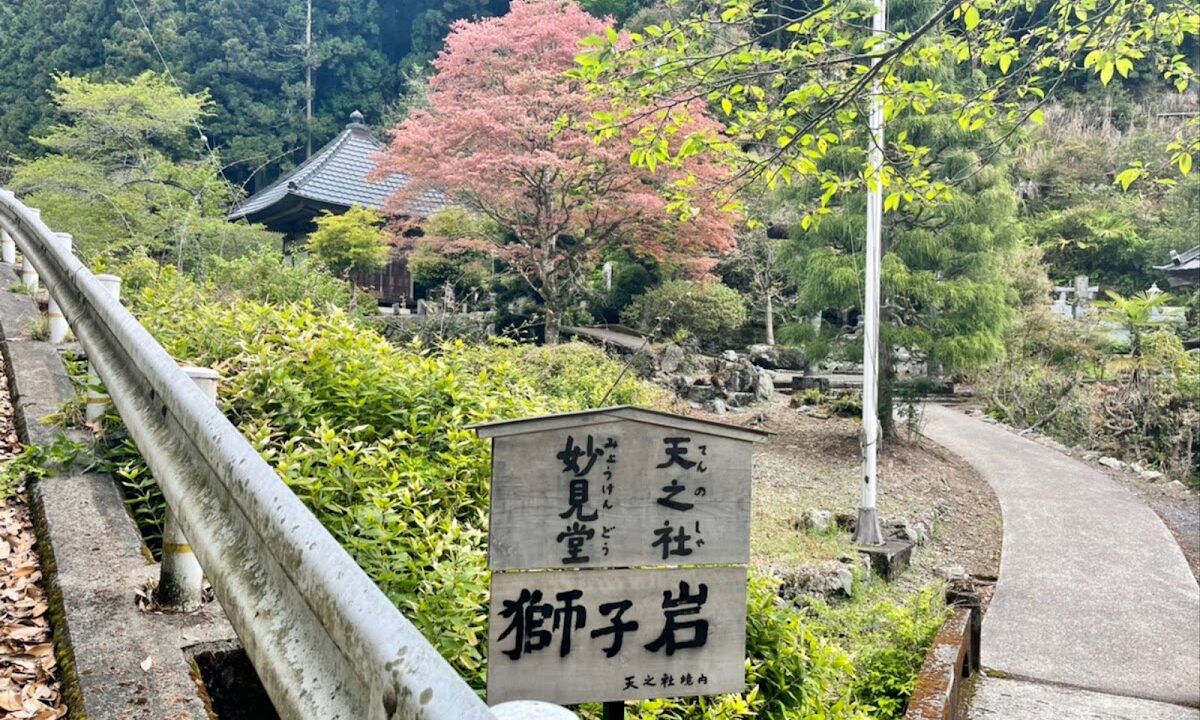
Many shrines exist within Tokyo, each with its own unique history and charm. This article provides detailed information that visitors should know about shrines in Tokyo that bear the name “Amanoyashiro.”
What is Amanoyashiro? Overview of Shrines in Tokyo
Amanoyashiro (or Tennosha) is sometimes used as a general term for shrines that worship heaven, or shrines that enshrine deities related to heaven. There may be shrines in Tokyo that bear this name or are related to it.
The name of a shrine is deeply connected to its enshrined deity, history, and local history. The name “Amanoyashiro” suggests the possibility of enshrining Amatsukami (heavenly deities) or deities related to the heavens.
The Shrine Culture in Tokyo and the Position of Amano-sha Shrine
Tokyo has over 1,400 shrines, ranging from famous shrines like Meiji Jingu, Asakusa Shrine, and Kanda Myojin, to small, locally rooted guardian shrines. These shrines have diverse backgrounds, some dating back to the Edo period, others founded after the Meiji era.
Shrines with names like Amano-sha are thought to have a history of being cherished by local people as guardians of specific beliefs or regions.
The History and Origins of Amano-sha Shrine
Background of Founding
The founding of a shrine is deeply intertwined with the history and beliefs of the land. Many shrines in Tokyo were founded under the following circumstances:
- Ancient Places of Worship: Built on sacred sites dating back to the Kofun and Asuka periods
- Samurai Worship: Founded or restored by samurai families during the Kamakura and Edo periods
- Village Guardian Shrines: Built by local residents as guardian deities of rural communities
- Founded by Invitation: Founded by receiving a divided spirit from a famous shrine in another region
It is highly likely that Amano-sha Shrine falls under one of these patterns.
From the Edo Period to the Present
The Edo period (1603-1868) was a time of significant development in shrine culture in Tokyo (then Edo). The Tokugawa Shogunate’s religious policies clarified the relationship between shrines and temples, and many shrines were reorganized into their current forms.
In the Meiji era, the Shinto-Buddhist Separation Order clearly distinguished shrines and temples, and many shrines were positioned under a shrine ranking system. After the war, with the establishment of the Association of Shinto Shrines, shrines throughout Japan began to operate under a new organizational structure.
Deities and Benefits
Possible Deities Enshrined at Amano-sha Shrine
Based on the name “Amano-sha Shrine,” the following deities are thought to be enshrined:
Amaterasu Omikami
- The supreme deity in Japanese mythology
- The deification of the sun
- The ancestral deity of the Imperial family
- Benefits: National peace and security, good fortune, protection from evil
Amenominakanushi-no-kami
- The first deity to appear at the creation of heaven and earth
- The deity who governs the center of the universe
- Benefits: The beginning of all things, good fortune, prayers for success
Amenokoyane-no-mikoto
- The deity who presides over rituals
- The principal deity of Kasuga Taisha Shrine
- Benefits: Academic success, career advancement, family safety
Amenotachikarao-no-mikoto
- The deity of strength
- Playing a key role in the Ama-no-Iwato myth
- Benefits: Improvement in sports, good fortune in competitions, good luck
Expected Benefits
At shrines dedicated to deities related to heaven, the following benefits are generally expected:
- Good Fortune and Prosperity: The power to open up new opportunities
- Protection from Evil and Disaster: Cleansing away bad luck
- Family Safety: Health and peace for the family
- Business Prosperity: Success and development of business
- Academic Achievement: Improvement in studies and prayers for passing exams
- Fulfillment of Wishes: Fulfillment of wishes
Access Information
How to Access Shrines in Tokyo
Here are some general ways to access shrines in Tokyo:
Using Public Transportation
Tokyo has a very well-developed railway network, so most shrines are accessible by train or bus:
- JR Lines: Yamanote Line, Chuo Line, Sobu Line, etc.
- Private Railways: Tokyo Metro, Toei Subway, Keio Line, Odakyu Line, Tokyu Line, etc.
- Route Buses: Toei Bus, private bus companies
Access by Car
If visiting by private car, please note the following:
- Check parking availability in advance
- Parking fees are often expensive in urban areas
- Traffic restrictions may be in place during peak seasons such as New Year’s Day
- Utilize car navigation or smartphone map apps
Recommended Times for Visiting
The following times are recommended for visiting the shrine:
- Early Morning (6:00-8:00): Visit in fresh air and avoid crowds
- Morning (9:00-12:00): The time when the positive energy is strongest
- Weekdays: You can visit more quietly compared to weekends and holidays
Highlights of the Shrine Grounds
Typical Structure of a Shrine Grounds
The following elements can be found within the grounds of shrines in Tokyo:
Torii (Shrine Gate)
- A gate marking the entrance to the sacred area
- Passing through it signifies moving from the secular world to the sacred area
- The material and style vary depending on the shrine
Sando (Approach Path)
- The path leading from the torii to the haiden (worship hall)
- The center is considered the path of the gods; worshippers walk along the sides
Chozuya (Water Basin)
- A place to purify one’s mind and body before worship
- Purify using the correct etiquette
Haiden (Worship Hall)
- The building where worshippers perform their bows
- A donation box is located here
Honden (Main Hall)
- The most sacred building where the deity is enshrined
- Usually located behind the haiden
Shamusho (Shrine Office)
- A place where goshuin (shrine stamps) and amulets are given out
- A place where Shinto priests are permanently stationed
Notable Architectural Styles
Shrines in Tokyo exhibit a variety of architectural styles:
- Shinmei-zukuri: The oldest style, exemplified by Ise Grand Shrine
- Nagare-zukuri: The most common style
- Kasuga-zukuri: A style originating from Kasuga Taisha Shrine
- Hachiman-zukuri: A style connecting two buildings
How to Worship and Manners
Correct Worship Etiquette
There are basic manners to observe when visiting a shrine:
1. How to Pass Through the Torii Gate
- Bow before the torii gate
- Proceed while avoiding the center of the path
2. How to Wash Your Hands
- Take the ladle in your right hand and wash your left hand
- Switch the ladle to your left hand and wash your right hand
- Switch the ladle back to your right hand, receive water in your left hand, and rinse your mouth
- Wash your left hand once more
- Cleanse the handle of the ladle by standing it upright, then return it to its original position.
3. Worship at the Main Hall (Two Bows, Two Claps, One Bow)
- Quietly place your offering in the offering box.
- Ring the bell if there is one.
- Bow deeply twice.
- Clasp your hands twice at chest height.
- Pray with your hands clasped together.
- Finally, bow deeply once.
Attire and Items to Bring When Visiting
Attire
- Clean and understated clothing is preferred.
- Avoid revealing clothing.
- Formal attire such as a suit is recommended for formal worship.
Items to Bring
- Offering (5-yen and 50-yen coins are considered auspicious).
- Goshuincho (stamp book) (if you wish to receive a stamp).
- Camera (only in areas where photography is permitted).
Precautions When Visiting
- Do not speak loudly.
- Do not run.
- Pets are generally not allowed (except for guide dogs, etc.).
- Smoking and eating are permitted only in designated areas.
- Do not take photos in areas where photography is prohibited.
- Always be mindful that this is a sacred place.
About Goshuin (Shrine/Temple Seals)
What are Goshuin?
Goshuin are seals and calligraphic inscriptions given as proof of visiting shrines and temples. Collecting Goshuin has become a popular hobby in recent years.
Components of a Goshuin (Shrine Seal)
- Calligraphy of the shrine’s name
- Calligraphy of the date of visit
- Shrine’s seal (vermilion seal)
- Characters or designs related to the enshrined deity
How to Receive a Goshuin
Basic Procedure
- First, complete your prayers (receiving a Goshuin before praying goes against the original purpose)
- Tell the shrine office that you would like a Goshuin
- Open your Goshuincho (stamp book) and hand it over
- Pay the offering fee (usually 300-500 yen)
- Wait quietly while the Goshuin is being written
- Express your gratitude when receiving it
Goshuin Manners
- Understand that this is not a stamp rally
- Show respect to the shrine priests
- You may have to wait a long time during busy times
- Sometimes pre-written Goshuin are available (especially during peak seasons)
- It is recommended to use separate Goshuincho for shrines and temples
How to Choose a Goshuincho (Shrine Stamp Book)
Goshuincho are available at each shrine, as well as at stationery stores and online:
- Size: Generally available in large (18cm x 12cm) and small sizes
- Design: Original designs from the shrine make for a memorable keepsake
- Paper Quality: Thick Japanese paper that doesn’t easily bleed through is ideal
- Binding Method: Accordion style is common
Annual Events and Festivals
Main Annual Events
Shrines in Tokyo hold various events throughout the year:
January
- Hatsumode (January 1st-3rd): New Year’s visit, praying for a safe year
- Genshisai (January 3rd): Praying for the prosperity of the Imperial Family and the peace of the nation
February
- Setsubunsai (around February 3rd): Bean-throwing, prayer for warding off evil
- Kigensai (February 11th): A festival celebrating the founding of the nation
March
- Kinensai (mid-March): A prayer for a bountiful harvest
June
- Oharai (June 30th): A purification ceremony to cleanse away the sins and impurities accumulated over the past six months
November
- Shichi-Go-San (around November 15th): A celebration of and gratitude for the growth of children
- Niinamesai (November 23rd): A celebration of gratitude for the harvest
December
- Oharai (December 31st): A purification ceremony to cleanse away the sins and impurities accumulated over the past year
- Joyasai (New Year’s Eve Festival): A festival marking the end of the year
Annual Grand Festival
Each shrine has its most important annual festival, the “Annual Grand Festival.” The Annual Grand Festival features a procession of portable shrines, offerings, and stalls, creating a lively event where local people gather. ## Amulets and Items Offered
Main Types of Amulets
Shrines offer amulets for various wishes:
Good Fortune & Protection from Evil
- Protection from Evil: Protection from misfortune during unlucky years
- Good Fortune: Increased luck
- Protection from All Directions: Protection from misfortune from all directions
Health & Safety
- Health Amulet: Maintaining health and recovery from illness
- Traffic Safety Amulet: Prevention of traffic accidents
- Safe Childbirth Amulet: Prayers for safe childbirth
Achievement & Improvement
- Academic Success Amulet: Prayers for academic success and passing exams
- Business Prosperity Amulet: Business prosperity
- Matchmaking Amulet: Prayers for good relationships
How to Handle Amulets
Once Received
- Always wear it or place it in a place where you can see it often
- Do not treat it carelessly
- Do not transfer it to others (amulets are personal belongings)
What to Do After One Year
- The effectiveness of an amulet is said to last for one year
- After one year, return the amulet to the shrine where it was given.
- Receive a new amulet.
- Many shrines accept amulets from other shrines.
How to Enjoy Visiting Shrines in Tokyo
Themed Shrine Visits
Tokyo has a diverse range of shrines, so visiting them based on a theme is one way to enjoy them:
Historical Exploration
- Learn about Tokyo’s history by visiting ancient shrines.
- Experience Edo period culture.
Visiting Shrines for Good Fortune
- Visit shrines for matchmaking.
- Visit shrines for academic success before exams.
- Visit shrines for business prosperity for business owners.
Architectural Appreciation
- Compare various architectural styles.
- Enjoy the beauty of carvings and decorations.
Nature Walks
- Be soothed by the greenery of the shrine grounds.
- Enjoy seasonal flowers.
Nearby Spots to Visit Along with Shrines
Many attractive spots are located around shrines in Tokyo, such as:
- Shopping Streets: Unique local shops.
- Parks: Perfect for walks and relaxation.
- Museums and Archives: Learn about local history
- Restaurants: Meals after visiting shrines
- Traditional Craft Shops: Experience Japanese culture
Mindset for Visiting Shrines
Understanding the Essence of Faith
Visiting shrines is not just about sightseeing or praying for blessings:
A Heart of Gratitude
- Be grateful for the peace of daily life
- Be grateful for the blessings of nature
- Be grateful for the achievements of our ancestors
A Humble Attitude
- Maintain humility before the gods
- Reflect on your own actions
- Never forget to be considerate of others
Continuous Visits
- Develop a habit of visiting shrines regularly
- Cherish local shrines
- Cooperate in maintaining shrines
Basic Concepts of Shinto
Shinto is an ancient Japanese religion with the following characteristics:
- Nature Worship: Finding divinity in nature
- Ancestor Worship: Respecting and being grateful to ancestors
- Purity: Emphasizing purity
- Harmony: Valuing harmony with nature and society
- Tolerance: Tolerance towards other religions
Summary: The Significance of Visiting Amano-sha Shrine
Visiting a shrine named Amano-sha, or any shrine in Tokyo, has meaning beyond mere sightseeing or making a wish.
Spiritual Fulfillment
- Peace of mind in a sacred space away from daily life
- An opportunity for self-reflection
- Cultivating a sense of gratitude
Cultural Value
- Experiencing traditional Japanese culture
- Learning about local history
- Appreciating architecture and art
Social Significance
- Connection with the local community
- Participation in traditional events
- Contribution to the preservation of cultural heritage
Visiting a shrine is a valuable opportunity to regain feelings of “tranquility,” “gratitude,” and “reverence,” which are often lost in modern society. When visiting Amano-sha or other shrines in Tokyo, please keep these points in mind and offer your prayers with a sincere heart.
Stepping into the grounds of this shrine, amidst the hustle and bustle of the city, feels like entering a different world. The lush greenery, the solemn shrine buildings, and the pure air—all of these elements will cleanse the hearts of visitors and invigorate them for tomorrow.
Many fascinating shrines remain undiscovered within Tokyo. Amano-sha Shrine may be one of them. By all means, visit it yourself and experience its history, culture, and sacred atmosphere firsthand. You are sure to gain new discoveries and inner peace.