Complete Guide to Koyasu Shrine (Akiruno City, Tokyo) | Prayers for Safe Childbirth, Goshuin (Shrine Seal), and Access Information
Koyasu Shrine, located in Konakano, Akiruno City, Tokyo, is a shrine with over 500 years of history, known as a deity of safe childbirth and fertility. Its quiet grounds, surrounded by cedar trees, make it a place of worship visited by many. This article comprehensively introduces information you should know before visiting Koyasu Shrine, including its history, blessings, highlights, and access methods.
Basic Information about Koyasu Shrine
Koyasu Shrine is located at 187 Konakano, Akiruno City, Tokyo, and its official name is also known as “Koyasumyosha.” It is situated along the Hinohara Road, approximately a 25-minute walk from Musashi-Itsukaichi Station.
Location and Contact Information
- Address: 187 Konakano, Akiruno City, Tokyo
- Nearest Station: Musashi-Itsukaichi Station on the JR Itsukaichi Line (approx. 25-minute walk), also accessible from Akigawa Station
- Parking: Parking space is limited on the shrine grounds, so the use of public transportation is recommended.
- Visiting Hours: Open all day (please check the operating hours of the shrine office)
History and Origins of Kosei Shrine
Kosei Shrine is said to have been founded in Eisho 1 (1504), boasting a history of over 500 years. The founder is said to be Ajari Hoin Shugakuin, a practitioner of Ryobu Shinto Shugendo.
Influence of Ryobu Shinto and Shugendo
At the time of its founding, Kosei Shrine was strongly influenced by Ryobu Shinto (syncretic Shinto-Buddhist thought) and was established by a Shugendo practitioner. Therefore, while being a Shinto shrine, it also had a form of worship that included Buddhist elements. After the Meiji-era separation of Shinto and Buddhism, it became an independent Shinto shrine and took its current form.
As a Center of Local Worship
Since its founding, Kosei Shrine has been revered as a god of fertility, safe childbirth, and child-rearing, attracting the worship of pregnant women and people hoping for children from near and far. Especially from the Edo period to the Showa era, it was a well-established custom for women in the Tama region to visit the shrine to pray for safe childbirth.
Deities and Benefits
Kose Shrine enshrines two deities.
Main Deity
Sarutahiko-no-Mikoto
Known as the god of opening paths and guidance, Sarutahiko-no-Mikoto is believed to have the power to guide things in a positive direction. It is said to be beneficial to visit the shrine at turning points in life or when starting something new.
Konohanasakuya-hime-no-Mikoto
She is the most famous goddess as a god of safe childbirth. In Japanese mythology, the legend of the goddess Kosei giving birth to three children safely amidst flames has led to her being worshipped as a guardian deity of safe childbirth, fertility, and child-rearing.
Main Benefits
- Safe Childbirth: Health of mother and child during pregnancy and safe delivery
- Fertility: Benefits for couples hoping for children
- Child-rearing: Healthy growth of children
- Prosperity of Descendants: Prosperity and continuation of the family line
- Opening the Way: Good fortune and guidance at turning points in life
Highlights of the Shrine Grounds
The grounds of Kosei Shrine offer various points of interest that evoke a sense of history and faith.
Main Hall (Akiruno City Designated Cultural Property)
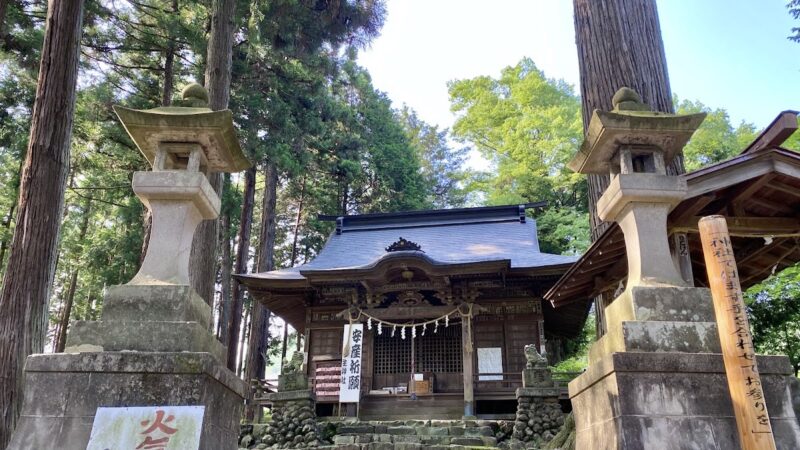
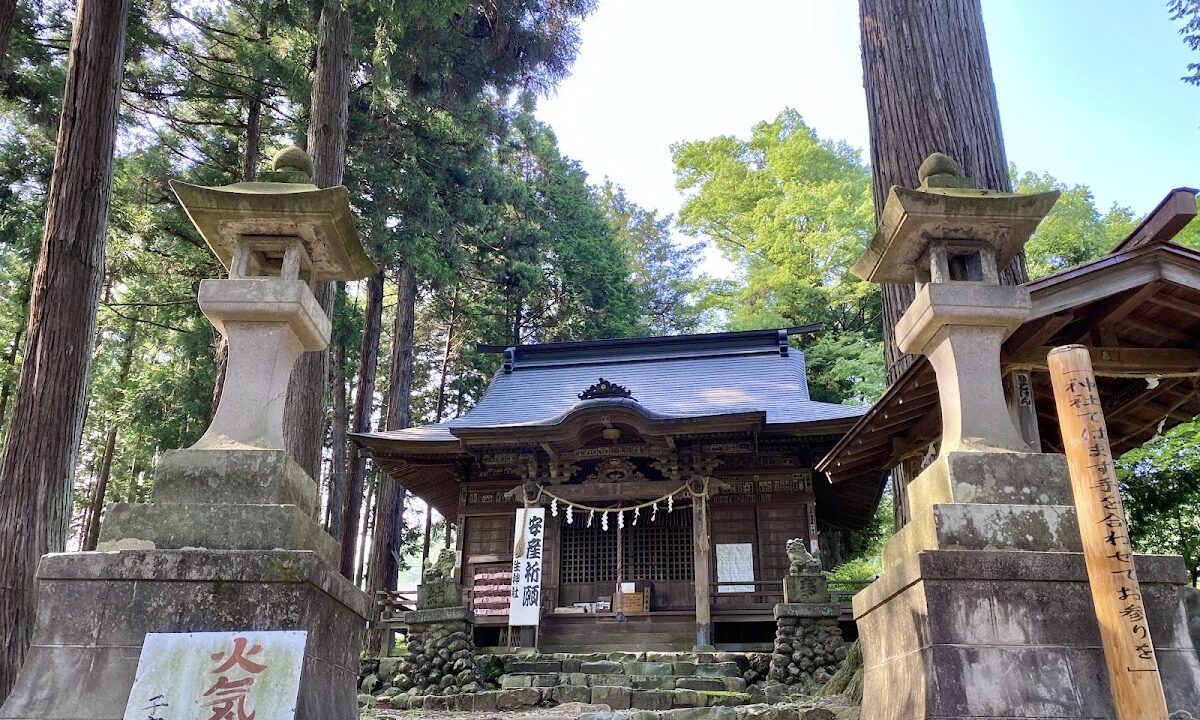
The main hall of Kosei Shrine is a valuable building designated as an Akiruno City Designated Cultural Property. Currently protected by a protective structure, the exterior details are difficult to see, but you can learn about its history and architectural style from the explanatory plaque at the shrine entrance.
The main shrine building, which retains the architectural style of the mid-Edo period, is an important cultural heritage site that conveys the history of shrine architecture in the region.
Shrine Grounds Surrounded by Cedar Trees
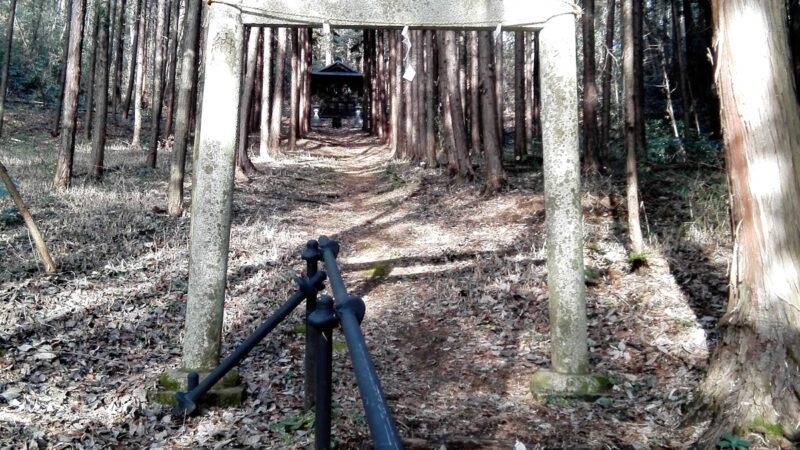
The grounds of Kosei Shrine are surrounded by large cedar trees estimated to be several hundred years old, creating a sacred atmosphere. It is a precious space where you can pray while listening to the rustling of the trees and the chirping of birds in a quiet environment away from the city.
The Custom of Offering Bottomless Ladles
Kosei Shrine has a unique religious custom. In connection with the legend that Konohanasakuya-hime had an easy childbirth “like flowing water,” the custom of offering bottomless ladles continues to this day.
This is a wish that “as if water flows smoothly, childbirth will be easy,” and worshippers who come to pray for a safe delivery offer the ladles. Many ladles are dedicated within the shrine grounds, testifying to the deep faith in safe childbirth.
Norabou Monument
Within the shrine grounds stands the “Norabou Monument”. Norabou is a traditional vegetable representative of Akiruno City, and has a history of saving people during famines in the Edo period. This monument was erected to commemorate the region’s agriculture and food culture, demonstrating the central role that Kosei Shrine has played in the local community.
Goshuin (Shrine Seal) Information
You can receive a Goshuin at Kosei Shrine. However, since there may not always be a resident priest, it is recommended that those wishing to receive a Goshuin check in advance.
Features of the Goshuin
The Goshuin at Kosei Shrine features the shrine’s name and date of visit written in ink, and stamped with the shrine’s seal. It is characterized by a simple yet powerful calligraphy style.
Access Information
Detailed access information to Kosei Shrine is provided below.
Access by Train
Using the JR Itsukaichi Line
- Walking from Musashi-Itsukaichi Station
- Get off at Musashi-Itsukaichi Station on the JR Itsukaichi Line
- Approximately 25 minutes on foot from the station (approx. 2km)
- Head west along Hinohara Street, near the Konakano intersection
- Walking from Akigawa Station
- Get off at Akigawa Station on the JR Itsukaichi Line
- Approximately 30 minutes on foot from the station
Using the Bus
If using the bus from Musashi-Itsukaichi Station, take a Nishi-Tokyo Bus route bus and get off at the Konakano bus stop, then it’s a few minutes’ walk. However, since the number of buses is limited, it is recommended to check the timetable in advance.
Access by Car
- Approximately 15 minutes from Akiruno IC on the Ken-O Expressway
- Along Hinohara Road (Tokyo Metropolitan Road No. 33), near the Konakano intersection
- Car navigation setting: 187 Konakano, Akiruno City, Tokyo
Note: Parking space on the shrine grounds is very limited. Parking may be difficult during peak seasons and on weekends, so using public transportation is recommended.
Manners and Etiquette for Visiting the Shrine
Here are some basic manners to observe when visiting Kosei Shrine.
Procedure for Visiting the Shrine
- Bow at the Torii Gate: Bow before entering the shrine grounds.
- Purify at the Water Basin: If there is a water basin, purify your hands and mouth.
- Pray at the Main Hall: Pray using the two bows, two claps, and one bow ritual.
- Quietly Walk Around the Grounds: View the main hall, monuments, etc.
- Bow Upon Exit: Turn around and bow when leaving the torii gate.
Precautions for Praying for a Safe Delivery
While it is common to visit on the Day of the Dog in the fifth month of pregnancy to pray for a safe delivery, prioritize your health and visit at a time that is comfortable for you. Be careful if there are stairs or slopes.
Nearby Tourist Attractions
Around Kosei Shrine, there are many spots where you can enjoy the nature and history of Akiruno City.
Akigawa Valley
Heading west from Musashi-Itsukaichi Station, you’ll find the Akigawa Valley, a beautiful gorge that seems far removed from the hustle and bustle of Tokyo. It’s a popular hiking course where you can enjoy the changing seasons.
Itsukaichi Local History Museum
This local history museum allows you to learn about the history and culture of Akiruno City. It’s also a valuable resource for understanding the historical background of Kosei Shrine.
Towards Hinohara Village
Continuing west along the Hinohara Road, you’ll arrive at Hinohara Village, the only village in Tokyo. It boasts numerous natural attractions, such as the Haraizawa Waterfall.
Annual Events and Festivals
At Kosei Shrine, various festivals are held throughout the year, preserving local traditions. It’s recommended to check the specific dates in advance.
Annual Grand Festival
The annual grand festival is held at a fixed time each year, bringing together local residents for religious ceremonies.
First Shrine Visit of the Year
At the start of the new year, worshippers visit the shrine for their first shrine visit of the year, praying for safety throughout the year and the health of their families.
Kosei Shrine and Local Culture
Kosei Shrine is not merely a place of worship, but has also played a role as a cultural center of the Konakano district in Akiruno City.
Relationship with Norabou Greens
As evidenced by the “Norabou Monument” on the shrine grounds, Kosei Shrine has deep ties to local agriculture. Norabou greens are a traditional vegetable that saved the people of this region during the Tenmei and Tenpo famines of the Edo period, and are still cultivated today as a specialty product of Akiruno City.
In spring, the “Norabou Greens Festival” is held, serving as a hub for preserving the local food culture.
Hub of the Local Community
Kosei Shrine has also functioned as a place for interaction among local residents. Through festivals and cleaning activities, intergenerational community connections are maintained.
Visitor Voices and Experiences
The following are comments from visitors who have actually visited Kosei Shrine:
- “I was able to pray in a quiet cedar grove, which was very peaceful.”
- “I visited to pray for a safe delivery, and I gave birth safely. I came back to give thanks.”
- “I had trouble finding parking, but I’m glad I was able to visit.”
- “The main hall is difficult to see because it’s covered by a building, but I was able to learn about its history from the explanatory sign.”
- “The custom of offering bottomless ladles was impressive.”
Photography and Social Media Posting
Photography is generally permitted on the shrine grounds, but please keep the following points in mind:
- Refrain from taking photos in areas where photography is prohibited, such as inside the main hall.
- Be considerate of the privacy of other visitors.
- Be considerate so as not to disrupt the tranquil atmosphere.
- Be careful not to disturb other visitors when using a tripod.
Posting on social media is a great opportunity to convey the charm of the shrine, but please strive for accurate information and respectful expression.
Comparison with Other Shrines for Safe Childbirth
There are other shrines in Tokyo famous for prayers for safe childbirth.
Koyasu Shrine (Hachioji City)
Koyasu Shrine, located in Hachioji City, is the oldest shrine in Hachioji, founded approximately 1250 years ago for the Empress’s prayers for safe childbirth. While Koyasu Shrine is larger and has a permanently staffed office, Kosei Shrine is appealing for its quiet and peaceful atmosphere.
Meotogi Shrine (Shinjuku Ward)
Meotogi Shrine, located in Shinjuku Ward, is known for its blessings for conception and has gained attention for celebrity visits. While its central location makes it easily accessible, Kosei Shrine differs in that it offers a more natural and tranquil environment for worship.
Clothing and Items to Bring When Visiting
Clothing
There are no strict dress code regulations, but clean clothing that reflects the sacred nature of the place is desirable. Pregnant women visiting for prayers for safe childbirth should choose comfortable, loose-fitting clothing.
What to Bring
- Offering: If you wish to receive prayers such as prayers for safe childbirth, please prepare an offering (it is recommended to confirm the amount in advance).
- Bottomless Ladle: If you wish to make a donation, please bring one or check at the site.
- Goshuincho (Stamp Book): If you wish to receive a Goshuin (temple stamp).
- Drinks: Especially in summer, for hydration.
- Camera: For recording memories.
Seasonal Highlights
Spring (March-May)
The fresh greenery is beautiful, and the cedar trees in the temple grounds are enveloped in vibrant green. It is also the season for Norabou-na (a type of mustard green), a time to experience the local agricultural culture.
Summer (June-August)
The temple grounds, covered in deep green, exude a cool atmosphere. The shade of the trees is pleasant, making you forget the heat of the city.
Autumn (September-November)
During the autumn foliage season, the surrounding mountains are ablaze with color, offering beautiful scenery. Visiting in conjunction with the Akigawa Valley is highly recommended.
Winter (December-February)
The temple grounds, enveloped in silence during winter, exude a solemn atmosphere. It becomes bustling with worshippers during the New Year’s visit period.
Summary
Konosho Shrine, located in Konakano, Akiruno City, Tokyo, is a historic shrine founded in 1504 (Eisho 1). For over 500 years, it has attracted the faith of people as a deity of safe childbirth, fertility, and child-rearing.
The enshrined deities are Sarutahiko-no-Mikoto and Konohanasakuya-hime-no-Mikoto, and the unique custom of offering bottomless ladles continues to this day. There are many sights to see, including the main hall (a designated cultural property of Akiruno City), the quiet grounds surrounded by cedar trees, and the “Norabou Monument,” which conveys local culture. While it’s a bit of a distance (approximately a 25-minute walk) from Musashi-Itsukaichi Station, this allows for a quiet and peaceful visit. It’s recommended not only for those praying for safe childbirth or fertility, but also for those who want to experience the history and culture of Akiruno City.
When visiting, please be mindful that it is a sacred place, observe proper etiquette, and pray with a calm heart. Pregnant women are advised to visit only if it is comfortable and prioritize their health.