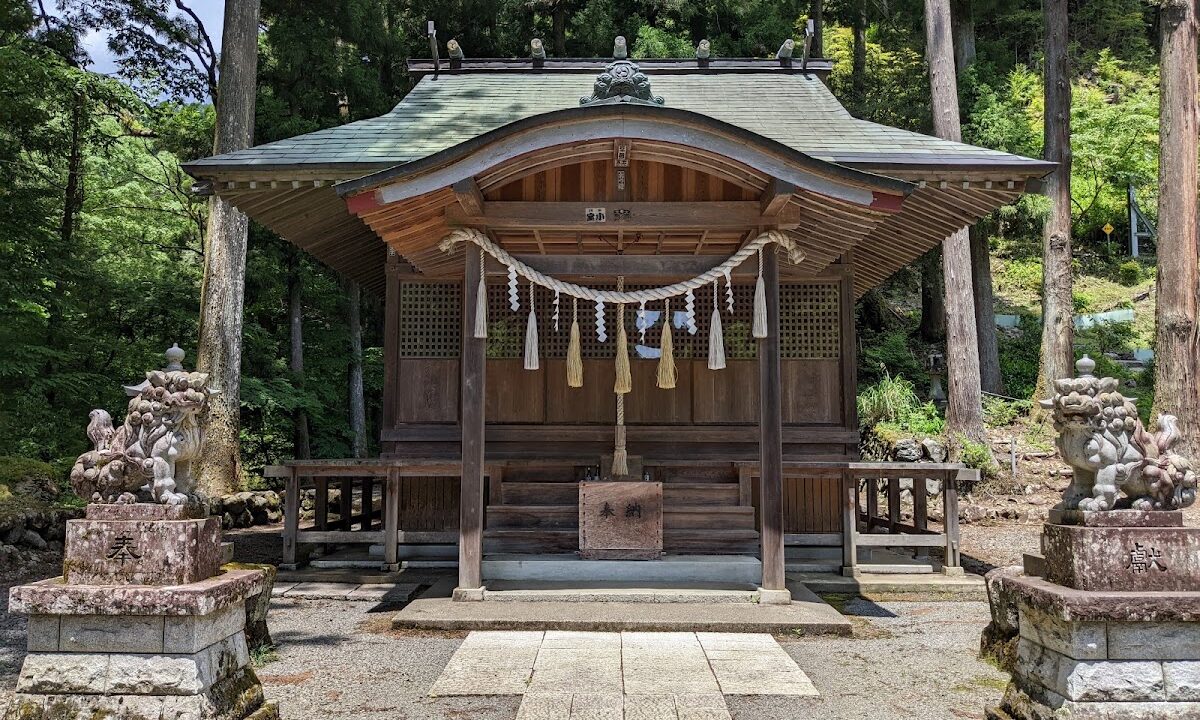
Complete Guide to Yozawa Shrine (Akiruno City, Tokyo) | Guardian Dragons, Arahabaki, Goshuin (Shrine Seal), and Access Information
Yozawa Shrine, nestled deep in the mountains of Akiruno City, Tokyo, is a shrine with a unique history and attractions, including a pair of dragon statues and the enshrinement of Arahabaki Shrine. This article comprehensively introduces all the information you need to know before visiting Yozawa Shrine, including detailed information, access methods, features of the grounds, and historical background.
Basic Information about Yozawa Shrine
Location and Access
Address: 1018 Yozawa, Akiruno City, Tokyo
Yozawa Shrine is located in the mountainous area of Akiruno City, at the entrance to the Okutama region, approximately 60km from central Tokyo. It is close to tourist spots such as Otake Limestone Cave and Mitsuai Limestone Cave, and is a quiet shrine nestled in a rich natural environment.
Access by Public Transportation
Nearest Station: JR Ome Line “Mitake Station”
The straight-line distance from Mitake Station to Yozawa Shrine is approximately 3.7 km, but it takes about 47 minutes on foot, so using the bus is recommended.
Access by Bus:
- Take the Nishi-Tokyo Bus bound for “Kami-Yozawa” or “Otake Limestone Cave” from JR Itsukaichi Line “Musashi-Itsukaichi Station”
- Travel Time: Approximately 30 minutes
- Alight at “Otake Limestone Cave Entrance” bus stop (approximately 1 minute walk to the shrine)
- Other nearby bus stops: “Kami-Yozawa” (approximately 2 minute walk), “Mitsuai Limestone Cave Entrance” (approximately 6 minute walk)
Important Note: Since bus service is very infrequent, it is strongly recommended to check the Nishi-Tokyo Bus timetable in advance. Particular attention should be paid to the return bus schedule.
Access by Car and Parking Information
If you are visiting by car, it is approximately 30 minutes from the Akiruno Interchange on the Ken-O Expressway. While information on dedicated parking lots around the shrine is limited, it may be possible to use the parking lot for the Otake Limestone Cave. However, the road is narrow and mountainous, so caution is required when driving.
History and Origins of Yozawa Shrine
Establishment through the Consolidation of Shrines in 1915 (Taisho 4)
Yozawa Shrine is a relatively new shrine, established in 1915 (Taisho 4) by consolidating several shrines scattered throughout the Yozawa area. The shrines consolidated are as follows:
- Kumano Shrine
- Hachiman Shrine
- Nitten Shrine
- Kadokyakujin Shrine (Arahabaki Shrine)
Some sources indicate that Yasaka Shrine was also included, but major records list the above four shrines.
Additional Enshrinement in 2009
In 2009 (Heisei 21), Yuzuriha Shrine was further enshrined, resulting in its current form. Thus, Yozawa Shrine plays a role as a guardian deity of the region, uniting multiple local beliefs.
Deities Enshrined
Yozawa Shrine enshrines the deities of the various shrines that have been merged with it:
- Amaterasu Omikami – The supreme deity of Japanese mythology
- Izanagi no Mikoto – The male deity who created the land
- Izanami no Mikoto – The female deity who created the land
- Hayatama no O no Mikoto – One of the three deities of Kumano
- Honda Wake no Mikoto – Hachiman, Emperor Ojin
- Tenazuchi no Mikoto – Father-in-law of Susanoo no Mikoto
- Ashinazuchi no Mikoto – Wife of Tenanuchi-no-Mikoto
These enshrined deities were gods worshipped at each of the shrines before their merger, bringing together diverse beliefs in one place.
Highlights and Features of Yozawa Shrine
Unusual Komainu (Dragon Statues)
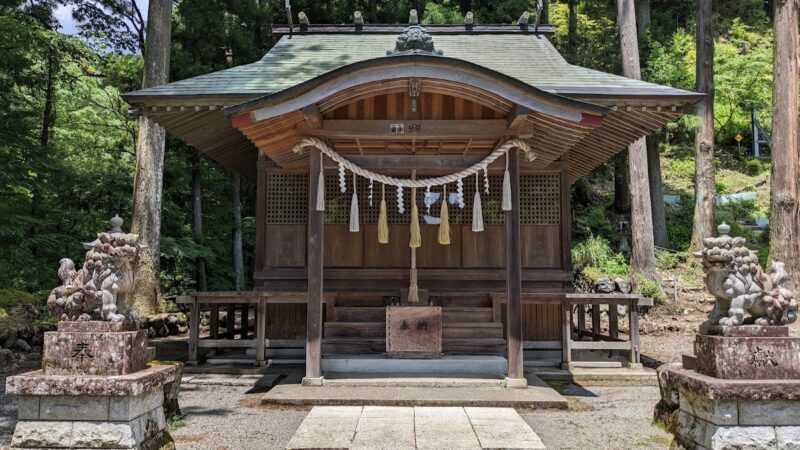
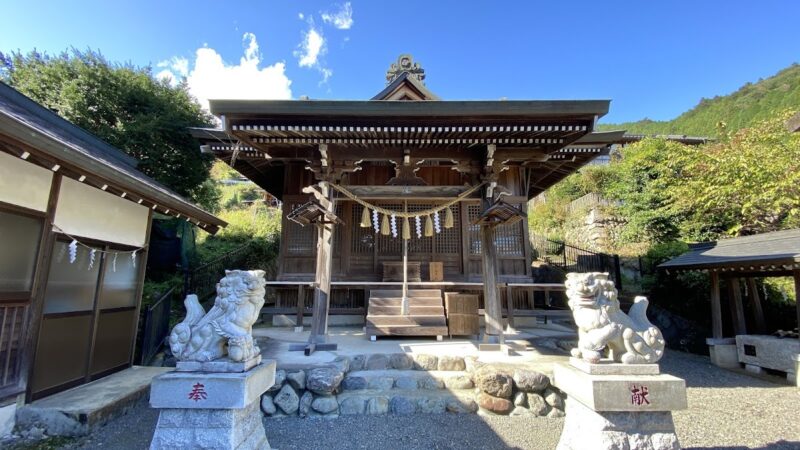
The most distinctive feature of Yozawa Shrine is the pair of dragon statues enshrined within its grounds. While most shrines feature guardian dogs (komainu), Yozawa Shrine has dragons protecting the sacred area.
These large dragon statues, positioned at the top of a staircase, are an impressive presence welcoming visitors. Dragons are considered symbols of water deities and fertility, making them fitting guardian deities for a shrine in a mountainous area. Many visitors come specifically to see these Komainu, and it’s a popular photo spot.
Stone Monument of Arahabaki
A stone monument related to the merged Arahabaki Shrine remains on the grounds. This stone monument, inscribed with “Kadokakujin Daimyojin,” bears the inscription Bunsei 12 (1829).
Arahabaki is a deity believed to originate from ancient indigenous beliefs and has been widely worshipped, primarily in the Tohoku region. Kadokakujin Shrine, dedicated to the Maroudo-gami (guest deity), is a valuable site that preserves the region’s ancient beliefs.
Shrines related to Arahabaki are rare in Tokyo, making this a valuable place of worship for those interested in ancient beliefs.
Akiruno City’s Protected Horse Chestnut Tree
Within the shrine grounds stands a large horse chestnut tree, designated as a protected tree by Akiruno City. Its age is unknown, but its size suggests it is quite old.
The horse chestnut is a deciduous tree that grows naturally in mountainous areas, blooming with white flowers in early summer and bearing fruit in autumn. This giant tree is a living witness, having quietly watched over the long history of Yozawa Shrine.
Quiet and Peaceful Atmosphere
Many visitors to Yozawa Shrine unanimously mention its quiet and peaceful atmosphere. Located in a mountainous area far from the city center, it attracts few visitors, making it a place for a leisurely visit.
Surrounded by abundant nature, the sounds of birdsong and rustling trees create a soothing environment, perfect for a calm and peaceful visit.
Bear Warning Sign
A mountain path runs alongside the shrine grounds, connecting to a hiking trail, but a “Beware of Bears” sign is posted. Since there have been sightings of Asiatic black bears in the Okutama region, extreme caution is necessary when entering the mountain path.
Especially in the early morning and evening, it is recommended to avoid walking alone on the mountain path and to carry something that makes noise, such as a bell. Particular caution is needed if you are with small children.
Tourist Attractions Around Yozawa Shrine
Otake Limestone Cave
Located within walking distance of Yozawa Shrine, Otake Limestone Cave is one of the leading limestone caves in the Kanto region. Within its approximately 300-meter length, various stalactites have formed, allowing visitors to experience a mystical underground world.
Visiting it in conjunction with a visit to the shrine will enrich your day’s sightseeing plan.
Mitsuai Limestone Cave
Mitsuai Limestone Cave, another popular cave, is also nearby. While smaller in scale, it offers a more adventurous atmosphere.
Nature of the Yozawa Area
The entire Yozawa area is blessed with abundant nature, making it ideal for hiking and forest bathing. The scenery is particularly beautiful during the fresh green season and the autumn foliage season.
Goshuin (Shrine Seal) Information
Information regarding Goshuin at Yozawa Shrine is limited. Generally, smaller shrines often lack resident priests, making it difficult to obtain Goshuin.
If you wish to receive a Goshuin, it is recommended to inquire in advance or check with other shrines in Akiruno City. However, you are free to visit the shrine, and you can enjoy a peaceful visit regardless of whether you receive a Goshuin or not.
Best Season for Visiting and Points to Note
Recommended Seasons
Spring (April-May): Beautiful fresh greenery, and you may see horse chestnut blossoms. The weather is mild, making it ideal for visiting.
Autumn (October-November): A beautiful season for autumn foliage. The surrounding mountains are also colorful, making it a great time for photography.
Summer (June-August): Cooler than the city center, making it a comfortable summer retreat, but insect repellent is essential. Also, bear activity increases during this time, so caution is advised.
Winter (December to March): There is a possibility of snowfall, and road conditions may deteriorate. Thorough preparation is necessary for winter visits.
Points to Note When Visiting
- Always check the bus schedule: Buses are infrequent, so missing the return bus will result in a long wait.
- Wear comfortable clothing and shoes: There are stairs within the shrine grounds, and the surrounding area is mountainous. Comfortable walking shoes such as sneakers are essential.
- Bear precautions: When entering mountainous areas, carry something that makes noise, such as a bell, and avoid traveling alone.
- Toilets: Public toilets are limited around the shrine, so it is recommended to use the restroom beforehand.
- Bring your own food and drinks: There are very few shops or restaurants in the surrounding area. Bring drinks and snacks as needed.
- Cell phone signal: Due to the mountainous location, cell phone signal may be weak in some areas.
To fully enjoy the charm of Yozawa Shrine
Photography Tips
Yozawa Shrine has many photogenic spots:
- Guardian Dragons: Capture the power of the dragons by photographing them from various angles, not just from the front.
- Large Horse Chestnut Tree: Photographing it from an upward angle conveys its immense size.
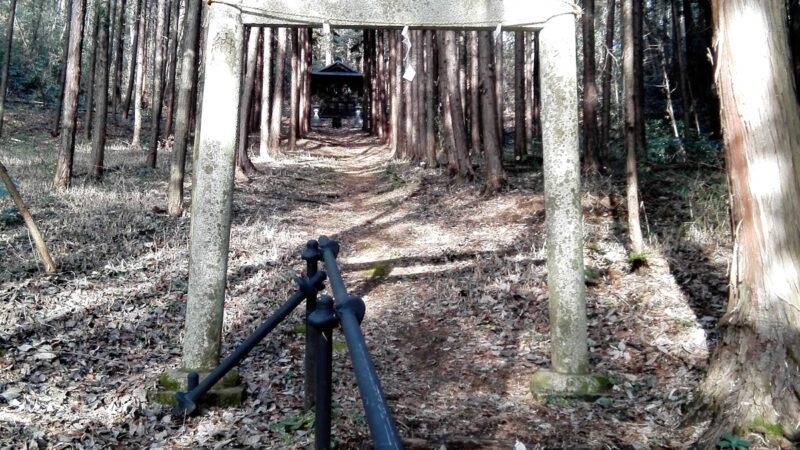
- Entire Shrine Grounds: It’s also recommended to capture the entire shrine from a position before climbing the stairs.
- Surrounding Nature: Photos combining the shrine with seasonal flowers or autumn leaves are also attractive.
Combining Visits to Nearby Shrines
The Yozawa area has other shrines scattered throughout, such as Gochujinja Shrine. If you have time, you can enjoy a “shrine tour” visiting multiple shrines.
Also, since there are many other historical shrines in Akiruno City, planning a shrine tour throughout the city is also a good idea.
Learning about Local History
To deepen your understanding of Yozawa Shrine, we recommend learning about local history at the Akiruno City Local History Museum and Library. Knowing the history of each shrine before their merger and the belief in the Monkyakujin (gatekeeper) will make your visit more meaningful.
Summary: Yozawa Shrine is a Hidden Power Spot in Tokyo
Yozawa Shrine, while located within Tokyo, is surrounded by abundant nature and boasts a unique history and attractions. With its unusual guardian dragons, the ancient Arahabaki deity, and a large horse chestnut tree, it has many features not found in other shrines, making it a place well worth visiting.
While access is somewhat inconvenient, this allows for a quiet and peaceful visit, making it an ideal place to escape the hustle and bustle of the city and find peace of mind. Combining it with sightseeing such as the Otake Limestone Cave will make for a fulfilling day.
If you’re looking for a slightly unusual shrine in Tokyo, interested in ancient beliefs, or simply want to visit a shrine quietly amidst nature, this is a shrine you should definitely visit. Remember to check bus schedules and be aware of bears when planning your visit to Yozawa Shrine. ## Frequently Asked Questions (FAQ)
Q1: How do you pronounce Yozawa Shrine?
A1: It is pronounced “Yozawa Jinja.” It is sometimes written as “Yozawa Shrine,” but it refers to the same shrine.
Q2: Can I get a Goshuin (shrine stamp)?
A2: Yozawa Shrine is a small shrine, so there is likely no resident priest, and the availability of Goshuin is unknown. If you wish to receive a Goshuin, we recommend checking in advance.
Q3: Is there parking available if I go by car?
A3: There is no clear information about a dedicated parking lot, but there is a parking lot for the Otake Limestone Cave nearby. However, the road is narrow and a mountain road, so caution is required when driving.
Q4: How long does it take to visit the shrine?
A4: The shrine grounds themselves are small, so if you only wish to pray, it will take about 15-30 minutes. If you plan to take photos or stroll around at a leisurely pace, it’s best to allow about an hour.
Q5: Is it okay to bring children?
A5: Visiting the shrine grounds is fine, but there are signs warning of bear sightings in the surrounding area, so please be very careful when entering the mountain trails. If you are with small children, we recommend limiting your visit to the shrine grounds only.
Q6: Is it possible to walk there from the nearest station?
A6: It takes about 47 minutes (approximately 3.7 km) to walk from Mitake Station, and you will be walking along mountain trails, so we strongly recommend taking the bus. If walking, you will need adequate equipment and plenty of time.
Q7: Are the guardian dragons at Yozawa Shrine unusual?
A7: Yes, most shrines have guardian dogs, so guardian dragons are relatively rare. Therefore, many visitors come specifically to see the guardian dragons.
Q8: Can I visit anytime?
A8: You can generally visit the shrine grounds freely, but we recommend avoiding nighttime and early morning hours and visiting during daylight hours. Also, since there is a possibility of snowfall during the winter, please check the weather before visiting.