Complete Guide to Eifuku Inari Shrine (Tokyo) | History and Blessings of Both Shrines in Suginami Ward and Hachioji City
When you search for “Eifuku Inari Shrine” in Tokyo, you’ll notice that there are actually two different shrines. One is located in Eifuku, Suginami Ward, and the other is in Shinmachi, Hachioji City. This article comprehensively introduces detailed information about both shrines, explaining their respective characteristics and the appeal of visiting them.
Table of Contents
This article will explain the following in detail:
- Detailed information on Eifuku Inari Shrine (Suginami Ward)
- Detailed information on Eifuku Inari Shrine (Hachioji City)
- Comparison and characteristics of both shrines
- Points to note and manners when visiting
Eifuku Inari Shrine (Eifuku, Suginami Ward)
History and Origins
Eifuku Inari Shrine, located in Eifuku, Suginami Ward, is a historical shrine founded in 1530 (Kyoroku 3). According to shrine tradition, the shrine’s origins lie in the fact that the founder of Eifuku-ji Temple, Abbot Shūten (Shūten Keijitsu), invited Toyouke-Ōkami from the Outer Shrine of Ise Grand Shrine to serve as the guardian deity of the temple grounds.
Initially, it functioned as the guardian shrine of Eifuku-ji Temple, but during the land survey of 1639, it became the village’s guardian shrine. As a result, it became widely revered by the local residents as the guardian deity of the entire village of Eifuku-ji.
Due to the Meiji-era separation of Shinto and Buddhism, it became independent from Eifuku-ji Temple and took its current form. The deep connection with Eifuku-ji Temple, which also gave rise to the local place name “Eifuku-chō,” can still be seen from the fact that both shrines exist adjacent to each other today.
Deities and Benefits
The main deity is Ukanomitama-no-Mikoto. This deity, widely known as Inari-sama, is worshipped as the god of abundant harvests, business prosperity, and industrial development.
Benefits that visitors can expect:
- Business Prosperity: Development and prosperity of business
- Abundant Harvest: Blessings related to agriculture and food
- Family Safety: Health and peace of the family
- Good Fortune: Improvement of luck
- Protection from Evil: Protection from disaster
Highlights of the Shrine Grounds
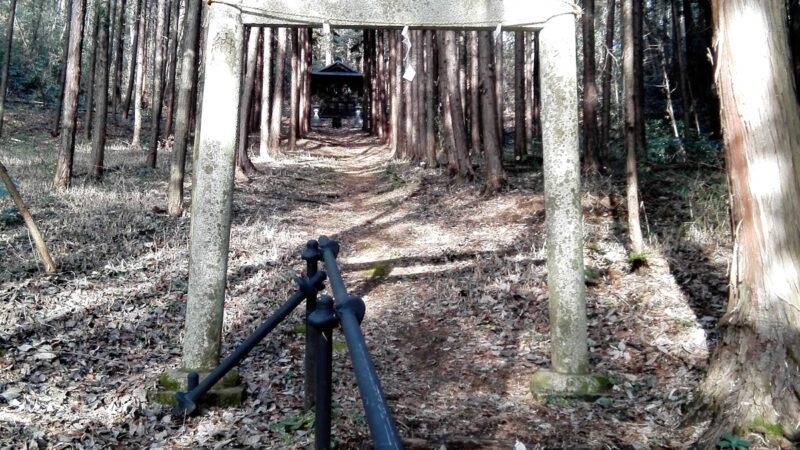
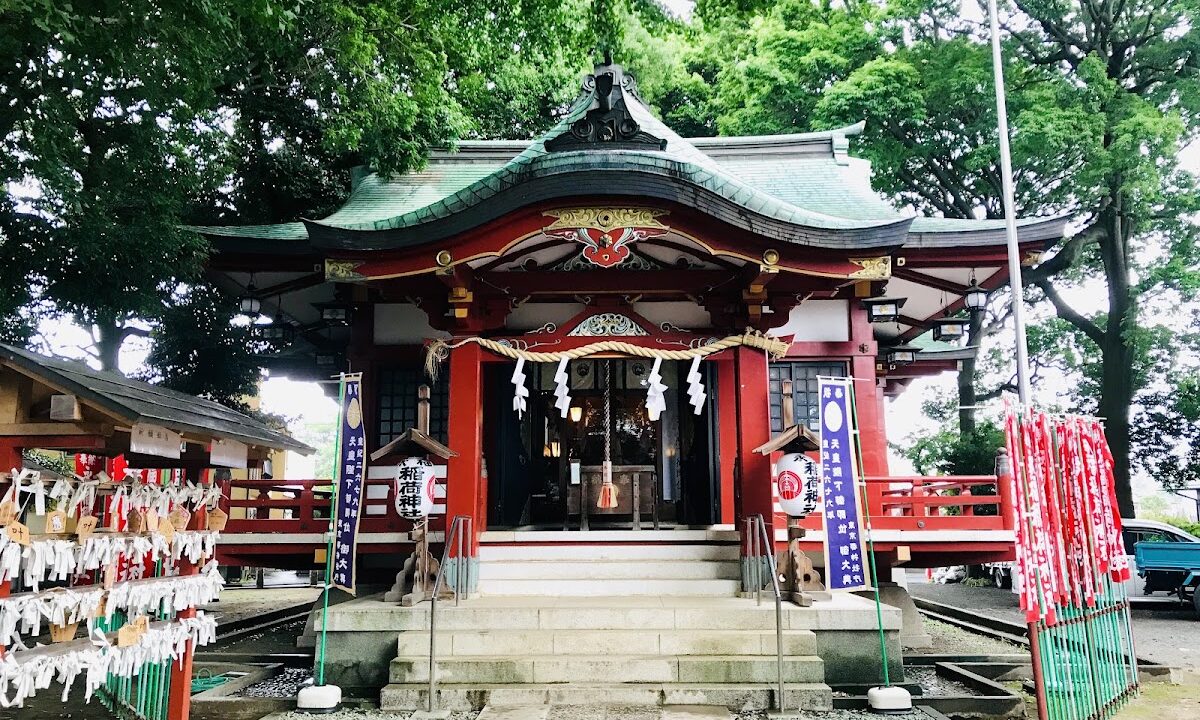
Eifuku Inari Shrine in Suginami Ward is a shrine quietly nestled in a residential area. While the grounds are not particularly large, they are characterized by a tranquil atmosphere that makes you forget the hustle and bustle of the city.
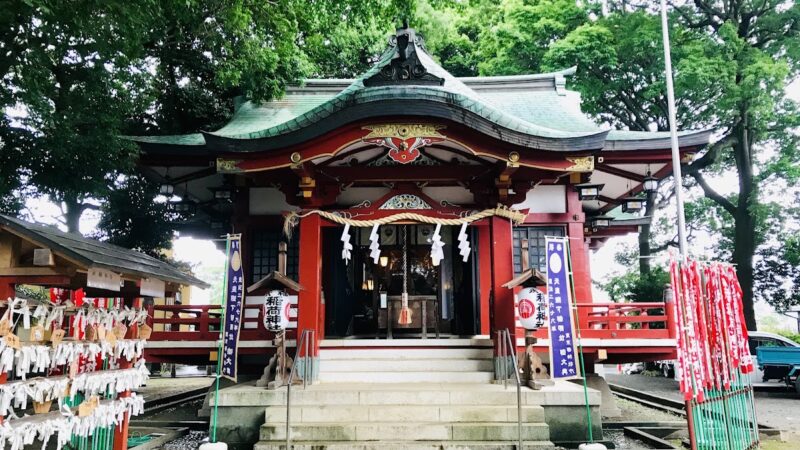
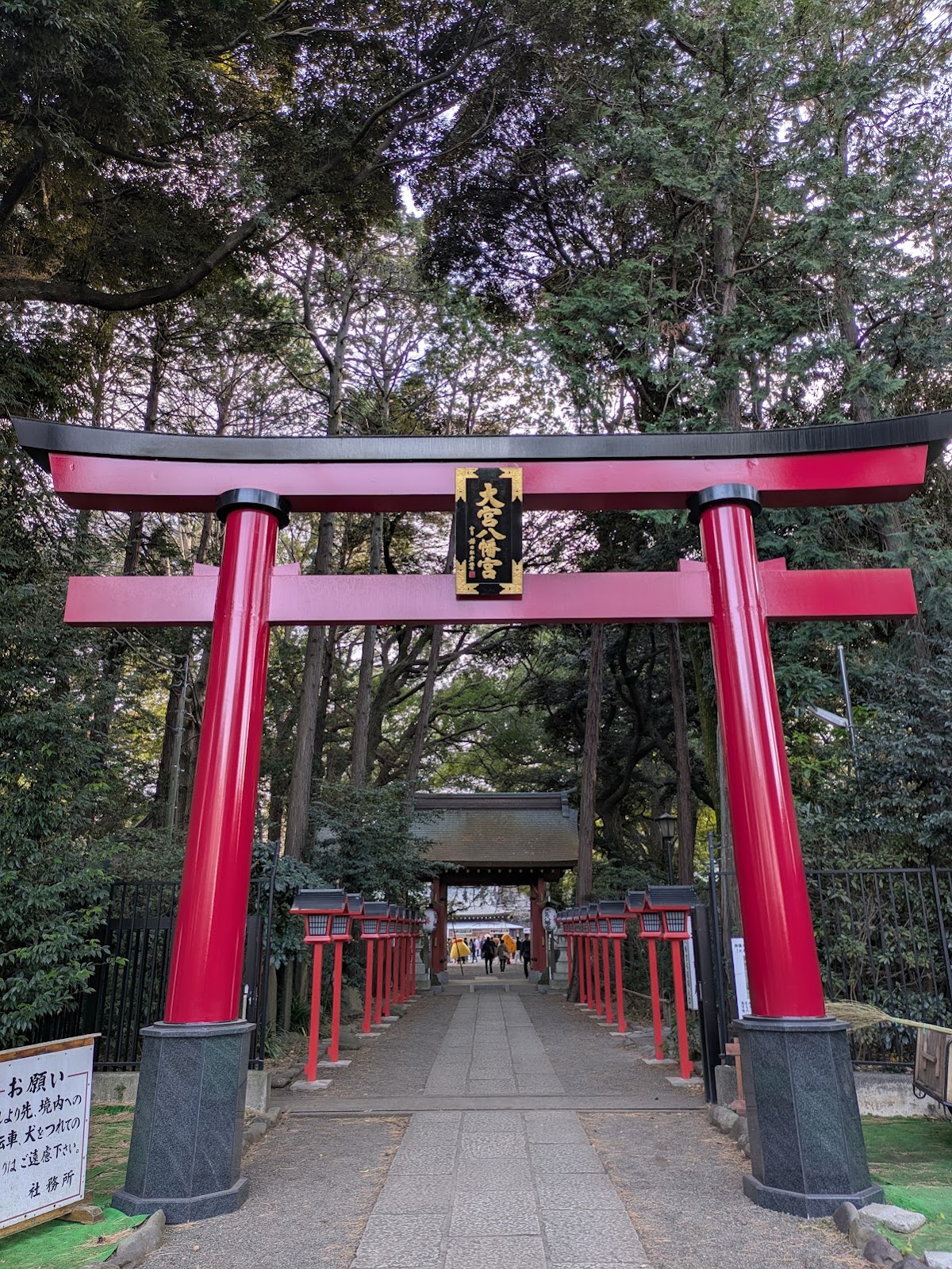
The main hall is built in the traditional shrine architectural style, warmly welcoming visitors. Within the grounds is a vermilion torii gate, characteristic of Inari shrines, marking the entrance to a sacred space.
The integrated atmosphere with the adjacent Eifuku-ji Temple is also one of its charms. It is also attracting attention from history enthusiasts as a valuable place where you can feel the remnants of the era of syncretism of Shinto and Buddhism.
Access Information
Location: 1-24-6 Eifuku, Suginami-ku, Tokyo (sometimes displayed as 25-2)
Nearest Station:
- Approximately 5 minutes on foot from Eifukucho Station on the Keio Inokashira Line
The path from Eifukucho Station to the shrine is flat and winds through a residential area. Signage from the station is limited, so it is recommended to check a map app beforehand.
Visiting Hours: While the shrine grounds are generally open for worship, the shrine office’s operating hours may be limited.
Goshuin (Shrine Seal) Information
Goshuin (shrine seals) are available at Eifuku Inari Shrine. However, since there may not always be a resident priest, it is recommended to check in advance if you wish to receive a goshuin.
The goshuin includes the shrine’s name and the date of visit, and is simple yet dignified. Bringing your goshuincho (stamp book) will make your visit even more memorable.
Eifuku Inari Shrine (Shinmachi, Hachioji City)
History and Origin
Eifuku Inari Shrine, located in Shinmachi, Hachioji City, is a shrine that has been cherished by local residents as the guardian shrine of the Shinmachi area. In ancient times, this area was called “Takenohana,” and it was also known as Takenohana Inari Shrine.
Although it is a different shrine from the Eifuku Inari Shrine in Suginami Ward, it shares a history as a center of local faith, based on Inari worship.
Deities and Benefits
The main deity is Ukanomitama-no-Mikoto. Like the Eifuku Inari Shrine in Suginami Ward, it enshrines Inari and is believed to offer a wide range of benefits.
Expected blessings at Eifuku Inari Shrine in Hachioji City:
- Protection from Evil: Protection from misfortune and bad luck
- Good Fortune: Improvement of luck
- Career Advancement: Success and promotion in work
- Victory: Good fortune in competitions
- Business Prosperity: Development of business
- Fulfillment of Wishes: Realization of wishes
- Matchmaking: Meeting a good partner
- Family Safety: Peace and security for the family
- Traffic Safety: Safety during travel
As a shrine with powerful spiritual efficacy, it attracts the faith of many worshippers.
Features of the Shrine Grounds
Eifuku Inari Shrine in Hachioji City is located in the residential area of Shinmachi. As a shrine rooted in the community, it serves as a place of daily worship for local residents.
The shrine grounds are kept clean, reflecting the respect the local people have for the shrine. While possessing the atmosphere of an Inari shrine, it is a friendly and approachable space.
Access Information
Location: 5-5 Shinmachi, Hachioji City, Tokyo
Nearest Station:
- Approximately 6 minutes on foot from the West Exit of Keio Hachioji Station on the Keio Line
- Also within walking distance (approximately 10-15 minutes) from Hachioji Station on the JR Chuo Line
The shrine is relatively easy to access from Keio Hachioji Station, approximately a 6-minute walk. The Shinmachi area is close to the center of Hachioji City, surrounded by shopping streets and residential areas.
Visiting Hours: The shrine grounds are generally open for free worship.
Connection to the Community
Eifuku Inari Shrine in Hachioji City has been deeply involved in local festivals and events as the guardian shrine of the Shinmachi area. As a shrine closely connected to the lives of local residents, its faith has been passed down through generations.
Comparison and Characteristics of Both Shrines
Similarities
Both shrines share the name “Eifuku Inari Shrine” and enshrine Inari-sama (Ukanomitama-no-Mikoto/Kura-Inari-no-Mikoto) as their principal deity. Both function as local guardian shrines and are known for their blessings of business prosperity and family safety.
Differences
Historical Background:
- The shrine in Suginami Ward has a clear connection to Eifuku-ji Temple, with specific records indicating its founding in 1530.
- The shrine in Hachioji City is characterized by its connection to the place name “Takenohana.”
Location and Atmosphere:
- The shrine in Suginami Ward is close to Eifuku-cho Station and has a unique environment adjacent to Eifuku-ji Temple.
- The shrine in Hachioji City has a friendly atmosphere, blending into the residential area of Shinmachi.
Access:
- Suginami Ward: Approximately 5 minutes on foot from Eifuku-cho Station on the Inokashira Line.
- Hachioji City: Approximately 6 minutes on foot from Keio Hachioji Station.
Manners and Precautions When Visiting
Basic Worship Etiquette
Since both are shrines, please observe basic shrine worship manners:
- Bow before passing through the torii gate: This shows respect when entering the sacred area.
- Walk along the edge of the approach: The center is considered the path for the gods.
- Purifying at the Water Basin: If there is a water basin, purify your hands and mouth.
- Two Bows, Two Claps, One Bow: This is the general etiquette for visiting a shrine.
Photography
Photography is generally permitted on the shrine grounds, but please note the following:
- Refrain from taking photos inside the main hall.
- Be considerate of other visitors.
- Remember that this is a sacred place.
- Use flash sparingly.
Clothing and Belongings
There are no specific dress code requirements, but please wear clean clothing appropriate for visiting a shrine. If you wish to receive a Goshuin (shrine stamp), it is recommended to bring your Goshuincho (stamp book).
Nearby Attractions
Around Eifuku Inari Shrine, Suginami Ward
The area around Eifukucho Station is a quiet residential area, but it also has a shopping street, giving it a lively atmosphere. Visiting the adjacent Eifuku-ji Temple will allow you to experience the history of Shinto-Buddhist syncretism.
There are many other shrines and temples along the Inokashira Line, making it possible to enjoy a shrine pilgrimage.
Around Eifuku Inari Shrine, Hachioji City
Hachioji City is an area with many historical sites. There are also many commercial facilities around Hachioji Station, so you can enjoy shopping and dining after visiting the shrine.
It’s also a convenient location for planning sightseeing trips that combine this shrine with other tourist spots in Hachioji City, such as Hachioji Castle Ruins and Mount Takao.
Annual Events and Festivals
Main Annual Events
Inari shrines generally hold the following events:
- Hatsuumasai: An important festival of Inari shrines held on the first day of the horse in February.
- Reitaisai: The most important annual festival designated by each shrine.
- Hatsumode: New Year’s visits starting from January 1st.
For specific event dates, it is recommended to check directly with each shrine.
About Inari Worship
Origin of Inari God
Inari God is one of the most widely worshipped deities in Japan. Originally revered as the god of rice cultivation, its name is said to originate from “Inari” (rice harvest). Over time, foxes came to be worshipped as gods of business prosperity and industrial development.
Why are foxes considered divine messengers?
At Inari shrines, foxes are considered divine messengers (messengers of the gods). This stems from the fact that foxes exterminate mice that damage crops, and are therefore revered as guardians of abundant harvests.
It’s important to understand that the fox itself is not a god, but rather a messenger of the gods.
A Recommendation for Collecting Goshuin (Shrine/Temple Stamps)
What are Goshuin?
Goshuin are stamps and calligraphic inscriptions given as proof of visiting shrines and temples. They are not simply stamp rallies, but are cherished as records of pilgrimages.
Manners for Receiving a Goshuin (Shrine Stamp)
- After Visiting: A goshuin is proof of your visit, so always receive it after praying.
- Prepare a Goshuincho (Shrine Stamp Book): Use a dedicated goshuincho.
- Donation: Generally around 300-500 yen.
- Polite Service: Remember to show respect to the shrine priests.
A Goshuin Pilgrimage Visiting Both Shrines
A goshuin pilgrimage visiting the two Eifuku Inari Shrines with the same name would be an interesting experience. You can feel the individuality of each shrine and experience the diversity of Inari worship in Tokyo.
Best Season for Visiting
Seasonal Attractions
Spring (March-May): The fresh greenery is beautiful, the weather is mild, and it’s ideal for visiting. The surrounding townscape is also vibrant during cherry blossom season.
Summer (June-August): A quiet period after the Hatsuumasai festival. As the greenery deepens, the shrine’s charm as an urban oasis increases.
Autumn (September-November):
The weather is pleasant, and events such as the annual festival are sometimes held. The autumn foliage creates a deeply atmospheric scene.
Winter (December-February):
This is a time when important events such as the first shrine visit of the year and the Hatsuumasai festival are concentrated. The Hatsuumasai festival, in particular, is the most important event at the Inari shrine and attracts many worshippers.
Visitor Voices and Reputation
Reputation of Eifuku Inari Shrine, Suginami Ward
It is affectionately known as the “guardian deity of Eifuku-cho” by local residents. Its quiet and peaceful atmosphere is popular, and many people visit regularly.
The integrated landscape with Eifuku-ji Temple is also highly valued by history enthusiasts. As a valuable space where one can feel history despite being in the city, it is also a popular spot for strolls.
Reputation of Eifuku Inari Shrine in Hachioji City
As the guardian shrine of the Shinmachi area, it enjoys deep faith from local residents. As a shrine with a reputation for miraculous powers, it attracts worshippers with various wishes.
Its convenient access is also highly regarded; its location, approximately a 6-minute walk from Keio Hachioji Station, is popular with first-time visitors as it is easy to find.
Summary
The two Eifuku Inari Shrines in Tokyo each have different histories and characteristics, yet they play important roles as centers of local faith.
Eifuku Inari Shrine in Suginami Ward boasts a history dating back to 1530 and is characterized by its deep connection to Eifuku-ji Temple. It is easily accessible, approximately a 5-minute walk from Eifukucho Station on the Inokashira Line, and is a shrine where one can feel history and tradition.
Eifuku Inari Shrine in Hachioji City enjoys deep-rooted faith as the guardian shrine of the Shinmachi area. Located approximately a 6-minute walk from Keio Hachioji Station, it is a shrine with a reputation for miraculous powers and various blessings.
Both shrines are based on Inari worship and are known for their blessings of business prosperity, family safety, and good fortune. When visiting Eifuku Inari Shrine in Tokyo, please be sure to understand the differences between the two shrines and appreciate their respective charms.
Visiting a shrine is a precious time to calm the mind, escape from daily life, and reflect on oneself. Enjoy a peaceful moment in this quiet sanctuary amidst the hustle and bustle of the city. Both shrines await your visit.