Asakawa Shrine (Hachioji City, Tokyo) Complete Guide | History, Goshuin (Shrine Seal), and Access Information
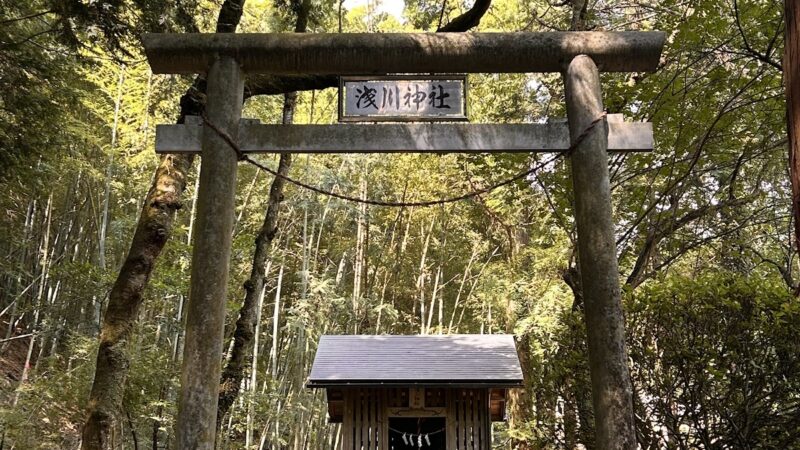
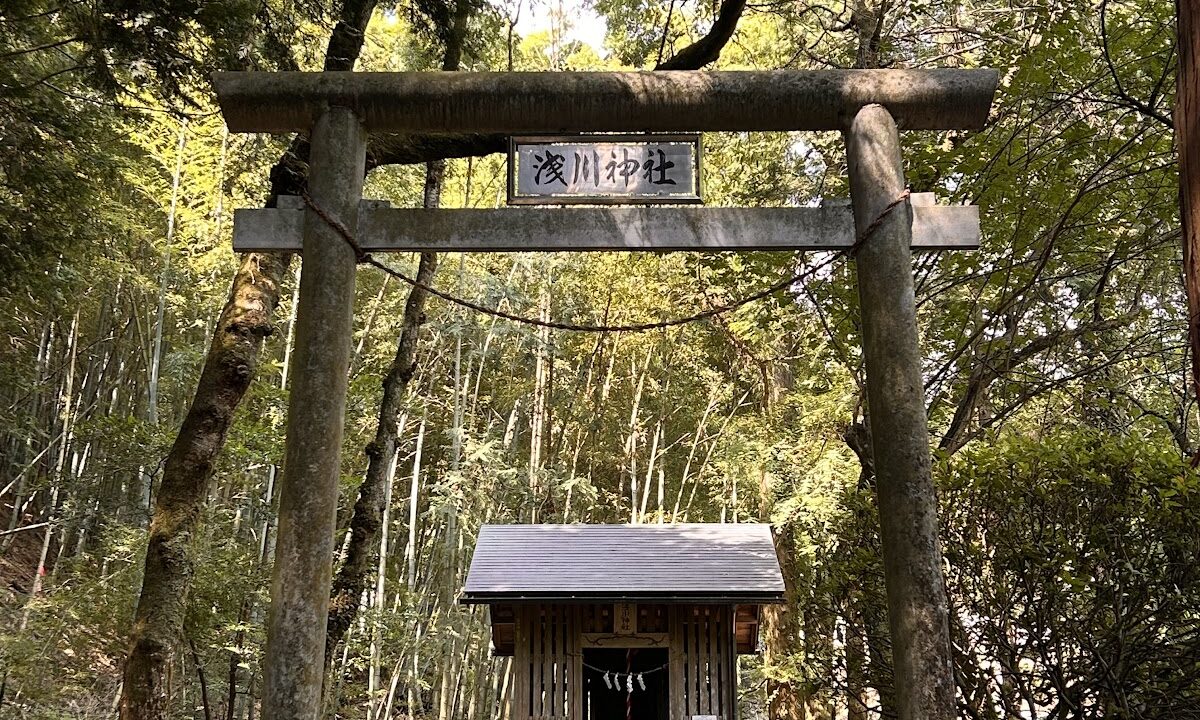
Asakawa Shrine is quietly situated in the Kobotoke area of Ura-Takao-cho, Hachioji City, Tokyo. Located slightly away from the hustle and bustle of Mount Takao, this shrine is a valuable place that conveys the history of the region. This article provides a detailed introduction to Asakawa Shrine, including its history, enshrined deities, visiting information, access methods, and nearby attractions.
Basic Information about Asakawa Shrine
Asakawa Shrine is located at 1536 Ura-Takao-cho, Hachioji City, Tokyo. Situated at the foot of Kobotoke Pass, near the clear waters of the Asakawa River, it enjoys a tranquil environment surrounded by nature.
Location and Contact Information
- Address: 1536 Uratakao-cho, Hachioji City, Tokyo (Some sources list it as 1797-2)
- Postal Code: 〒193-0841
- Corporate Code: 2010105000363
- Nearest Station: Takaosanguchi Station, Keio Takao Line
- Nearest Bus Stop: Approximately 3-5 minutes on foot from the Keio Bus “Kobotoke” bus stop
Visiting Hours and Shrine Office
Asakawa Shrine is a small shrine, so there may not always be a resident priest. While visits are possible at any time during the day, it is recommended to check in advance if you wish to receive a Goshuin (shrine stamp) or prayers.
History and Origins of Asakawa Shrine
The history of Asakawa Shrine dates back to the Edo period. This shrine was formed by the merger of two other shrines.
Founding and History
In June 1784 (Tenmei 4), the Asama Shrine was enshrined on the mountaintop of Kobotoke Pass. Around the same time, the Nenosha Shrine was located at the foot of the mountain. Later, as part of the Meiji era’s policy of shrine consolidation, in March 1912 (Meiji 45), these two shrines were merged and renamed “Asakawa Shrine.”
The Asama Shrine was a shrine based on the worship of Mount Fuji and enshrined Konohanasakuya-hime no Mikoto. The Nenosha Shrine, on the other hand, enshrined Ōnamuchi no Mikoto (also written as Ōnamuchi no Mikoto). Due to the merger of these two shrines, the current Asakawa Shrine enshrines both deities.
Connection to the Kobotoke Area
The Kobotoke area, where Asakawa Shrine is located, has a history of flourishing as an important post town on the Kōshū Kaidō road. Kobotoke Pass was a vital transportation hub connecting Edo (Tokyo) and Kofu (Kofu), and many travelers passed through it. Asakawa Shrine has watched over the safety of those traveling through this area and has functioned as a center of faith for the local residents.
Deities and Divine Virtues
Asakawa Shrine enshrines two deities.
Ōnamuchi-no-Mikoto (Ōanamuchi-no-Mikoto)
Ōnamuchi-no-Mikoto is another name for Ōkuninushi-no-Mikoto and is also known as the principal deity of Izumo Taisha Shrine. As the god of nation-building, he is believed to have the following divine virtues:
- Matchmaking: Success in finding a good partner, marital harmony
- Business Prosperity: Business success, business prosperity
- Healing from Illness: Health and longevity, recovery from illness
- Good Fortune and Prosperity: Protection from evil, family safety
Konohanasakuya-hime-no-Mikoto
Konohanasakuya-hime-no-Mikoto is a goddess worshipped as the deity of Mount Fuji. Asakawa Shrine is considered a beautiful princess goddess, like a cherry blossom, and is known for the following divine blessings:
- Prayer for Safe Childbirth: Safe childbirth, fertility
- Protection from Fire: Protection from fire
- Harmonious Family Life: Family happiness, family harmony
- Beauty Fulfillment: Enhancement of beauty
Annual Festival and Events
The annual festival of Asakawa Shrine is held every year on August 17th. Local parishioners and worshippers gather for the Shinto rituals. Although small in scale, it is a traditional festival deeply rooted in the community.
During the summer festival season, the natural beauty of the Kobotoke area is also stunning, making it enjoyable to stroll around the area in addition to visiting the shrine.
Highlights of the Shrine Grounds
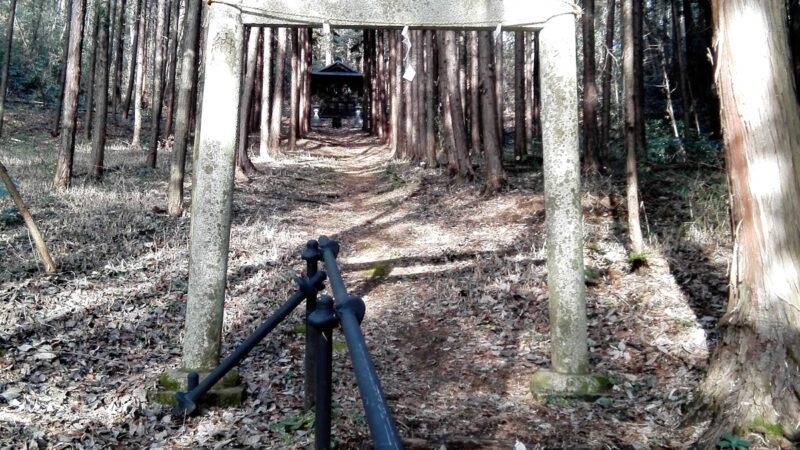
Asakawa Shrine is a small shrine, but its charm lies in its quiet environment surrounded by nature.
Shrine Building
A simple yet charming wooden shrine building stands here. While lacking ostentatious decorations, its appearance evokes a sense of history, having supported the faith of the local community.
Natural Environment
The area surrounding the shrine is blessed with abundant nature, allowing visitors to enjoy the scenery of each season. The fresh greenery of spring and the vibrant autumn foliage are particularly beautiful, offering a peaceful and tranquil experience for worshippers. The clear waters of the Asakawa River are nearby, creating a soothing sound.
Stone Monuments and Sculptures
The shrine grounds contain stone monuments and sculptures that tell the story of history, providing clues to the region’s history and religious beliefs.
About Goshuin (Shrine Seals)
Regarding Goshuin at Asakawa Shrine, there may not always be a resident priest, so it is recommended to check in advance if you wish to receive one. According to visitor reviews, Goshuin have been issued in the past, but availability may vary depending on the timing.
If your purpose is to obtain a Goshuin, it is advisable to plan your visit to include other nearby shrines (such as Takao-san Yakuo-in Temple).
Access Methods
The most common way to access Asakawa Shrine is by public transportation.
Access by Train and Bus
- From Keio Line Takaosanguchi Station
- Get off at Takaosanguchi Station on the Keio Takao Line
- Take the Keio Bus bound for Kobotoke from the station (approx. 15 minutes)
- Get off at the Kobotoke bus stop and walk for 3-5 minutes
- From JR Takao Station
- Get off at the North Exit of Takao Station on the JR Chuo Line
- Take the Keio Bus bound for Kobotoke (approx. 20 minutes)
- Get off at the Kobotoke bus stop and walk for 3-5 minutes
About Bus Service
Since the number of Keio Buses bound for Kobotoke is limited, it is recommended to check the timetable in advance. Please note that the schedule differs especially between weekdays and weekends.
Access by Car
- Approximately 20 minutes from Hachioji IC on the Chuo Expressway via National Route 20 (Koshu Kaido).
- Parking space is limited, so using public transportation is recommended.
Access by Foot/Hiking
There is also a walking route along Koshu Kaido from Takaosanguchi Station to the Kobotoke area. The distance is approximately 6-7 km, taking about 1.5 to 2 hours on foot. It can be enjoyed as a hike, but caution is advised as there are sections with heavy traffic.
Nearby Tourist Attractions
There are many worthwhile tourist attractions around Asakawa Shrine.
Mount Takao
Mount Takao is the closest famous tourist destination to Asakawa Shrine. It is a mountain with an elevation of 599m and is a popular spot visited by approximately 3 million people annually.
- Takaosan Yakuoin: The head temple of the Chizan branch of Shingon Buddhism, dedicated to Iizuna Daigongen.
- Cable Car/Lift: Easily reach near the summit.
- Hiking Courses: Multiple courses enjoyable for beginners to advanced hikers.
- Takaosanguchi Onsen Gokurakuyu: A day-trip hot spring to soothe fatigue after hiking.
Kobotoke Pass
There is also a hiking course from Asakawa Shrine to Kobotoke Pass. Located at an altitude of approximately 548m, it lies on the border between Tokyo and Kanagawa prefectures. A historically significant pass, it was known as a difficult section of the Koshu Kaido during the Edo period.
Kageyama
Continuing from Kobotoke Pass, you can climb Kageyama (727m). From the summit, you can enjoy spectacular views of Mt. Fuji and the Tanzawa Mountains.
Jinba Mountain
If you extend your hike further, you can traverse to Jinba Mountain (857m). At the summit, there is a statue of a white horse, and a 360-degree panoramic view unfolds.
Asakawa Kotohira Shrine
Although the names are similar, this is a different shrine. Located on the summit of “Takao no Konpira-yama” (256m above sea level) west of Takao Station, it is a small shrine beloved by the local people. It’s also worth visiting.
Points to Note When Visiting
Here are some points to note when visiting Asakawa Shrine.
Clothing and Equipment
- As the area around the shrine is mountainous, we recommend wearing comfortable walking shoes.
- Temperatures can vary greatly depending on the season, so it’s best to wear clothing that can be adjusted.
- Insect repellent is necessary in summer, and warm clothing is necessary in winter.
Visiting Etiquette
- Bow when passing through the torii gate.
- Avoid walking in the center of the path (the center is considered the path of the gods).
- If there is a purification fountain, cleanse your hands and mouth before praying.
- Pray using the two bows, two claps, and one bow method.
Other Notes
- There may not always be a resident Shinto priest, so please check in advance if you wish to receive a goshuin (shrine stamp) or prayer.
- As the surrounding area is also a residential area, please be considerate of noise levels.
- Please take all your trash with you.
- Photography is permitted, but please remember to be considerate of other visitors.
Other Shrines in Hachioji City
There are 116 shrines in Hachioji City, and Asakawa Shrine is one of them. Here are some other shrines in Hachioji City that are worth visiting. ### Hachiman Yakumo Shrine
Located in Motohongo-cho, Hachioji City, this shrine is known as the guardian shrine of Hachioji. A grand festival featuring floats is held every August.
Koyasu Shrine
Located in Myojin-cho, Hachioji City, this shrine is revered as a deity of safe childbirth and child-rearing. It’s easily accessible, within walking distance of JR Hachioji Station.
Takaosan Yakuoin Temple
Strictly speaking, it’s a temple rather than a shrine, but it has a history of syncretism between Shinto and Buddhism and attracts many worshippers as a sacred site dedicated to Iizuna Daigongen.
The Charm of Asakawa Shrine
The greatest charm of Asakawa Shrine lies in its tranquility and natural environment. Away from the hustle and bustle of famous tourist spots like Mount Takao, it offers a peaceful environment for worship.
A Faith Rooted in the Community
Rather than a flashy tourist shrine, it has a simple and warm atmosphere, having supported the faith of the local people. It’s a valuable place where you can feel the history and culture of the region.
Harmony with Nature
Nestled amidst the rich natural beauty of the Kobotoke area, this shrine allows visitors to experience the changing seasons while offering prayers. Despite its proximity to the city center, it offers a tranquil atmosphere reminiscent of deep mountains.
Combining with Hiking
It can be visited as a starting point or stopover for hikes to Mount Takao or Kobotoke Pass, allowing for a fulfilling day combining mountain climbing and shrine visits.
Summary
Asakawa Shrine, located in Ura-Takao-cho, Hachioji City, Tokyo, is a shrine with a history dating back to the Edo period. It was formed in 1912 through the merger of the Asama Shrine, enshrined on Mount Kobotoke Pass in 1784, and the Kono-sha Shrine at the foot of the mountain.
The shrine enshrines Ōkuninushi-no-Mikoto and Konohanasakuya-hime-no-Mikoto, and is believed to bestow blessings for matchmaking, safe childbirth, and business prosperity. The annual festival is held on August 17th, and it remains a cherished center of local faith.
Accessible by bus and on foot from Takaosanguchi Station on the Keio Line, the shrine is surrounded by numerous hiking spots, including Mount Takao, Kobotoke Pass, and Mount Kageyama. Though small, it offers a tranquil setting surrounded by nature, making it a worthwhile visit for those seeking a peaceful retreat from the hustle and bustle of the city.
When visiting Mount Takao, why not extend your trip a little and visit Asakawa Shrine? The local history, nature, and serene atmosphere will surely create a memorable experience.