Anazawa Tenjin Shrine (Inagi City, Tokyo) Complete Guide | Sacred Water, Goshuin (Shrine Seal), History, and Access Information
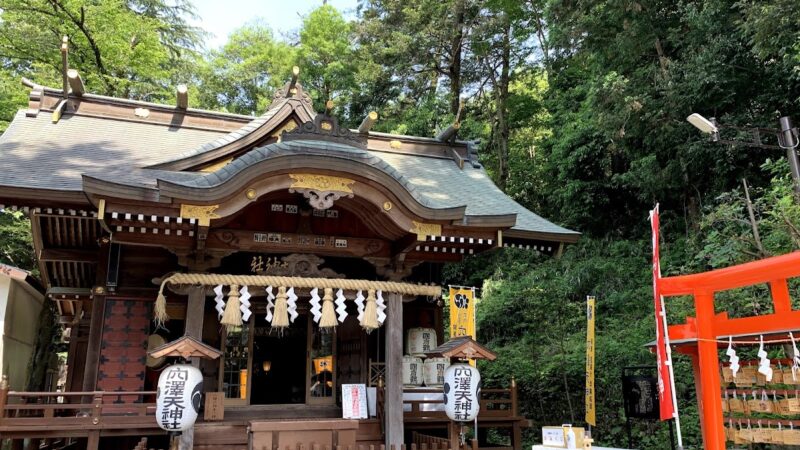
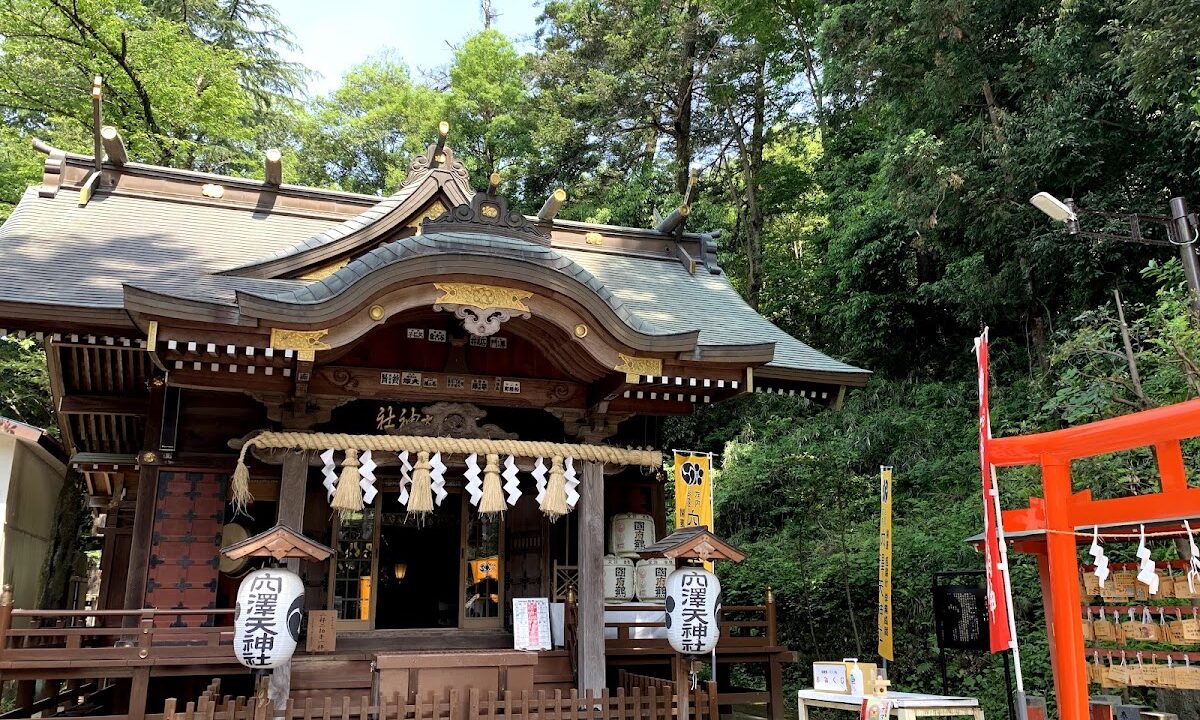
Anazawa Tenjin Shrine, located in Yanoguchi, Inagi City, Tokyo, is a venerable ancient shrine listed in the Engishiki Jinmyocho (a historical record of shrines). Perched on the slopes of the Tama Hills, this shrine is known as a power spot with many attractions, including its sacred water (selected as one of “Tokyo’s 57 Famous Springs”), blessings for matchmaking, academic success, and health and well-being, and its Edo-style folk dance (a nationally designated Important Intangible Folk Cultural Property).
This article comprehensively introduces everything you need to know before visiting Anazawa Tenjin Shrine, from its history and blessings to its highlights within the grounds, goshuin information, and access methods.
History and Origins of Anazawa Tenjin Shrine
Status as an Engishiki Shrine
Anazawa Tenjin Shrine is a shrine listed in the Engishiki Jinmyocho (a list of shrines compiled in 905 AD) as “Anazawa Shrine in Tama District, Musashi Province.” It is counted as one of the eight shrines in Tama District and was designated a village shrine in 1873 (Meiji 6). This status indicates that it has been an important object of worship in the region since ancient times.
Founding Legend and Deity
According to shrine tradition, Anazawa Tenjin Shrine was founded in the 4th year of Emperor Kōan’s reign, making it an extremely old shrine. The main deity enshrined is Sukunahikona-no-Mikoto.
Sukunahikona-no-Mikoto is a deity appearing in the Kojiki and Nihon Shoki, and is said to have worked with Ōkuninushi-no-Mikoto in nation-building. He is believed to have bestowed upon the people medical knowledge and the art of sake brewing, and has been particularly revered as the god of medicine and health promotion. He is also known for his significant contributions to national development.
Enshrinement of Sugawara no Michizane
During the Edo period, Sugawara no Michizane, known as the god of learning, was enshrined here. This resulted in the shrine being named “Anazawa Tenjin Shrine,” and many worshippers seeking academic success began to visit. Currently, the shrine attracts worshippers seeking both the medical and health benefits of Sukunahikona-no-Mikoto and the academic benefits of Sugawara no Michizane.
Origin of the Name “Anazawa”
The distinctive name “Anazawa” is said to originate from a cave that once existed along the Misawa River. This cave was revered as a sacred place, and remnants of the cave can still be seen on the shrine grounds. The unique location on the slopes of the Tama Hills contributes to the shrine’s mystical atmosphere.
Benefits of Anazawa Tenjin Shrine
Anazawa Tenjin Shrine is a power spot known for its diverse blessings.
Matchmaking
Anazawa Tenjin Shrine is widely revered as a god of matchmaking. Many visitors come seeking good relationships, praying for success in love and marital harmony. It is believed that praying sincerely in the quiet grounds will bring good fortune in relationships.
Academic Achievement
As it enshrines Sugawara no Michizane, it is also famous as a god of learning. Students and those preparing for qualification exams visit to pray for success. Many students and their parents visit seeking blessings for academic achievement and the granting of wisdom.
Health and Medicine
Since the main deity, Sukunahikona-no-Mikoto, is the god of medicine, it is believed to offer blessings for health and recovery from illness. Drinking the sacred water is especially believed to promote health and is popular among local people.
Improvement in Performing Arts
Sukunahikona-no-Mikoto also has an aspect as a god of performing arts, and many people pray for improvement in their performing arts skills visit the shrine. The fact that the “Edo no Sato Kagura Yamamoto-chu,” a nationally designated Important Intangible Folk Cultural Property, is passed down here also demonstrates its deep connection to performing arts.
Highlights of the Shrine Grounds
Sacred Water (Spring Water)
The most distinctive feature of Anazawa Tenjin Shrine is the pure spring water that gushes forth within the shrine grounds. This spring water has been selected as one of “Tokyo’s 57 Famous Springs” and one of “Tokyo’s 100 Famous Springs,” and it continues to flow without drying up.
This water, which gushes from the geological layers of the Tama Hills, is revered as sacred water, and worshippers can freely draw water from it. Many people bring plastic bottles or containers to take home the sacred water, and many believers drink it regularly.
The spring water is located in the lower part of the shrine grounds, and the experience of drawing water in this rich natural environment provides a moment of healing that allows you to forget the hustle and bustle of the city.
Cave (Benten Shrine)
Within the shrine grounds is a cave where Benten Shrine is enshrined, preserving the origin of the name “Anazawa.” This cave possesses a mystical atmosphere and is a valuable place where one can feel the form of ancient faith.
The inside of the cave is cool, and even in summer, the air is refreshingly cool. There are also parts where the geological strata are exposed, making it a geologically interesting spot.
Flower Water Basin
In recent years, Anazawa Tenjin Shrine has been implementing a “flower water basin” where seasonal flowers are floated in the water basin. The sight of the colorful flowers floating on the water’s surface is beautiful and has become a topic of conversation on social media. This vibrant flower water basin is one of the pleasures of visiting the shrine.
Nature-Rich Shrine Grounds
Located on the slopes of the Tama Hills, Anazawa Tenjin Shrine is surrounded by abundant nature. The grounds are lush with ancient trees, allowing visitors to experience the changing seasons. The grounds are especially enveloped in beautiful colors during the seasons of fresh greenery and autumn leaves.
One of the great attractions of this shrine is the opportunity to worship in a tranquil environment. Despite being close to the city center, one can find peace of mind and offer prayers amidst nature.
Annual Events and Cultural Assets
Grand Festival
The annual festival of Anazawa Tenjin Shrine is held every year in late August. During this festival, the “Edo no Sato Kagura Yamamoto-chu,” a nationally designated Important Intangible Folk Cultural Property, is performed.
Edo no Sato Kagura is a traditional performing art that has continued since the Edo period, depicting the world of mythology. The performances by the Yamamoto-chu are known for their elegant movements and beautiful costumes, captivating many spectators.
In addition, the “Shishimai” (lion dance), a cultural property designated by Inagi City, is also performed, making it an important opportunity to pass on the region’s traditional culture. The festival attracts many worshippers and spectators.
Other Annual Events
Anazawa Tenjin Shrine holds various festivals throughout the year, including the New Year’s Day Festival, Setsubun Festival, and Shichi-Go-San (children’s festival). Visiting the shrine during these events allows you to experience traditional Japanese culture.
Goshuin (Shrine Seals) and Goshuincho (Shrine Seal Books)
About Goshuin
Anazawa Tenjin Shrine offers goshuin as proof of worship. Goshuin can be obtained at the shrine office, and the offering fee is usually around 300 yen (this may vary depending on the season).
The goshuin features the calligraphy of “Anazawa Tenjin Shrine” and the shrine’s seal. These carefully written goshuin are cherished as mementos of your visit.
Original Goshuincho (Shrine Seal Books)
Anazawa Tenjin Shrine also offers original goshuincho. The design reflects the shrine’s characteristics, making it a valuable item for goshuin collectors.
For information on the offering fee and availability of goshuincho, we recommend checking the official account before your visit.
Items Offered
Amulets
Anazawa Tenjin Shrine offers amulets for various purposes.
- Matchmaking Amulet: An amulet for wishing for a good match
- Academic Success Amulet: An amulet for wishing for success in exams and academic improvement
- Health Amulet: An amulet for wishing for recovery from illness and improved health
- Traffic Safety Amulet: An amulet for protection from traffic accidents
Each amulet is carefully crafted, and it is believed that carrying it brings protection.
Ema (Votive Tablets)
Ema (votive tablets) are also available for offering. You can write your wishes on an ema, such as for matchmaking, academic success, or good health, and offer it within the shrine grounds.
Other Items Offered
Seasonal items and items for special events may also be available. Please inquire at the shrine office during your visit for details.
Access Information
Basic Information
- Address: 3292 Yanoguchi, Inagi City, Tokyo
- Phone: 042-377-7307 (Shrine Office)
- Visiting Hours: Grounds are freely accessible (Please check the shrine office’s reception hours)
- Parking: Available (Limited number of spaces)
Access by Train
From Keio Yomiuri Land Station on the Keio Sagamihara Line
The nearest station is Keio Yomiuri Land Station on the Keio Sagamihara Line. It’s about a 5-10 minute walk from the station.
After exiting the station, head east and walk along the Keio Line. You will first see the entrance to the west approach. There are signs, so even first-time visitors can arrive without getting lost.
From Yanoguchi Station on the JR Nambu Line
It is also accessible on foot from Yanoguchi Station on the JR Nambu Line. It’s about a 15-minute walk from the station.
Access by Car
It’s about 10-15 minutes from the Chuo Expressway’s “Inagi IC” or “Fuchu Smart IC”.
For car navigation, please enter “Anazawa Tenjin Shrine” or the address “3292 Yanoguchi, Inagi City, Tokyo”.
There is parking on the shrine grounds, but spaces are limited, so we recommend using public transportation, especially during events such as the annual festival.
Nearby Facilities
Nearby are “Yomiuri Land” and “Ikoji Temple”. You can enjoy exploring the surrounding area before or after your visit.
Manners and Points for Visiting the Shrine
Proper Way to Visit the Shrine
- Bow before passing through the torii gate: Bow before entering the shrine grounds.
- Purify yourself at the water basin: Purify your hands and mouth at the water basin. If there are flowers in the water basin, please use the regular water basin.
- Avoid the center of the approach to the shrine: The center of the approach is considered the path of the gods, so please walk along the sides.
- Worship at the main hall: Worship using the two bows, two claps, and one bow ritual.
Precautions when drawing sacred water
When drawing sacred water, please observe the following points:
- Use a clean container
- Be considerate of others
- Be careful not to pollute the surroundings
- If drawing a large amount, remember to be considerate of other worshippers
Regarding photography
Photography is generally permitted on the shrine grounds, but please observe the following points:
- Be considerate of the privacy of other worshippers.
- Remember that this is a sacred place and behave with moderation.
- Avoid actions that may disturb other worshippers, such as using tripods.
- Do not take photographs in areas where photography is prohibited, such as inside the main hall.
Summary of Anazawa Tenjin Shrine’s Charms
Anazawa Tenjin Shrine is a shrine that combines many charms: a history dating back to ancient times, abundant nature, the natural blessing of sacred water, and the preservation of traditional culture.
While easily accessible from the city center, it is also characterized by its quiet and peaceful atmosphere, making it a popular place for worship. Many worshippers visit seeking various blessings, such as matchmaking, academic success, and good health.
The sacred water, in particular, is cherished by local residents who visit regularly to draw water, demonstrating the shrine’s deep roots in the community.
With its grounds that show different expressions in each season, traditional festivals, and beautiful flower arrangements, it is a shrine where you can discover something new every time you visit.
Official Information and Social Media
Anazawa Tenjin Shrine operates official social media accounts, posting the latest information and updates on the shrine grounds.
- Official X (formerly Twitter): @anasawatenjin
Checking the latest information before your visit will allow you to learn about special events and the state of the flower arrangements. We also recommend following the accounts as they post the latest information on goshuin (shrine stamps) and other offerings.
Summary
Anazawa Tenjin Shrine is a historic shrine located in Inagi City, Tokyo. It holds the status of a shrine listed in the Engishiki Jinmyocho (a list of shrines compiled in the Heian period), and is known for its blessings related to matchmaking, academics, health and medicine, and performing arts, as it enshrines Sukunahikona-no-Mikoto and Sugawara no Michizane.
It boasts many attractions, including its sacred spring water, selected as one of “Tokyo’s 57 Famous Springs,” a mystical cave, and Edo-style kagura (a type of Shinto dance), a nationally designated important intangible folk cultural property. Its convenient location, within walking distance of Keio Yomiuri Land Station, is also a major draw.
Located on the slopes of the lush Tama Hills, the experience of quietly praying and drinking the pure sacred water will be a precious moment away from the hustle and bustle of everyday life. Please do visit Anazawa Tenjin Shrine at least once.