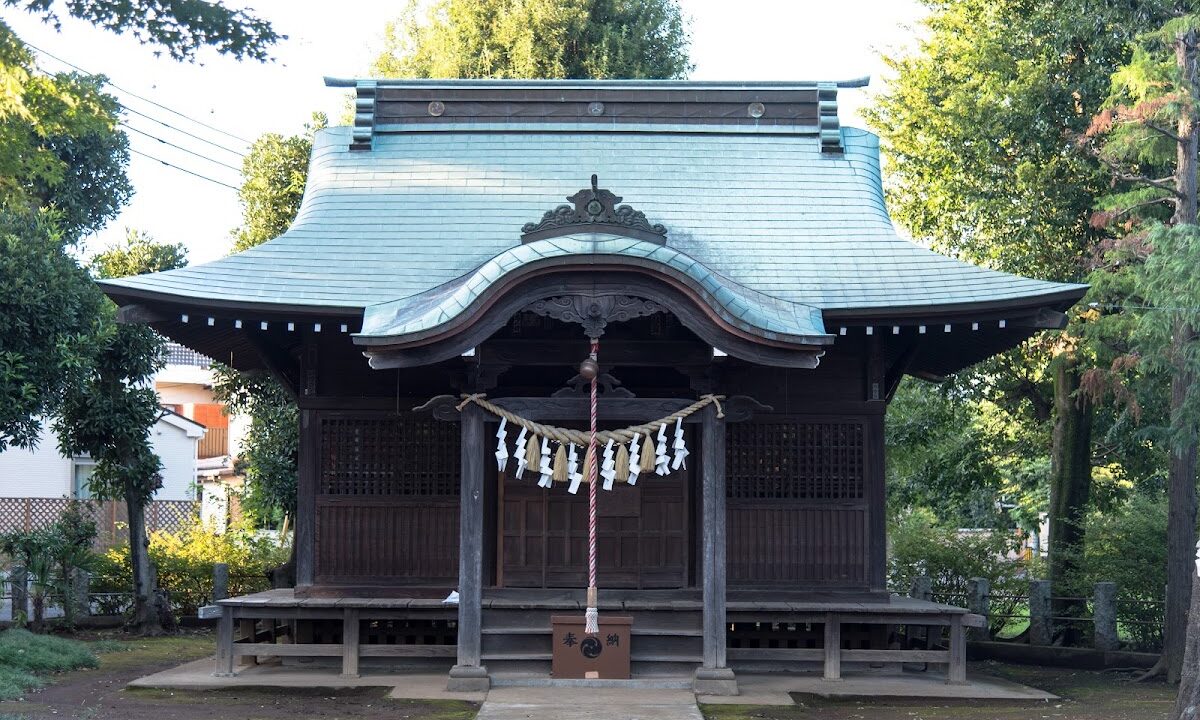
Complete Guide to Naito Shrine (Tokyo): A Thorough Explanation of the Two Shrines in Shinjuku and Kokubunji
When you search for “Naito Shrine” in Tokyo, you’ll notice that there are actually two different shrines. One is the “Tōnomine Naito Shrine” located in Naito-cho, Shinjuku-ku, and the other is the “Naito Shrine” located in Hiyoshi-cho, Kokubunji City.
This article provides comprehensive information useful for visiting both shrines, including their historical background, enshrined deities, highlights of the grounds, access methods, and information on Goshuin (shrine stamps). It will be an ideal resource for those seeking tranquility in a quiet, sacred space in the heart of the city, or those wishing to visit a historical shrine.
The Complete Picture of Tōnomine Naito Shrine (Shinjuku-ku)
Basic Information and Location
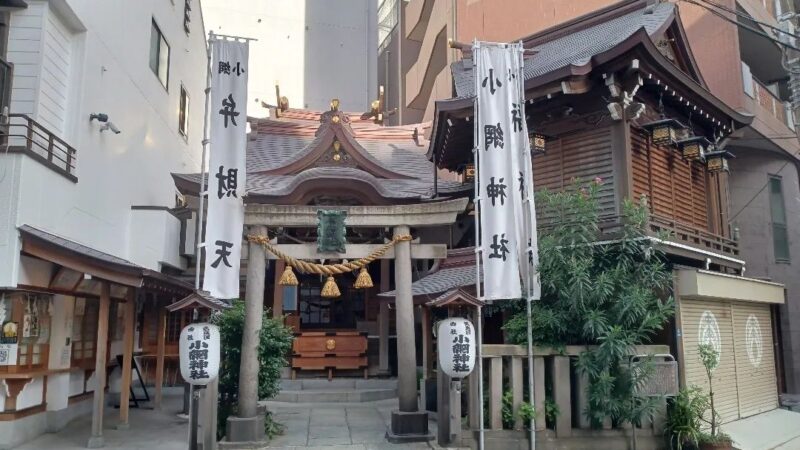
Tōnomine Naito Shrine is located at 1-8 Naito-cho, Shinjuku-ku, Tokyo. Its origins lie in the household deity enshrined within the lower residence of the Naito family of the Takatō Domain, which owned a vast estate on the site of the present-day Shinjuku Gyoen National Garden.
The official name of the shrine is “Tamamine Naito Shrine,” but it is often simply called “Naito Shrine” by locals. It is known as a venerable shrine deeply connected to the history of Shinjuku Gyoen National Garden.
Deities and Beliefs
The main deity enshrined at Tamamine Naito Shrine is Fujiwara no Kamatari. Fujiwara no Kamatari was a politician of the Asuka period and is known as an important figure in Japanese history for achieving the Taika Reforms.
The following deities are enshrined as auxiliary deities:
- Amenokoyane-no-Mikoto: Ancestral deity of the Fujiwara clan
- Futsunushi-no-Mikoto: God of war
- Takemikazuchi-no-Mikoto: God of war
- Hime-Ōkami: Goddess
- Ancestral spirits of the Naito family
These deities have deep connections to the Fujiwara clan and the Naito family, and are believed to bring blessings such as military success, good fortune, and family safety.
History
The exact founding date of Tamumine Naito Shrine is unclear, but it dates back to the early Edo period.
Establishment of the Edo Period
Naito Kiyonari, a senior retainer in the early Edo shogunate, was a close confidant of Tokugawa Ieyasu, who served as Kanto General Magistrate, Edo Town Magistrate, and Senior Councilor. Naito Kiyoshige was granted a vast secondary residence in the area of present-day Shinjuku Gyoen National Garden, and he established a shrine dedicated to Fujiwara no Kamatari within its grounds.
The Naito family is known as the lords of the Takato Domain in Shinano Province (present-day Ina City, Nagano Prefecture), and their Edo secondary residence served as a residence during the sankin-kotai (alternate attendance) system and as an important base for the domain.
Relationship with Tōnomine
The name “Tōnomine” in the shrine’s name originates from Tanzan Shrine (formerly Tōnomine Myōraku-ji Temple) in Sakurai City, Nara Prefecture. Tanzan Shrine is the main shrine dedicated to Fujiwara no Kamatari, and the Naito family invited this deity to Edo, resulting in the name “Tōnomine Naito Shrine.”
Changes after the Meiji Restoration
After the Meiji Restoration, the Naito family’s secondary residence was handed over to the new government, and the land became imperial property, later developed into Shinjuku Gyoen National Garden. The shrine was relocated to its current location and is revered as the local guardian deity.
Although it was formerly an unranked shrine, it enjoys deep reverence from local residents and is still carefully preserved in a quiet residential area.
Highlights of the Shrine Grounds
Shrine Building
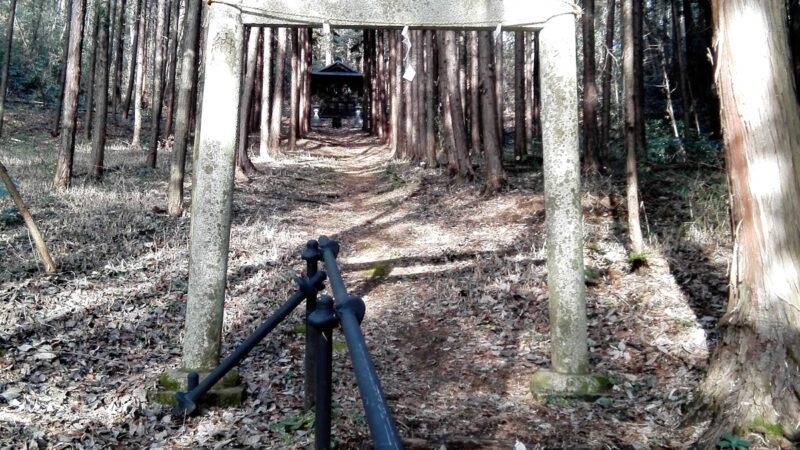
The grounds of Tamumine Naito Shrine are not particularly large, but they are enveloped in a tranquility that is hard to believe exists in the heart of the city. The shrine building is made of wood and, while simple, exhibits a dignified presence.
Stone Monument and Historical Record
Within the grounds, there is a stone monument that records the history of the shrine, allowing visitors to learn about the relationship between the Naito family and Fujiwara no Kamatari, and its historical connection to Shinjuku Gyoen National Garden.
Surrounding Environment
The shrine is located in a residential area and is within walking distance of Shinjuku Gyoen National Garden. A stroll through Shinjuku Gyoen after visiting the shrine is also recommended, allowing you to enjoy a peaceful time away from the hustle and bustle of the city.
Access Information
Access by Train:
- Tokyo Metro Marunouchi Line “Shinjuku Gyoenmae Station”: Approximately 5 minutes on foot from Exit 2
- Tokyo Metro Marunouchi Line “Yotsuya Sanchome Station”: Approximately 10 minutes on foot from Exit 1
- JR Chuo Line “Shinanomachi Station”: Approximately 10 minutes on foot to the northwest
- Toei Shinjuku Line “Shinjuku Sanchome Station”: Approximately 10 minutes on foot from Exits C1 and C5
Address: 1-8 Naito-cho, Shinjuku-ku, Tokyo
There is no dedicated parking lot around the shrine, so we recommend using public transportation.
Goshuin (Shrine Seal) Information
Tamamine Naito Shrine is basically an unmanned shrine. Goshuin are not usually given out as there are no resident priests. Those who wish to keep a memento of their visit should take photographs (photography of the shrine building is permitted).
Points to Note When Visiting
- Visiting Hours: The shrine grounds are always open, but visiting during the quiet hours of early morning or evening is especially recommended.
- Dress Code: There are no specific regulations, but it is advisable to wear clothing that reflects the sacred nature of the place.
- Photography: Photography is permitted on the shrine grounds, but please be considerate of other visitors.
The Complete Picture of Naito Shrine (Kokubunji City)
Basic Information and Location
Naito Shrine in Kokubunji City is located at 4-11-14 Hiyoshicho, Kokubunji City, Tokyo. This shrine is different from the Tamumine Naito Shrine in Shinjuku Ward. It was founded by inviting the deity from Hiyoshi Sanno-gu Shrine in Omi Province (present-day Shiga Prefecture), which is the origin of the place name “Hiyoshicho.”
Deities and Beliefs
The main deity enshrined at Naito Shrine (Kokubunji City) is Oyamakui-no-mikoto. Oyamakui-no-Mikoto is known as the guardian deity of Mount Hiei and is worshipped as the god of mountains and agriculture.
Furthermore, this shrine is also cherished locally as a god of safe childbirth, and many worshippers visit to pray for safe delivery.
History
Founded in the Edo Period
Naito Shrine (Kokubunji City) was founded in Kyoho 19 (1734). It began with the enshrinement of the deity from Hiyoshi Sanno-gu (Hiyoshi Taisha) in Omi Province (present-day Shiga Prefecture).
Hiyoshi Taisha is the head shrine of all Hiyoshi, Hie, and Sanno shrines nationwide and has long been revered as the guardian deity of Mount Hiei. The establishment of Hiyoshi worship in this area of Kokubunji led to the place name becoming “Hiyoshi-cho” (Hiyoshi Town).
Renaming in the Meiji Era
In 1869 (Meiji 2), the shrine was renamed “Naito Shrine.” This renaming is believed to have been related to the Naito family, who ruled the area.
In 1875 (Meiji 8), it was designated a village shrine and officially recognized as the local tutelary deity.
Modern and Contemporary History
Even after the war, it remained a central place of faith for local residents and is still cherished today as the guardian shrine of Hiyoshi-cho. Located in a quiet residential area, it is a beloved shrine deeply rooted in the community.
Highlights of the Shrine Grounds
Main Hall and Worship Hall
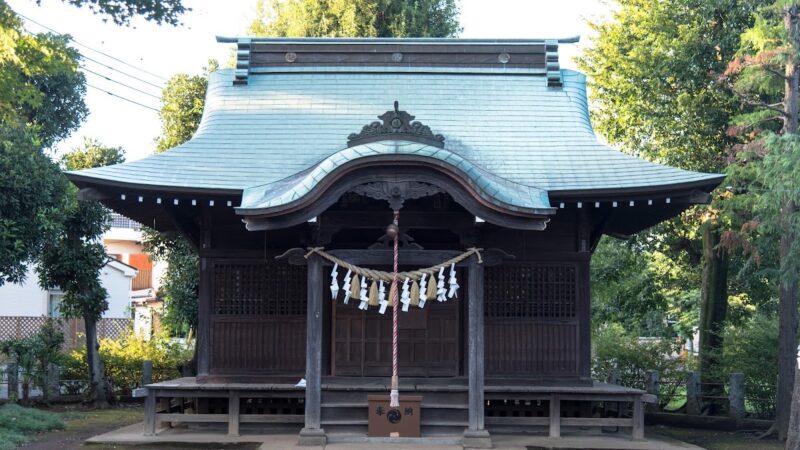
The grounds of Naito Shrine are lush with greenery, offering a tranquil space surrounded by nature despite its urban location. The main hall and worship hall are made of wood, giving them a warm atmosphere befitting a local shrine.
Trees on the Shrine Grounds
The shrine grounds contain many ancient trees, each displaying a different appearance with the seasons. The scenery is particularly beautiful during the fresh green season and the autumn foliage season, allowing visitors to enjoy nature along with their worship. #### Stone Monuments and Lanterns
The shrine grounds are dotted with stone monuments and lanterns that tell the story of history, allowing visitors to feel the history of faith dating back to the Edo period.
Access
Access by Train:
- JR Chuo Line “Kokubunji Station”: Approximately 15 minutes on foot from the North Exit
- Seibu Kokubunji Line/Tamako Line “Kokubunji Station”: Approximately 15 minutes on foot from the North Exit
Access by Bus:
- Take a bus from the North Exit of Kokubunji Station and get off at the “Hiyoshicho” bus stop, then approximately 3 minutes on foot
Address: 4-11-14 Hiyoshicho, Kokubunji City, Tokyo
There is limited parking space around the shrine, so using public transportation is recommended.
Goshuin (Shrine Seal) Information
Naito Shrine (Kokubunji City) offers Goshuin. However, since there may not always be a resident priest, it is recommended to check in advance.
The Goshuin (temple/shrine stamp) bears the shrine’s seal and the date, and is a popular memento for many visitors. You can bring your own Goshuincho (stamp book) or receive a pre-printed Goshuin.
Annual Events
Naito Shrine, as the local guardian shrine, holds the following annual events:
- New Year’s Day Festival: Praying for safety in the new year
- Annual Grand Festival: The shrine’s most important festival, held in autumn
- Shichi-Go-San Festival: Celebrating the growth of children, mainly in November
Many events bring together local residents, and the shrine plays a central role in the community.
Points to Note When Visiting
- Prayer for Safe Childbirth: Known as a deity of safe childbirth, many pregnant women visit this shrine.
- Quiet Environment: Located in a residential area, it offers a peaceful environment for worship.
- Walking Course: The area around Kokubunji Station has many other historical spots, making it a great place to incorporate into your shrine-visiting itinerary.
Comparison of the Two Naito Shrines
The two Naito Shrines in Tokyo have similar names, but each has distinct characteristics and histories.
Main Differences
| Item | Tamumine Naito Shrine (Shinjuku Ward) | Naito Shrine (Kokubunji City) |
|——|———————-|——————|
| Location | Naito-cho, Shinjuku Ward | Hiyoshi-cho, Kokubunji City |
| Main Deity | Fujiwara no Kamatari | Oyamakui no Mikoto |
| Founding | Early Edo period (date unknown) | Kyoho 19 (1734) |
| Origin | Guardian deity of the Naito family of Takato Domain | Invitation from Hiyoshi Sanno Shrine |
| Shrine Rank | Former Unranked Shrine | Former Village Shrine |
| Goshuin (Shrine Seal) | Generally None | Available |
| Features | Historical relationship with Shinjuku Gyoen National Garden | Worshipped as a god of safe childbirth |
How to Choose a Shrine to Visit
Tamumine Naito Shrine is recommended for:
- Planning a visit to the Shinjuku Gyoen area
- Interested in the history of Fujiwara no Kamatari and the Naito family
- Looking for a quiet shrine in the heart of Tokyo
Naito Shrine (Kokubunji City) is recommended for:
- Those wishing to pray for a safe delivery
- Those collecting Goshuin (shrine stamps)
- Those wanting to explore the history around Kokubunji
- Those interested in Hiyoshi faith
Nearby Tourist Spots
Around Tamumine Naito Shrine (Shinjuku Ward)
Shinjuku Gyoen
Shinjuku Gyoen, within walking distance of Naito Shrine, was once the site of the Naito family’s lower residence. The vast garden features a Japanese garden, an English landscape garden, and a French formal garden, allowing visitors to enjoy nature throughout the seasons.
Temples and Shrines around Yotsuya
Around Yotsuya-Sanchome Station, there are numerous historical temples and shrines, including Suga Shrine (a pilgrimage site for the anime “Your Name.”) and Oiwa Inari Tamiya Shrine.
Around Naito Shrine (Kokubunji City)
Musashi Kokubunji Temple Ruins
These are the ruins of Musashi Kokubunji Temple, built during the Nara period, and are designated as a national historic site. Developed as a historical park, it offers a glimpse into ancient times.
Otaka-no-michi and Manzashi-no-ike Spring Water Group
A representative natural spot in Kokubunji City, the “Otaka-no-michi” promenade, where spring water flows, offers beautiful scenery throughout the seasons. It has been selected as one of Tokyo’s 57 Famous Spring Waters.
Kokubunji Yakushi-do Hall
This hall enshrines Yakushi Nyorai, the principal image of Musashi Kokubunji Temple, and is designated as an Important Cultural Property.
Manners and Etiquette for Visiting Shrines
There are basic manners to observe when visiting shrines. Please observe the following manners when visiting both shrines.
Basic Worship Etiquette
- Bow before passing through the torii gate: This is a courtesy before entering the sacred area.
- Avoid the center of the path: The center is considered the path of the gods.
- Purify yourself at the water basin: Purify your left hand, right hand, and mouth in that order.
- Etiquette at the main hall: Two bows, two claps, and one bow are the basic rituals.
- Bow upon leaving: After leaving the torii gate, turn around and bow.
Photography Etiquette
- Photography of the shrine buildings is generally permitted, but photography inside the main hall is prohibited.
- Please be considerate and avoid including other worshippers in your photos.
- It is considered good manners to refrain from taking photos during religious ceremonies.
The Naito Family and the History of Edo
Understanding the history of the Naito family is important for understanding the two Naito shrines.
Naito Kiyonari and Tokugawa Ieyasu
Naito Kiyonari (1555-1608) was a samurai who served as a close confidant of Tokugawa Ieyasu. Originally from Mikawa Province (present-day Aichi Prefecture), he accompanied Ieyasu upon his entry into the Kanto region and contributed to the development of Edo.
The Naito Family of Takato Domain
The Naito family served as lords of the Takato Domain in Shinano Province (present-day Ina City, Nagano Prefecture) throughout the Edo period. With a stipend of 33,000 koku, they held important positions in the shogunate as hereditary daimyo.
Origin of the Name “Shinjuku”
One theory suggests that the name “Shinjuku” originates from the formation of a new post town around the Naito family’s secondary residence. This area, which developed as Naito Shinjuku, became the foundation of present-day Shinjuku.
Summary: Visit the Naito Shrines in Tokyo
The two Naito Shrines located in Tokyo each possess different histories and charms.
Tamamine Naito Shrine (Shinjuku Ward) is a valuable shrine dedicated to Fujiwara no Kamatari, preserving the history of the Naito family of the Takato Domain and the origins of Shinjuku Gyoen National Garden. Despite its central location in the city, the tranquil grounds offer a perfect place to escape the hustle and bustle of everyday life and find peace of mind.
Naito Shrine (Kokubunji City) is a shrine deeply rooted in the community, preserving the Hiyoshi faith and revered as a deity of safe childbirth. It’s an ideal place to visit as part of a historical walk through Kokubunji.
Both shrines are important for understanding the history of Tokyo and are carefully preserved in their respective communities. When visiting Shinjuku or Kokubunji, why not take a visit to these Naito Shrines and spend some time finding peace in their serene sacred spaces?
Naito Shrine, preserving history and tradition amidst the urban clamor, offers a quiet respite from the modern world, reminding us of the importance of Japanese spiritual culture.