Toyokashima Shrine (Higashiyamato City, Tokyo) Complete Guide | Tokyo’s Oldest Muromachi Period Architecture and Goshuin Information
Toyokashima Shrine, located in Imokubo, Higashiyamato City, Tokyo, is a historical shrine boasting the only and oldest existing Muromachi period shrine architecture in Tokyo. Affectionately known locally as “Kashima-sama,” this shrine, with a history of over 1300 years, possesses numerous valuable cultural assets, including its main hall, which is designated as a Tokyo Metropolitan Tangible Cultural Property.
This article provides a detailed explanation of Toyokashima Shrine’s history, cultural assets, goshuin information, access methods, and annual festival information—all essential information before visiting.
History and Origins of Toyokashima Shrine
Origin of Founding
According to shrine tradition, Toyokashima Shrine was founded in the summer of August, in the 4th year of Keiun (707 AD) during the Asuka period. It is said to have been founded by the fourth daughter of Emperor Tenji (the 38th emperor) and Soga no Kurayamada Ishikawa Maro, and is known as the oldest shrine in Higashiyamato City.
From its inception, it had a deep connection with Kashima Shrine in Hitachi Province (present-day Ibaraki Prefecture), and was formerly known as “Kashima Daimyojin.” After the Meiji Restoration’s separation of Shinto and Buddhism, it was renamed to its current name, “Toyokashima Shrine.”
Deity Enshrined
The enshrined deity of Toyokashima Shrine is Takemikazuchi-no-Mikoto. Takemikazuchi-no-Mikoto is known in Japanese mythology as a god of war who successfully negotiated the transfer of the land, and is believed to bestow blessings of good fortune, protection from evil, and prosperity.
The enshrinement of Takemikazuchi-no-Mikoto, who is also the principal deity of Kashima Shrine, suggests ancient exchanges between this region and Hitachi Province.
History of Inokubo Village, Tō-gun, Musashi Province
The Imokubo area, where Toyokashima Shrine is located, was formerly known as Inokubo Village, Tō-gun, Musashi Province. The place name “Imokubo” is believed to be a variation of “Inokubo,” reflecting the region’s long history.
In the Middle Ages, it served as the village’s guardian shrine, becoming the center of faith for local residents and playing an important role as a place to pray for safety in agriculture and daily life.
Basic Information about Toyokashima Shrine
Location and Contact Information
- Address: 1-2067 Imokubo, Higashiyamato City, Tokyo
- Phone Number: 042-561-2858
- Postal Code: 207-0033
Visiting Hours and Admission Fee
- Visiting Hours: Grounds are freely accessible (Shrine office hours are irregular)
- Admission Fee: Free
- Parking: Available (several spaces)
Shrine Office Hours
Since the shrine office hours are irregular, it is recommended to call in advance if you wish to receive a Goshuin (shrine stamp) or want to confirm detailed information. Please note that the office may be closed, especially on weekdays.
Access Methods
Access by Train
To reach Toyokashima Shrine, it is convenient to use the Tama Monorail or the Seibu Haijima Line.
If using the Tama Monorail:
- Get off at Kamikitadai Station on the Tama Monorail
- Approximately 5 minutes on foot from the station
- The easiest route to access
If using the Seibu Haijima Line:
- Get off at Higashiyamato Station on the Seibu Haijima Line
- Approximately 15 minutes by bus from the station, then on foot
- Or approximately 25 minutes on foot from the station
Access by Bus
If using Seibu Bus, take a bus bound for “Imokubo” from Higashiyamato Station, get off at the nearest bus stop, and walk for a few minutes. Since the number of buses is limited, it is recommended to check the timetable in advance.
Access by Car
- From Ome-kaido towards Shin-Ome-kaido
- Enter “1-2067 Imokubo, Higashiyamato City, Tokyo” into your car navigation system
- There are several parking spaces on the shrine grounds
- During events such as the annual festival, the shrine may be crowded, so using public transportation is recommended.
Cultural Properties
Toyokashima Shrine is known for possessing numerous valuable cultural properties. In particular, the main hall is the oldest existing shrine building in Tokyo and is designated as a Tokyo Metropolitan Cultural Property.
Main Hall (Tokyo Metropolitan Designated Tangible Cultural Property)
The greatest highlight of Toyokashima Shrine is the main hall, built in Bunsho 1 (1466). As a building from the mid-Muromachi period, it is the only and oldest existing shrine building in Tokyo and is designated as a Tokyo Metropolitan Tangible Cultural Property (building).
Architectural Style Characteristics
- Ikkensha Nagare-zukuri: A Nagare-zukuri style with a single bay at the front.
- Kokera-buki: A roof made of layered thin wooden planks.
- Round Pillars: The pillars are composed of round pillars.
- A medieval shrine architectural style with extremely few surviving examples in the Kanto region.
Dismantling, Repair, and Discovery of the Ridgepole Inscription
During dismantling and repair work carried out over two years starting in 1992, a ridgepole inscription was newly discovered, stating that the shrine was built in Bunsho 1 (1466) by the carpenter Jiro Saburo Chikayoshi. This discovery confirmed the exact construction date of the main hall and academically proved that it is the oldest shrine architecture in Tokyo.
Kashima’s Great Zelkova Tree (Sacred Tree)
Within the shrine grounds stood a giant tree known as “Kashima’s Great Zelkova Tree.” The tree, with a trunk approximately 7.5 meters in circumference, was a giant estimated to be several hundred years old, but it has now withered and died. However, a portion of the trunk remains, allowing us to imagine its former glory, and it is carefully preserved as a testament to the long history of the shrine.
The sacred tree is considered a place where the spiritual power of the shrine resides, and many worshippers offer their prayers there.
Lion Heads and Wooden Komainu
Toyokashima Shrine also preserves ancient lion heads and wooden komainu. These are believed to have been used in the shrine’s festivals and are valuable historical artifacts that convey the local folk culture.
They are usually stored away and not open to the public, but they may be viewable on special occasions such as the annual festival.
Other Cultural Assets
Throughout the shrine grounds are stone monuments and lanterns dating from the Edo to Meiji periods, allowing visitors to feel the history of the region. In particular, the stone lanterns along the approach to the shrine bear the names and dates of donors, testifying to the deep faith of the local residents.
Goshuin (Shrine Seals) and Goshuincho (Shrine Seal Books)
About Goshuin
Toyokashima Shrine offers Goshuin. The Goshuin includes the shrine’s name and the date of visit, and is stamped with the shrine’s seal.
Basic Information on Goshuin
- Offering Fee: Approximately 300-500 yen (subject to change)
- Location of Issuance: Shrine Office
- Reception Hours: Irregular (prior confirmation recommended)
Since the shrine office is often unattended, it is recommended to call ahead to confirm before visiting if you wish to be sure to receive a Goshuin.
Goshuincho (Shrine Seal Books)
Information regarding Toyokashima Shrine’s original Goshuincho is limited. Please inquire directly at the shrine office during your visit regarding the availability of Goshuincho.
Annual Festival and Regular Events
Annual Festival
Toyokashima Shrine’s annual festival is held over two days, starting on the second Saturday of September each year. Locally known as “Kashima-sama’s Festival,” it attracts many worshippers.
Highlights of the Grand Festival
- Mikoshi (portable shrine) procession
- Dedication ceremonies by local residents
- Stalls
- Performances of traditional arts
Even in the Reiwa era, the festival is held grandly while preserving local traditions, making it an important annual event in the Imokubo district.
Other Annual Events
- Hatsumode (First Shrine Visit of the Year): January 1st-3rd
- Setsubun Festival: Around February 3rd
- Natsukoshi no Harae (Summer Purification Ceremony): June 30th
- Shichi-Go-San (Children’s Festival): November
For details on each event, please contact the shrine directly.
Highlights of the Shrine Grounds
Haiden (Worship Hall)
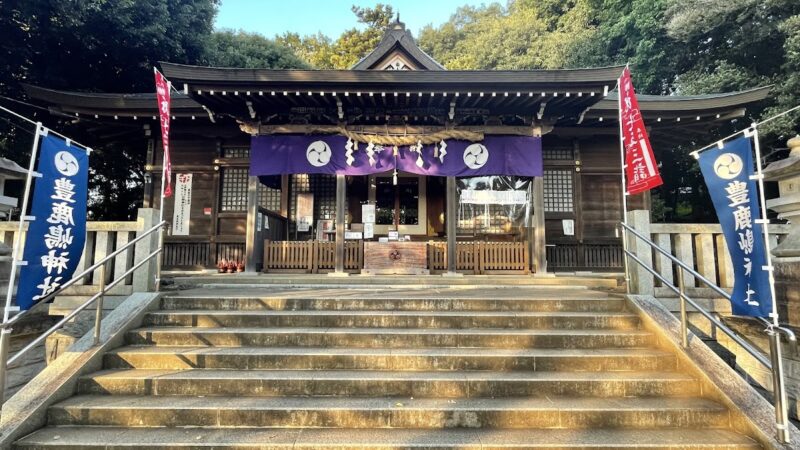
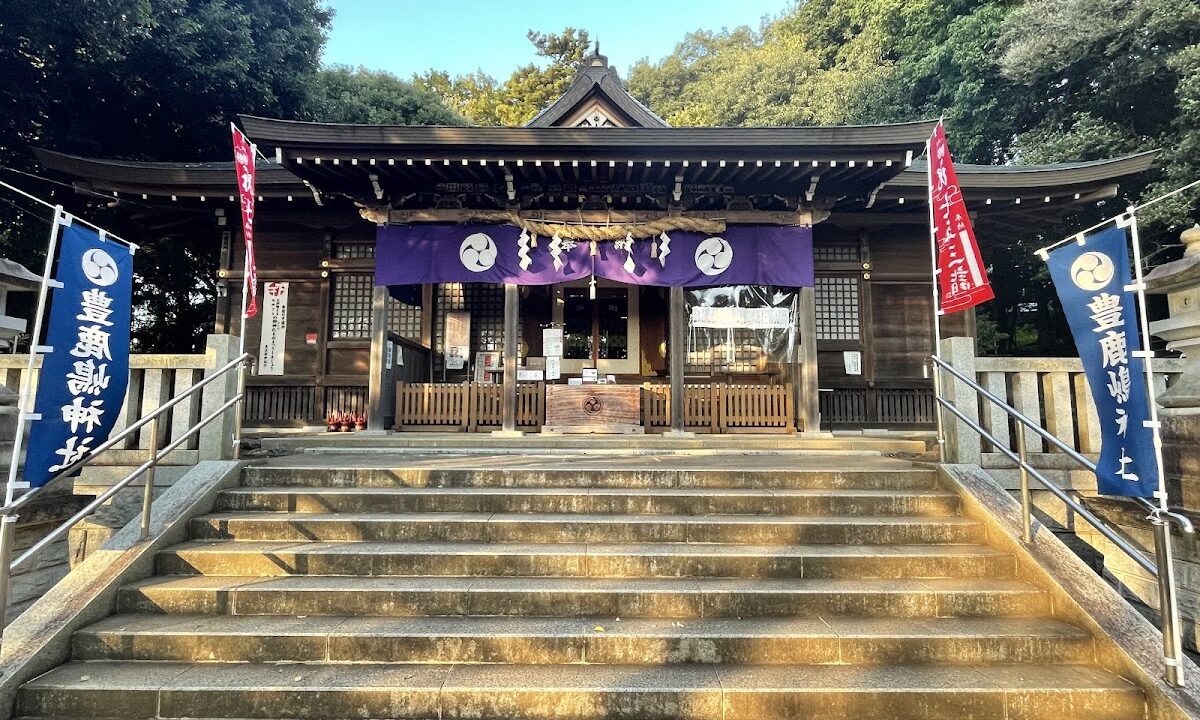
Located in front of the main shrine, the Haiden is where worshippers offer their prayers. Although a newer building than the main shrine, it maintains the traditional style of shrine architecture.
Water Basin
A water basin is located along the approach to the shrine, where you can purify yourself before praying. Please follow the proper etiquette and purify your hands and mouth before praying.
Shrine Name Marker and Torii Gate
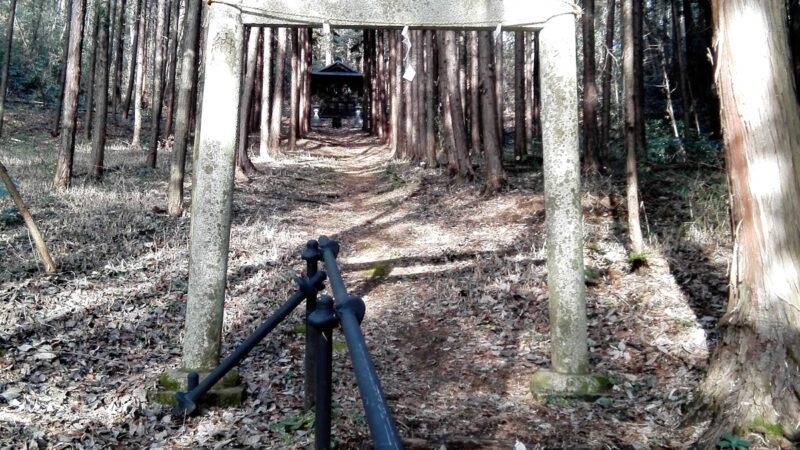
A magnificent shrine name marker and torii gate stand at the entrance to the shrine grounds. It is customary to bow before passing through the torii gate.
Atmosphere of the Shrine Grounds
The shrine grounds are enveloped in a tranquil atmosphere, a space that allows you to forget the hustle and bustle of the city. Especially visiting in the early morning allows you to calm your mind in the refreshing air.
Nearby Tourist Attractions
Higashiyamato City Local History Museum
The Higashiyamato City Local History Museum, within walking distance of Toyokashima Shrine, offers a chance to learn about the local history and culture. Materials related to Toyokashima Shrine are also on display, and visiting in conjunction with your visit will deepen your understanding.
Sayama Green Space
The surrounding area is the natural beauty of the Sayama Hills, perfect for hiking and strolling. This is an environment where you can refresh your mind and body while experiencing the changing seasons.
Nearby Shrines and Temples
There are many other historical shrines and temples scattered throughout Higashiyamato City. For those who enjoy visiting shrines, planning to visit several temples and temples is recommended.
Manners and Precautions for Worship
Basic Worship Etiquette
- Bow before passing through the torii gate.
- Walk avoiding the center of the approach to the shrine.
- Cleanse your hands and mouth at the water basin.
- Bow twice, clap twice, and bow once in front of the main hall.
Photography
Photography is generally permitted on the shrine grounds, but there may be restrictions on photographing the interior of the main hall or cultural artifacts. Please check before taking photos and be considerate of other worshippers.
Dress Code
There are no specific dress code regulations, but please be mindful that this is a sacred place and dress appropriately for worship.
The Charm of Toyokashima Shrine
Historical Value
The greatest charm of Toyokashima Shrine is that it possesses the only and oldest existing Muromachi period shrine architecture in Tokyo. The main hall, built in 1466 (Bunsho 1), boasts a history of approximately 560 years and is a valuable cultural asset that conveys medieval architectural techniques to the present day.
Quiet Worship Environment
Located in Imokubo, Higashiyamato City, away from the city center, it offers a quiet and peaceful environment for worship. It’s a space where you can escape the hustle and bustle, calm your mind, and offer your prayers at your own pace.
Community-Rooted Faith
With a history of over 1300 years, Toyokashima Shrine, affectionately known as “Kashima-sama” by locals, is deeply rooted in the lives of the local residents. Through events such as the annual festival, it also plays a role in strengthening the bonds of the local community.
Photo Spots at Toyokashima Shrine
Main Hall
The main hall, the oldest shrine architecture in Tokyo, is a must-see photo spot. You can see the architectural style of the Muromachi period up close.
Approach to the Shrine
The approach to the shrine, surrounded by trees, shows different expressions in each of the four seasons. Beautiful photos can be taken especially during the seasons of fresh greenery and autumn leaves.
Site of the Sacred Tree
A part of the trunk of the Kashima Great Zelkova tree remains, making it a photo spot that evokes the history of the shrine.
Summary
Toyokashima Shrine is a historical shrine located in Imokubo, Higashiyamato City, Tokyo, and boasts the only and oldest existing Muromachi period shrine architecture in Tokyo. It is said to have been founded in 707 (Keiun 4), and the main hall, built in 1466 (Bunsho 1), is designated as a Tokyo Metropolitan Tangible Cultural Property.
The enshrined deity is Takemikazuchi-no-Mikoto, and it is affectionately known as “Kashima-sama” by the locals. It is easily accessible, just a 5-minute walk from Kamikitadai Station on the Tama Monorail, and is a valuable shrine where you can feel history and culture in a quiet environment.
While Goshuin (temple/shrine stamps) are available, the shrine office’s hours are irregular, so prior confirmation is recommended. The annual grand festival, held on the second Saturday of September each year, preserves local traditions.
This shrine offers a rare opportunity to see medieval shrine architecture within Tokyo, making it a must-visit for history buffs and those who enjoy visiting shrines.
Frequently Asked Questions (FAQ)
Q1: Why is Toyokashima Shrine’s main hall the oldest in Tokyo?
A1: Toyokashima Shrine’s main hall is a Muromachi period building constructed in 1466 (Bunsho 1). The construction date was confirmed by a ridge beam inscription discovered during dismantling and repair in 1992. As the oldest and only existing Muromachi period shrine building in Tokyo, it is designated as a Tokyo Metropolitan Tangible Cultural Property.
Q2: Can I get a Goshuin anytime?
A2: Toyokashima Shrine’s office operates irregularly. If you definitely want to receive a Goshuin (temple/shrine stamp), we recommend calling ahead (042-561-2858) to confirm before visiting. Please note that staff are often absent, especially on weekdays.
Q3: Is there parking available?
A3: There are a few parking spaces on the shrine grounds. However, it may get crowded during events such as the annual festival, so we recommend using public transportation. It’s easily accessible, about a 5-minute walk from Kamikitadai Station on the Tama Monorail.
Q4: When is the annual festival held?
A4: The annual festival of Toyokashima Shrine is held over two days, starting on the second Saturday of September each year. You can enjoy traditional festival activities such as the procession of the portable shrine and offerings by local residents. It is affectionately known locally as “Kashima-sama’s Festival.”
Q5: Can I see inside the main hall?
A5: The main hall is designated as a Tokyo Metropolitan Tangible Cultural Property, so normally only the exterior can be viewed. Except for special occasions, the interior is not open to the public. For details, please contact the shrine directly. Even from the exterior, you can fully appreciate the architectural style of the Muromachi period.