Complete Guide to Hagiyama Hachiman Shrine (Higashimurayama City, Tokyo): History, Deities, Access, and Festival Information
Hagiyama Hachiman Shrine is a historic shrine located in Hagiyama-cho, Higashimurayama City, Tokyo. Quietly nestled within a residential area, it attracts the faith of local residents, and its spring festival is bustling with many worshippers. This article provides detailed information about Hagiyama Hachiman Shrine, including its deities, history, access methods, festivals and rituals, and points to consider when visiting.
Basic Information about Hagiyama Hachiman Shrine
Location and Access
Address: 2-21-6 Hagiyama-cho, Higashimurayama City, Tokyo 189-0012
Nearest Station:
- Approximately 7 minutes on foot from Hagiyama Station on the Seibu Tamako Line
- Approximately 15 minutes on foot from Kumegawa Station on the Seibu Shinjuku Line
From Hagiyama Station, you can reach the shrine on foot through the residential area. Located southeast of the station, the shrine sits in a quiet residential area. Several other shrines, including Yasaka Shrine, are scattered nearby, making it easily accessible for shrine-hopping visitors.
Deity and Divine Virtues
The deity enshrined at Hagiyama Hachiman Shrine is Emperor Ōjin. Emperor Ōjin was the 15th Emperor and is worshipped as Hachiman-sama at Hachiman shrines throughout Japan.
Divine Virtues:
- Long-lasting Military Fortune and Victory: Due to his nature as a god of war, prayers are offered for success in competitions and passing exams.
- National Peace and Security and Protection from Evil and Good Fortune: Faithful as a god who protects the country.
- Prosperity of Descendants and Safe Childbirth: As a god who protects the imperial line, he is believed to grant blessings for fertility and safe childbirth.
- Industrial Development: Guardian deity of agriculture, commerce, and other industries.
Hachiman-sama is said to be worshipped at approximately 44,000 shrines nationwide, making him one of the most widely worshipped deities in Japan. Hagiyama Hachiman Shrine has long been revered as a guardian deity of the region.
History of Hagiyama Hachiman Shrine
Founding and History
The founding date of Hagiyama Hachiman Shrine is unknown. While it is certain that it has been worshipped as “Hachiman-gu” at its current location since ancient times, no detailed historical records indicating its origins or founding date remain.
Initially, it is believed to have been only a small stone shrine, and the simple faith was preserved by the local people. It is thought to have functioned as a central place of worship for the village community from the Edo period to the Meiji period.
Connection to the Community
The place name Hagiyama is said to originate from the fact that many hagi (bush clover) trees once grew naturally in this area. In those days, when it was an agricultural area, Hachiman Shrine was closely intertwined with the lives of the local residents as a place to pray for a bountiful harvest and as the guardian deity of the village.
Even after the Meiji-era separation of Shinto and Buddhism, the faith in the local tutelary deity continued, and it continues to be carefully preserved by the local people to this day. Although the surrounding area has transformed into a residential area due to post-war urbanization, the shrine remains a spiritual center for the community.
Highlights of the Shrine Grounds
Main Hall and Worship Hall
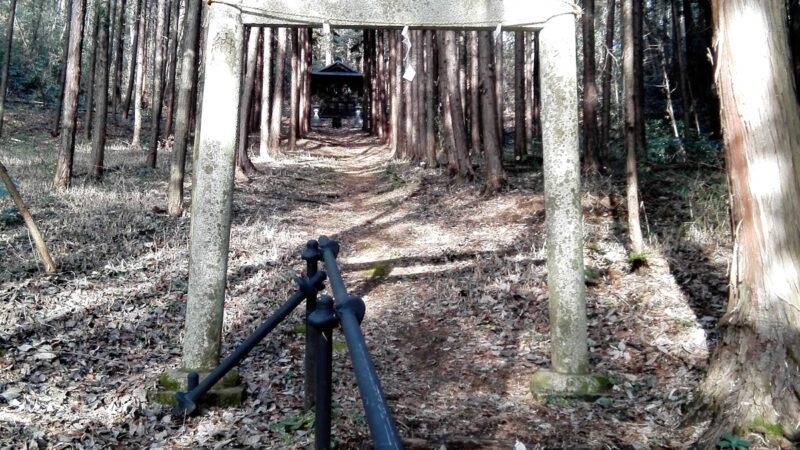
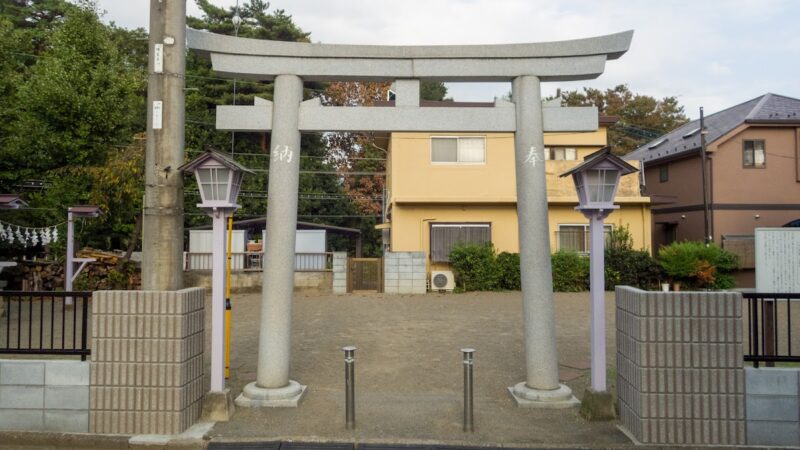
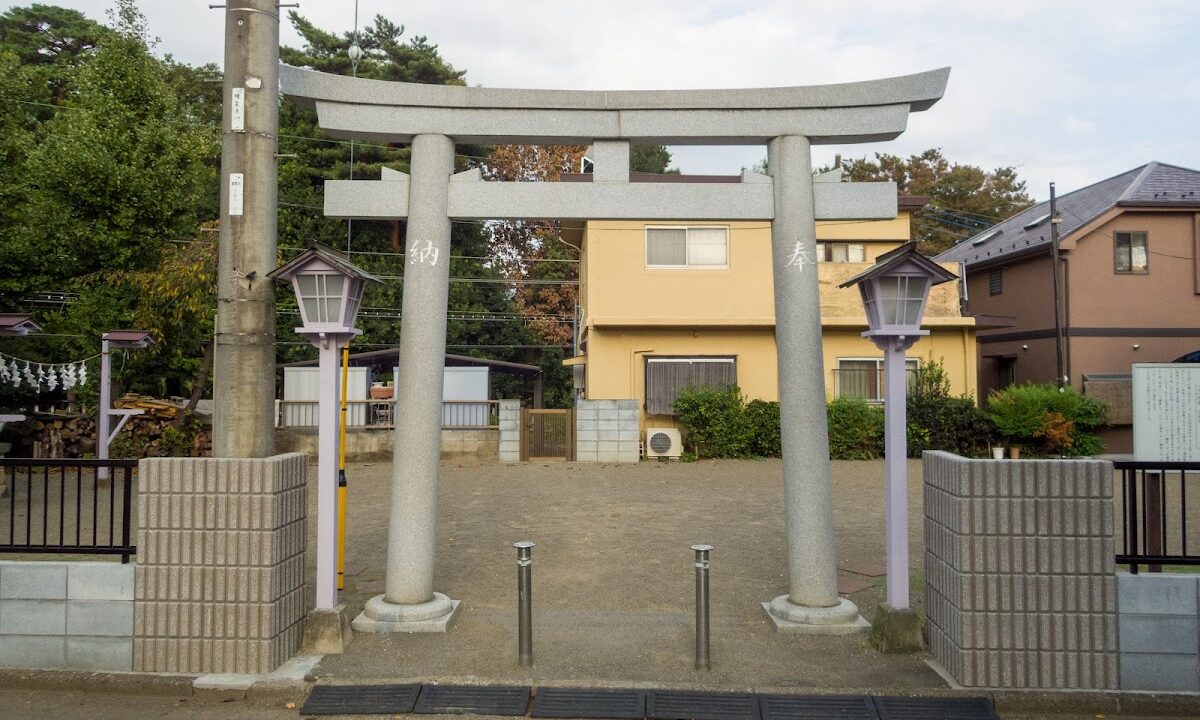
The grounds of Hagiyama Hachiman Shrine maintain a tranquil atmosphere despite being located in a residential area. While small, the grounds are meticulously maintained, reflecting the deep faith of the local residents.
The worship hall is a traditional wooden structure, simple yet dignified. The main hall is located behind the worship hall and enshrines Emperor Ojin.
Atmosphere of the Shrine Grounds
Trees are planted throughout the grounds, creating a green space despite being in an urban area. The fresh greenery is particularly beautiful from spring to early summer, and the autumn foliage is also a delight.
Because it is located in a quiet residential area, visitors can pray in a peaceful state of mind. The sight of local residents visiting regularly demonstrates the shrine’s deep roots in their lives.
Shrine Office and Goshuin (Shrine Seals)
The shrine office may not be open all the time. If you wish to receive a Goshuin, it is recommended to check in advance. As with many small shrines, they may be able to accommodate requests on special days such as the annual festival.
Annual Festival and Rituals
Annual Festival Date
The annual festival of Hagiyama Hachiman Shrine is held every year on April 27th. The annual festival is the most important festival for the shrine, a ritual to express gratitude to the enshrined deity and to pray for the peace and prosperity of the community.
Contents of the Grand Festival
During the grand festival, Shinto rituals such as the recitation of prayers by the priests and the offering of sacred branches are solemnly performed. Local parishioners and devotees attend to pray for peace throughout the year.
Although not large in scale, the festival, held in a warm atmosphere rooted in the community, is a valuable experience for participants. In some years, a portable shrine is carried out, and it is a traditional event that is passed down in the community.
Other Annual Events
In addition to the annual festival, the following annual events may also be held:
- Hatsumode (January 1st-3rd): New Year’s visit to the shrine
- Setsubun-sai (around February 3rd): Exorcism rituals such as bean-throwing
- Natsukoshi no Oharae (June 30th): A Shinto ritual to purify oneself of sins and impurities accumulated over the past six months
- Shichi-Go-San (around November 15th): Celebrating the growth of children
- Toshikoshi no Oharae (December 31st): A Shinto ritual to purify oneself of sins and impurities accumulated over the past year
For specific details regarding these events, we recommend contacting the shrine directly.
Manners and Points for Visiting a Shrine
Basic Shrine Visit Etiquette
Here’s a guide to the basic etiquette for visiting a shrine:
- Bow before passing through the torii gate: This is a sign of respect before entering the sacred area.
- Walk along the edge of the path: The center is considered the path for the gods.
- Purify yourself at the water basin:
- Hold the ladle in your right hand and purify your left hand.
- Switch the ladle to your left hand and purify your right hand.
- Hold the ladle in your right hand again, receive water in your left hand, and rinse your mouth.
- Purify your left hand again.
- Hold the ladle upright and purify the handle.
- Worship at the main hall:
- Place your offering.
- Bow twice, clap twice, and bow once (bowing deeply twice, clapping twice, bowing deeply once).
- Bow once after leaving the torii gate, turning around.
Attire for Visiting the Shrine
While casual attire is acceptable, please dress neatly and respectfully, as you are visiting a deity. Especially when attending religious ceremonies such as annual festivals, a suit or formal attire is preferable.
Photography
Photography is generally permitted within the shrine grounds, but restrictions may apply inside the main hall or during religious ceremonies. Please be considerate of other worshippers and shrine officials, and observe proper etiquette when taking photos.
Nearby Shrines and Temples
There are other shrines and temples you can visit near Hagiyama Hachiman Shrine:
Yasaka Shrine
This shrine is approximately a 20-minute walk from Hagiyama Hachiman Shrine. It enshrines Susanoo-no-Mikoto and is known for its blessings of protection against misfortune and disease. Many people visit both Hagiyama Hachiman Shrine and Yasaka Shrine.
Temples and Shrines in Higashimurayama City
There are many other temples and shrines in Higashimurayama City. Collecting temple stamps (Goshuin) while touring the city is a fun experience. Historic temples such as Shofuku-ji (famous for its National Treasure, the Sen-tai Jizo-do Hall) and Tokuzo-ji are scattered throughout the area.
Attractions of Higashimurayama City
History and Culture
Higashimurayama City is located in the northwestern part of Tokyo and is one of the core cities of the Tama region. It developed as an agricultural area in ancient times, and while it now has the characteristics of a residential city, it retains a lush green environment.
It is also known as the birthplace of Ken Shimura, and the “Higashimurayama Ondo” is a beloved part of the city’s culture. Furthermore, historical cultural assets such as the National Treasure, Shofuku-ji Sen-tai Jizo-do Hall, are preserved here.
Access and Convenience
The Seibu Shinjuku Line, Seibu Kokubunji Line, and Seibu Tamako Line run through the city, providing excellent access to central Tokyo. The area around Hagiyama Station is a quiet residential area, yet it also has a wealth of commercial facilities, making it a comfortable place to live.
Inquiries about Hagiyama Hachiman Shrine
For detailed information about Hagiyama Hachiman Shrine, including the dates of the annual festival and information regarding Goshuin (shrine stamps), please contact:
Information can be obtained through the Tokyo Metropolitan Shrine Association, Kita-Tama Branch. Information may also be available from local parishioners’ representatives or the cultural property department of Higashimurayama City.
If you plan to visit directly, please be considerate of the surrounding residents, as the shrine is located in a residential area. In particular, please refrain from visiting early in the morning or late at night, and visit during reasonable hours.
Visitor Feedback
The following are comments from people who have actually visited Hagiyama Hachiman Shrine:
- “A quiet shrine nestled in a residential area. You can tell it’s cherished by the local community.”
- “Its easy access, within walking distance from Hagiyama Station, is a major draw. You can visit while taking a stroll.”
- “I visited on the day of the annual festival and felt the warm atmosphere of the community.”
- “Although small, it is well-maintained, and I felt refreshed after my visit.”
Summary of Visiting Hagiyama Hachiman Shrine
Hagiyama Hachiman Shrine is a historical shrine that has been revered by the local community for a long time, although its founding date is unknown. It enshrines Emperor Ojin as its main deity and offers blessings for military success, protection from evil, good fortune, and prosperity of descendants.
With its easy access (7-minute walk from Hagiyama Station on the Seibu Tamako Line), its tranquil atmosphere in a quiet residential area, and its annual festival held on April 27th, it is a small but charming shrine.
When you visit Higashimurayama City, be sure to stop by Hagiyama Hachiman Shrine and experience the atmosphere of this deeply rooted place of worship. You’ll be able to escape the hustle and bustle of everyday life and enjoy a peaceful and calming time.
Visiting a shrine is a valuable opportunity to experience traditional Japanese culture. By observing proper etiquette and showing respect, you can have a deeper experience. We hope your visit to Hagiyama Hachiman Shrine will be a memorable one.