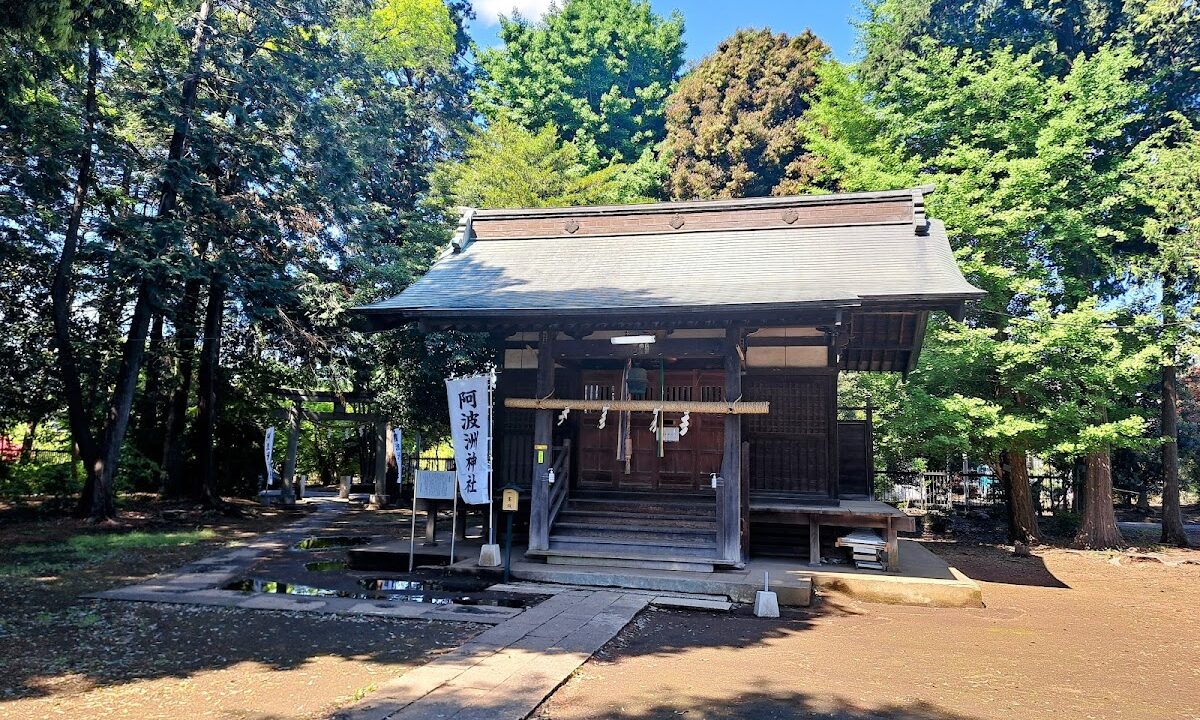
Awashima Shrine (Nishitokyo City, Tokyo) Complete Guide | History, Deities, and Access Information
Awashima Shrine, located in Shinmachi, Nishitokyo City, Tokyo, is a historical shrine founded in the mid-Edo period. It is a valuable site that conveys the history of the Musashino Shinden development and is cherished by the local people. This article provides detailed information useful for visitors, including the history of Awashima Shrine, its enshrined deities, annual festivals, and access methods.
Basic Information about Awashima Shrine
Awashima Shrine is located in Shinmachi 2-chome, Nishitokyo City, and is managed as a subsidiary shrine of Tanashi Shrine.
Location and Access
Location: 2-7-24 Shinmachi, Nishitokyo-shi, Tokyo 202-0023
Nearest Station: Approximately 15-25 minute walk from the North Exit of Tanashi Station on the Seibu Shinjuku Line
Inquiries: TEL 042-461-4442 (Tanashi Shrine)
From Tanashi Station, exit the North Exit and head towards Ome Kaido, passing through a residential area. Using a map app should help you arrive without getting lost.
Annual Festival
The annual festival is held on September 13th every year. Local parishioners and devotees gather to continue preserving tradition.
History of Awasu Shrine
Founded in the Mid-Edo Period
Awasu Shrine is believed to have been founded in the second year of the Hōreki era (1752). This falls within the mid-Edo period, and the fact that a clear founding date is recorded makes it a shrine of high historical value.
Initially, it was established as “Awashima Myojin.” Awashima faith is known for its prayers for the healing of women’s diseases and safe childbirth, and Awashima Shrines exist throughout Japan. It is believed that Awashima Shrine was founded as part of this faith.
Relationship with the Kamihoya Shinden Development
The background to the founding of Awashima Shrine lies in the development of Kamihoya Shinden, which began in 1736 (Kyoho 21). The Kyoho era (1716-1736) was a period when Tokugawa Yoshimune’s Kyoho Reforms were being implemented, and new land development was actively promoted.
Kamihoya Shinden was developed as one of the Musashino Shinden, and Awashima Shrine was founded as a spiritual pillar for the settlers and as the guardian deity of the region. It was founded approximately 16 years after the start of development, which is thought to be a time when the new land development was somewhat on track and a settlement had formed.
Historical Background of Musashino Shinden Development
The Musashino Plateau had poor water resources, and until the early Edo period, it was largely wilderness. However, with the increasing demand for food due to the growing population of Edo, and the development of irrigation systems such as the Tamagawa Aqueduct (completed in 1653), the development of new rice fields in Musashino began in earnest.
From the Kyoho era to the Horeki era, many new rice fields were developed in the area around present-day Nishitokyo City. Kamihoya Shinden was one of them, and the settlers struggled against the harsh natural environment to clear the land for farming.
Awasu Shrine can be considered a valuable cultural asset that conveys this history of development to the present day.
About the Enshrined Deities
Awasu Shrine enshrines two deities.
Prince Takamochi
Prince Takamochi was a member of the imperial family in the early Heian period and a great-grandson of Emperor Kanmu. He was demoted to commoner status and granted the surname Taira, and is known as Taira no Takamochi. Prince Takamochi was appointed Governor of Kazusa Province and moved to the Kanto region. His descendants, as the Bando Taira clan, expanded their power throughout the Kanto region and became the ancestors of the Taira clan, leading to Taira no Masakado, Taira no Tadatsune, and later Taira no Kiyomori.
Several shrines dedicated to Prince Takamochi exist in the Kanto region, particularly in Chiba and Ibaraki prefectures. While there are no clear records explaining why Prince Takamochi is enshrined at Awasu Shrine, it is thought to be related to the historical connection between Musashi Province and the Kanto Taira clan, or perhaps to the origins of the settlers.
Sukunahikona-no-Mikoto
Sukunahikona-no-Mikoto is a deity appearing in Japanese mythology, known for his role in nation-building alongside Okuninushi-no-Mikoto. He is also worshipped as the god of medicine, hot springs, and sake brewing, and is depicted as a small god with exceptional wisdom and skill.
Given his characteristics as a god associated with agricultural technology and pioneering, it makes sense that he would be enshrined as the guardian deity of newly developed rice fields. Furthermore, Sukunahiko-no-Mikoto is sometimes syncretized with Awashima-no-Kami, making him a fitting deity to be enshrined at Awashima Shrine, where he was invited as “Awashima Myojin.”
What the Two Enshrined Deities Represent
The combination of Takamochi-no-Ō and Sukunahiko-no-Mikoto can be said to symbolize the origins of Kamihoya Shinden, representing the history of Kanto development (Takamochi-no-Ō) and the protection of agriculture and development (Sukunahiko-no-Mikoto).
Highlights of Awashima Shrine
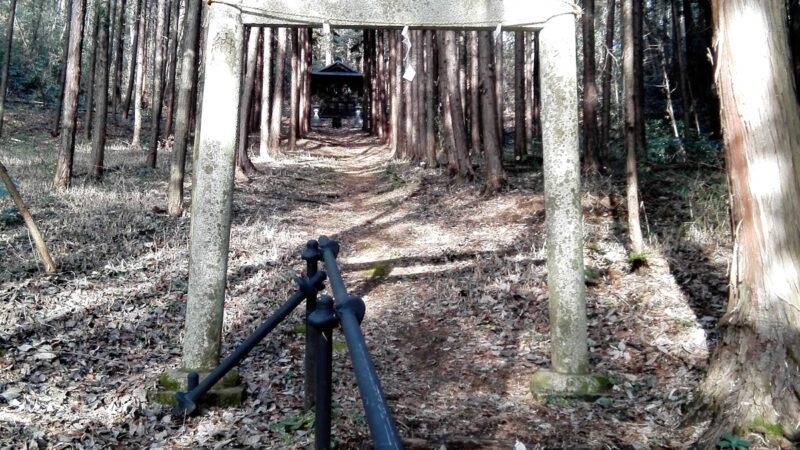
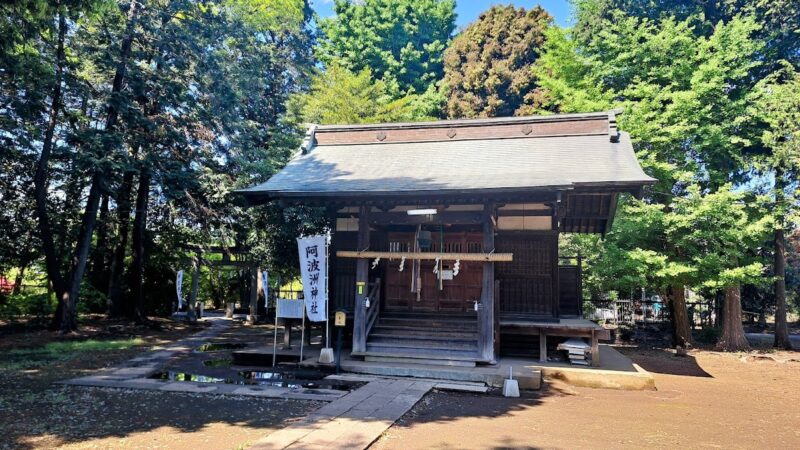
Shrine Grounds Nestled in a Quiet Residential Area
Awashima Shrine is located in a quiet residential area of Nishitokyo City. While not a large shrine, it is characterized by a warm, community-oriented atmosphere.
The grounds are well-maintained, reflecting the continued faith of the local people. It offers a peaceful space for worship, away from the hustle and bustle of the city.
Relationship with Tanashi Shrine
Awasu Shrine is managed as a subsidiary shrine of Tanashi Shrine. Tanashi Shrine is one of the representative shrines of Nishitokyo City and is a prestigious shrine known for its dragon god worship.
If you wish to obtain a Goshuin (shrine stamp) or amulet, it is best to inquire at Tanashi Shrine. Tanashi Shrine is also within walking distance of Awasu Shrine, so visiting both is recommended.
Manners and Etiquette for Worship
Basic Worship Etiquette
- Bow before passing through the torii gate: As a sign of respect before entering the sacred area, bow before the torii gate.
- Walk along the edge of the approach: The center of the approach is considered the path of the gods, so walk along the edge.
- Purify yourself at the water basin: If there is a water basin, purify your left hand, right hand, and mouth in that order.
- Etiquette at the main hall: Two bows, two claps, and one bow are the basic rituals. Place your offering in the offering box, ring the bell, bow deeply twice, clap your hands twice, and finally bow once more.
- Bow upon leaving: When leaving the torii gate, turn around and bow once more.
Regarding Photography
Photography is generally permitted on the shrine grounds, but it is considered good manners to refrain from taking photos inside the main hall or during religious ceremonies. Also, please be considerate of other worshippers.
Nearby Attractions and Tourist Spots
Tanashi Shrine
Tanashi Shrine, located within walking distance of Awasu Shrine, is known as a shrine dedicated to the Five Dragon Gods. It is characterized by its five-colored dragon god statues surrounding the main hall and is a popular power spot.
Historical Walks in Nishitokyo City
Nishitokyo City is dotted with historical sites that tell the history of land reclamation during the Edo period. You can see the Koshin Towers of Shimohoya and old farmhouse buildings, making it an area suitable for historical walks.
Gourmet Food Along Ome Kaido Road
A variety of restaurants line the area around Tanashi Station and along Ome Kaido Road. Enjoying local cuisine after visiting the shrine is a great idea.
Other “Awa” Related Shrines in Tokyo
Awa no Mikoto Shrine (Kozushima Island)
There is another important shrine in Tokyo that bears the name “Awa.” This is Awa no Mikoto Shrine, located on Kozushima Island.
Awa no Mikoto Shrine is a Shikinaisha (shrine listed in the Engishiki Jinmyocho) and holds the highest rank of Myojin Taisha (a major shrine). It is an extremely prestigious shrine, as only two shrines in Tokyo hold the rank of Myojin Taisha: Awa no Mikoto Shrine and Ono Shrine (Tama City).
The enshrined deity is Awa no Me no Mikoto, a goddess considered to be the principal consort of Kotoshironushi no Mikoto. Revered as the ancestral deity of the settlers of Kozushima Island, the annual festival on April 15th features a unique ritual where wet sand is placed on flat stones collected from Nagahama Beach as an offering.
Awasu Shrine (Nishitokyo City) and Awa-no-Mikoto Shrine (Kozushima Island) have similar names, but are separate shrines with different deities and histories. However, both shrines bear the names “Awa” and “Awashima,” suggesting a possible connection to a lineage of beliefs related to the sea, water, and the protection of women.
Shrine Culture of Nishitokyo City
Relationship between Land Reclamation and Shrines
Nishitokyo City has several shrines that were founded in conjunction with land reclamation during the Edo period. Awasu Shrine is one of them, and it has functioned as a center of faith for the settlers.
In land reclamation areas, it is common to invite deities from the settlers’ hometowns, and each shrine has its own unique history and beliefs.
Center of Local Communities
Even today, shrines remain important centers of local communities. Through events such as the annual festival and cleaning activities, it serves as a place for residents to interact with each other.
Awasu Shrine, though small in scale, is carefully preserved by the local community and is a valuable place of relaxation within the residential area.
Suitable Time of Day for Visiting
Seasonal Appearances
Awasu Shrine is open for visits throughout the year. Each season offers a different appearance.
- Spring: The fresh greenery is beautiful, allowing for a refreshing visit.
- Summer: The greenery deepens, and the shade of the trees provides coolness.
- Autumn: This is the season for the annual festival on September 13th, and you can also enjoy the autumn foliage.
- Winter: A tranquil atmosphere allows for a peaceful visit.
Recommended Time of Day
Visiting early in the morning or during the morning hours is recommended. You can visit slowly in a quiet and refreshing atmosphere. Evenings also have a peaceful atmosphere, but it’s best to finish your visit before dark.
About Goshuin (Shrine Seals) and Amulets
Since Awasu Shrine is managed by Tanashi Shrine, please contact Tanashi Shrine regarding goshuin and amulets.
Tanashi Shrine
Address: 3-7-4 Tanashi-cho, Nishitokyo-shi, Tokyo
TEL: 042-461-4442
Tanashi Shrine may also offer goshuin for Awasu Shrine. It is recommended to check in advance.
Detailed Access Information to Awasu Shrine
Access by Train
Walking from Tanashi Station North Exit on the Seibu Shinjuku Line
- Exit Tanashi Station North Exit
- Head towards Ome Kaido
- Enter the residential area towards Shinmachi
- Arrive in approximately 15-25 minutes on foot
The distance is approximately 1.2-1.5 km. The time required will vary depending on the weather and walking pace.
Access by Bus
You can also take a bus from Tanashi Station North Exit. The Hana Bus (Nishitokyo City Community Bus) and other buses operate to the shrine, so please check the nearest bus stop and use them.
Access by Car
There is no dedicated parking lot, so please use nearby coin-operated parking lots. Since it is located in a residential area, please refrain from parking on the street.
Using a Map
Searching for “Awasu Shrine” in your smartphone’s map app will show you the route from your current location. Since it is located in a residential area, we recommend using a map app.
Frequently Asked Questions
Q1: Can I get a Goshuin (shrine stamp) at Awasu Shrine?
A1: Awasu Shrine is a shrine under the jurisdiction of Tanashi Shrine, so please contact Tanashi Shrine (TEL: 042-461-4442) regarding Goshuin. There is a possibility that Tanashi Shrine offers Goshuin for Awasu Shrine.
Q2: Is there parking?
A2: There is no dedicated parking lot for Awasu Shrine. If you are coming by car, please use nearby coin-operated parking lots. Please refrain from parking on the street, as the shrine is located in a residential area.
Q3: When is the annual festival? Can the general public participate?
A3: The annual festival is held every year on September 13th. As it is a local festival, the general public is welcome to attend, but we recommend contacting Tanashi Shrine for details about the rituals.
Q4: Are Awasu Shrine and Awamei Shrine (Kozushima) related?
A4: Although the names are similar, Awasu Shrine (Nishitokyo City) and Awamei Shrine (Kozushima) are separate shrines with different deities and histories. Awasu Shrine is the guardian shrine of Nitta, founded in the mid-Edo period, while Awamei Shrine is a Shikinaisha (a major shrine listed in the Engishiki) that has existed since before the Heian period.
Q5: Can I visit both Tanashi Shrine and Awasu Shrine?
A5: Yes, you can. Awasu Shrine and Tanashi Shrine are within walking distance of each other, so we recommend visiting both shrines. Tanashi Shrine is a prestigious shrine dedicated to the Five Dragon Gods and offers many points of interest.
Q6: Is it possible to visit for Hatsumode (first shrine visit of the year)?
A6: While Hatsumode is possible at Awasu Shrine, it is a small shrine, so special events may not be held. Please contact Tanashi Shrine for details.
Summary
Awasu Shrine, located in Shinmachi, Nishitokyo City, Tokyo, is a historical shrine founded in 1752 during the mid-Edo period. It was established as Awashima Myojin in conjunction with the development of Kamihoya Shinden and has been revered as the guardian deity of the region to this day.
The enshrined deities are Takamochi-no-Ō and Sukunahiko-no-Mikoto, symbolizing the history of Kanto’s development and the protection of agriculture and pioneering. The annual festival is held on September 13th, preserving local traditions.
Despite its convenient location within walking distance of Tanashi Station on the Seibu Shinjuku Line, it boasts a tranquil atmosphere nestled in a quiet residential area. Awasu Shrine is managed as a subsidiary shrine of Tanashi Shrine; please contact Tanashi Shrine regarding goshuin (shrine stamps) and amulets.
Awasu Shrine preserves the history of the Musashino Shinden development. Why not visit it during your historical walks or shrine pilgrimages in Tokyo? It’s a warm, community-oriented shrine where you can enjoy a peaceful moment.