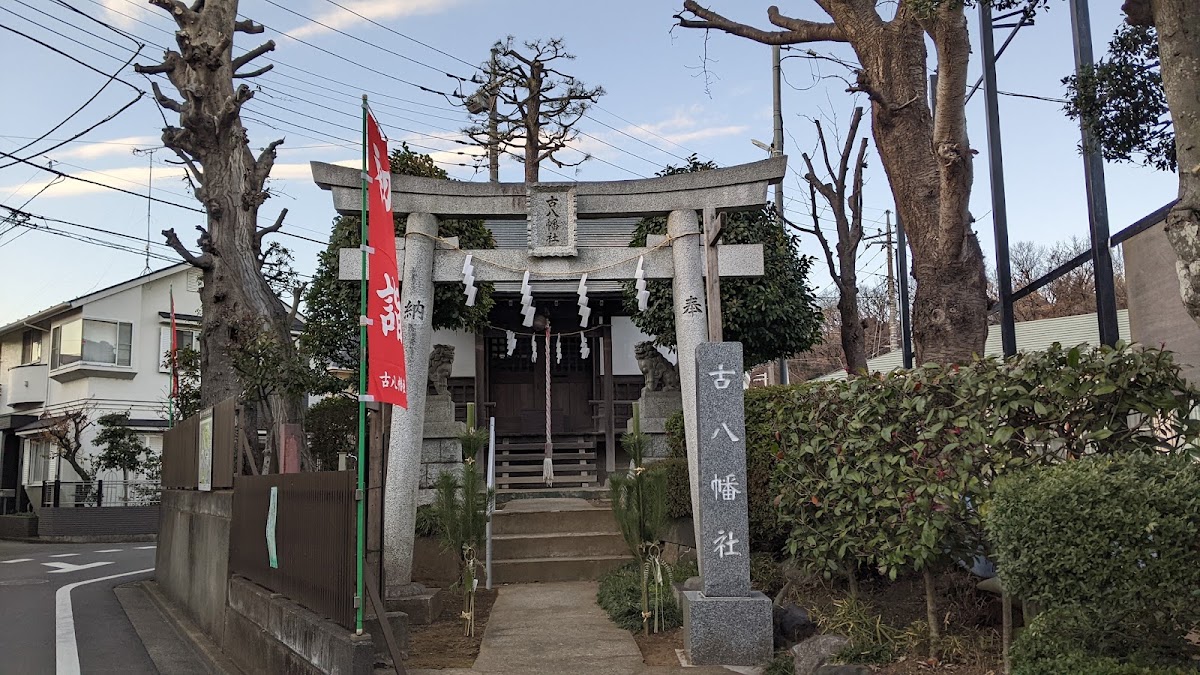
Complete Guide to Furuhachiman Shrine (Mitaka City, Tokyo) | Deities, History, Access, and Goshuin Information
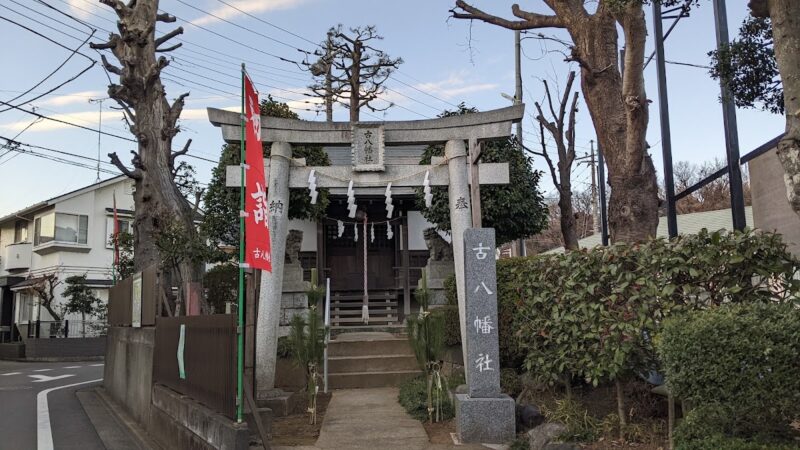
Furuhachiman Shrine, quietly situated in Osawa, Mitaka City, Tokyo, is a valuable shrine that conveys the history and faith of the region to the present day. Located in a scenic environment dotted with the Nogawa River and ancient burial mounds, this shrine possesses a tranquil atmosphere that is hard to believe is in the heart of the city. This guide provides detailed information about the shrine, including its deities, history, access methods, and goshuin (shrine stamp) information.
Basic Information about Furuhachiman Shrine
Shrine Name and Location
Shrine Name: Furuhachiman Shrine
Location: 5-1-16 Osawa, Mitaka City, Tokyo 181-0015
Furuhachiman Shrine is located in the Osawa district of Mitaka City, in a nature-rich area surrounded by Nogawa Park and International Christian University (ICU). The grounds are spacious, and in addition to several shrines within the precincts, there is also a community center for local residents, serving as a core of the local community.
Deity Enshrined
Deity Enshrined: Emperor Ōjin (also known as Hondawake-no-Mikoto)
Emperor Ōjin was the 15th Emperor of Japan and is widely worshipped as Hachiman-sama at Hachiman shrines and temples throughout Japan. He is revered as a god of military fortune and national protection, as well as a god who brings about the development of agriculture, industry, and culture.
Hachiman worship spread throughout Japan and, along with Inari worship, is one of the most widespread Shinto shrine beliefs. The Old Hachiman Shrine, as a shrine that follows this Hachiman faith, has long been cherished by the local people.
History and Origins of Kohachiman Shrine
Circumstances of Founding
While the exact founding date of Kohachiman Shrine is not known, it is believed to have been established during the Keicho era (1596-1615) by inviting a deity from Iwashimizu Hachimangu Shrine in Kyoto. Initially called “Shohachimangu,” it was revered as the guardian shrine of the region.
History of Relocation
While some sources suggest it occurred in 1616 (Genna 2) or August of 1616 (Genna 3), Shohachimangu was relocated to Hazawa at the same time as the founding of Chokyu-ji Temple, which was the shrine’s affiliated temple. This relocated shrine later became “Osawa Hachiman Shrine” (the current Osawa Hachiman Shrine).
The current Kohachiman Shrine is located on the former site of Osawa Hachiman Shrine, that is, the place where Shohachimangu originally stood. Therefore, the shrine was given the name “Ko-Hachiman-sha” (Old Hachiman Shrine), preserving the history of the former Sho-Hachiman-gu shrine.
Relationship with the Betto-ji Temple, Chokyu-ji
During the Edo period, when Shinto and Buddhism were syncretized, Chokyu-ji Temple managed Ko-Hachiman-sha as its betto-ji temple. The head priest of Chokyu-ji Temple presided over the shrine’s rituals near the temple grounds, and the shrine and temple worked together to support the local faith.
Although the shrine and temple were separated after the Meiji-era separation of Shinto and Buddhism, the historical connection between Ko-Hachiman-sha and Chokyu-ji Temple remains an important element in understanding the history of faith in this region.
Current Management System
Currently, Ko-Hachiman-sha is a shrine concurrently managed by Kokuryo Shrine, located in Kokuryo-cho, Chofu City. The chief priest of Kokuryo Shrine also performs the rituals for Ko-Hachiman-sha, and Shinto ceremonies such as the annual festival continue.
Highlights of the Shrine Grounds
Main Hall and Worship Hall
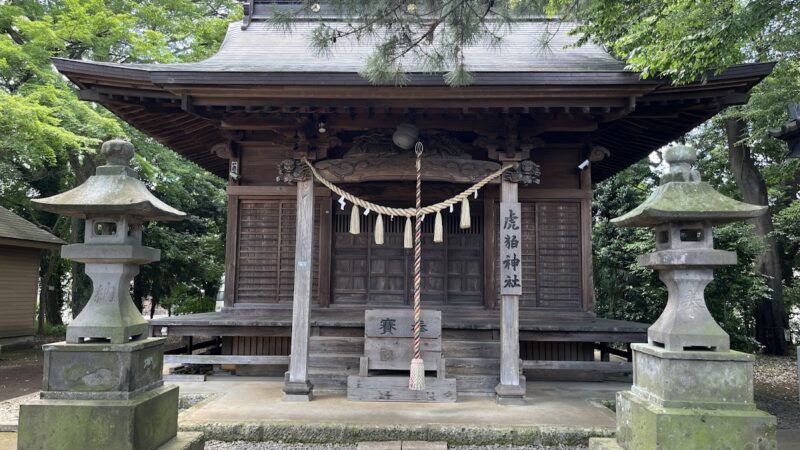
The main hall of the Kohachiman Shrine, though small, is meticulously maintained, reflecting the deep faith of the local people. The worship hall has an open design, warmly welcoming visitors.
Subsidiary Shrines
Besides the main shrine, several other shrines are located within the grounds, enshrining various deities. These subsidiary shrines tell the story of the diverse religious history of the region.
Community Facilities
A community hall for local residents is located within the grounds and is used for local gatherings and events. This demonstrates that the shrine serves not merely as a place of worship but also as a center of the local community.
Natural Environment
The area surrounding the Kohachiman Shrine boasts a surprisingly rich natural environment for being within Tokyo. The Nogawa River flows nearby, and historical landscapes with scattered ancient burial mounds unfold. The shrine grounds are also lush with trees, allowing visitors to experience the beauty of nature throughout the seasons.
Annual Festival Dates and Events
Annual Festival Dates
The annual festival of Kohachiman Shrine is traditionally held in the autumn. The specific date may vary from year to year, so it is recommended that those planning to visit check in advance.
Main Annual Festivals
- New Year’s Day Festival: A festival held to welcome the new year
- Spring Festival: A festival celebrating the arrival of spring
- Grand Festival: The most important festival held in autumn
- Monthly Festival: A festival held regularly every month
As it is a shrine managed by multiple entities, large-scale festivals are not held, but festivals that are carefully preserved by the local people continue to be held.
Access Information
Nearest Station/Line
Kohachiman Shrine is located in the suburbs of Mitaka City, so it is a bit of a distance to reach on foot from the nearest station.
Main Nearest Stations:
- JR Chuo Line Mitaka Station: Convenient to take a bus from the South Exit
- JR Chuo Line Musashi-Sakai Station: Take a bus from the South Exit
- Keio Line Chofu Station: Buses are also available from the North Exit
It takes more than 30 minutes to walk from any of these stations, so we recommend taking the bus.
Nearest Bus Stops and Routes
Nearest Bus Stop: “Osawa 5-chome” bus stop or “Osawa General Ground Entrance” bus stop
Main Bus Routes:
- Odakyu Bus: From Mitaka Station South Exit to “Asahi-cho, Asahi-cho 3-chome, Kurumagaeshi Danchi”
- Odakyu Bus: From Mitaka Station South Exit to “International Christian University”
- Odakyu Bus: From Musashi-Sakai Station South Exit to “International Christian University”
It takes approximately 3-5 minutes to walk from the bus stop to Kohachiman Shrine. Bus schedules vary depending on the time of day, so we recommend checking the timetable in advance.
Access by Car
Chuo Expressway: Approximately 15 minutes from Chofu Interchange
There is parking space for visitors on the shrine grounds, but spaces are limited, so please be aware of potential congestion.
Map and Surrounding Information
Furuhachiman Shrine is located south of Nogawa Park and east of International Christian University. Nearby attractions include:
- Nogawa Park: A metropolitan park ideal for nature observation and walks
- Osawa no Sato: A historical landscape area with springs, watermills, and old houses
- International Christian University (ICU): A university with a vast campus
- Jindaiji Temple: A famous ancient temple in Chofu City (approximately 10 minutes by car)
These are just some of the many points of interest scattered around. Visiting these surrounding spots in conjunction with your visit to Furuhachiman Shrine is highly recommended.
About Goshuin (Shrine Seals)
Issuance of Goshuin
Since Kohachiman Shrine is a subsidiary shrine, there are no permanent priests. If you wish to receive a Goshuin, you can obtain one at the subsidiary shrine, Kokuryo Shrine (1-7-1 Kokuryo-cho, Chofu City, Tokyo).
How to Obtain a Goshuin at Kokuryo Shrine
Please inform the shrine office at Kokuryo Shrine that you would like a Goshuin from Kohachiman Shrine. Kokuryo Shrine is conveniently located about a 5-minute walk from Kokuryo Station on the Keio Line.
Basic Information about Kokuryo Shrine:
- Location: 1-7-1 Kokuryo-cho, Chofu City, Tokyo
- Nearest Station: Approximately 5 minutes on foot from Kokuryo Station on the Keio Line
- Hours of Offering: Usually 9:00 AM to 5:00 PM (may vary)
Manners for Receiving a Goshuin (Shrine Stamp)
- Bring your Goshuincho (stamp book)
- The correct order is to receive the Goshuin after praying
- Prepare a donation (usually around 300-500 yen)
- Don’t forget to express your gratitude to the Shinto priests
Manners and Etiquette for Worship
Basic Worship Etiquette
- Bow before passing through the torii gate: Show respect for entering the sacred area
- Purify yourself at the water basin: Purify your left hand, right hand, and mouth in that order
- Bow twice, clap twice, and bow once in front of the main hall: This is the basic worship etiquette in Shinto
- Bow at the Torii Gate Upon Exit: This expresses gratitude to the deities.
Attire for Visiting the Shrine
There are no specific rules, but it is desirable to wear clothing that reflects the sacred nature of the place. Avoid overly revealing clothing or overly casual attire such as sandals.
Photography
Photography is generally permitted within the shrine grounds, but please refrain from taking photos inside the main hall or during religious ceremonies. Also, please be considerate of other visitors.
Hachiman Faith and Historical Background in Mitaka City
Hachiman Faith in the Musashino Region
Many Hachiman shrines are located in the Musashino region, and Hachiman faith was widespread from the medieval to the early modern period. This was largely influenced by the fact that the Minamoto clan of the Kamakura Shogunate revered Hachiman as their tutelary deity.
The Old Hachiman Shrine was also founded within this tradition and has attracted the faith of the people of the Osawa district. Its history of being a branch shrine of Iwashimizu Hachiman Shrine demonstrates the legitimacy of Hachiman faith in this region.
History of the Osawa District
The Osawa district has long developed as an agricultural area, with rice cultivation utilizing the abundant waters of the Nogawa River. The Kohachiman Shrine was worshipped as a god of agriculture and played an important role as a place to pray for a bountiful harvest.
Even today, despite increasing urbanization, a relatively large amount of green space is preserved, and the historical landscape of “Osawa no Sato” is maintained. The Kohachiman Shrine is a valuable cultural heritage site that conveys the history of this region.
Nearby Attractions and Tourist Spots
Nogawa Park
A metropolitan park within walking distance of the Kohachiman Shrine. A nature-rich park along the Nogawa River, ideal for birdwatching and strolling. Beautiful cherry blossoms in spring and autumn leaves in fall make it enjoyable throughout the seasons.
Osawa no Sato
A historical landscape area with springs, watermills, and old farmhouses. It features a spring selected as one of Tokyo’s “57 Famous Springs,” preserving the landscape of Musashino in the past.
International Christian University (ICU)
The vast campus maintains a natural forest, and is open to the public for walks on designated days. There is also a spring-fed pond on campus.
Jindaiji Temple
An ancient Tendai sect temple located in Chofu City. Said to have been founded in 733, it is the second oldest temple in Tokyo after Senso-ji Temple. Jindaiji soba noodles are also famous, and many soba restaurants line the approach to the temple.
Musashino Forest Park
A metropolitan park adjacent to Chofu Airport. It features a vast lawn area and is a popular spot for families.
Recommended Courses for Visiting Kohachiman Shrine
Half-Day Course (Approx. 3-4 Hours)
- Depart by bus from Mitaka Station South Exit
- Visit Kohachiman Shrine (30 minutes)
- Stroll around Osawa no Sato (1 hour)
- Lunch and stroll at Nogawa Park (1.5 hours)
- Return by bus to Mitaka Station or Musashi-Sakai Station
Full-Day Course (Approx. 6-7 Hours)
- Start from Mitaka Station
- Stroll around Inokashira Park (1 hour)
- Travel by bus
- Visit Kohachiman Shrine (30 minutes)
- Stroll around Osawa no Sato (1 hour)
- Lunch at Nogawa Park (1 hour)
- Stroll around International Christian University (1 hour)
- Visit Jindaiji Temple and eat soba noodles (2 hours)
- To Chofu Station or Mitaka Station
The Charm and Characteristics of Kohachiman Shrine
A Tranquil Worship Environment
Unlike the crowded, well-known shrines in the city center, Kohachiman Shrine offers a peaceful and quiet environment for worship. This calm and peaceful setting for prayer is becoming increasingly precious in modern times.
Layers of History
The history of the shrine—from its founding as Shohachiman-gu, to its relocation to Osawa Hachiman Shrine, and finally to the remaining Kohachiman Shrine on its original site—tells the story of the changing faith in this region. The history of this single shrine is intertwined with memories from multiple eras.
Connections to the Local Community
As evidenced by the presence of a community center within the shrine grounds, Kohachiman Shrine transcends being merely a place of worship; it plays a vital role as a core of the local community. The way it is carefully preserved by local residents through festivals and cleaning activities represents one of the ideal forms of a shrine in modern times.
An Environment Where Nature and History Harmonize
The surrounding area still retains the original landscape of Musashino, with features such as the Nogawa River, ancient burial mounds, springs, and mixed forests. The Kohachiman Shrine is situated in this environment where nature and history harmonize, offering healing and peace to visitors.
Precautions When Visiting
Access
- Since it is a distance from the nearest station, please check the bus schedule in advance.
- If visiting by car, please note that parking space is limited.
- Access by bicycle is possible, but please consider that there are hills.
Visiting Hours
- You can generally visit the shrine grounds freely, but please refrain from visiting early in the morning or late at night.
- If you require a Goshuin (shrine stamp), you must visit during the Goshuin distribution hours of Kokuryo Shrine.
Seasonal Precautions
- Summer: We recommend taking precautions against insects such as mosquitoes.
- Winter: The sun sets early, so please visit with plenty of time to spare.
- Rainy Weather: The ground may be slippery.
Summary: The Value and Charm of Kohachiman Shrine
Located in Osawa, Mitaka City, Tokyo, Kohachiman Shrine is a historical shrine founded during the Keicho era. Dedicated to Emperor Ōjin, this shrine boasts a history of over 400 years, from its former name, Shō Hachiman-gū, through the relocation of Ōsawa Hachiman Shrine, to its current form as the “Old Hachiman Shrine” remaining on its original site.
With its tranquil environment, a stark contrast to its central Tokyo location, its picturesque scenery dotted with the Nogawa River and ancient burial mounds, and its strong ties to the local community, Old Hachiman Shrine embodies many of the values that modern shrines should possess.
Although under the management of Kokuryō Shrine as a subsidiary shrine, it is carefully preserved by the local people, and traditional events such as the annual festival continue. Goshuin (shrine stamps) can be obtained at Kokuryō Shrine, making a visit to both shrines highly recommended.
For those who want to experience the history and culture of Mitaka City, those seeking a peaceful visit, and those who want to enjoy the nature of Musashino, Old Hachiman Shrine is a worthwhile destination. Visiting it along with the nearby Nogawa Park and Ōsawa no Sato will provide a valuable experience of rich nature and history while still being in Tokyo.
Even amidst the changing times, the ancient Hachiman Shrine continues to quietly convey the local faith and history. Its presence reminds us, living in the present day, of the faith and love for the region of our ancestors. Why not pay a visit sometime?