Complete Guide to Daionji Temples: A Thorough Explanation of Daionji Temples Nationwide | History, Access, and Highlights
There are several temples named “Daionji” throughout Japan. Each has its own unique history and characteristics, and plays an important role in its local community. This article provides a detailed explanation of the history, access, activities of the head priests, and highlights of Daionji temples located in Toyokawa City, Aichi Prefecture; Hachioji City, Tokyo; Kyoto City; and Honjo City, Saitama Prefecture (a Vietnamese temple).
What is Daionji?: An Overview of Temples with the Same Name Nationwide
Daionji is a Buddhist temple whose name means “great gratitude.” Daionji temples located throughout Japan belong to different sects and have their own unique origins and histories. The sects of each temple are diverse, including Jodo-shu and Jodo Shinshu Honganji-ha, and they have functioned as centers of faith in their respective regions.
The name “Daionji” (大恩寺) is often given to commemorate a “great debt of gratitude” to the founder or parishioners, and each temple’s founding story holds a moving tale.
Daionji Temple, Toyokawa City, Aichi Prefecture: An ancient temple associated with Tokugawa Ieyasu
History and Origins of Daionji Temple, Toyokawa City
Located at the foot of Mt. Mitsuyama in Mitsu-cho, Toyokawa City, Aichi Prefecture, Daionji Temple is a Jodo sect temple. Its mountain name is Mitsuyama, its temple name is Jodo Shin’in, and its principal image is Amida Buddha. This Amida Buddha statue is said to be the work of An’ami Kaikei, a renowned Buddhist sculptor of the Kamakura period, and is known as a Buddhist statue of high artistic value.
While there are various theories regarding its founding date, it is believed to have begun during the reign of Empress Suiko when a single building was constructed on Mt. Shingu by the Baekje monk Ekan, and was called Jokoin. Later, in 1444, Ryōgyō Keizen restored the temple, renamed it Shingūzan Daiunji, converted it to the Jōdo sect, and became its founding abbot.
Deep Connection with Tokugawa Ieyasu: The Matsudaira Family’s “Great Debt”
Daionji Temple in Toyokawa City is particularly noteworthy for its deep connection with Tokugawa Ieyasu. It is said that Ieyasu visited this temple many times during his rule of the Mikawa region. For the Matsudaira family (later the Tokugawa family), this temple was a source of spiritual support.
The temple’s name, “Daionji,” is said to originate from an anecdote in which the Matsudaira family said, “We owe this temple a great debt, so we named it this way.” It is believed that prayers and spiritual support at this temple played a significant role in Ieyasu’s unification of Japan, and it also served as the Matsudaira family’s ancestral temple.
Access to Daionji Temple in Toyokawa City
Location: Foot of Mt. Mitsuyama, Mitsu-cho, Toyokawa City, Aichi Prefecture
Access Methods:
- Train: Approximately 20 minutes on foot or 5 minutes by taxi from JR Tokaido Main Line “Aichi Mitsu Station”
- Car: Approximately 15 minutes from Tomei Expressway “Otowa Gamagori IC”
- Parking: Parking available for visitors on the temple grounds
Located in a naturally rich environment at the foot of Mt. Mitsuyama, it offers a peaceful and tranquil setting for worship.
Highlights of Daionji Temple in Toyokawa City
- Amida Buddha Statue by Kaikei: The principal image, attributed to An’ami Kaikei, is historically significant as a masterpiece of Kamakura period sculpture.
- Historical Buildings: The main hall and temple gate, dating back to the Edo period, are valuable cultural assets that tell the history of the region.
- Natural Environment: Surrounded by the rich nature of Mount Mitsuyama, you can enjoy the scenery of each season.
Daionji Temple, Hachioji City, Tokyo: A Base of the Jodo Shinshu Honganji School
Overview and Characteristics of Daionji Temple, Hachioji City
Located at 1085 Terada-cho, Hachioji City, Tokyo, Daionji Temple belongs to the Jodo Shinshu Honganji School (the head temple is Nishi Honganji in Kyoto). The temple upholds “Wagen Aigo” (gentle countenance and kind words) as its philosophy and operates as an open temple to the local community.
“Wagen Aigo” is a Buddhist term meaning to treat people with a gentle smile and kind words, representing the ideal human relationships that this temple aims for.
An Open Temple: Dharma Gatherings Open to Everyone
A major characteristic of Daionji Temple in Hachioji City is its open temple operation, which is not bound by the danka (parishioner) system. Anyone can participate in the regularly held Dharma gatherings (meetings to learn Buddhist teachings), regardless of whether they are parishioners or not, without prior registration.
Furthermore, even those who are not parishioners can receive services according to Jodo Shinshu Buddhist customs for memorial services and funerals. Therefore, those who are particular about their sect or have no connection to a specific temple can consult with peace of mind.
Facility Information for Daionji Temple, Hachioji City
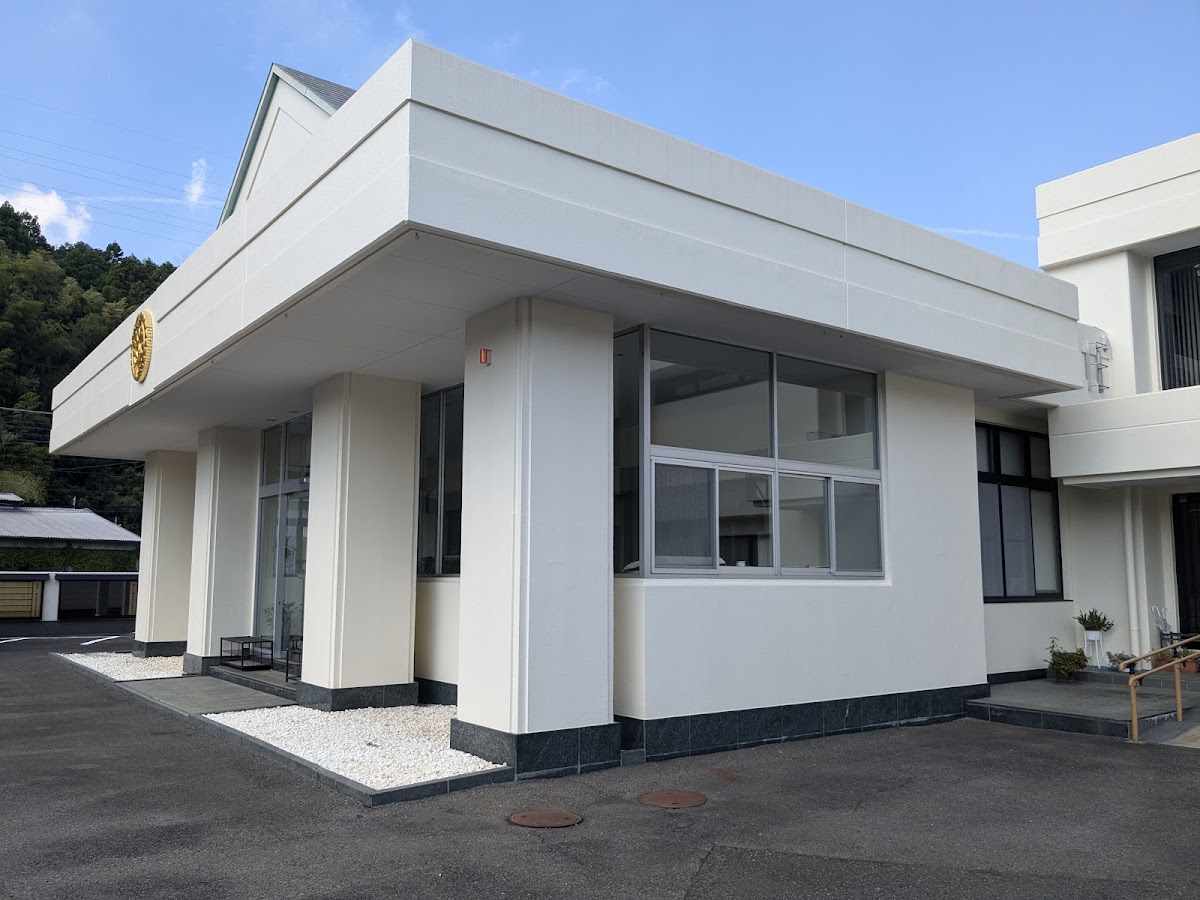
Daionji Temple in Hachioji City boasts modern and functional facilities.
- Main Hall: A spacious area accommodating 250 people
- Japanese-style Hall: A 36-tatami mat hall suitable for memorial services and gatherings
- Large Japanese-style Hall: A tranquil 20-tatami mat space
- Lobby/Guest Hall: A modern and elegant design
Surrounded by lush greenery and blessed with a quiet environment, you can hold memorial services and worship in a peaceful atmosphere away from the hustle and bustle of the city.
Access to Daionji Temple in Hachioji City
Location: 1085 Terada-cho, Hachioji City, Tokyo 193-0943
Access Methods:
- Train: Bus or taxi from Nishi-Hachioji Station on the JR Chuo Line
- Bus: Approximately 5 minutes on foot from the Terada-cho bus stop (Nishi-Tokyo Bus)
- Car: Approximately 15 minutes from Hachioji IC on the Chuo Expressway
- Parking: Parking available for visitors
Detailed access information can be found on the temple’s official website.
The Abbot’s Efforts and Community Contribution
Daionji Temple in Hachioji City values its connection with the local community, centered around its abbot. Through regular Dharma talks and Buddhist lectures, the temple continues its activities to convey the significance of Buddhism in modern society.
The temple actively disseminates information on social media (Facebook, etc.) to widely publicize its activities and event schedules. Its commitment to preserving and transmitting traditional Buddhist teachings while utilizing modern communication methods is highly regarded.
Daionji Temple in Kyoto: A Historic Temple Founded by Toyotomi Hideyoshi
The Founding of Kyoto’s Daionji Temple and Toyotomi Hideyoshi
Daionji Temple in Kyoto is a Jodo sect temple founded in 1585 (Tensho 13) by Toyotomi Hideyoshi to commemorate his aunt, Daionin-dono Nichiyo Keishun Daishi. The founding priest was Ten’a Gyūjō Shōnin, and it was initially built west of Nijō-Muromachi. The place name “Daionji-chō” still remains today, attesting to the historical importance of this temple.
Hideyoshi granted the temple a vermilion seal for perpetual temple territory, guaranteeing its perpetual maintenance. Although the temple’s location has changed since 1587 (Tensho 15), it continues to occupy an important position in Kyoto’s Buddhist culture.
The History and Present State of Kyoto’s Daionji Temple
Throughout the Edo period, Kyoto’s Daionji Temple, as a Jodo sect temple, attracted the faith of the local community. Currently located on the west side of Higashioji Street, south of Nijo Street, in the Shindo Buddhist Association district, it occupies a corner of the heart of Buddhist culture, surrounded by numerous temples.
The temple’s architectural style and gardens are valuable cultural heritage that convey the traditional temple culture of Kyoto to the present day.
Access to Kyoto Daionji Temple
Location: Sakyo-ku, Kyoto City (near Higashioji Street, south of Nijo Street)
Access Methods:
- Train: Approximately 10 minutes on foot from Higashiyama Station on the Kyoto Municipal Subway Tozai Line
- Bus: Immediately after alighting at the Higashiyama Nijo bus stop (Kyoto City Bus)
- Car: Approximately 20 minutes from the Kyoto East Interchange on the Meishin Expressway
Located in the Higashiyama area of Kyoto, and surrounded by many tourist attractions, it can be visited as part of a Kyoto sightseeing trip.
Daionji Temple, Honjo City, Saitama Prefecture: A Hub for Supporting Vietnamese People in Japan
Daionji Temple as a Vietnamese Temple
In Honjo City, Saitama Prefecture, there is Daionji Temple, where the head priest is Venerable Thich Tam Chi, a monk from Vietnam. This temple plays an important role as a spiritual pillar and a hub for life support for the Vietnamese community in Japan.
Activities of Head Priest Thich Tam Chi
Venerable Tam Chi grew up with devout Vietnamese parents and witnessed firsthand the various difficulties faced by Vietnamese people in Japan after arriving. To improve the situation where many Vietnamese people tend to become isolated due to language barriers, cultural differences, and living problems, he has developed support activities centered around the temple.
Social Contribution Activities and Awards
The activities of Daionji Temple in Honjo City have been highly praised by the Public Interest Incorporated Foundation for Social Contribution Support, and it received the 57th Social Contribution Award. Specific support activities include the following:
- Life Consultation: Consultation regarding residence status, employment, housing, etc.
- Language Support: Japanese language learning support, interpretation, and translation.
- Cultural Exchange: Holding traditional Vietnamese events and promoting cultural exchange with Japan.
- Emergency Support: Providing supplies and temporary housing to Vietnamese residents in need.
- Mental Health Care: Mental health care and community building through Buddhist teachings.
Through these activities, many Vietnamese residents in Japan have been able to adapt to Japanese society and live stable lives.
Access to Daionji Temple, Honjo City
Location: Honjo City, Saitama Prefecture
Access Method:
- Train: Taxi from JR Takasaki Line “Honjo Station” or Joetsu Shinkansen “Honjo-Waseda Station”
- Car: Approximately 15 minutes from Kan-Etsu Expressway “Honjo-Kodama IC”
For detailed location and access information, we recommend contacting the temple in advance.
Points to Note and Manners When Visiting Daionji Temple
Basic Manners When Visiting
When visiting Daionji Temple, please observe the following basic manners:
- Attire: Avoid revealing clothing and aim for clean, understated attire.
- Photography: Obtain permission in advance before taking photographs inside the main hall or of Buddha statues.
- Quietness: Act quietly on the temple grounds and be considerate of other visitors.
- Offering: If participating in a special viewing or memorial service, prepare an appropriate offering.
Visiting Information for Each Temple
Visiting hours and admission fees vary by temple. Especially on days with memorial services or events, general visits may be restricted, so it is recommended to check the official website or call in advance.
Annual Events and Festivals at Daionji Temple
Major Events of the Jodo Sect and Jodo Shinshu Sect
Each Daionji Temple holds annual events according to its sect.
- Spring Equinox Service (March): A memorial service for ancestors
- Flower Festival (April 8th): A celebration of the birth of Shakyamuni Buddha
- Obon Festival (August): A memorial service for the Obon festival
- Autumn Equinox Service (September): A memorial service for ancestors
- Ho-on-ko (November): The most important event in Jodo Shinshu temples (a memorial service for Shinran Shonin)
- New Year’s Eve Bell Ringing (December 31st): A New Year’s Eve event
Special Dharma Sessions and Lectures
Especially at Daionji Temple in Hachioji City, Dharma sessions (Buddhist lectures) are held regularly and are open to everyone. These provide opportunities to learn about the significance of Buddhism in modern society and the wisdom of Buddhism that can be applied to daily life.
Comparison of the Characteristics of Each Daionji Temple and How to Choose
If you are looking for historical value
- Daionji Temple, Toyokawa City: History associated with Tokugawa Ieyasu and a Buddhist statue created by Kaikei
- Daionji Temple, Kyoto: Founded by Toyotomi Hideyoshi and Kyoto’s traditional culture
If you are looking for open temple activities
- Daionji Temple, Hachioji City: Dharma services open to non-parishioners and flexible responses
- Daionji Temple, Honjo City: Multicultural coexistence and social contribution activities
If you are choosing based on accessibility
- Daionji Temple, Kyoto: Located in a tourist area of Kyoto City
- Daionji Temple, Hachioji City: Easily accessible from Tokyo
Daionji Temples and Local Communities: The Role of Temples in Modern Times
Temples as Centers of the Community
Each Daionji Temple plays a role not merely as a religious facility, but as a center of the local community. In particular, the spirit of “gentle countenance and kind words” espoused by Daionji Temple in Hachioji City offers one answer to the weakening of human relationships in modern society.
Practice of Multicultural Coexistence
The existence of temples like Daionji Temple in Honjo City, which actively support foreign residents in Japan, demonstrates a new model for temples that responds to the diversification of Japanese society. Religious facilities becoming places of social inclusion contribute to the formation of richer local communities.
Cultural Property Protection and Tourism Resources
Temples with high historical and cultural value, such as those in Toyokawa City and Daionji Temple in Kyoto, are also important as local tourism resources. They bear the responsibility of passing on valuable legacies to future generations while balancing the protection and utilization of cultural properties.
About Buddhist Services and Funerals at Daionji Temple
Danka System and Flexibility of Service
In particular, Daionji Temple in Hachioji City provides services for Jodo Shinshu Buddhist services and funerals even to those who are not danka members. This is an example of flexible temple management that responds to the diversified family structures and religious views of modern times.
Types and Contents of Buddhist Memorial Services
In Jodo-shu and Jodo Shinshu temples, the following types of memorial services are held:
- Wake and Funeral: A ceremony to send off the deceased
- From the 7th to the 49th day: Memorial service
- First anniversary, third anniversary, seventh anniversary, etc.: Annual memorial service
- Obon and Higan: Ancestor worship
By consulting with the head priest of each temple, it is possible to hold a memorial service that meets the wishes of the deceased and the bereaved family.
Summary: Diversity and Common Spirit of Daionji Temples
Daionji temples throughout Japan, while each possessing its own unique history and characteristics, all share a common spirit of “great gratitude.”
- Daionji Temple in Toyokawa City, Aichi Prefecture boasts deep ties to Tokugawa Ieyasu and historical value due to its Buddhist statue created by Kaikei.
- Daionji Temple in Hachioji City, Tokyo embodies the spirit of “gentle countenance and kind words” and open temple management.
- Daionji Temple in Kyoto City reflects its history as a temple founded by Toyotomi Hideyoshi and its connection to Kyoto’s traditional culture.
- Daionji Temple in Honjo City, Saitama Prefecture engages in modern social contribution through supporting Vietnamese residents in Japan.
These temples, while preserving tradition, possess the flexibility to meet the needs of modern society and continue to play a vital role in their local communities.
When visiting Daionji Temples, you can gain a deeper understanding of Buddhist teachings and temple activities by understanding the history and characteristics of each temple and engaging in dialogue with the head priest and temple staff. We recommend checking the official website or calling each temple in advance for access information and visiting hours.
While cherishing the gratitude embodied in the name “Daion,” why not experience the spiritual richness and warmth of the local community that each Daionji Temple offers?