Complete Guide to Tahoin Temple: History, Highlights, and Access Information
There are several temples named Tahoin throughout Japan, each with its own unique history and cultural value. This article provides a detailed explanation of the particularly famous Tahoin temples in Noshiro City, Akita Prefecture, Shimotsuma City, Ibaraki Prefecture, and Taito Ward, Tokyo, covering their historical background, architectural features, highlights, and access methods.
Tahoin Temple in Noshiro City, Akita Prefecture: The Family Temple of the Tagaya Clan
History and Founding Circumstances
Tahōin Temple, located in Hiyama, Noshiro City, Akita Prefecture, is a Sōtō Zen temple known as the family temple of the Sengoku period warlord Tagaya clan. Its mountain name is Senryūzan, and its principal image is Shō Kannon.
The history of this Tahoin Temple dates back to its founding in Shimotsuma, Shimōsa Province (present-day Shimotsuma City, Ibaraki Prefecture). After the Battle of Sekigahara in 1600, when Satake Yoshinobu was transferred from Hitachi Province to Akita in Dewa Province, the Tagaya clan, a senior retainer of the Satake clan, also moved to Akita. Along with the Tagaya clan, their family temple, Tahoin, also relocated to Hiyama in 1610.
Architectural Features of the Main Hall
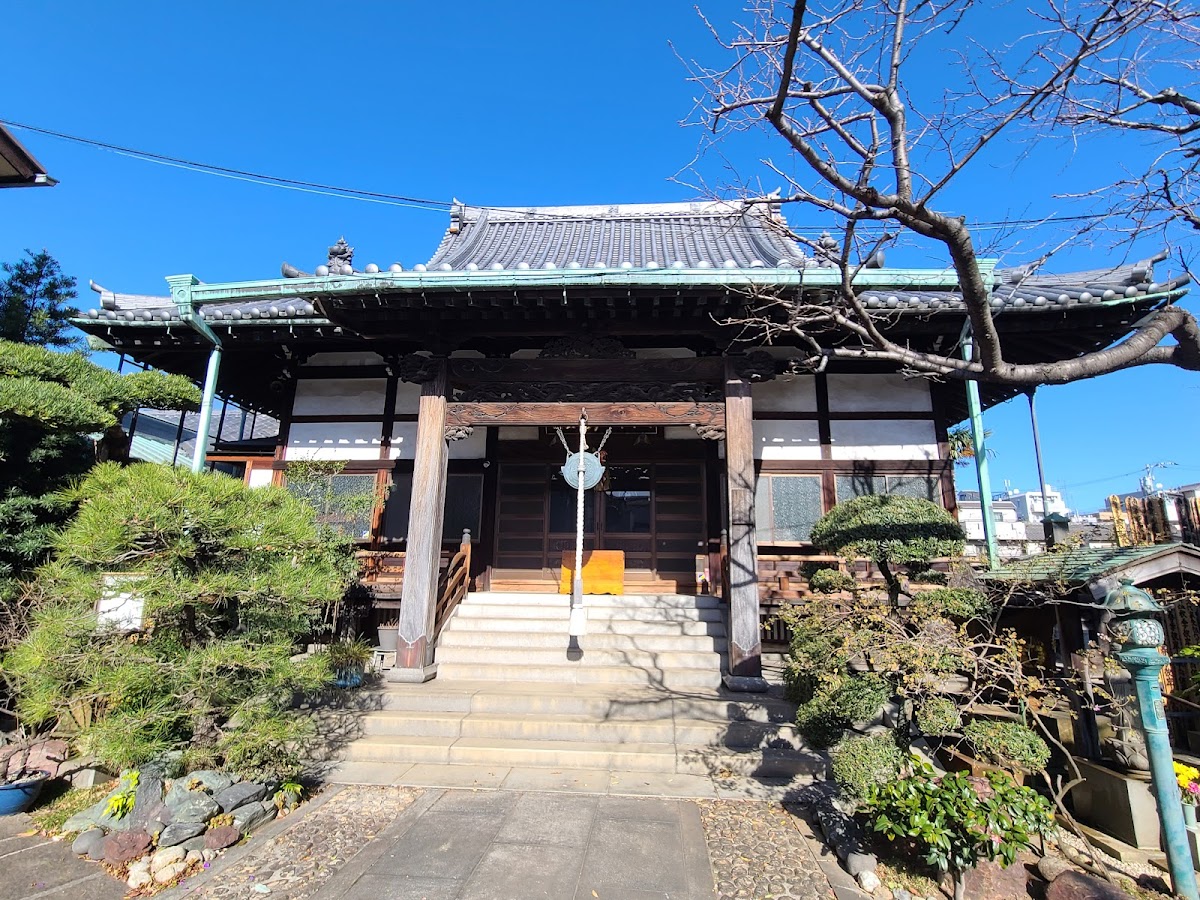
The current main hall was rebuilt in 1771 and has a history of over 250 years. This main hall is a valuable structure that very well preserves the architectural features of a Soto Zen Buddhist main hall.
A particularly noteworthy feature is the “nightingale floor” in the corridor. Nightingale floors are a special structure where the floorboards creak when walked on, producing a sound like a bird’s song; this was installed for security purposes. It is a rare architectural technique in the Tohoku region and is one of the important highlights of Tahoin.
The Charm of the Garden
Behind the main hall is a garden said to be modeled after Ginkaku-ji Temple in Kyoto. This garden incorporates elements of the dry landscape garden characteristic of Zen Buddhist temples, while creating a unique landscape adapted to the natural environment of Tohoku. The garden, which displays different expressions throughout the seasons, offers visitors tranquility and healing.
A Famous Cherry Blossom Spot
Tahoin Temple is also known locally as a famous spot for weeping cherry trees. In spring, a “Cherry Blossom Festival” is held, attracting many visitors who come to admire the magnificent cherry blossoms that adorn the temple grounds. The contrast between the historical buildings and the cherry blossoms makes it a popular photo spot.
Access Information (Noshiro City)
Location: Komagi, Hiyama, Noshiro City, Akita Prefecture
Transportation Access:
- Approximately 10 minutes by car from Tsurugata Station on the JR Gonō Line
- Approximately 20 minutes by car from Noshiro Minami IC on the Akita Expressway
Regarding Visits:
If you wish to tour the interior, you must inquire in advance. If you wish to experience the interior of the main hall or the nightingale floor corridor, advance notice is recommended.
Tahoin Temple, Shimotsuma City, Ibaraki Prefecture: The birthplace of the Tagaya clan
Founding and Historical Background
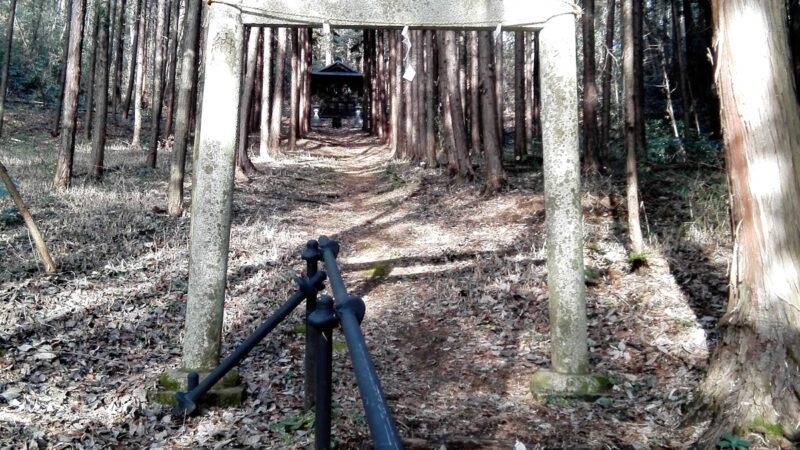
Tahoin Temple, located in Shimotsuma City, Ibaraki Prefecture, is a Soto Zen Buddhist temple. Its mountain name is Senryuzan, its temple name is Gokokuji, and its principal image is Shakyamuni Buddha. It is generally known by its temple name, “Tahoin.”
The predecessor of Tahoin Temple is said to have been located in “Terayama, Ogushi Village, Kawachi District, Hitachi Province,” and it is believed to have been founded during the Ken’ei era (1206), with the founding priest being the monk Gaiten.
Around the Tenbun era (1535), Tagaya Sakon-dayu Iesuke, the third lord of Shimotsuma Castle, met the then-chief priest, Shoden Sogin, and became a deep devout follower. Lord Ieuchi built the temple complex on its current site, and Tahoin Temple flourished as the family temple of the Tagaya clan.
Relationship with the Tagaya Clan
From the Muromachi period to the Sengoku period, the Tagaya clan ruled this area as the lords of Shimotsuma Castle. Tahoin Temple served as the family temple of the Tagaya clan and was the spiritual pillar of the family.
After the Battle of Sekigahara in 1600, when Satake Yoshinobu was transferred to the Kubota Domain (Akita Domain), Lord Tagaya Nobuie accompanied him to Akita. However, Tahoin Temple in Shimotsuma continued to exist and still manages the Tagaya clan cemetery in the area today.
Reconstruction of the Main Hall and the Present Day
During the turmoil of the late Edo period, the buildings on the temple grounds, including the main hall, were destroyed by fire. Subsequently, in 1991 (Heisei 3), during the time of the 37th head priest, Kakuzen Zendo, the main hall and temple grounds were rebuilt with the cooperation of the parishioners.
Currently, Tahoin Temple, with its history of approximately 500 years, continues to be a center of faith in the region.
Modern Memorial Services
Tahoin Temple in Shimotsuma City offers a variety of memorial services that meet modern needs, in addition to its traditional temple cemetery:
- Tree Burial: A burial method that returns to nature
- Perpetual Memorial Grave: Memorial services for those without successors
- Pet Cemetery: Memorial services for beloved pets
- Mizuko Kuyo: Memorial services for miscarried or stillborn babies
Cherry trees are planted on the temple grounds, allowing visitors to enjoy the full bloom of cherry blossoms in spring.
Access Information (Shimotsuma City)
Location: Shimotsuma, Shimotsuma City, Ibaraki Prefecture
Transportation Access:
- Approximately 15 minutes on foot from Shimotsuma Station on the Kanto Railway Joso Line
- Approximately 30 minutes by car from the Yawara Interchange on the Joban Expressway
Tahoin Temple in Taito Ward, Tokyo: A Shingon Buddhist Temple in Yanaka
History of Founding and Relocation
Tahoin Temple, located in Yanaka 6-chome, Taito Ward, Tokyo, is a Shingon Buddhist temple of the Buzan sect. Its mountain name is Hōtōzan, its temple name is Ryūmonji, and its principal image is Tahō Nyorai (Many Treasures Buddha). The temple’s name, “Tahoin,” originates from this principal image.
Tahoin Temple was founded in 1611 (Keichō 16) by Yūjun Hōin. Originally located in Kanda Kitateramachi, it was relocated to its current location in Yanaka in 1648 (Keian 1).
Role as a Pilgrimage Site
Tahoin Temple in Taito Ward plays an important role as a pilgrimage site that has continued since the Edo period:
- Eighty-Eight Sacred Sites of Edo, Site No. 49
- Twenty-One Sacred Sites of Edo, Site No. 9
These pilgrimages were widely popular as a form of popular faith in Edo, and many pilgrims still visit them today.
Yanaka Temple Town Culture
Yanaka is a district full of old-town charm, known for “Yanaka Ginza,” and is also famous as a “temple town” with many temples concentrated there. Tahoin Temple is one of these temples in Yanaka, conveying the history and culture of the region.
Adjacent to Yanaka Cemetery, this area is popular with tourists as a place to enjoy historical walks in a quiet environment.
Access Information (Taito Ward)
Address: 6-2-35 Yanaka, Taito-ku, Tokyo
Phone Number: 03-3821-3807
Transportation Access:
- Approximately 10 minutes on foot from Nippori Station on the JR Yamanote Line and Keihin-Tohoku Line
- Approximately 8 minutes on foot from Sendagi Station on the Tokyo Metro Chiyoda Line
- Approximately 3 minutes on foot from the Yanaka bus stop (Toei Bus)
Origin and Meaning of the Name “Tahoin”
The name “Tahoin” often originates from “Many Treasures Buddha” in Buddhism. Many Treasures Buddha is a Buddha who appears in the Lotus Sutra and is said to play a role in verifying the teachings of Shakyamuni Buddha.
In the case of Soto Zen temples, the “in-go” (temple name) indicates the temple’s status and history, and the name “Taho” (many treasures) embodies the meaning of protecting and transmitting many treasures (the teachings of Buddhism).
Similarities and Differences of Each Tahōin Temple
Similarities
- Historical Importance: All have a history of over 400 years.
- Relationship with Samurai Clan: The Tahōin temples in Noshiro City and Shimotsuma City, in particular, have deep ties to the Tagaya clan.
- Center of Regional Faith: They function as important temples in their respective regions.
- Cultural Value: They possess elements of high cultural value, such as architecture and gardens.
Differences
- Sect: Noshiro City and Shimotsuma City belong to the Sōtō Zen sect, while Taitō Ward belongs to the Shingon-shu Buzan sect.
- Principal Image: Noshiro City has Shō Kannon, Shimotsuma City has Shakyamuni Buddha, and Taitō Ward has Tahō Nyorai.
- History of Founding: The Tahōin temple in Taitō Ward was founded independently, while the other two are connected through their relationship with the Tagaya clan.
- Current Characteristics: Noshiro City is famous for its cherry blossoms, Shimotsuma City offers modern memorial services, and Taito Ward functions as a pilgrimage site.
Notes and Manners for Visitors
When visiting Tahoin Temple, please note the following:
Basic Manners
- Be Quiet: Temples are places of worship. Please refrain from loud conversations.
- Photography: Permission may be required to take photographs inside the main hall. Please check in advance
- Dress Code: Avoid revealing clothing and wear appropriate attire when visiting.
- Worship Etiquette: When praying, join your hands in prayer and quietly clasp them together.
Things to check in advance
- Visiting Hours: If you wish to tour the interior, you need to inquire in advance.
- Event Schedule: Visiting may not be possible on days with memorial services or special events.
- Parking Availability: If you are visiting by car, please check the availability of parking.
Nearby Tourist Spots
Around Noshiro City
- Hiyama Castle Ruins: The ruins of a castle that was the residence of the Tagaya clan.
- Noshiro Energiam Park: A facility where you can learn about energy.
- Kimimachi-zaka: A famous spot for cherry blossoms and autumn leaves.
Around Shimotsuma City
- Sunanuma Wide Area Park: A park where you can enjoy nature in all four seasons.
- Shimotsuma City Hometown Museum: A facility where you can learn about the history of the region.
- Taiho Hachimangu Shrine: The oldest Hachimangu shrine in the Kanto region
Around Yanaka, Taito Ward
- Yanaka Ginza Shopping Street: A shopping street with a Showa-era retro atmosphere
- Yanaka Cemetery: A cemetery known for its cherry blossoms
- Asakura Sculpture Museum: The studio and museum of sculptor Fumio Asakura
- Nezu Shrine: A shrine famous for its azaleas
What you can experience at Tahoin Temple
Zen Meditation Experience
Tahoin Temple (Noshiro City/Shimotsuma City), a Soto Zen temple, sometimes offers Zen meditation experiences. It’s a valuable opportunity to calm your mind and confront yourself. Advance reservations are often required, so please inquire if you wish to participate.
Sutra Copying/Buddhist Image Copying
Many temples offer experiences in sutra copying and Buddhist image copying. Copying Buddhist teachings can calm the mind and promote mental focus.
Participation in Seasonal Events
- Spring: Cherry Blossom Festival (Noshiro City), Flower Festival
- Summer: Obon Festival
- Autumn: Higan Memorial Service
- Winter: New Year’s Eve Bell Ringing
Participating in these events allows for a deeper understanding of traditional Japanese culture.
Cultural Value of Tahoin Temple
Architectural Value
The main hall of Tahoin Temple in Noshiro City, rebuilt in 1771 (Meiwa 8), is a valuable building that preserves the typical form of a Soto Zen Buddhist main hall. The nightingale floor corridor is an extremely rare architectural technique in the Tohoku region and holds significant architectural historical importance.
Garden Value
The garden of Tahoin Temple in Noshiro City is said to be modeled after Ginkaku-ji Temple in Kyoto and is an important cultural heritage that conveys the aesthetics of Zen gardens to the Tohoku region. The harmony between the dry landscape garden technique and nature demonstrates the essence of Japanese gardens.
Value as a Historical Document
As the family temple of the Tagaya clan, Tahoin Temple is an important historical site that illustrates the relationship between samurai culture and Buddhist culture from the Sengoku period to the Edo period. In particular, the historical fact of the temple’s relocation due to a change in domain is a valuable document for understanding the relationship between the political situation and faith at the time.
Summary: Rediscovering the Charm of Tahoin Temple
Temples bearing the name Tahoin have each cultivated their own unique history and culture in their respective regions. The Tahoin in Noshiro City, Akita Prefecture, is known for the history of the Tagaya clan’s relocation, its nightingale floor corridor, and its beautiful garden. The Tahoin in Shimotsuma City, Ibaraki Prefecture, boasts a history of approximately 500 years as the birthplace of the Tagaya clan, and the Tahoin in Taito Ward, Tokyo, functions as a pilgrimage site that preserves the Edo period pilgrimage culture.
Visiting these temples allows you to deeply learn about Japanese history, architecture, gardens, and religious culture. It will be an opportunity to calm your mind in the tranquil grounds, feel the weight of history, and rediscover the spirituality that we, living in the modern age, should cherish.
Tahoin Temple displays different expressions throughout the seasons: cherry blossoms in spring, lush greenery in summer, vibrant autumn leaves, and the tranquility of winter. Why not visit these historic temples yourself and experience their charm firsthand?