Complete Guide to Daito Shrines: A Thorough Explanation of the History, Characteristics, and Visiting Information of Daito Shrines Scattered Across Japan
There are several shrines named “Daito Shrine” throughout Japan. Each has a different historical background and unique characteristics, and is cherished as a center of local faith. This article provides a detailed explanation of the history, grounds, enshrined deities, and visiting information for Daito Shrines located in Ome City, Tokyo; Minami Daito Village and Kita Daito Village, Okinawa Prefecture; and Isesaki City, Gunma Prefecture.
What are Daito Shrines?
Daito Shrine is a general term for shrines that exist with the same name throughout Japan. Each shrine has its own independent history and enshrines different deities. The following four shrines are known as the main Daito Shrines:
- Daito Shrine (Ome City): A shrine located in Imai, Ome City, Tokyo, founded during the Showa period.
- Daito Shrine (Minami Daito Village): A shrine located on Minami Daito Island, Okinawa Prefecture, founded along with the development of the island.
- Daito Shrine (Kita Daito Village): A shrine located on Kita Daito Island, Okinawa Prefecture, also known as Daito-gu.
- Daito Shrine (Isesaki City): A shrine in Isesaki City, Gunma Prefecture, that enshrines several smaller shrines.
These shrines are important objects of worship in their respective regions and strongly reflect the history and culture of the area.
History and Overview of Daito Shrine (Ome City)
Founding History and Masaharu Kageyama
Daito Shrine, located in Imai, Ome City, Tokyo, was founded in 1939 (Showa 14) by Masaharu Kageyama, who founded the Daito Juku (Daito Academy). Masaharu Kageyama aspired to a Showa Restoration and established the Daito Juku as a base for the national reform movement, erecting the Daito Shrine as its spiritual pillar.
Masaharu Kageyama is known as a pre-war nationalist activist and a thinker who advocated agrarianism and emperor-centered ideology. He preached the cultivation and practice of the Japanese spirit to young people and nurtured many disciples through the Daito Juku. The Daito Shrine was founded with the purpose of functioning as the spiritual center of this ideological movement.
Deities and Beliefs
The deities enshrined at the Daito Shrine (Ome City) are Amaterasu Omikami and other Amatsukami, Kunitsukami, and the myriad gods. Furthermore, the spirits of all deceased comrades and the ancestral spirits of each family are also enshrined, resulting in a unique form of worship that blends those involved in the pre-war nationalist movement with traditional Japanese ancestor worship.
This shrine is distinctive not merely as a local tutelary shrine, but as a place of worship linked to a specific ideological movement. ### Features of the Main Shrine and the Materials Used
The main shrine of Daito Shrine was constructed using materials bestowed upon it by Ise Grand Shrine and Meiji Jingu Shrine. This is a great honor in shrine architecture and speaks to the high status of Daito Shrine.
Below the main hall of the main shrine, sacred stones received from major shrines throughout Japan before the war by the headmaster and other executives of the school are buried as appeasement. These sacred stones symbolize the spiritual connection with shrines throughout Japan and demonstrate the widespread faith of Daito Shrine.
The Shrine Grounds
The grounds of Daito Shrine (Ome City) are located in a hilly area near the Ome Interchange of the Ken-O Expressway. The surrounding area features strawberry farms and ranches, creating a peaceful rural landscape.
There is a plum grove on the grounds, where beautiful plum blossoms bloom in the spring. The view from the top of the hill is expansive, allowing visitors to worship in a tranquil atmosphere surrounded by nature. The main shrine building, with its connection to Ise Grand Shrine, is architecturally well worth seeing and attracts many visitors.
Daito Shrine Supporters Association and Volunteer Activities
At Daito Shrine (Ome City), the Daito Shrine Supporters Association is organized to support the maintenance and management of the shrine and the operation of festivals. Furthermore, the Daito Shrine Volunteer Activities program is also conducted, deepening the connection with the shrine by allowing visitors and believers to participate in cleaning and maintaining the grounds.
These volunteer activities carry on the spirit of the pre-war Daito Juku (a private academy), serving not only as a place of worship but also as a place of practical self-cultivation.
Access Information
Address: 5-2440-70 Imai, Ome City, Tokyo
Phone Number: 0428-31-2540
Access: Approximately 5 minutes by car from the Ken-O Expressway Ome Interchange
Public transportation access is limited, so visiting by private car is recommended.
History and Overview of Daito Shrine (Minami Daito Village)
Development of Minami Daito Island and Founding of the Shrine
Daito Shrine, located in Minami Daito Village, Shimajiri District, Okinawa Prefecture, was founded in 1900 (Meiji 33) when the Daito Islands Development Group, led by Tamaki Han’emon, began settlement work on Minami Daito Island.
Minami Daito Island was previously uninhabited, but development began with a group of settlers, mainly from Hachijo Island. The devout people of Hachijo Island immediately built a shrine after settlement, praying for the protection of the island and the success of the development project.
The shrine was built by the Tamaki Trading Company, which operated a sugar manufacturing business, and enshrines Amaterasu Omikami. On an island where the culture of Hachijo Island thrives, Daito Shrine has been cherished as a spiritual pillar of the development.
Center of the Minami Daito Village Harvest Festival
Daito Shrine is the central location of the Minami Daito Village Harvest Festival, the largest festival in Minami Daito Village. This festival is an important event to pray for and give thanks for a bountiful harvest on the island’s agriculture.
Within the shrine grounds is a sumo ring, and during the festival, Edo-style sumo and Okinawan sumo are performed as offerings. Edo-style sumo is a culture that was introduced from Hachijo-jima, and Okinawan sumo is a traditional Ryukyuan martial art. This festival, which fuses these two different cultures, symbolizes the unique history of Minami Daito Island and is popular not only with islanders but also with tourists.
Features of the Shrine Grounds and the Daito Flying Fox
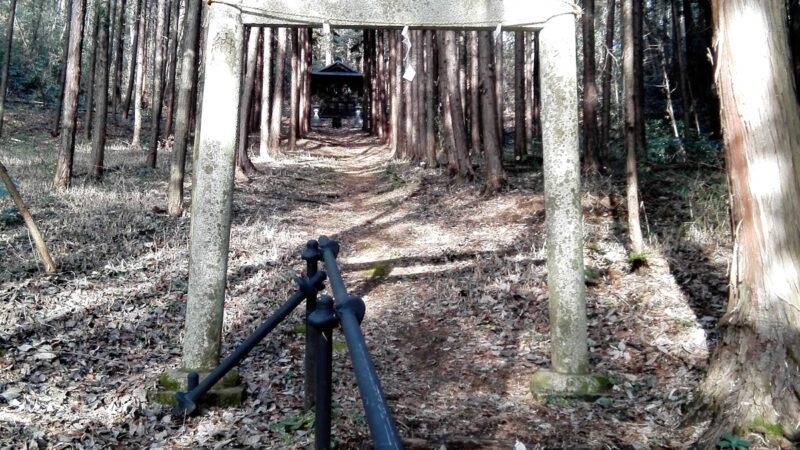
The grounds of Daito Shrine (Minami Daito Village) are located on the north side of the settlement. The approach to the shrine, after passing through the torii gate and climbing the stairs, is intertwined with the branches of large trees, creating a charming atmosphere.
Within the shrine grounds is also a monument to the Daito Flying Fox. The Daito Flying Fox is a natural monument endemic to Minami Daito Island, and it can be commonly seen flying around the settlement at night. The shrine is a place deeply connected to the island’s natural environment.
Access Information
Location: Minami Daito Village, Shimajiri District, Okinawa Prefecture
Access: Approximately 10 minutes by car or rental bicycle from Minami Daito Airport
Minami Daito Island can be accessed by plane from Naha Airport (approximately 1 hour) or by ferry. Rental cars and bicycles are convenient for getting around the island.
About Daito Shrine (Kita Daito Village)
There is also a Daito Shrine in Kita Daito Village, Shimajiri District, Okinawa Prefecture, also known as “Daito-gu.” Like Minami Daito Island, Kita Daito Island began to be settled during the Meiji period, and the shrine was founded by the settlers.
The Daito Shrine on Kita Daito Island also functions as the center of faith on the island and is deeply connected to the lives of the islanders. Similar to the Daito Shrine on Minami Daito Island, it retains strong traces of the settlement history and cultural influence from Hachijo Island.
History and Overview of Daito Shrine (Isesaki City)
Founded Through Consolidation
Daito Shrine, located in Isesaki City, Gunma Prefecture, was established by consolidating several smaller shrines. After the Meiji Restoration, the facility, which had ceased its role as a military encampment, was used as Obokata Elementary School. Later, with the opening of Higashi Elementary School, Obokata Elementary School was reduced to a branch school.
Following the issuance of an order for the reorganization of shrines, the ten merged smaller shrines and 32 large and small shrines of Higashi Obokata were consolidated, and in 1913 (Taisho 2), a new shrine building was constructed on the current site, which had been donated as shrine land, and the shrine was relocated. It was at this time that it came to be called “Daito Shrine.”
The name “Daito” is thought to originate from the consolidation of several shrines in the Higashi district.
Center of Local Faith
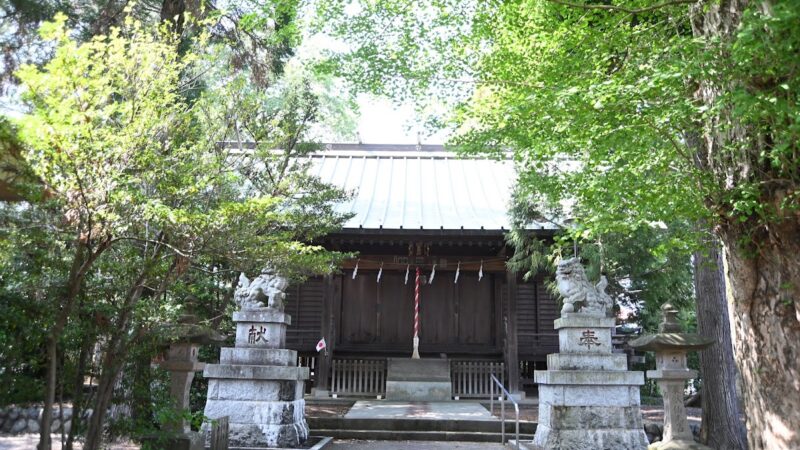
Daito Shrine (Isesaki City) is cherished as the local guardian deity and serves as the center of faith for the local residents. By merging several smaller shrines, this shrine has become a place that enshrines diverse deities and encompasses various regional beliefs.
Access Information
Location: Isesaki City, Gunma Prefecture
Access: Approximately 10 minutes by car from Isesaki Station on the JR Ryomo Line
It is recommended to check the detailed address and visiting hours in advance.
Similarities and Differences of Daito Shrines in Various Locations
Similarities
Daito shrines scattered throughout Japan share several commonalities.
- Center of Regional Faith: Each Daito shrine is an important object of worship in its respective region.
- Historical Background: Many shrines were founded or developed during the Meiji and early Showa periods, and are closely related to the history of modern Japan.
- Reflection of Regional Culture: Each shrine strongly reflects the history and culture of its region.
Differences
On the other hand, each Daito shrine also has clear differences.
- History of Founding: The Daito Shrine in Ome City was founded in connection with an ideological movement, the Daito Shrines on Minami Daito Island and Kita Daito Island were founded in conjunction with land development projects, and the Daito Shrine in Isesaki City was founded through the consolidation of shrines. Each shrine has a different background.
- Deities Enshrined: The deities enshrined differ at each shrine. Some shrines enshrine Amaterasu Omikami, while others enshrine the myriad gods or ancestral spirits.
- Geographical Environment: The locations vary greatly, ranging from mountainous areas of Honshu to remote islands of Okinawa and the Kanto Plain.
- Characteristics of Festivals: Some shrines perform unique regional festivals, such as the harvest festival on Minami Daito Island, while others perform more general shrine festivals.
Points to Note When Visiting a Daito Shrine
Etiquette for Visiting a Shrine
When visiting a Daito Shrine, follow the general etiquette for visiting a shrine.
- Bow before passing through the torii gate: As a sign of respect before entering the sacred area, bow before the torii gate.
- Purify yourself at the water basin: If there is a water basin, purify your hands and mouth.
- Avoid the center of the approach: The center of the approach is considered the path of the gods, so walk along the sides.
- Worship at the main hall: Worship using the ritual of two bows, two claps, and one bow.
Enjoying the unique characteristics of each shrine
Each Daito shrine has its own unique characteristics, and understanding these characteristics before visiting will lead to a deeper experience.
- Ome City: You can admire the main hall architecture associated with Ise Grand Shrine, and enjoy the beautiful flowers during the plum blossom season.
- Minami Daito Island: If you visit during the harvest festival, you can see Edo sumo and Okinawan sumo performances. The natural environment as a habitat for the Daito flying fox is also an interesting point.
- Isesaki City: Due to its history of merging multiple small shrines, you can feel the diverse faith in various deities.
Combining with Nearby Sightseeing
When visiting Daito Shrine, combining it with nearby sightseeing spots will make your trip more fulfilling.
- Ome City: It’s possible to combine it with sightseeing in Ome’s old town, Mount Mitake, and the nature of Okutama.
- Minami Daito Island: The entire island is a tourist spot, with stargazing, an underwater observation tower, and a museum where you can learn about the island’s history.
- Isesaki City: It can be combined with other sightseeing spots in the city, such as Isesaki Shrine and Kazoji Park.
Cultural Significance of Daito Shrine
Symbol of Regional Identity
Daito Shrines in various locations symbolize the identity of their respective regions. In particular, on Minami Daito Island and Kita Daito Island, a unique culture has been formed by the fusion of the culture of people who migrated from Hachijo Island and Ryukyu culture, and Daito Shrine plays a central role in that culture.
Daito Shrine in Ome City is a valuable historical site that conveys the history of the pre-war nationalist movement and is an important place for considering the intellectual history of modern Japan.
The Connection Between Faith and Life
Daito Shrine is not merely a tourist spot, but a place of faith deeply intertwined with the lives of local residents. The shrine is utilized in various situations, such as annual events, visits at life’s milestones, and local festivals.
This connection between faith and life is an important element in understanding traditional Japanese religious views and a sense of community.
The Inheritance of History
Each Daito Shrine also plays a role in inheriting the history of its respective region. Various historical events, such as the history of settlement, the history of intellectual movements, and the history of shrine consolidation, are passed down to future generations through the shrine.
The stone monuments, buildings, and traditional festivals remaining on the shrine grounds are important cultural heritage that preserve historical memories that cannot be fully conveyed through written records alone.
Points to Note When Visiting Daito Shrine
Observing Proper Worship Manners
Since shrines are sacred places, it is important to observe proper worship manners. Please avoid making loud noises or running around the shrine grounds. Also, please note that photography is prohibited in some areas.
Pre-trip Access Check
Especially when visiting Daito Shrines on Minami Daito Island or Kita Daito Island, access to the islands is limited, so you need to check flight and ferry schedules in advance. Since cancellations may occur due to weather, it is recommended to plan your itinerary with some leeway.
Daito Shrines in Ome City and Isesaki City may also be inconvenient to access by public transportation, so it’s a good idea to check transportation options in advance.
Check Visiting Hours
Some shrines have limited visiting hours. Especially if you wish to receive a goshuin (shrine stamp) or amulet at the shrine office, it is recommended to check the opening hours in advance.
Consideration of Season and Weather
When visiting Daito Shrines on Minami Daito Island, summer is extremely hot and also a time when typhoons are likely to occur. Appropriate clothing and hydration are necessary.
If you plan to visit Daito Shrine in Ome City during plum blossom season, it’s a good idea to check the blooming period beforehand.
Summary
There are many shrines named “Daito Shrine” throughout Japan, each with its own unique history and characteristics. The Daito Shrine in Ome City, Tokyo, is a place of worship linked to the Showa Restoration movement; the Daito Shrines on Minami Daito Island and Kita Daito Island in Okinawa Prefecture convey the history of pioneering and the culture of Hachijo Island; and the Daito Shrine in Isesaki City, Gunma Prefecture, is a local tutelary shrine with a history of shrine consolidation, each playing an important role.
Visiting these shrines allows you to gain a deeper understanding of Japan’s modern history, regional culture, and the diversity of beliefs. Why not visit Daito Shrines not merely as tourist spots, but as places to learn about local history and culture?
When visiting, it is important to understand the historical background and connection to the region of each shrine and to visit with respect. Through the space of a shrine, it will be a valuable experience to touch upon traditional Japanese culture and the individuality of the region.