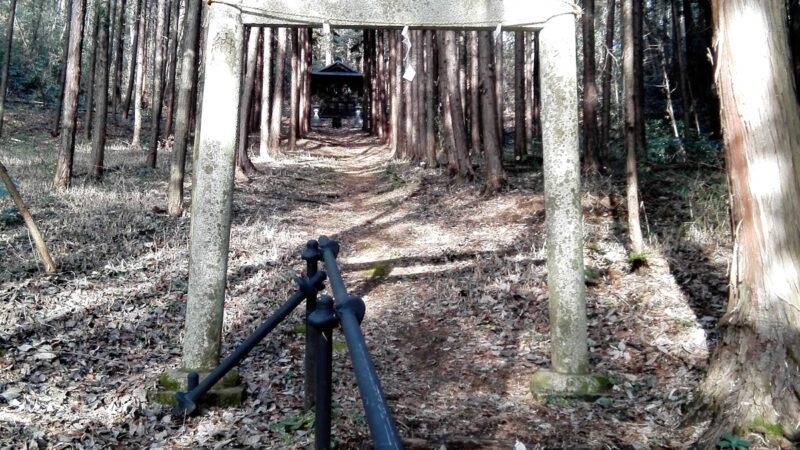
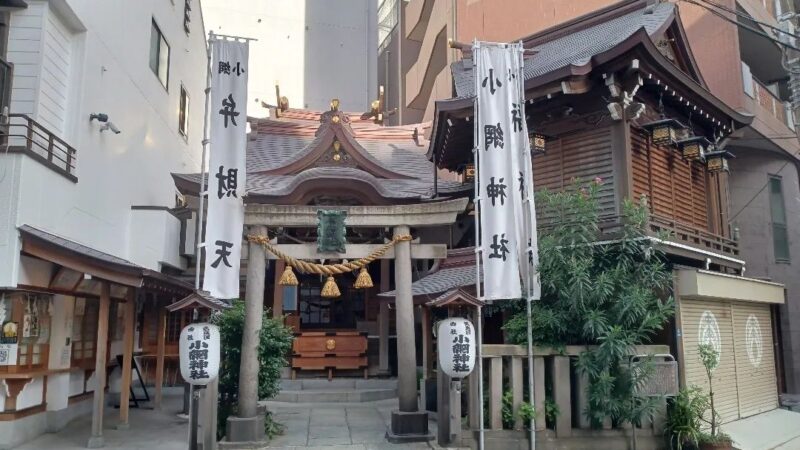
What are Ise Shrines?
Ise Shrines are a general term for shrines based on the Ise faith that exist throughout Japan. Many of these shrines consider Ise Grand Shrine (Ise City, Mie Prefecture) as their head shrine, and enshrine Amaterasu Omikami as their principal deity. They are cherished as centers of local faith.
Historical Background of Ise Shrines
The Ise faith became extremely popular among common people during the Edo period, known as “O-Ise-mairi” (pilgrimage to Ise). However, for those who could not actually visit Ise Grand Shrine, shrines were established in various locations, enshrining a分霊 (bunrei, a divided spirit) of Ise Grand Shrine. These shrines are called “Ise Shrine,” “Ise-gu,” or “Shinmei-sha,” and serve as spiritual centers for the people of their respective regions.
Major Ise Shrines
Tokyo
- Ise Shrine (Suginami Ward): Located in a quiet residential area, it is revered as the local guardian deity.
Shimane Prefecture
- Ise Shrine (Izumo City): Located near Izumo Taisha, it possesses a unique atmosphere where the faiths of Ise and Izumo are fused.
Other Regions
Shrines with the same name are scattered throughout Japan, each reflecting the history and culture of its region.
Deities and Divine Virtues
Main Deity
Amaterasu Omikami
- The supreme deity in Japanese mythology
- The goddess personifying the sun
- Revered as the ancestral deity of the Imperial family
Deities Enshrined Alongside
Some shrines also enshrine the following deities:
- Toyouke Omikami: God of food and grains
- Sarutahiko Omikami: God of guidance
- Amenokoyane no Mikoto: God of religious ceremonies and rituals
Benefits and Divine Virtues
Main Benefits
Good Fortune and Prosperity
It is believed that the divine virtues of Amaterasu Omikami have the power to improve all aspects of one’s luck.
Family Safety
Protects the health and peaceful life of the family. Since the Edo period, the shrine has been revered as “O-Ise-san,” a place where people pray for the safety and well-being of their families.
Business Prosperity
The life force and energy of prosperity associated with the sun goddess are believed to support the development of businesses.
Protection from Misfortune and Disaster
The divine power of Amaterasu Omikami is believed to protect oneself from all kinds of calamities.
Matchmaking and Successful Relationships
It is believed to bring good relationships between people and to bring good encounters in work and studies.
Academic Success
Many visitors come to pray for improvement in wisdom and learning.
Special Benefits
Some shrines offer unique benefits based on local history and traditions. It is recommended to check the history of each shrine before visiting.
Points for Visiting a Shrine
Basic Worship Etiquette
1. How to Pass Through the Torii Gate
- Bow before passing through the torii gate.
- The center of the path is the path for the gods, so walk on either the left or right side.
2. How to Purify Yourself at the Water Basin
- Take the ladle with your right hand and purify your left hand.
- Switch the ladle to your left hand and purify your right hand.
- Switch the ladle back to your right hand, receive water in your left hand, and rinse your mouth.
- Purify your left hand once more.
- Hold the ladle upright, purify the handle, and return it to its original position.
3. Worship at the Main Hall
- Quietly place your offering in the offering box.
- If there is a bell, ring it.
- Worship using the Two Bows, Two Claps, One Bow method.
- Bow deeply twice.
- Clap your hands twice.
- Finally, bow deeply once.
Suitable Times for Visiting a Shrine
Early Morning Visit
- The time when the shrine is filled with the purest energy.
- A peaceful environment allows for calm and peaceful worship.
- Visiting with the rising sun allows you to feel the divine blessings of Amaterasu Omikami, the sun goddess, more strongly.
Daytime Visit
- The shrine office is open, and you can receive Goshuin (shrine stamps) and amulets.
- It is also possible to receive prayers from Shinto priests.
Recommended Times to Visit
New Year’s Day/First Shrine Visit
The perfect time to pray for good fortune in the new year.
Annual Grand Festival
Each shrine holds its annual grand festival. A valuable opportunity to experience the history and traditions of the shrine.
Summer Purification Ceremony (June 30th)
Purifying oneself of the impurities accumulated over the past six months and praying for good health and protection from illness for the remaining half of the year.
Year-End Purification Ceremony (December 31st)
Purifying oneself of the impurities accumulated over the year and preparing for the new year.
Attire and Manners for Visiting a Shrine
- Please wear clean clothing (avoid tracksuits and sandals).
- Remove your hat before passing through the torii gate.
- Please be quiet within the shrine grounds.
- Please only take photographs in designated areas.
- Photography is often prohibited inside the main hall.
Access Information
Since Ise Shrines exist throughout Japan, it is important to check the location of the shrine you wish to visit in advance.
Examples of Access to Major Ise Shrines
Ise Shrine in Suginami Ward, Tokyo
- Train: Approximately 10 minutes on foot from Koenji Station on the JR Chuo Line/Sobu Line
- Bus: Immediately after alighting at the Ise Shrine bus stop (Kanto Bus)
- Car: Approximately 10 minutes from the Takaido IC on the Shuto Expressway Route 4 Shinjuku Line (Please check for parking availability)
Ise Shrine in Izumo City, Shimane Prefecture
- Train: Approximately 15 minutes by taxi from Izumo-shi Station on the JR San’in Main Line
- Bus: Alighting at the Ise Shrine bus stop (Ichibata Bus)
- Car: Approximately 20 minutes from the Izumo IC on the San’in Expressway
Points to Note When Accessing
When Using Public Transportation
- Check the travel time from the nearest station in advance
- Check the timetable as bus services are infrequent in some areas
- Temporary buses may operate during events such as the annual festival
When Using a Car
- Check the availability and capacity of parking in advance.
- During New Year’s visits and annual festivals, congestion is expected, so the use of public transportation is recommended.
- When setting your car navigation system, accurately enter the official name and address of the shrine.
Accessibility Information
- Wheelchair accessibility
- Availability of ramps and elevators
- Availability of multi-purpose restrooms
It is recommended to inquire directly with each shrine about this information.
Items Offered and Goshuin (Shrine Seals)
Main Items Offered
Amulets
- Good Fortune Amulet: Overall improvement of luck
- Family Safety Amulet: Health and safety of family members
- Business Prosperity Amulet: Business development
- Traffic Safety Amulet: Safe travels
- Academic Achievement Amulet: Improvement of academics
Talismans (Shinfuda)
Shinfuda to be enshrined on the household altar. Welcome the divine blessings of Amaterasu Omikami into your home.
Goshuin (Shrine Seals)
Each shrine has its own unique goshuin. It can be given as a memento of your visit.
- Reception Hours: Usually 9:00 AM to 5:00 PM (may vary by shrine)
- Offering Fee: Approximately 300-500 yen
Summary
Ise Shrines enshrine a divided spirit of Ise Grand Shrine, allowing visitors to feel the divine blessings of Amaterasu Omikami up close. They offer various blessings, including good fortune, family safety, and business prosperity, and are beloved by the local community.
When visiting, it is important to observe proper etiquette and offer your prayers with sincerity. Also, each shrine has its own unique history and characteristics, so researching beforehand will allow for a deeper pilgrimage experience.
Access methods and visiting hours vary by shrine, so it is recommended to check the latest information on the official website or by phone before visiting.