About Nezu Shrine
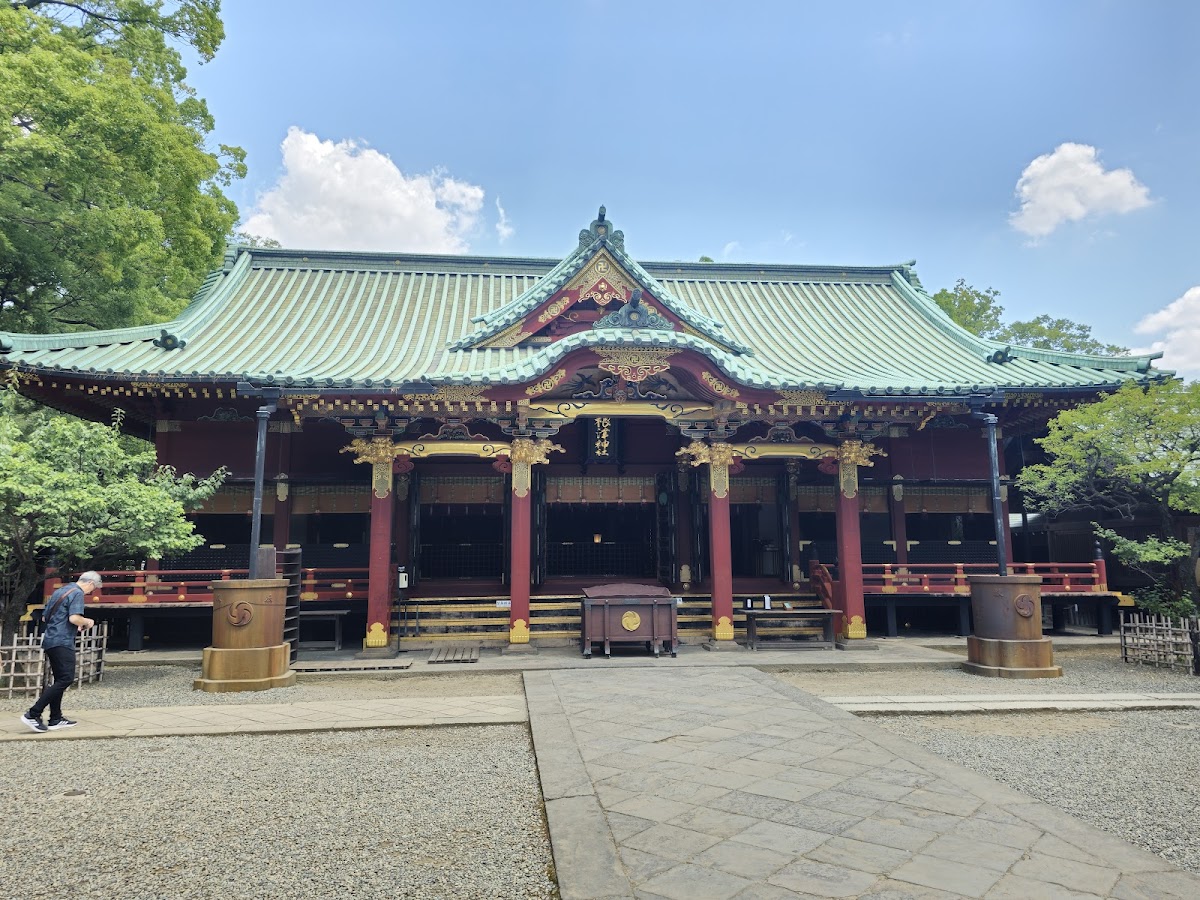
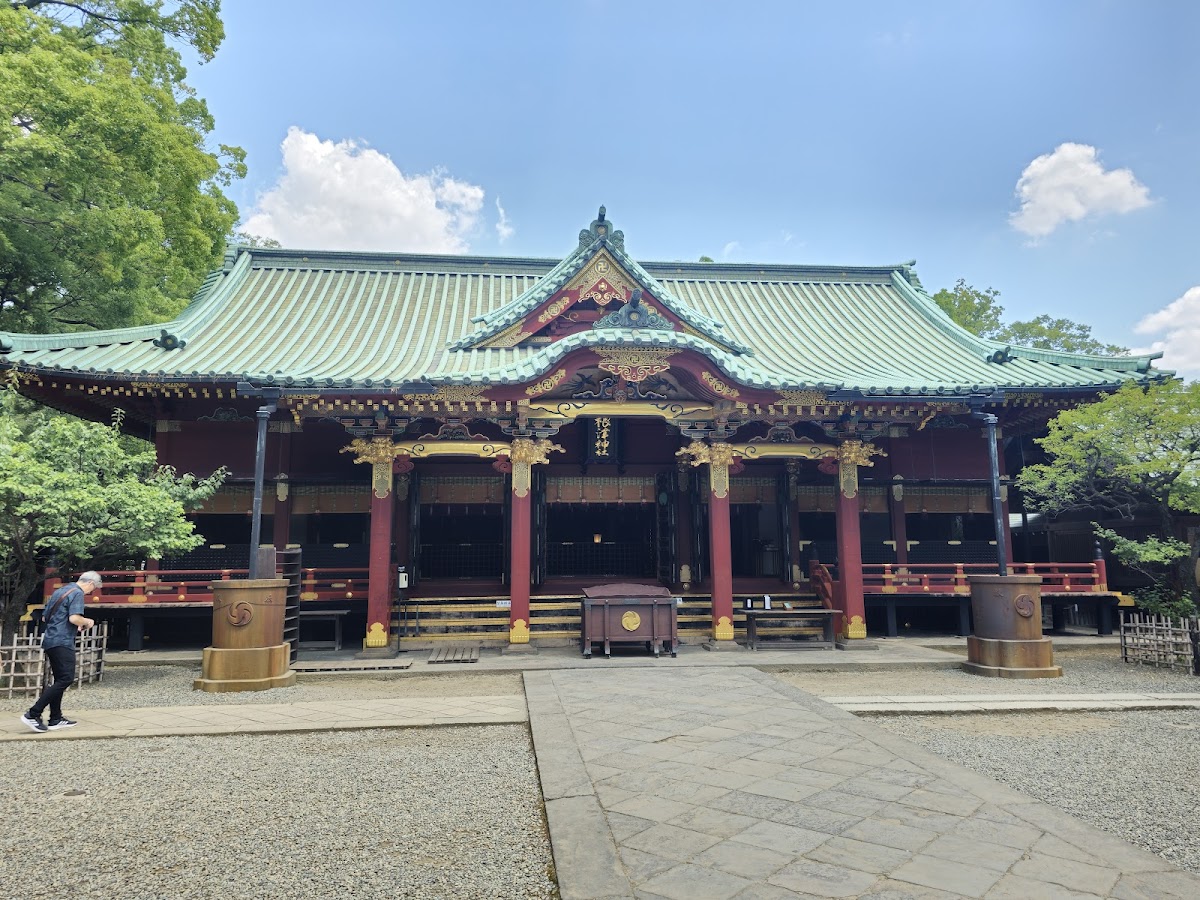
Nezu Shrine is a historic shrine located in Nezu, Bunkyo-ku, Tokyo. It is said to have been founded 1900 years ago by Yamato Takeru no Mikoto, and during the Edo period, the fifth shogun, Tokugawa Tsunayoshi, constructed the current shrine buildings. It is counted as one of the Ten Shrines of Tokyo, and its highlight is the Gongen-zukuri style shrine buildings, which are designated as a National Important Cultural Property.
Although located in a quiet residential area, it becomes bustling with many visitors during the spring azalea festival.
Points to Note During Your Visit
Main Hall and Worship Hall (Important Cultural Property)
The Gongen-zukuri style shrine buildings, constructed in 1706 (Hoei 3), are a masterpiece of Edo-period architecture, with the main hall, offering hall, and worship hall connected. The magnificent construction, featuring lacquer work and carvings, conveys the high level of architectural skill of the time. Pay attention to the details of the buildings during your visit.
Senbon Torii (Otome Inari Shrine)
The path leading to Otome Inari Shrine, located on the north side of the shrine grounds, features a “Senbon Torii” (Thousand Torii Gates), a row of vermilion torii gates. This scene, reminiscent of Fushimi Inari Taisha in Kyoto, is a popular photo spot. Climbing the stone steps while passing through the torii gates leads to a small Inari shrine.
Azalea Garden
The “Azalea Garden,” with approximately 3,000 azalea bushes of about 100 varieties planted on a 2,000-tsubo (approx. 6,600 square meter) site, is the main attraction of Nezu Shrine. The “Bunkyo Azalea Festival” is held annually from mid-April to early May, with various varieties blooming sequentially, from early-blooming to late-blooming.
- Best time to see: Late April to early May
- Admission fee: 200 yen during the festival period (junior high school students and older)
- Opening hours: 9:00 to around 17:30
With sweet sake tea stalls, a plant market, and other stalls, it’s a beloved spring tradition in the local area.
Benefits
The main deities enshrined at Nezu Shrine are the following three:
- Susanoo-no-Mikoto: Protection from evil and disaster
- Oyamakui-no-Mikoto: Matchmaking and business prosperity
- Honda-wake-no-Mikoto: Good fortune in victory and career advancement
These deities are believed to offer a wide range of benefits, including matchmaking, protection from evil, exorcism, business prosperity, and success in exams. Many visitors come to pray for good fortune in love and protection from evil.
Access
Access by Train
Nezu Shrine is within walking distance of several stations:
- Tokyo Metro Chiyoda Line “Nezu Station” and “Sendagi Station”: 5-minute walk
- Tokyo Metro Namboku Line “Todaimae Station”: 5-minute walk
- Toei Mita Line “Hakusan Station”: 10-minute walk
The nearest stations are Nezu Station and Sendagi Station, both of which provide access to the main entrance (Omotesando).
Access by Car
There is no dedicated parking lot, but there are coin-operated parking lots nearby. However, it gets crowded during the Azalea Festival, so using public transportation is recommended.
Basic Information
- Address: 1-28-9 Nezu, Bunkyo-ku, Tokyo
- Visiting Hours: Grounds are freely accessible (Shrine office is open from 9:00 to 17:00)
- Admission Fee: Free (Azalea Garden is charged during certain periods)
- Official Website: http://www.nedujinja.or.jp/
Nearby Attractions
The area around Nezu Shrine is home to the charming streets of the Yanaka, Nezu, and Sendagi (Yanaka-Nezu-Sendagi) area. Traditional Japanese cafes, galleries, and long-established confectionery shops are scattered throughout, making it ideal for a stroll. The University of Tokyo’s Hongo Campus and the Shinobazu-dori Fureai-kan are also within walking distance.