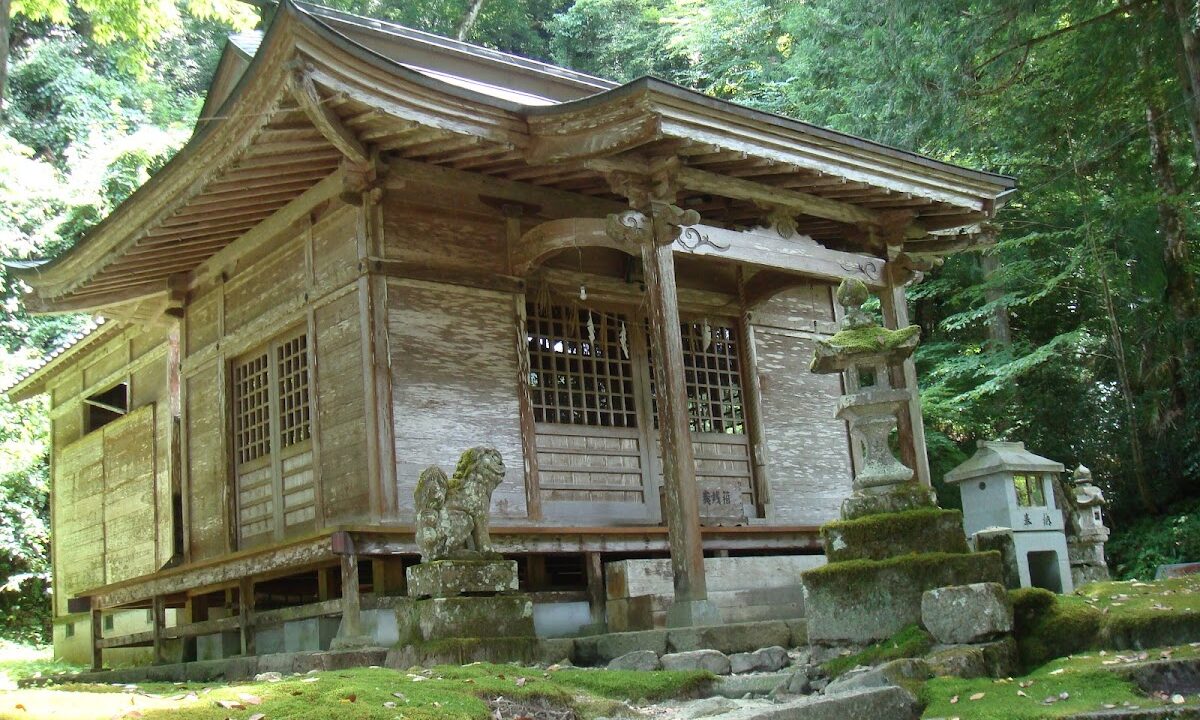
Obara Shrine (Ogouchi, Kawara-cho, Tottori City, Tottori Prefecture) Complete Guide | History, Deities, and Access Information
Located in Ogouchi, Kawara-cho, Tottori City, Tottori Prefecture, Obara Shrine is a historic shrine that has long been revered as the local guardian deity. Having survived a fire during the Heisei era, the shrine buildings stand quietly today as a testament to the deep faith of the local residents. This article provides detailed information about Obara Shrine, including its history, enshrined deities, historical changes, and its development up to the present day.
Basic Information about Ohara Shrine
Location: Ogouchi, Kawara-cho, Tottori City, Tottori Prefecture
Former Name: Ohara Daimyojin
Shrine Rank: Village Shrine
Deities Enshrined:
- Main Deity (details below)
- Oyamatsumi-no-Mikoto (enshrined from Yama-no-Kami)
- Uke-mochi-no-Kami (enshrined from Inari Daimyojin)
Ohara Shrine is located in the Ogouchi district of Kawara-cho, Tottori City, and has a long history as the tutelary shrine of Ogouchi Village. As a shrine belonging to the Tottori Prefectural Shrine Association, it plays a central role in local faith.
History and Origins of Ohara Shrine
Founding and Ancient Beliefs
The founding date of Ohara Shrine is not precisely known, but it has long been revered by local residents as “Ohara Daimyojin.” It appears that a faith closely tied to agriculture and daily life was practiced there, serving as a spiritual pillar of the Ogouchi Village community.
The unknown founding date suggests that the shrine has existed since ancient times. It is highly likely that the faith was passed down orally before being recorded in documents, illustrating the depth of shrine faith in this region.
The Meiji Era of Transformation
The early Meiji period was a time of significant change in Japan’s shrine system. Ohara Shrine also underwent important changes during this period.
Merger and Renaming in the Early Meiji Period:
- Merger of Yamanokami: The Yamanokami (enshrined deity: Oyamatsumi-no-Mikoto), previously enshrined at the village’s Yamanokami, was merged.
- Merger of Inari Daimyojin: Inari Daimyojin (enshrined deity: Ukemochi-no-Kami) of Hiumon (a place name) was merged.
- Renaming of the Shrine: Following these mergers, the shrine was renamed from “Ohara Daimyojin” to “Ohara Shrine.”
This merger is thought to have been carried out as part of the Meiji government’s shrine reorganization policy. The purpose of consolidating multiple small shrines was to unify the local faith into a single shrine and to improve its management system.
Fire and Reconstruction in the Heisei Era
The most important event in the modern history of Ohara Shrine was the fire that occurred on March 3, 1989 (Heisei 1).
Damage from the Fire:
The shrine suffered significant damage, with the main shrine building being destroyed by the fire. The loss of the shrine building, which had long been the center of local faith, must have been a great shock to the local residents.
Efforts Towards Rapid Reconstruction:
Immediately after the fire, reconstruction work began thanks to the strong will of the local residents and parishioners. This swift response demonstrates the deep faith the community has in Ohara Shrine.
Reconstruction of the Shrine:
In October 1990, just 1 year and 7 months after the fire, the following structures were rebuilt:
- Main Hall: The most sacred space where the deity is enshrined.
- Offering Hall: The space connecting the Main Hall and the Worship Hall where Shinto rituals are performed.
- Worship Hall: The space where worshippers offer their prayers.
This rapid reconstruction is etched in the history of Ohara Shrine as an event symbolizing the strong bonds of the local community and the deep faith in the shrine.
About the Deities
Ohara Shrine enshrines three deities through amalgamation.
Main Deity
This deity has been worshipped since ancient times as Ohara Daimyojin, but the specific name of the deity is not clearly recorded. It has been worshipped as a guardian deity of the region, presiding over the peace and prosperity of agriculture and all aspects of life.
Ōyamatsumi-no-Mikoto
Origin: A deity worshipped as the mountain god of the village’s mountain shrine.
Divine Status: God of mountains, god of agriculture
Divine Virtues:
- Protection of forests
- Agricultural prosperity
- Family safety
- Business success
Ōyamatsumi-no-Mikoto is known in Japanese mythology as a great god who presides over mountains, and has been deeply revered, especially by those engaged in agriculture. As a god who connects the blessings of the mountains with the abundance of agriculture, he is an important figure for the agricultural community in the Ogouchi district.
Ukemochi-no-Kami (Goddess of Food)
Origin: A deity worshipped as Inari Daimyojin of Hiumon
Divine Status: God of food, god of abundant harvests
Divine Virtues:
- Abundant harvests
- Protection of food
- Business prosperity
- Industrial development
Ukemochi-no-Kami, the goddess who presides over all food, has been widely worshipped in conjunction with Inari worship. In Ogouchi Village, which is based on agriculture, worshipping the god of food was an important faith directly related to daily life.
The Faith of Ohara Shrine and its Connection to the Community
Role as a Clan Deity
Ohara Shrine has served as the clan deity of Ogouchi Village, a spiritual pillar for the local residents. A clan deity is a god who protects the people living in a specific area, and those born in that area maintain a deep connection with the shrine throughout their lives as parishioners.
Characteristics of Ujigami Worship:
- Protection of the Region: Prayers for the safety and prosperity of the entire village.
- Life Cycle Rituals: Visits to the shrine at milestones in life, such as the first shrine visit for a newborn, Shichi-Go-San (a traditional rite of passage for children), and exorcism.
- Annual Events: Seasonal festivals, including the annual festival.
- Community Sense: Formation of a local community centered around the shrine.
Deep Connection to Agriculture
The Ogouchi area is a region centered on agriculture, and the deities enshrined at Ohara Shrine also have deep connections to agriculture.
Practice of Agricultural Worship:
- Spring Harvest Festival: A festival praying for a bountiful harvest.
- Autumn Harvest Festival: A festival expressing gratitude for the harvest.
- Daily Worship: Prayers at milestones in agricultural work.
By enshrining Oyamatsumi-no-Mikoto and Uke-mochi-no-Kami, deities associated with agriculture and food, the shrine has become a familiar and practical place of worship for local farmers.
The Architecture and Grounds of Ohara Shrine
Current Shrine Building
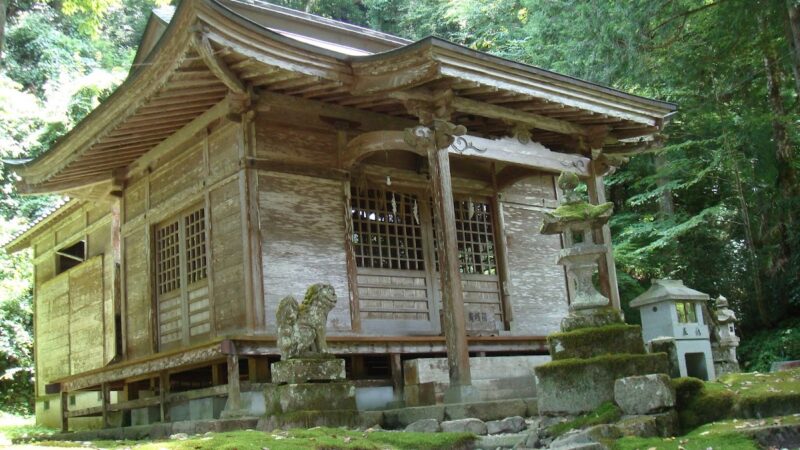
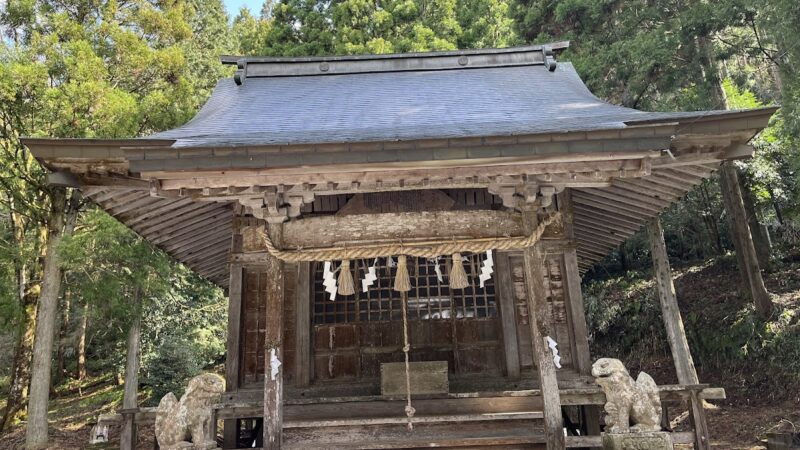
The shrine building, rebuilt in 1990 (Heisei 2), incorporates modern technology while adhering to traditional shrine architectural styles.
Main Hall:
This is the most sacred space where the deity is enshrined. Ordinary visitors are usually not allowed to enter. It is a sacred area where only Shinto priests are permitted to enter during religious ceremonies.
Offering Hall:
This space connects the main hall and the worship hall. It is the central place for Shinto rituals, where priests recite prayers and offer sacred food.
Worship Hall:
This is the space where worshippers offer their prayers. It is where ordinary people face the deity. Worship is performed from here towards the main hall.
Atmosphere of the Shrine Grounds
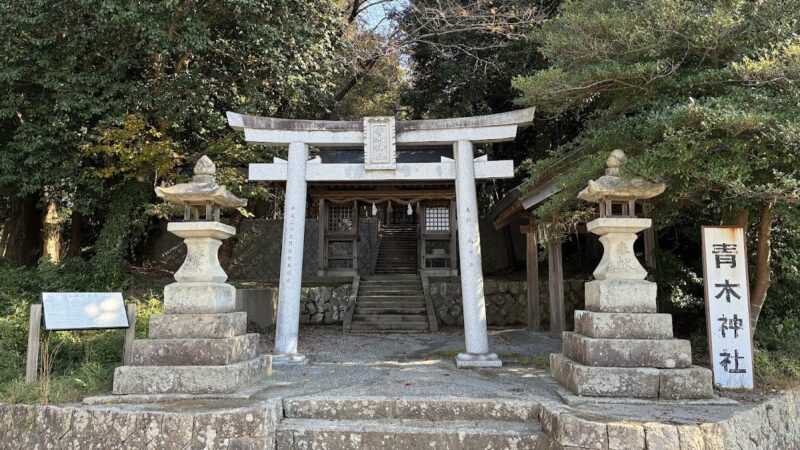
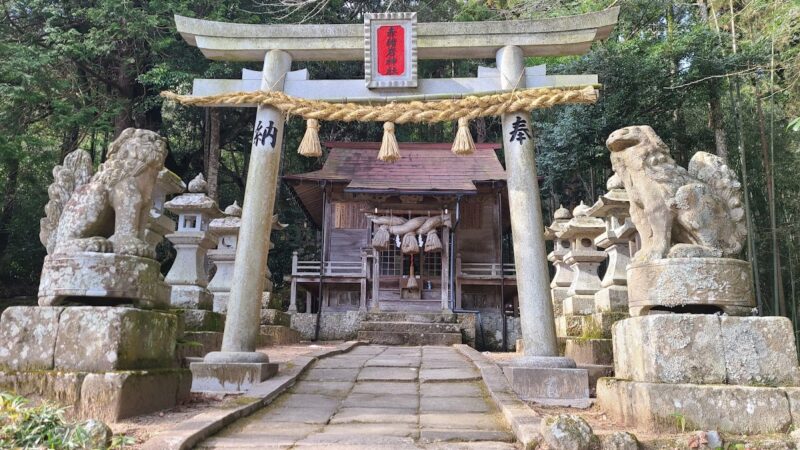
The grounds of Ohara Shrine are quietly situated in the rich natural environment of Kawara-cho, Tottori City. Harmonizing with the surrounding rural landscape, it provides a space that offers peace of mind to visitors.
About Ogouchi, Kawara-cho, Tottori City
Regional Characteristics
Ogouchi is a district belonging to Kawara-cho, Tottori City, located in the rural area of the Chiyo River basin. Surrounded by abundant nature, it has long been a place where people have lived a life centered on agriculture.
Geographical Characteristics:
- Southeast of central Tottori City
- A naturally rich area within Kawara-cho
- An agricultural area benefiting from the Chiyo River system
History of Kawara-cho
Until its merger with Tottori City on November 1, 2004, Kawara-cho was an independent municipality as Kawara-cho, Yazu District. After the merger, it became part of Tottori City as Kawara-cho, Tottori City.
Historical Background:
- A historically important transportation hub in the Chiyogawa River basin
- A region where agriculture is the main industry
- A region where traditional rural culture remains
Access to Ohara Shrine
Location Details
Address: Ogouchi, Kawara-cho, Tottori City, Tottori Prefecture
Access by Public Transportation
Kawara-cho in Tottori City is located southeast of the city center. The following routes are possible when using public transportation:
By JR:
- Get off at Kawara Station on the JR Inbi Line
- Take a taxi or local bus from the station to the Ogouchi area
By Bus:
Take a bus from Tottori City towards Kawara, and it is accessible on foot from the nearest bus stop. However, since the number of buses may be limited, it is recommended to check the timetable in advance.
Access by Car
From Tottori City Center:
- Head south on National Route 53
- Proceed towards Kawaramachi and head towards the Ogouchi area
- Estimated time: Approximately 20-30 minutes
Parking:
There may be parking spaces for visitors on the shrine grounds or nearby, but we recommend checking on-site or inquiring in advance for details.
Manners and Etiquette for Visiting a Shrine
Basic Shrine Etiquette
When visiting Ohara Shrine, please observe the following basic shrine visiting manners.
How to Pass Through a Torii Gate:
- Bow before the torii gate.
- Walk along the edge of the path, as the center is the path for the gods.
- Maintain a reverent attitude when entering the shrine grounds.
How to Wash Your Hands:
- Take the ladle with your right hand and wash your left hand.
- Switch the ladle to your left hand and wash your right hand.
- Switch the ladle back to your right hand, receive water in your left hand, and rinse your mouth.
- Finally, stand the ladle upright to wash the handle.
Worship at the Main Hall:
- Quietly place your offering in the offering box.
- Ring the bell if there is one.
- Worship using the two bows, two claps, and one bow ritual.
- Convey your wishes and gratitude silently.
Attire for Worship
Unless it is a special festival, everyday clothing is acceptable, but please note the following:
- Wear clean clothing.
- Avoid overly revealing clothing.
- Dress appropriately, keeping in mind that this is a sacred place.
Differences between Ohara Shrine and other Ohara Shrines
Be careful not to confuse the names
There are actually several shrines named “Ohara Shrine.” In particular, within Tottori Prefecture, there is another shrine called “Kyakujinja (Ohara Shrine)” in Nanbu Town, which is a tourist spot known as “Broccoli Shrine” or “Totoro Forest.”
Ohara Shrine in Kawara-cho, Tottori City:
- Location: Ogouchi, Kawara-cho, Tottori City
- Characteristics: The tutelary shrine of Ogouchi Village, a historical guardian deity of the region
- Personality: A traditional, community-oriented shrine
Ohara Shrine (Kyakujinja) in Nanbu Town:
- Location: Nanbu Town, Saihaku District, Tottori Prefecture
- Characteristics: Its appearance, nestled in the countryside, resembles “Totoro’s Forest”
- Personality: Recently, it has also become a popular tourist spot on social media
This article introduces the Ohara Shrine located in Ogouchi, Kawara-cho, Tottori City. Please confirm the location before visiting.
Annual Events at Ohara Shrine
Annual Festival
At Ohara Shrine, as a tutelary shrine, various festivals are held throughout the year. Specific dates are set based on local customs and the guidance of the Tottori Prefectural Shrine Association.
Main Annual Events:
- New Year’s Day Festival (January 1st): Celebrating the New Year and praying for peace throughout the year
- Prayer Festival (Spring): A major spring festival praying for a bountiful harvest
- Annual Grand Festival (Autumn): The most important festival of the shrine
- Niiname-sai Festival (Autumn): A festival giving thanks for the harvest
- Great Purification Ceremony (June & December): A Shinto ritual to cleanse away the sins and impurities accumulated over the past six months
Connection with the Community
During festivals, local parishioners gather, providing an opportunity to reaffirm the bonds of the community centered around the shrine. Especially during the Annual Grand Festival, the entire community participates in enlivening the shrine and plays a crucial role in passing on traditions to future generations.
What the Recovery from Fire Shows
The Strength of Local Faith
The fire in 1989 and the subsequent rapid recovery demonstrated the deep bond between Ohara Shrine and the local residents.
Factors that Supported the Reconstruction:
- Unity of the Parishioners: Local residents worked together as one to achieve reconstruction.
- Deep Faith: A strong faith in the local deity was the driving force.
- Pride of the Region: A renewed recognition that Ohara Shrine is the core of the region’s identity.
- Sense of Inheriting Tradition: A sense of responsibility to pass on the faith to the next generation.
Significance in the Modern Era
In the midst of population decline and depopulation, it is not easy to continue protecting local shrines. However, the reconstruction of Ohara Shrine demonstrates the importance of shrines as a spiritual pillar for local communities.
Shrine Culture in Tottori Prefecture and Ohara Shrine
Characteristics of Shrines in Tottori Prefecture
Tottori Prefecture has many places associated with myths appearing in the Kojiki and Nihon Shoki, and shrine faith is deeply rooted there.
Major Shrines in Tottori Prefecture:
- Hakuto Shrine (Tottori City): The setting of the legend of the White Rabbit of Inaba
- Ube Shrine (Tottori City): The Ichinomiya (first-ranked shrine) of Inaba Province
- Ogamiyama Shrine (Daisen Town): The Ichinomiya (first-ranked shrine) of Hoki Province
The Position of Ohara Shrine
Ohara Shrine is not a large-scale shrine like these famous ones, but as a local guardian shrine, it is an important presence that supports the shrine culture of Tottori Prefecture. The rich shrine culture of Tottori Prefecture as a whole is formed by the worship of various shrines of all sizes in each region.
Notes for Visitors
Consideration for the Local Community
Ohara Shrine is not a tourist destination, but a place of worship for local residents. Please observe the following points when visiting:
- Worship quietly
- Do not trespass on private property
- Always take your trash with you
- Do not disturb the lives of local residents
- Take photographs responsibly
Seasonal Precautions
Summer:
- Heatstroke prevention (hat, hydration)
- Insect repellent
Winter:
- Possibility of snow and ice
- Cold weather protection
- Check road conditions in advance
Rainy Season:
- Prepare rain gear
- Be careful of uneven ground
Attractions around Ohara Shrine
Tourist Spots in Kawaramachi
When visiting Ohara Shrine, why not explore other spots around Kawaramachi?
Kawara Castle:
A symbolic landmark of Kawaramachi, the castle tower offers panoramic views of the surrounding area.
Nature along the Chiyogawa River:
Enjoy the rich natural beauty of the clear Chiyogawa River.
Sightseeing in Tottori City
The following are some of the tourist attractions in the central area of Tottori City:
- Tottori Sand Dunes: One of the largest sand dunes in Japan
- Tottori Castle Ruins: A historical site that tells the history of the Sengoku period
- Jinpukaku: A Western-style building designated as a National Important Cultural Property
Summary
Ohara Shrine, located in Ogouchi, Kawara-cho, Tottori City, Tottori Prefecture, is a historical shrine whose founding date is unknown, but it has long been revered by local residents as the tutelary deity of Ogouchi Village. In the early Meiji era, the village’s mountain god and Inari Daimyojin were enshrined together, and the shrine was renamed from Ohara Daimyojin to Ohara Shrine.
Although it faced the difficulty of losing its shrine buildings in a fire in 1989, thanks to the fervent faith of the local residents, the main hall, offering hall, and worship hall were rebuilt just 1 year and 7 months later, in October 1990. This swift recovery demonstrates that Ohara Shrine is an irreplaceable spiritual pillar for the community.
Ohara Shrine, which enshrines Oyamatsumi-no-Mikoto and Uke-mochi-no-Kami, deities associated with agriculture and food, remains a cherished place of worship deeply intertwined with the lives of the people of the Ogouchi district, whose economy is based on agriculture.
When visiting Tottori City, why not visit not only the famous tourist spots but also these locally rooted shrines and experience the history, culture, and faith of the people? Ohara Shrine quietly continues to convey the role of shrines in Japanese communities and the power of faith.