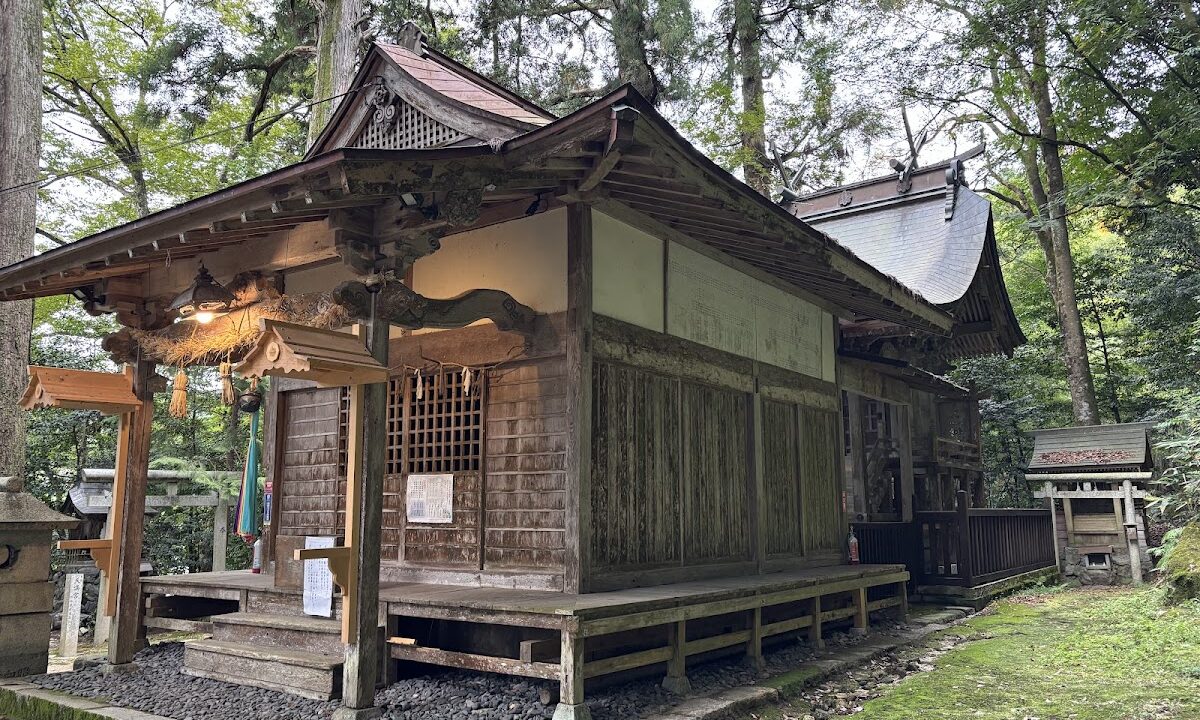
Higashii Shrine (Tottori Prefecture) | A Thorough Explanation of its History, Deities, and Highlights [Tottori City]
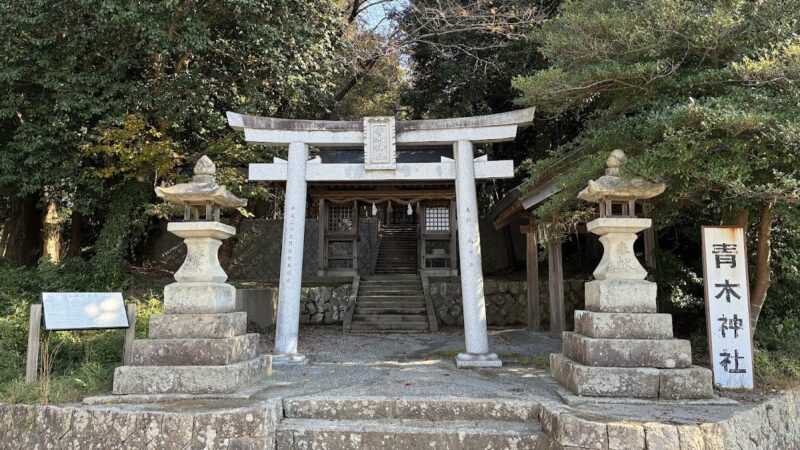
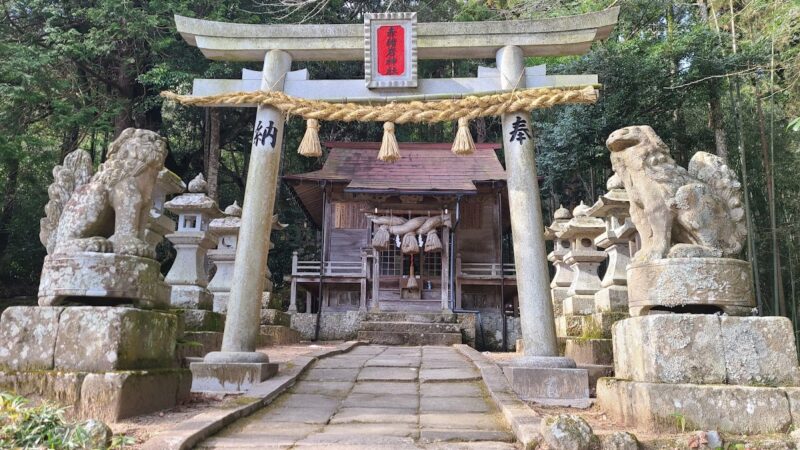
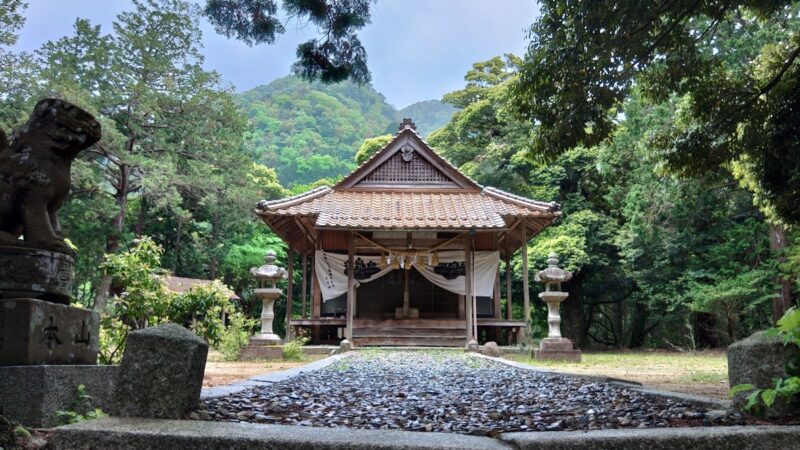
Higashii Shrine, located in Tottori City, boasts a long history dating back to the Heian period. It is a venerable shrine that merged with six surrounding shrines during the Meiji era. The current shrine buildings feature the swallowtail butterfly crest of the Ikeda family, the lords of the Tottori domain, and a large ginkgo tree over 300 years old welcomes visitors within the grounds. This article provides a thorough explanation of Higashii Shrine’s detailed history, deities, highlights, and access information.
History and Origins of Higashii Shrine
History Dating Back to the Heian Period
The origins of Higashii Shrine date back to the Tenryaku era (947-957) in the mid-Heian period. At that time, it is believed that the Yasaka Shrine in Kii-be Yasaka, Yamashiro Province (present-day Kyoto Prefecture), was invited and enshrined as “Myoken Daimyojin.” From this period onward, it played an important role as a shrine that attracted the faith of the local people.
Trials of the Sengoku Period
Around 1580 (Tensho 8), during Toyotomi Hideyoshi’s invasion of Inaba Province, the shrine suffered significant damage, with all its buildings and historical records being destroyed by fire. While detailed records prior to this historical event were lost, the shrine subsequently recovered and became a center of local faith.
Prosperity during the Edo Period
During the Edo period, the shrine was positioned as a major shrine within the county and played an important role as a place of prayer for the Tottori domain lord. Under the patronage of the lord, it developed into a shrine deeply revered not only by local residents but also by the samurai class.
Major Transformations in the Meiji Era
In 1868 (Meiji 1), Higashii Shrine underwent a major transformation. In this year, six shrines located within the village were merged, and the shrine was renamed “Higashii Shrine,” after the village’s name at the time.
The six shrines that were merged are as follows:
- Iwataki-no-kami (enshrining Sarutahiko-no-Okami and Seoritsuhime-no-Mikoto)
- Mikoshi-no-kami (enshrining Oyamatsumi-no-Mikoto)
- Niiza-no-kami (enshrining Okuninushi-no-kami and Kotoshironushi-no-kami)
- Kitano-no-kami (enshrining Sugawara no Michizane)
- Miyayama-no-kami (enshrining Okuninushi-no-kami and Kotoshironushi-no-kami, located within the shrine grounds)
- Kitano-no-kami (enshrining Sugawara no Michizane, located within the shrine grounds)
Origin of the Current Shrine Building
In 1872 (Meiji 5), the shrine buildings of the Ube Shrine and Karo Shrine branch shrines, which were located at the Shotokukan, the domain school of the Tottori Domain, were relocated and the current shrine building was constructed. The shrine building features the “swallowtail butterfly” crest, the family crest of the Ikeda family, the lords of the Tottori Domain, in various places, illustrating its deep connection to the domain. Furthermore, the shrine’s unique crest, the “Kuyo” (nine stars) crest, can also be seen, creating a rare sight of the two crests side by side.
About the Deities
Higashii Shrine enshrines many deities through the amalgamation of six shrines. Each deity possesses different divine virtues and responds to the various wishes of worshippers.
Main Deities and Their Divine Virtues
Sarutahiko-no-Okami
Known as the god of opening paths, he is a god who guides people at life’s turning points and when starting new businesses. He is believed to bring protection from traffic accidents and misfortune.
Seoritsuhime-no-Mikoto
As the goddess of purification, she is believed to have the power to cleanse and purify sins and impurities. She is believed to have the divine virtues of purifying mind and body and warding off evil.
Oyamatsumi-no-Mikoto
As the god of mountains, he is a deity who brings the blessings of the earth. It is believed to bring blessings of abundant harvests, family safety, and business prosperity.
Okuninushi-no-kami
A god of nation-building, also known as the principal deity of Izumo Taisha Shrine. He is also worshipped as the god of matchmaking, good fortune, and medicine.
Kotoshironushi-no-kami
Known as the god of oracles and business prosperity. He is also the guardian deity of fishing and commerce.
Sugawara no Michizane
He is worshipped nationwide as the god of learning. He is believed to bring blessings of academic success, passing exams, and improvement in calligraphy.
Highlights of Higashii Shrine
Shrine Buildings Retaining the Ikeda Family’s Swallowtail Butterfly Crest
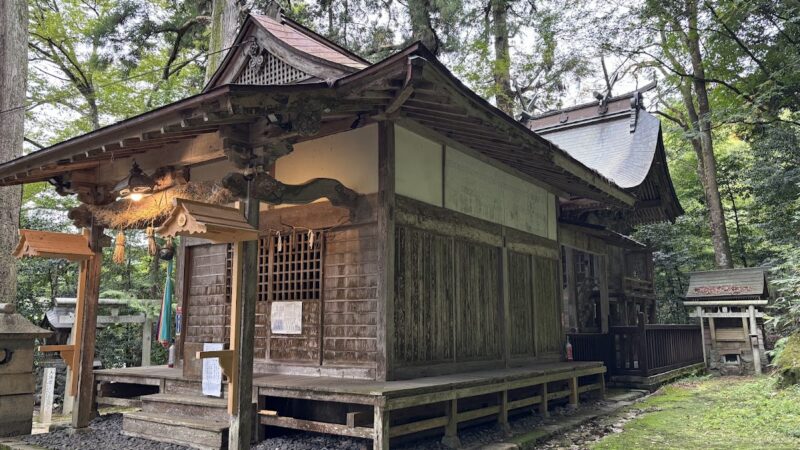
The most distinctive feature of Higashii Shrine is the shrine buildings, where the family crest of the Ikeda family, lords of the Tottori Domain, the “swallowtail butterfly,” can be seen throughout. The shrine building, relocated from the Shōtokukan in 1872 (Meiji 5), retains the style of the domain school architecture of the time, making it a historically valuable structure.
The swallowtail butterfly motifs adorning the beams, transoms, and doors of the shrine are rendered with delicate carving techniques, demonstrating the high level of craftsmanship from the late Edo period to the early Meiji era. The shrine’s crest, the “Kuyō” (nine stars) crest, can also be seen alongside these motifs, creating a rare and unique sight where the two crests harmonize.
A Ginkgo Tree Over 300 Years Old
A magnificent ginkgo tree, estimated to be over 300 years old, stands tall within the shrine grounds. This giant tree is a symbol of Higashii Shrine, having watched over the region’s history for centuries.
In autumn, its leaves turn golden, creating a breathtaking sight as the entire grounds are covered in a yellow carpet. During the leaf-falling season, many worshippers and photography enthusiasts visit to enjoy the changing seasons. This large ginkgo tree is cherished as a living witness to the shrine’s history and as a local landmark.
Subsidiary Shrines and Auxiliary Shrines
Several subsidiary shrines are located within the grounds of Higashii Shrine.
Tenmangu Shrine
This shrine is dedicated to Sugawara no Michizane and is visited by many students and those preparing for exams, praying for academic success. It is especially crowded during exam season.
Inari Shrine
This shrine is worshipped as the god of business prosperity and abundant harvests. It is characterized by its vermilion torii gate and is deeply revered by local business people.
Taki Shrine
This shrine is dedicated to the god of water, and is a place to express gratitude for the blessings of pure water and pray for protection from water-related disasters.
Each of these subsidiary shrines possesses its own unique divine virtues and responds to the diverse wishes of visitors.
Scenery of the Four Seasons
Higashii Shrine displays different expressions in each of the four seasons. Spring: The cherry blossoms in the shrine grounds are in full bloom, and the season of fresh greenery arrives. Many people visit to give thanks for their success in exams or to pray for safety in their new lives, coinciding with the start of the new academic year.
Summer: The shrine grounds, enveloped in deep green, offer a tranquil space despite being in an urban area. During the summer festival, it becomes lively with local people.
Autumn: The large ginkgo trees turn golden, marking the most beautiful season. Many worshippers visit during the autumn foliage season, and can be seen strolling through the grounds with cameras in hand.
Winter: The serene atmosphere created by the snow-covered shrine buildings and the large ginkgo trees evokes a sense of solemnity and sacredness. During the New Year’s visit season, it becomes lively with many worshippers.
Annual Events and Festivals
Higashii Shrine holds various festivals and events throughout the year.
Annual Grand Festival
The annual grand festival, held every autumn, is the most important festival of Higashii Shrine. Traditional Shinto rituals, such as the procession of the portable shrine and the dedication of Kagura (sacred dance), are performed, and local people gather to offer their gratitude to the gods.
New Year’s Visit
Many worshippers visit the shrine for their first visit of the new year. They pray for safety and prosperity throughout the year and celebrate the start of the new year.
Setsubun Festival
On Setsubun in February, a bean-throwing ritual is performed, a popular event among local people to ward off evil and invite good fortune.
Summer Purification Ceremony
At the end of June, the “Summer Purification Ceremony” is held to cleanse away the sins and impurities accumulated over the past six months. Through rituals such as passing through a ring of reeds, people purify their minds and bodies.
Etiquette and Manners for Visiting a Shrine
Basic Etiquette for Visiting a Shrine
There are traditional customs for visiting a shrine. When visiting Higashii Shrine, please observe the following basic etiquette.
- Bow before passing through the torii gate: Before entering the sacred area, bow as a sign of respect.
- Walking along the approach: The center of the approach is considered the path of the gods, so it is polite to walk along the sides.
- Purify yourself at the water basin: Purify your hands and mouth at the water basin before praying. Purify your left hand, then your right hand, then your mouth, and finally your left hand.
- Praying at the main hall: Pray using the two bows, two claps, and one bow method. If there is a bell, ring it first, then bow deeply twice, clap twice, and finally bow deeply once.
- Bow upon Departure: When leaving, after passing through the torii gate, turn around and bow towards the shrine.
Photography Etiquette
Photography is generally permitted on the shrine grounds, but please observe the following points:
- Refrain from taking photos inside the shrine or during religious ceremonies.
- Be considerate of other worshippers.
- Check beforehand if using a tripod is permitted.
- Use flash photography sparingly.
Access to Higashii Shrine
Location
Address: Higashi-machi, Tottori City, Tottori Prefecture (Please check official information for the exact address)
Access by Public Transportation
From JR Tottori Station:
- Walking: Approximately 15-20 minutes
- Bus: Take the Tottori City Loop Bus “Kurunashi,” and walk a few minutes from the nearest bus stop.
It is relatively close to Tottori Station, making it accessible on foot. Visiting in conjunction with exploring central Tottori City is also recommended.
Access by Car
Tottori Expressway:
- Approximately 10-15 minutes from Tottori IC
Parking: Parking is available on the shrine grounds or nearby, but spaces are limited. During busy periods such as New Year’s, we recommend using public transportation.
Nearby Tourist Attractions
When visiting Higashii Shrine, we recommend also visiting nearby tourist attractions.
Tottori Castle Ruins and Hisamatsu Park
Tottori Castle Ruins, within walking distance of Higashii Shrine, is a historical site where you can experience the history from the Sengoku period to the Edo period. Climbing to the summit of Hisamatsu Mountain offers a spectacular view of Tottori city and the Sea of Japan. It is also known as a cherry blossom viewing spot in spring.
Jinpukaku
This Western-style building, constructed in 1907 (Meiji 40), is designated as a National Important Cultural Property. The beautiful white building showcases the pinnacle of architectural technology at the time, and interior tours are available.
Warabe-kan (Children’s Song Museum)
This museum of children’s songs, nursery rhymes, and toys allows you to experience the world of nostalgic toys and nursery rhymes. It’s a popular spot for families.
Tottori City History Museum Yamabiko-kan
This museum allows you to learn about the history and culture of Tottori, and exhibits materials that help you understand the history of Higashii Shrine more deeply.
Tottori Sand Dunes
The Tottori Sand Dunes, a representative tourist attraction of Tottori, are about a 20-minute drive from Higashii Shrine. The magnificent scenery of Japan’s largest sand dunes is a must-see.
Prayers and Amulets at Higashii Shrine
Various Prayers
At Higashii Shrine, you can receive prayers tailored to various milestones in life and your wishes.
- Family Safety: Prayers for the health and peace of the family
- Business Prosperity: Prayers for the development and prosperity of the business
- Academic Success: Prayers for academic improvement and passing exams
- Protection from Misfortune: Prayers for protection from misfortune during the unlucky year
- Traffic Safety: Prayers for safety in vehicles and traffic
- Safe Childbirth: Prayers for the health of mother and child and a safe delivery
- First Shrine Visit: Prayers for the healthy growth of the baby
- Shichi-Go-San: Prayers for the growth of children and for their future health
If you wish to have a prayer ceremony, we recommend contacting the shrine office in advance to make a reservation.
Amulets and Souvenirs
Higashii Shrine offers a variety of amulets and souvenirs.
- Academic Achievement Amulet: An amulet for academic success, benefiting from the divine virtues of Sugawara no Michizane.
- Traffic Safety Amulet: An amulet for traffic safety guided by Sarutahiko Okami.
- Exorcism Amulet: An amulet for protection against misfortune and disaster.
- Matchmaking Amulet: An amulet for good relationships, benefiting from the divine virtues of Okuninushi-no-Kami.
- Health Amulet: An amulet to protect the health of your family.
- Goshuin (Shrine Seal): A Goshuin is given as a memento of your visit.
Cultural Value of Higashii Shrine
Value as a Historical Building
The current shrine building, relocated in 1872 (Meiji 5), is a valuable structure that conveys the architectural style of the late Edo period to the early Meiji period. In particular, the fact that it was relocated from the Shōtokukan, the domain school of the Tottori Domain, makes it a rare example of conversion from an educational facility to a religious facility, and is of great architectural historical interest.
Connection to the Ikeda Family
The swallowtail butterfly crest of the Ikeda family remaining on the shrine building is important physical evidence demonstrating the deep connection between the Tottori Domain and the shrine. The conversion of the domain school building into a shrine symbolizes the social changes of the Meiji Restoration, a period of great transformation.
History of Shrine Consolidation
The case of Higashii Shrine, which consolidated six shrines during the Meiji era’s shrine consolidation policy, is valuable material for studying the relationship between religious policy and local communities at the time. The consolidation of multiple shrines into one gave rise to the current form of shrine, which enshrines diverse deities.
Engagement with the Local Community
Higashii Shrine functions not merely as a tourist spot, but as a central presence in the local community.
Parishioner Organization
The parishioners’ association, organized by local parishioners, supports the maintenance and management of the shrine and the operation of festivals. They conduct cleaning activities and maintain the shrine grounds throughout the year, continuously protecting the shrine.
Hub for Community Events
Annual events such as the Grand Festival and Summer Festival are important opportunities for local residents to gather. Through these events, intergenerational interaction is fostered, deepening community bonds.
Educational Space
For local children, Higashii Shrine is also a place to learn about traditional Japanese culture and history. Events such as Shichi-Go-San (a traditional rite of passage for children) and Hatsumode (first shrine visit of the year) provide opportunities to learn about shrine etiquette and traditional Japanese values.
How to Enjoy Visiting Higashii Shrine
Quiet Morning Visit
The shrine grounds in the early morning are filled with a sacred atmosphere enveloped in silence. You can visit slowly during this time when there are fewer people, allowing you to calm your mind and connect with the gods. The large ginkgo trees, especially when illuminated by the morning sun, display a divine beauty.
Experiencing the Changing Seasons
Higashii Shrine, which displays different expressions in each of the four seasons, offers enjoyment in every season. The golden leaves of the ginkgo trees in autumn are particularly magnificent and well worth a visit with a camera.
As part of a pilgrimage to collect Goshuin (temple/shrine stamps)
Visiting Higashii Shrine is highly recommended as part of a pilgrimage to collect Goshuin from shrines and temples in Tottori City. There are several temples and shrines around the Tottori Castle ruins, and you can visit them all in half a day to a full day.
Historical exploration
Strolling around and searching for traces of history, such as the swallowtail butterfly crest on the shrine building and the stone monuments on the grounds, is a fascinating experience. Those interested in Tottori’s history can enjoy it more deeply by doing some research beforehand.
Summary
Higashii Shrine is a venerable shrine with a long history dating back to the Heian period, and it took its current form in the Meiji era when six shrines were merged. With its shrine building bearing the swallowtail butterfly crest of the Ikeda family, the lords of the Tottori domain, a ginkgo tree over 300 years old, and a wide range of divine blessings from its diverse enshrined deities, it is a shrine rich in attractions and is popular with both locals and tourists.
Despite its convenient location in the heart of Tottori City, the tranquil grounds offer a healing space that allows you to forget the hustle and bustle of the city. When you visit Tottori, be sure to stop by Higashii Shrine and experience its history, culture, and sacred atmosphere.
When visiting, observing basic etiquette and showing respect to the deities will make for a more fulfilling experience. With its beautiful scenery throughout the seasons, historical buildings, and deep roots in local faith, Higashii Shrine offers visitors much inspiration and learning.