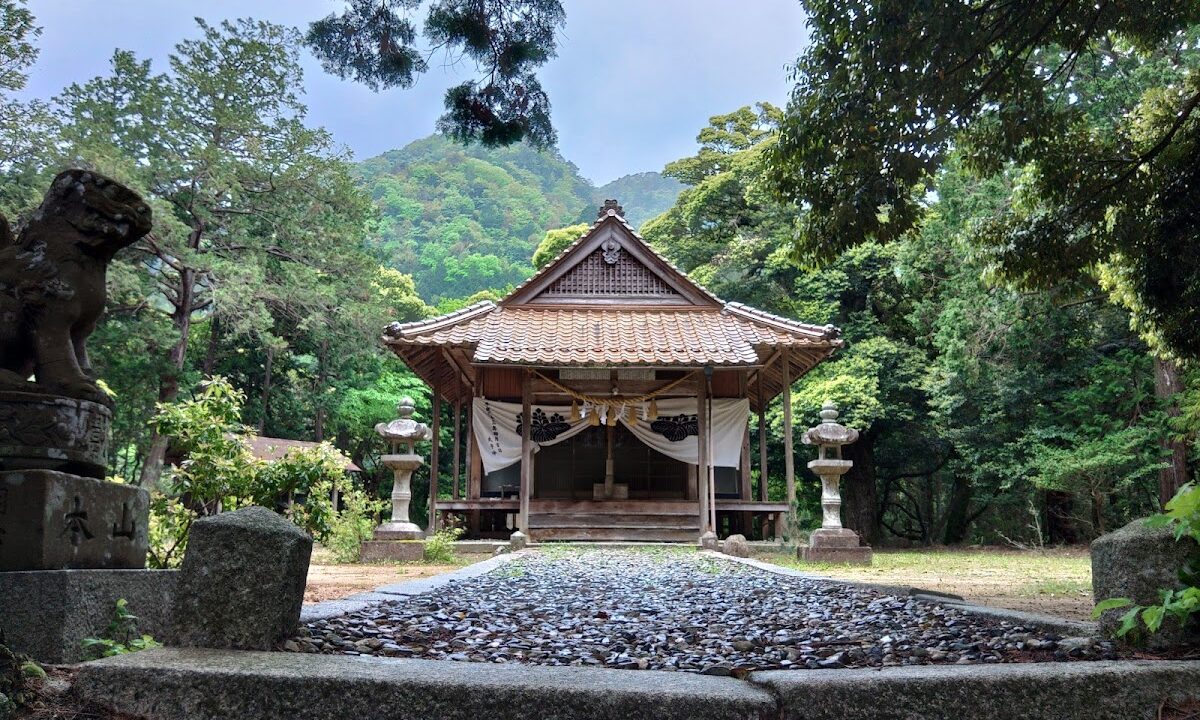
Inuyama Shrine (Tottori Prefecture, Tottori City) Complete Guide: A Thorough Explanation from History and Origins to Natural Forest
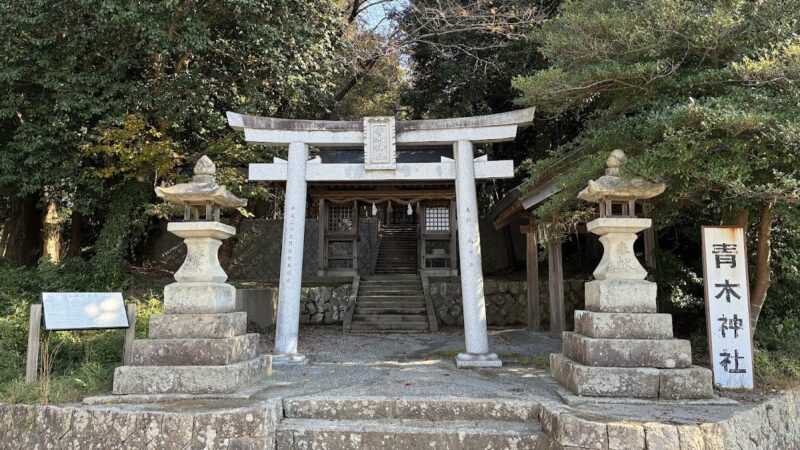
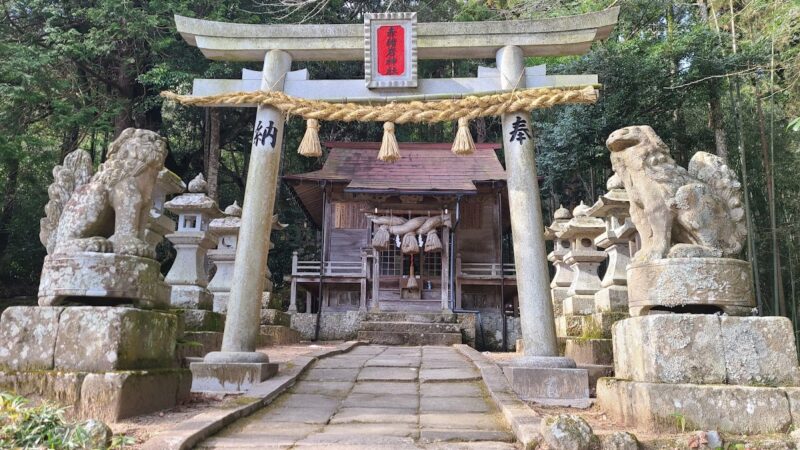
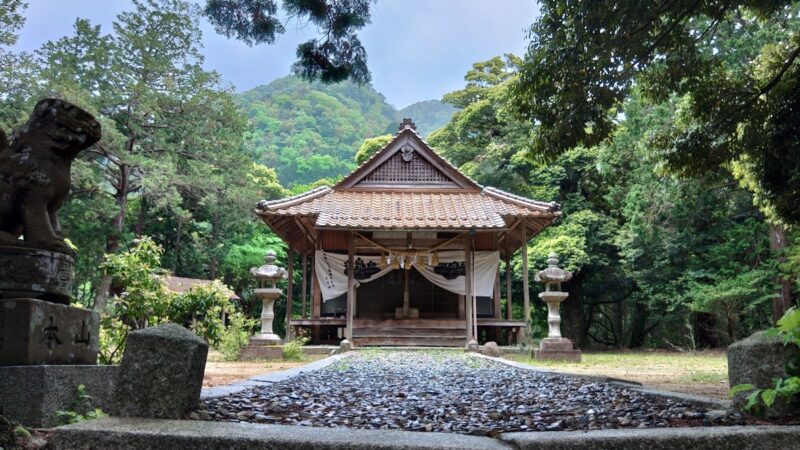
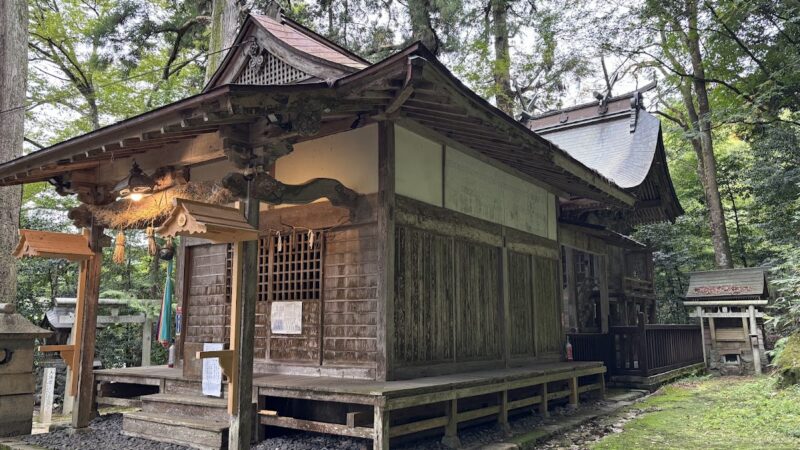
Located in Miyahara, Mochigase-cho, Tottori City, Tottori Prefecture, Inuyama Shrine is a historic shrine with a history dating back to the Heian period. As an ancient shrine of Inaba Province, it is mentioned in the “Nihon Sandai Jitsuroku” (Chronicles of Three Reigns of Japan) and has been preserved as a center of local faith to this day. This article will introduce the charm of Inuyama Shrine in its entirety, from its history and festivals to its precious natural forest and access methods.
Basic Information about Inuyama Shrine
Location: 275 Miyahara, Mochigase-cho, Tottori City, Tottori Prefecture 689-1225
Phone Number: 0858-87-3253
Main Deity: Ashio-Omyojin
Shrine Rank: Former Village Shrine
Inuyama Shrine is located on the north-northeast ridge of Mt. Kagoyama (elevation 905m), in a mountainous area with elevations of 140-180m. Mochigase-cho is located in the southern part of Tottori City, surrounded by the rich natural environment of the Chizu Valley.
History and Origins of Inuyama Shrine
Ancient Beliefs
The founding date of Inuyama Shrine is unclear, but its name appears in historical documents from the Heian period, indicating that it is an ancient shrine with a history of at least 1000 years.
The entry for February of the third year of the Genkei era (879) in Volume 35 of the *Nihon Sandai Jitsuroku* (True Records of Three Reigns of Japan) states, “Inaba Province, Senior Sixth Rank, Upper Grade, Daishin Shrine, Junior Fifth Rank, Lower Grade,” confirming that this shrine was granted a divine rank by the imperial court. This is evidence that it was an important shrine in Inaba Province at the time.
The *Inaba-shi* (History of Inaba Province) from the Edo period states, “The tutelary deity is Ashio Daimyojin, this is the Inuyama Shrine mentioned in the *Nihon Sandai Jitsuroku*,” clearly indicating that this is the Inuyama Shrine mentioned in the *Nihon Sandai Jitsuroku* as a shrine dedicated to Ashio Daimyojin.
Connection with Ariwara no Yukihira
It is said that in the second year of the Saikō era (855), when Ariwara no Yukihira, a well-known poet of the Heian period, was appointed as the governor of Inaba Province, he lived in Miyahara Village and worshipped at this shrine. Ariwara no Yukihira was the older brother of Ariwara no Narihira, one of the Six Poetic Geniuses, and was also known as a man of culture. The fact that he, as Governor of Inaba Province, placed great importance on Inuyama Shrine speaks to the high status of this shrine.
Relationship with the Inukai-be
The name of Inuyama Shrine is believed to be deeply connected to the ancient Inukai-be (dog breeders). The Inukai-be were a group of people who served the imperial court and bred and managed hunting dogs. It is thought that the Inukai-be of Inaba Province lived in the area surrounding Inuyama Shrine.
Dogs have had a deep relationship with humans since ancient times, and were especially important partners in hunting. The Inukai-be were not merely breeders, but also trained dogs and were a specialized group of skilled artisans who provided them for hunting for the imperial court and nobility. Inuyama Shrine likely originated as the center of worship for these Inukai-be, making it a valuable site that conveys the history and culture of the region to the present day.
Festivals and Traditional Events of Inuyama Shrine
Inuyama Shrine Annual Festival
Inuyama Shrine holds an annual festival every year, with traditions preserved by the local community. This festival is also positioned as one of the components of the “Kirin Town” Japan Heritage site, and is an important festival that demonstrates the cultural value of the Inaba region.
At the festival, the Kirin Lion Dance is sometimes performed, using traditional festival equipment such as the Kirin lion head and Shōjō mask, which are unique to the Inaba region. The Kirin Lion Dance is a unique lion dance passed down from eastern Tottori Prefecture to northern Hyogo Prefecture, and unlike typical lion dances, it is characterized by its appearance as a Kirin with horns.
Connections with the Local Community
The festivals of Inuyama Shrine have been passed down through generations by the people of the Miyahara district (Yazumi) of Mochigase Town. Even in mountainous and hilly areas experiencing depopulation, community ties centered around shrines remain cherished, and the annual festival serves as an important opportunity for local residents to gather together.
Inuyama Shrine’s Sacred Grove of Castanopsis Trees
A Valuable Natural Heritage Site
The sacred grove surrounding the grounds of Inuyama Shrine is a valuable primeval forest designated as a natural monument of Tottori City. Despite its relatively low elevation of 140-180 meters, it exhibits a unique vegetation with oak forests at the lower levels and chinquapin forests at the upper levels.
What is particularly noteworthy is the presence of a mixture of forest components from the intermediate zone to the beech zone, despite its low elevation. While beech trees typically grow in high-altitude mountainous areas, the Inuyama Shrine grove also contains these high-altitude plants, making it a botanically fascinating environment.
Upper Limit of Castanopsis sieboldii
This primeval forest is considered to represent the upper limit of Castanopsis sieboldii’s distribution in the Chizu Valley. Castanopsis sieboldii is a representative tree species of the warm temperate zone, widely distributed from lowlands to hills in western Japan, but disappears as elevation increases. The forest surrounding Inuyama Shrine is an important location indicating the limit of Castanopsis sieboldii’s growth in this region, and is highly valued academically as a clue to understanding natural vegetation in lowland areas.
Coexistence of Shrine and Nature
Since ancient times, Japanese shrines have protected forests as sacred grounds. The forest surrounding Inuyama Shrine has also been protected for many years without human intervention, maintaining its pristine natural state. Visitors can walk through the forest, enveloped in a sacred atmosphere, and feel the breath of nature nurtured over eons.
Access to Inuyama Shrine
Access by Car
From central Tottori City, head south on National Route 53 towards Mochigase-cho. The journey takes approximately 30 minutes. The area around the shrine is mountainous, and some roads are narrow, so please drive carefully.
From Tottori city center: Approximately 25km, about 30 minutes by car
From Tottori Expressway Mochigase IC: Approximately 10 minutes
Access by Public Transportation
If using public transportation, the nearest station is Mochigase Station on the JR Inbi Line. Since it’s a bit of a distance from the station, we recommend taking a taxi.
From JR Mochigase Station: Approximately 10 minutes by taxi
Precautions When Visiting
Inuyama Shrine is located in a mountainous area, so there is a possibility of snow and icy roads, especially in winter. We recommend checking the weather beforehand and visiting with appropriate equipment. Also, the shrine office may not always be staffed, so if you wish to receive a Goshuin (shrine stamp), we recommend contacting them in advance.
Nearby Attractions
Mochigase Town Nagashi-bina Museum
Mochigase Town is known for its traditional “Nagashi-bina” (floating doll) ceremony. Every year on March 3rd, the ceremony takes place on the Chiyo River, attracting many tourists. The Nagashi-bina Museum displays the history of this traditional ceremony and hina dolls from all over Japan, making it a convenient visit in conjunction with a visit to Inuyama Shrine.
Mt. Kagoyama Hiking
Mt. Kagoyama (elevation 905m), towering behind Inuyama Shrine, is a popular hiking destination. From the summit, you can enjoy views of the Inaba Plain and the Sea of Japan, as well as the beauty of nature throughout the seasons.
Nature of Chizu Valley
The Chizu Valley, where Inuyama Shrine is located, is blessed with clear streams and abundant forests. You can enjoy beautiful natural scenery throughout the year, from the fresh greenery of spring, the coolness of summer, the vibrant autumn leaves, to the snowy landscapes of winter.
Cultural Value of Inuyama Shrine
Component of the Japan Heritage Site “Kirin no Machi”
The annual festival of Inuyama Shrine is recognized as a component of the Japan Heritage Site “Kirin no Machi.” “Kirin no Machi” refers to a cultural area centered around the Kirin Lion Dance, which is passed down from eastern Tottori Prefecture to northern Hyogo Prefecture. It is a valuable heritage site that conveys the unique history and culture of the region to the present day.
Important Resource for Regional History Research
Inuyama Shrine provides important clues for studying regional history, such as the existence of the ancient Inukai clan, the state of Inaba Province during the Heian period, and the time of Ariwara no Yukihira as Governor of Inaba. As a shrine mentioned in the official history book “Nihon Sandai Jitsuroku,” it is highly valued from a historical perspective.
Manners and Points for Worship
Basic Worship Etiquette
The basic etiquette for worshipping at a shrine is “two bows, two claps, one bow.” Before passing through the torii gate, bow once, and walk along the path avoiding the center. Cleanse your hands and mouth at the purification fountain before proceeding to the main shrine. Place your offering, bow deeply twice, clap your hands twice, and finally bow deeply once.
Consideration for the Natural Environment
The sacred grove of Inuyama Shrine is a valuable natural monument. Please be considerate of the natural environment by refraining from collecting plants or damaging trees. Also, please be sure to take your trash with you and avoid polluting this sacred space.
Photography
Photography is generally permitted on the shrine grounds, but there are areas where photography is restricted, such as inside the main shrine. If unsure, please check beforehand or take photos discreetly.
The History of Inaba as Told by Inuyama Shrine
Inuyama Shrine is not merely a tourist spot; it is a living cultural heritage site embodying the history of Inaba Province from ancient times through the Middle Ages, early modern period, and into the present day. The records of the bestowal of divine ranks, as documented in the *Nihon Sandai Jitsuroku* (True Records of Three Reigns of Japan), are valuable historical sources illustrating the relationship between the imperial court and local shrines during the Heian period. The connection with Ariwara no Yukihira illustrates the ties between the central aristocracy and the provinces.
The existence of the ancient Inukai-be, a specialized group, indicates that this region had deep ties with the imperial court from ancient times, offering a glimpse into the social structure of the time, where a mountainous area was connected to the central government.
Even today, the annual festivals preserved by local people and the precious primeval forest teach us that the faith and reverence for nature of our ancestors still live on.
Summary: The Significance of Visiting Inuyama Shrine
Inuyama Shrine, located in Mochigase-cho, Tottori City, Tottori Prefecture, is a shrine with three major attractions: its history dating back to the Heian period, its connection to the ancient Inukai-be, and its precious primeval forest. While it is a dignified ancient shrine recorded in the official history *Nihon Sandai Jitsuroku*, its quiet presence in the mountains provides visitors with deep spiritual peace.
When you visit Tottori City, why not explore not only the famous tourist spots but also places like this one, where history and nature harmonize? Inuyama Shrine is a precious place where you can experience the essence of Japanese shrine culture and the Japanese tradition of coexistence between people and nature.
The shrine’s forest displays different expressions in each season, traditional events are preserved by the local people, and it is a place of faith that has been passed down for over a thousand years. A visit to Inuyama Shrine will be a special experience that quietly teaches us, who live in the modern age, the passage of time and the weight of history.