Minato Fukiage Shrine (Wakayama Prefecture) Complete Guide | A Thorough Explanation of the Birthplace of Kishu Toka Ebisu
Minato Fukiage Shrine, located in Ono-cho, Wakayama City, Wakayama Prefecture, is a shrine affectionately known as “Ebisu-san” or “Ebessan.” It is known as one of the few shrines in Japan that enshrines two gods of fortune: Minato Shrine, which enshrines Hiruko-no-kami, and Fukiage Shrine, which enshrines Onamuchi-no-kami.
This article provides a detailed explanation of Minato Fukiage Shrine’s history, enshrined deities, the origin of Toka Ebisu, access methods, and information on nearby tourist spots—all useful information for visitors to Wakayama City.
History and Origins of Suimon Fukiage Shrine
“Ono-Minato” as Recorded in the Kojiki
The site where Suimon Fukiage Shrine is located is said to be “Ono-Minato” as recorded in the Kojiki (Records of Ancient Matters). This site is a historical location that played an important role in Emperor Jimmu’s eastern expedition.
It is said that Hikoitsuse-no-Mikoto, Emperor Jimmu’s elder brother, was wounded in a battle with Nagasunehiko in Izumi (present-day southern Osaka Prefecture) during the eastern expedition. He suffered severe bleeding from an arrow wound and died at this site. Suimon Fukiage Shrine, built on this historical site, has long been a center of local faith.
The History of the Merger of Two Shrines
Suimon Fukiage Shrine was originally two independent shrines: Suimon Shrine and Fukiage Shrine. Before World War II, they each had separate shrine buildings, but both were destroyed by war damage.
During the post-war reconstruction process, the two shrines were merged into the same shrine building, resulting in the current form of Suimon Fukiage Shrine. This history makes it a rare shrine nationwide, where one can worship two gods of fortune in a single location.
Deities and Blessings
Deity of Suimon Shrine: Hiruko-no-kami (Ebisu-san)
The deity enshrined at Suimon Shrine is Hiruko-no-kami, a god commonly known as “Ebisu-sama” or “Ebisu-san.” According to myth, Hiruko-no-kami was born as the first child of Izanagi and Izanami, but was deformed and set adrift in a reed boat.
It is said that Hiruko-no-kami drifted the sea and eventually washed ashore in Nishinomiya and Wakayama, where he came to be worshipped as the god of fishing and commerce. It is believed to bring blessings such as business prosperity, fishing success, and maritime safety, and is particularly revered by those in business.
Deity enshrined at Fukiage Shrine: Ōnamuchi-no-kami (Ōkuni-san)
The deity enshrined at Fukiage Shrine is Ōnamuchi-no-kami, also known as “Daikoku-sama.” Ōnamuchi-no-kami is another name for Ōkuninushi-no-mikoto and is also famous as the principal deity of Izumo Taisha Shrine.
Daikoku-sama is believed to bring blessings such as perfect fortune, matchmaking, abundant harvests, and business prosperity. Ebisu-sama and Daikoku-sama are often worshipped together as representative “gods of fortune,” and it is believed that worshipping both deities at once at Suimon Fukiage Shrine will bring even greater blessings.
The Synergistic Effect of the Two Great Gods of Fortune and Virtue
It is believed that by enshrining Ebisu and Daikoku together, one can receive all kinds of blessings, including business prosperity, family safety, and good fortune. This combination is called the “Two Great Gods of Fortune and Virtue,” and is a particularly reassuring presence for business owners and those starting new ventures.
The Birthplace of Kishu Toka Ebisu
What is Toka Ebisu?
Toka Ebisu is a festival held annually from January 9th to 11th at shrines dedicated to the god Ebisu. Many people, especially those praying for business prosperity, visit the shrines and receive lucky bamboo branches and other auspicious items.
Suimon Fukiage Shrine is known as the “birthplace of the Kishu Toka Ebisu festival” and is considered one of the oldest Toka Ebisu festivals in Wakayama Prefecture. Every year, these three days are bustling with many worshippers, and the temple grounds are filled with stalls, creating a lively atmosphere.
Toka Ebisu Schedule and Highlights
January 9th: Yo-Ebisu
This is the eve of the Toka Ebisu festival, and worshippers arrive early. It is especially lively from evening to night.
January 10th: Hon-Ebisu
This is the main day of Toka Ebisu, and the largest number of worshippers visit. The temple grounds are crowded from morning till night with people praying for good fortune.
January 11th: Nokori-Fuku
This is the final day of Toka Ebisu, and it means “receiving remaining good fortune.” The crowds from the previous days subside, and it is sometimes possible to worship at a more leisurely pace.
Lucky Bamboo and Auspicious Items
At the Toka Ebisu festival, you can receive a “fukuzasa,” a type of bamboo branch decorated with auspicious items such as gold coins, sea bream, and rice bales. By displaying this fukuzasa in your shop or home, you pray for business prosperity and family safety throughout the year.
At Suimon Fukiage Shrine, in addition to the traditional fukuzasa, a variety of auspicious items are available, allowing visitors to choose according to their wishes.
Highlights of the Shrine Grounds
Large White Torii Gate
The first thing that catches the eye upon visiting Suimon Fukiage Shrine is the large white torii gate. Despite being located in a residential area, this gate stands out even from afar, serving as a landmark to the shrine. Passing through this magnificent gate, you enter a shrine grounds enveloped in a sacred atmosphere.
Shrine Building
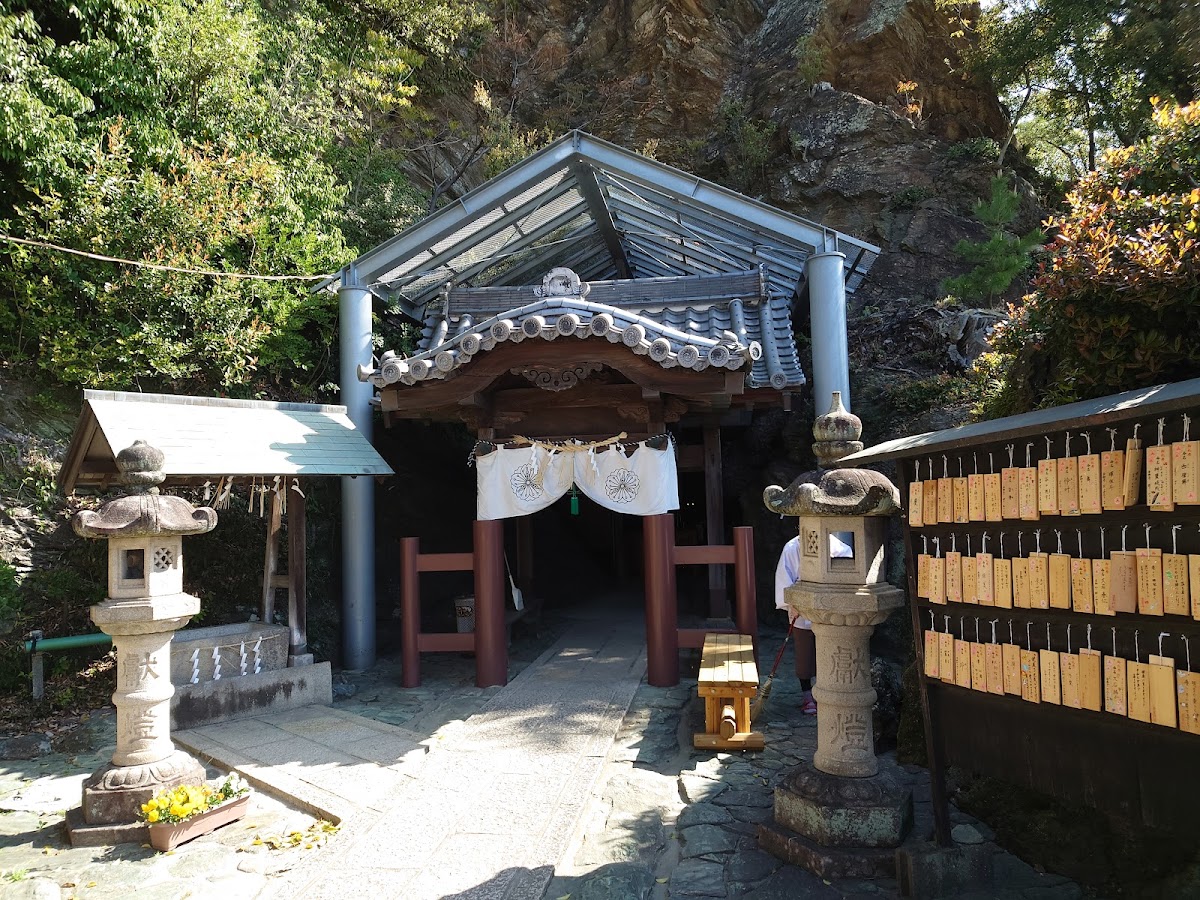
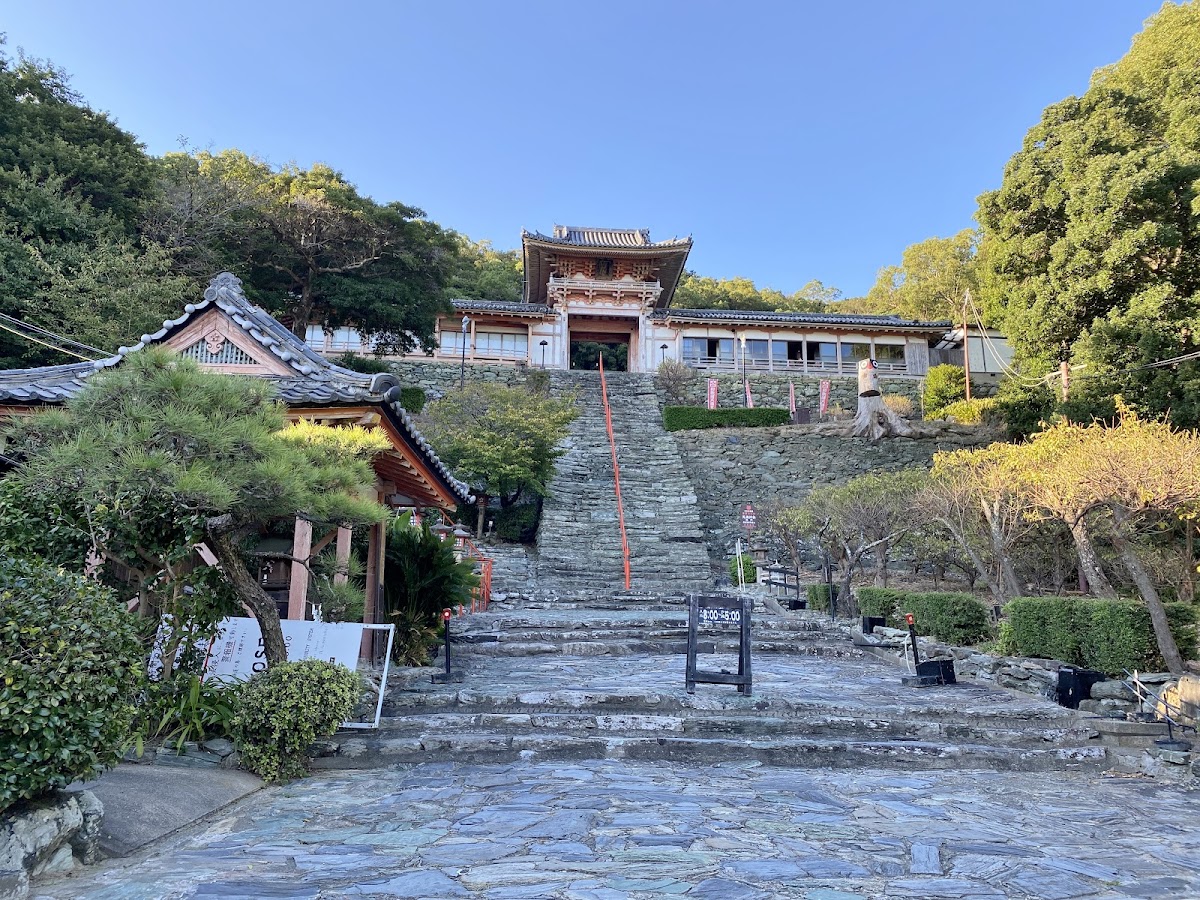
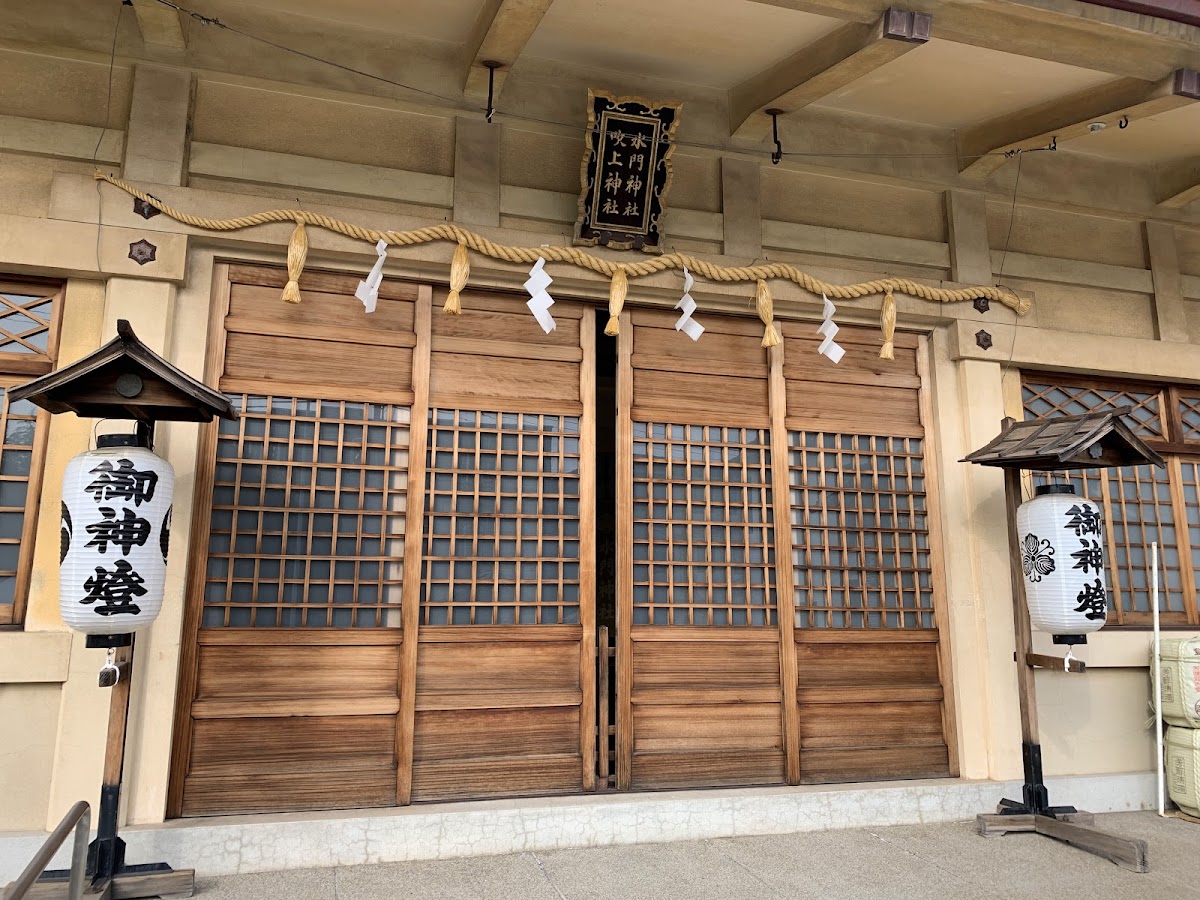
The shrine building, rebuilt after the war, maintains the style of traditional shrine architecture while possessing a clean and serene appearance. This shrine features a unique design where the Suimon Shrine and Fukiage Shrine are enshrined in a single building, allowing visitors to pay their respects to both deities in one visit.
Atmosphere of the Shrine Grounds
Despite being located in a residential area of Wakayama City, the shrine grounds maintain a tranquil atmosphere. It is affectionately known as “Oebisu-san” by locals, and many locals can be seen visiting regularly. Except during the Toka Ebisu festival, it offers a peaceful environment for worship.
Access Information
Access by Train
Walking distance from JR Kisei Main Line “Wakayama City Station”
It is approximately a 7-10 minute walk south from Wakayama City Station. Exit the station and head south, walking through the residential area; you will see a large white torii gate.
Access by Bus
Walking distance from the “Shimin Kaikan-mae” bus stop
It is very easily accessible, approximately a 2-minute walk from the “Shimin Kaikan-mae” bus stop. If you are using a local bus service within Wakayama City, this bus stop is the closest.
Access by Car
It takes approximately 10 minutes by car from the center of Wakayama City. The area around the shrine is a residential area, so some roads are narrow; please drive carefully. Regarding parking, congestion is expected during the Toka Ebisu festival, so we recommend using public transportation.
Basic Information
Shrine Name: Minato Fukiage Shrine
Alternate Names: Minatomoto Ebisu, Oebisu-san
Address: 2-1 Ono-cho, Wakayama City, Wakayama Prefecture
Deities Enshrined: Hiruko-no-kami (Minato Shrine), Onamuchi-no-kami (Fukiage Shrine)
Main Festival: Toka Ebisu (January 9th-11th)
Access: 7-minute walk from JR Wakayama City Station, 2-minute walk from the “Shimin Kaikan-mae” bus stop
Parking: Available (limited spaces)
Visiting Hours: Generally open (check the shrine office’s opening hours)
Nearby Tourist Spots
Kamayama Shrine
Kamayama Shrine, located about 15 minutes by car from Minato Fukiage Shrine, is a shrine dedicated to Hikogose-no-mikoto. While Suimon Fukiage Shrine is considered the site of Emperor Jimmu’s death, Kamayama Shrine is believed to be the location of his mausoleum. Many visitors combine a pilgrimage to both shrines, visiting sites associated with Emperor Jimmu’s eastern expedition.
Wakayama Castle
Wakayama Castle, a symbol of Wakayama City, is approximately a 10-minute drive or 20-minute walk from Suimon Fukiage Shrine. This renowned castle flourished as the residence of the Kishu Tokugawa family, one of the three main branches of the Tokugawa clan. From the castle tower, you can enjoy a panoramic view of Wakayama City.
Wakayama Marina City
Wakayama Marina City, located approximately a 20-minute drive from Wakayama City Station, is a comprehensive resort complex featuring the theme park “Porto Europa” and the Kuroshio Market. It’s a popular family-friendly tourist spot after visiting Suimon Fukiage Shrine.
Kimii-dera Temple
Kimii-dera Temple, known for its beautiful cherry blossoms, is located about a 15-minute drive from Suimon Fukiage Shrine. It is also the second temple on the Saigoku Thirty-Three Kannon Pilgrimage, and visitors can enjoy the beautiful cherry blossoms in spring.
Manners and Points for Visiting a Shrine
Basic Worship Etiquette
- Bow before passing through the torii gate.
- Cleanse your hands and mouth at the water basin.
- Bow twice, clap twice, and bow once in front of the shrine building.
- State your wish clearly in your heart.
- Bow again when leaving the torii gate after praying.
Precautions for Visiting Toka Ebisu
During the Toka Ebisu period, the shrine is extremely crowded, so please note the following:
- Early mornings and evenings are relatively less crowded.
- If you wish to receive a Fukuzasa (lucky bamboo branch), please expect a certain amount of waiting time.
- The surrounding roads are also congested, so using public transportation is recommended.
- Please dress warmly.
About Goshuin (Shrine Seals)
Goshuin are available at Suimon Fukiage Shrine. If you bring your own goshuincho (seal book), it is recommended to visit during the shrine office’s opening hours. Special goshuin may be available during the Toka Ebisu period.
The Role of Suimon Fukiage Shrine in the Community
Guardian Deity of the Ominato, Sunayama, and Minato Nakasu Districts
Suimon Fukiage Shrine is deeply revered by the people of the Ominato, Sunayama, and Minato Nakasu districts of Wakayama City as their guardian deity. It plays a central role in local festivals and events, supporting community unity.
Guardian Deity of Business Prosperity
For business owners in Wakayama City, Suimon Fukiage Shrine holds a special place as a guardian deity of business prosperity. Every year on the Toka Ebisu festival, many business people from both within and outside the city visit the shrine to pray for business success throughout the year.
Cultural Asset that Conveys History
As a place associated with the Japanese founding myth of Emperor Jimmu’s eastern expedition, Suimon Fukiage Shrine holds significant historical and cultural importance. It also plays a role in passing on the region’s history to future generations, attracting attention from local history researchers and history enthusiasts.
Annual Events
Main Festivals and Events
January 1st: Saitansai (New Year’s Festival)
The first festival of the new year, attracting many visitors for their first shrine visit of the year.
January 9th-11th: Toka Ebisu (Toka Ebisu Festival)
As the birthplace of Kishu Toka Ebisu, this is the most important festival.
February (Setsubun Festival): Setsubun Festival
Events such as bean-throwing are held.
Reitaisai (Grand Festival)
A grand festival held once a year, sometimes including a portable shrine procession (dates may vary each year).
Summary
Suimon Fukiage Shrine is a historical and traditional shrine located in Wakayama City, Wakayama Prefecture. It is a rare shrine in Japan that enshrines two gods of fortune, Ebisu and Daikoku, simultaneously, and as the birthplace of Kishu Toka Ebisu, it attracts many worshippers.
Suimon Fukiage Shrine, with its historical background as a place associated with Emperor Jimmu’s eastward expedition, continues to be a vital part of the local community’s lives today. When visiting Wakayama City, be sure to pay your respects and receive blessings from the two deities of good fortune.
Especially during the Toka Ebisu festival in January, you can experience a vibrant festival atmosphere. It’s a recommended tourist spot not only for those praying for business prosperity, family safety, and good fortune, but also for those who want to experience Wakayama’s history and culture.