What is the Miei-do? A thorough explanation of its history, architecture, and points of interest for worshippers.
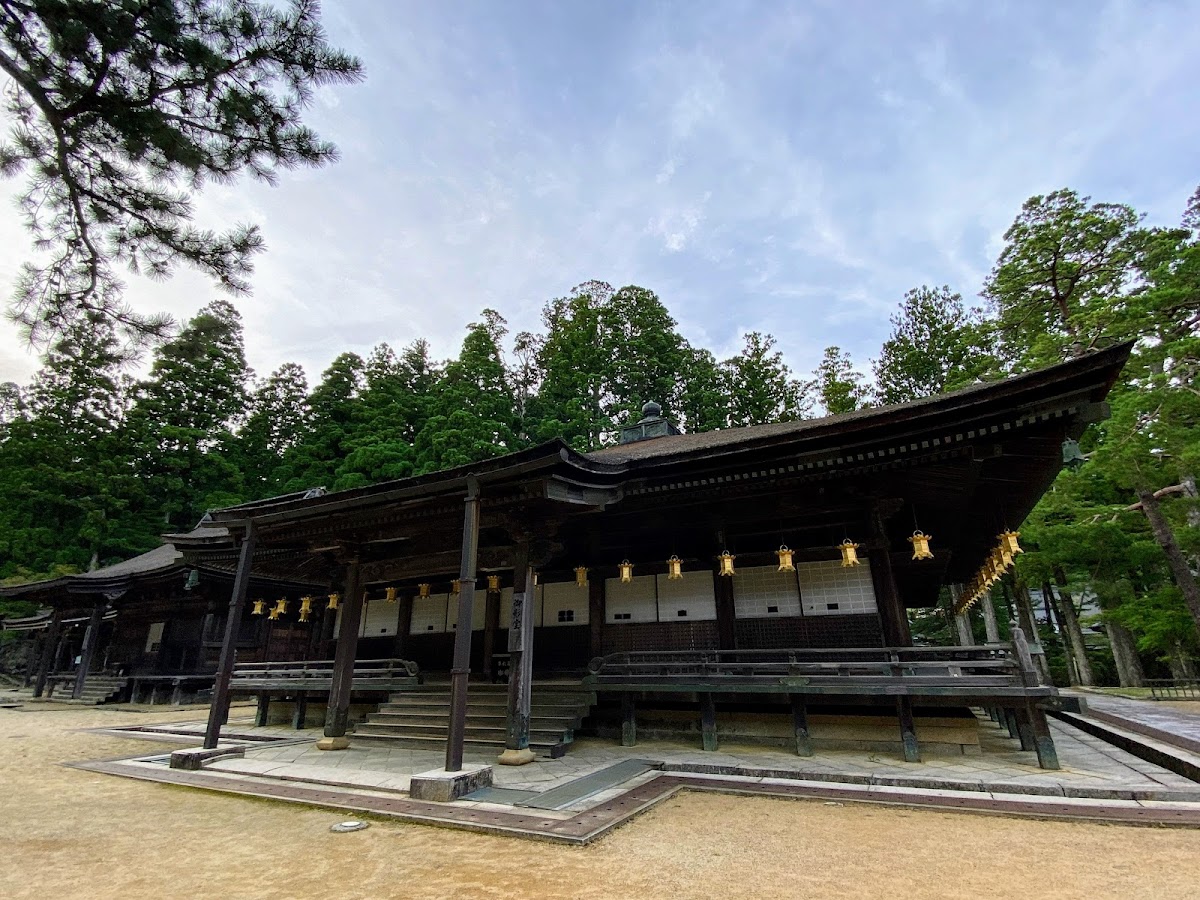
The Miei-do (影堂) is a Buddhist hall in a Buddhist temple that houses the image (portrait or wooden statue) of the founder or abbot of the sect. Especially in the head temples of the Jodo Shinshu sect, the Miei-do, which houses the image of the sect’s founder, Shinran Shonin, plays a central role alongside the Amida-do (main hall) which enshrines Amida Buddha.
History and Origin of the Miei-do
Establishment of the Miei-do in Jodo Shinshu
The origin of the Miei-do dates back to 1272 (Bun’ei 9), when Shinran Shonin’s daughter, Kakushinni, enshrined the image of the saint in Yoshimizu, Higashiyama, Kyoto. This became the beginning of what would later become Honganji Temple.
Initially a small mausoleum, the Miei-do expanded as Honganji Temple developed, and during the Edo period, magnificent temple complexes were built at both Higashi Honganji and Nishi Honganji.
The Miei-do Halls of Higashi Honganji and Nishi Honganji
The Miei-do Hall of Higashi Honganji (Shinshu Otani sect) is one of the world’s largest wooden structures, rebuilt in 1895 (Meiji 28). It boasts an overwhelming scale, measuring 76m wide, 58m deep, and 38m high.
The Miei-do Hall of Nishi Honganji (Jodo Shinshu Honganji sect) was built in 1636 (Kanei 13) and is designated a National Treasure. While slightly smaller than Higashi Honganji’s, it is a magnificent building that embodies the essence of Momoyama culture.
Architectural Style and Characteristics of the Miei-do Halls
Architectural Structure Characteristics
The Miei-do Halls feature a large irimoya-zukuri (hip-and-gable roof) and a vast tatami-floored interior. The Higashi Honganji Miei-do Hall has a maximum area of 1,200 tatami mats, designed to accommodate thousands of worshippers at once.
The pillars are made of massive zelkova and cypress trees, nearly 1 meter in diameter, and are constructed using traditional joinery techniques that minimize the use of nails.
The Splendor of the Inner Sanctuary
At the center of the Miei-do (Founder’s Hall) is the inner sanctuary, where a wooden statue of Shinran Shonin is enshrined. The inner sanctuary is decorated with gold leaf, lacquer, and intricate carvings, creating a magnificent space that shines with golden splendor.
At Higashi Honganji Temple, images of successive heads of the sect are enshrined on either side of the wooden statue of the saint, while at Nishi Honganji Temple, only the statue of the saint is enshrined in the center.
Points and Etiquette for Worship
Basic Etiquette for Worship
Worship at the Miei-do follows the following procedure:
- Prepare yourself before entering the hall: Remove your shoes and adjust your attire.
- Hands clasped in prayer and bow: Clasp your hands together facing the inner sanctuary and bow once.
- Shōshinge service: You can participate in the service according to the visiting hours.
- Nembutsu: Quietly chant “Namu Amida Butsu.”
- Departure: Clasp your hands together in prayer and bow again, then quietly exit.
Must-see points of worship
Hair rope: A rope woven from women’s hair, donated by followers nationwide to transport massive timbers during the reconstruction of the Higashi Honganji Miei-dō (Founder’s Hall), is on display. It is a valuable artifact that speaks to the power of faith.
Transom carvings: The transoms around the inner sanctuary are adorned with magnificent carvings by master craftsmen of the Edo period. They are works of art with artistic merit, depicting flowers, birds, and Chinese historical stories.
The Crying Dragon: The ceiling of the Miei-do Hall at Nishi Honganji Temple features a “Crying Dragon” that resonates when clapped. This demonstrates the high level of architectural skill that calculated acoustic effects.
Precautions During Visits
- Photography is often prohibited inside the hall; please check beforehand.
- Please refrain from talking during services.
- Please leave large bags in the lockers at the entrance.
- The floor can be cold in winter; it’s advisable to wear thick socks.
Benefits and Faith of the Miei-do Hall
Gratitude and Appreciation to Shinran Shonin
The core of a visit to the Miei-do Hall is gratitude and appreciation for the teachings of Shinran Shonin. In Jodo Shinshu Buddhism, this expresses gratitude for the saint’s revelation of the teaching that all people are saved by the original vow of Amida Buddha.
Specific Benefits
While Jodo Shinshu Buddhism does not emphasize worldly benefits, the following are some of the benefits that visitors experience:
- Peace of Mind: Anxiety and worries are alleviated through chanting the Buddha’s name.
- Family Safety: Praying for the health and peace of the family.
- Ancestor Worship: Remembering the deceased and feeling a connection to them.
- Guidance for Life: Learning how to live from the teachings of the saint.
Annual Events and Special Visits
Ho-on-ko (Memorial Service): The most important memorial service held around the anniversary of Shinran Shonin’s death (around November 28th). Special services are held daily during this period, and many followers from all over the country visit to pay their respects.
Shu-shō-e (New Year’s Service): A New Year’s service held in January, praying for peace throughout the year.
Access Information
Access to Higashi Honganji Temple (Head Temple of the Shinshu Otani School)
Location: Karasuma-dori Shichijo-agaru, Shimogyo-ku, Kyoto City, Kyoto Prefecture
Access by Train
- 7-minute walk from JR Kyoto Station (north from Karasuma Central Exit)
- 5-minute walk from Gojo Station on the Karasuma Subway Line
- Immediately after alighting at Karasuma Shichijo bus stop
Opening Hours
- March to October: 5:50 AM to 5:30 PM
- November to February: 6:20 AM to 4:30 PM
Admission Fee: Free
Access to Nishi Honganji Temple (Head Temple of the Jodo Shinshu Honganji School)
Location: Horikawa-dori Hanayacho-sagaru, Shimogyo-ku, Kyoto City, Kyoto Prefecture
Access by Train
- 15-minute walk from JR Kyoto Station (west from Central Exit)
- Immediately after alighting at Nishi Honganji-mae bus stop
- Approximately 5 minutes by bus (routes 9, 28, or 75) from Kyoto Station
Opening Hours
- 5:30 AM – 5:00 PM (may vary depending on the season)
Admission Fee: Free (Special viewings such as the Shoin require reservations and are subject to a fee)
Other Major Miei-do Halls
Bukkoji Temple (Head Temple of the Shinshu Bukkoji School)
- Location: Takakura-dori, Bukkoji-sagaru, Shimogyo-ku, Kyoto City
- Access: 5-minute walk from Shijo Station on the Karasuma Subway Line
Koshōji Temple (Head Temple of the Shinshu Koshō School)
- Location: Horikawa-dori, Hanayacho-sagaru, Shimogyo-ku, Kyoto City
- Access: South of Nishi Honganji Temple
How to Enjoy Visiting Miei-do Halls
Sightseeing in Combining Your Visit with Nearby Attractions
Near Higashi Honganji and Nishi Honganji Temples are tourist spots such as Kyoto Station, Toji Temple, and Shosei-en Garden (Kikaku-tei). A recommended course involves visiting temples and shrines around Kyoto Station over half a day to a full day.
Shojin Ryori (Vegetarian Cuisine) near the Gate of the Mikage-do Hall
Near the gate, there are restaurants serving vegetarian cuisine and Buddhist rite cuisine rooted in the traditions of Jodo Shinshu Buddhism. Enjoying Kyoto’s food culture after your visit is a delightful experience.
Goshuin (Temple Seals) and Souvenirs
Due to the Jodo Shinshu doctrine’s avoidance of idolatry, the temple does not offer the typical goshuin (temple seals). Instead, you may receive commemorative sange (flower petals) or a Dharma teaching card.
Summary
The Mikage-do Hall is not merely a tourist attraction, but a living place of faith. The time spent reflecting quietly within the magnificent architectural space, while experiencing the teachings of Shinran Shonin, will be a valuable experience for modern people. When you visit Kyoto, be sure to visit the Mikage-do Hall and experience the depth of Japanese spiritual culture.