About Saito
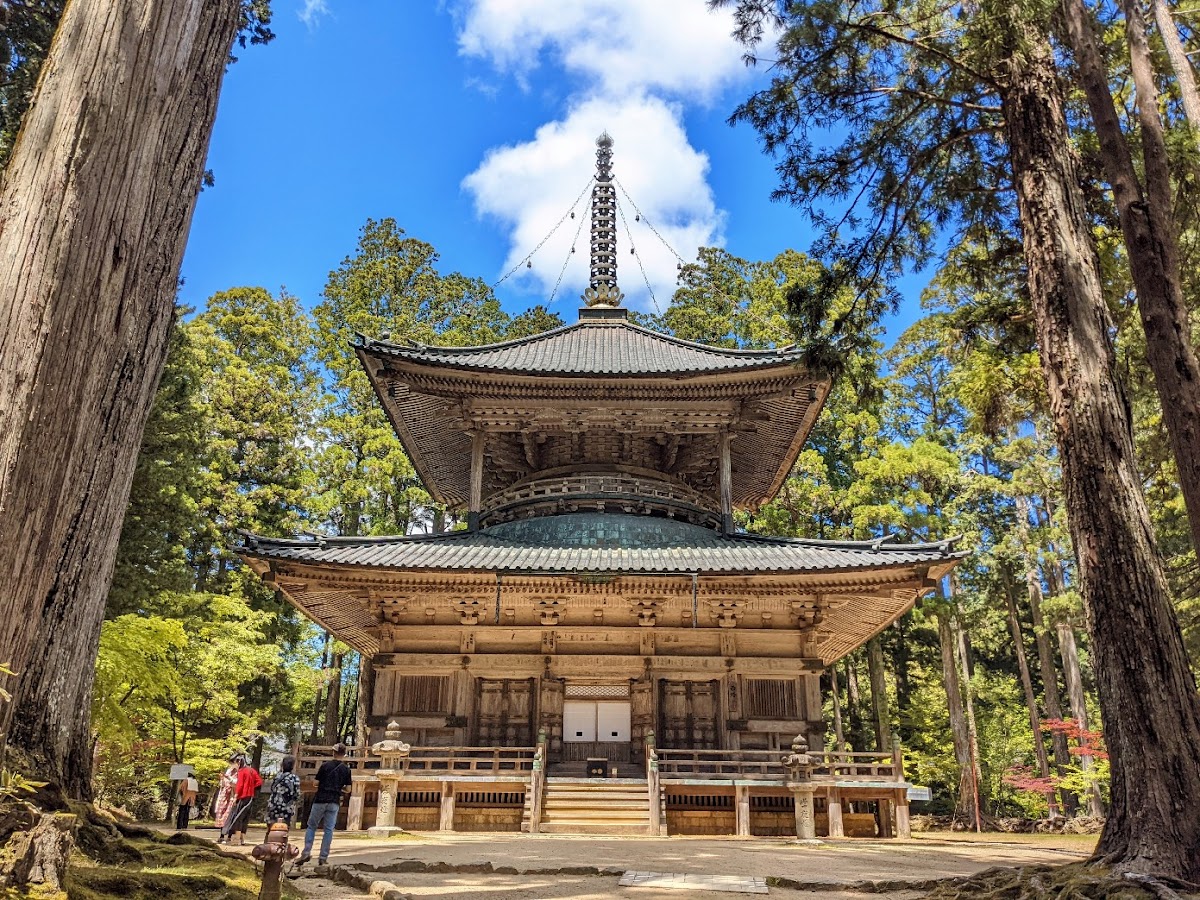
Saito (West Pagoda) is one of the three pagodas (Toto, Saito, and Yokokawa) of Enryaku-ji Temple on Mount Hiei. Located approximately 1 km north of Toto, it is a central training ground. In contrast to the splendor of Toto, Saito offers a tranquil space surrounded by deep cedar groves, retaining a strong atmosphere as a sacred site where monks devoted themselves to rigorous training.
History of Saito
Saito was founded by Encho, the second head of the Tendai sect. A direct disciple of Saicho, Encho carried on his master’s legacy and established a training ground on this site. During the Heian period, many temple buildings stood here, and it flourished as a central area of Enryaku-ji Temple, alongside Toto. However, the entire mountain was destroyed by fire during Oda Nobunaga’s attack (1571). Most of the current buildings were rebuilt after the Edo period.
Major Structures of the West Pagoda
Shakado (Tenborindo)
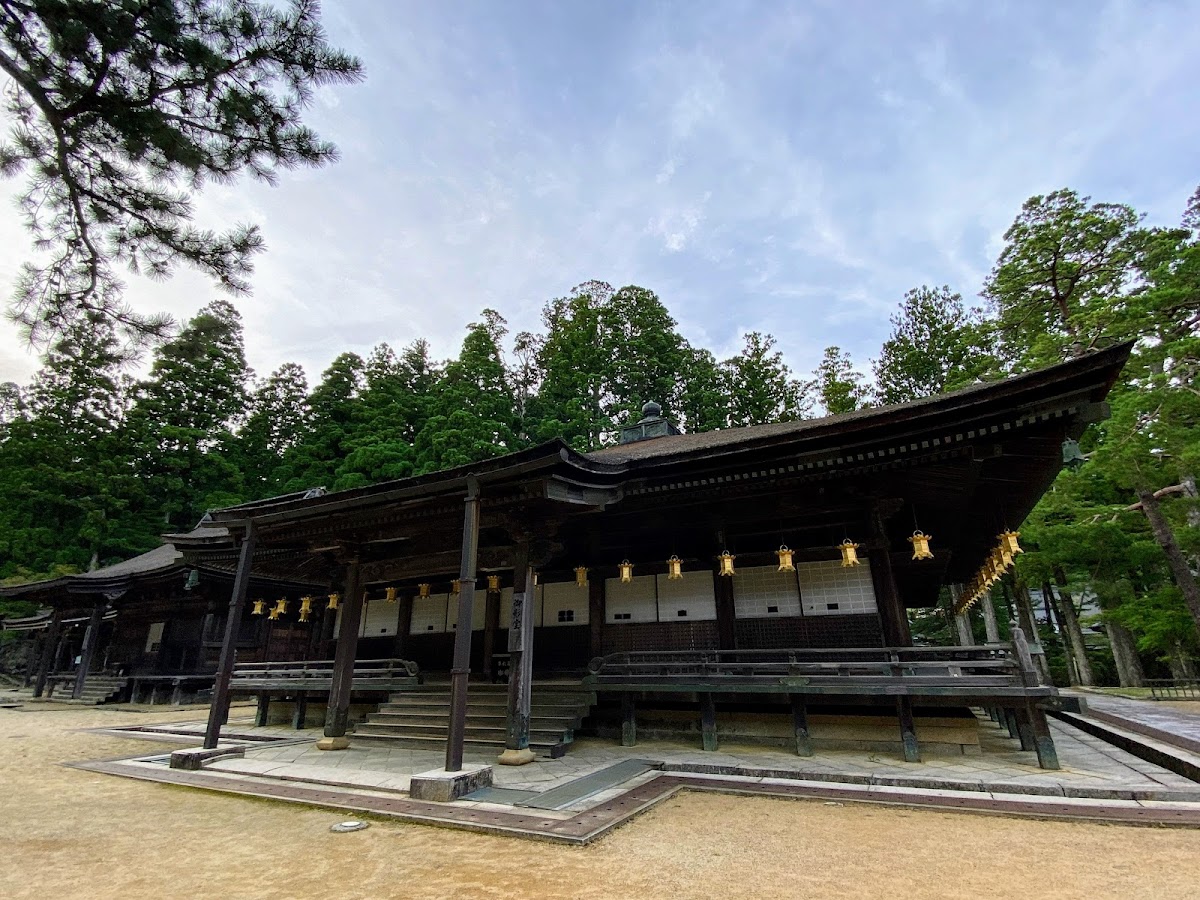
The Shakado, the main hall of the West Pagoda, is designated as a National Important Cultural Property as the oldest existing structure at Enryaku-ji Temple. Originally built as the main hall of Mii-dera Temple (Onjo-ji Temple), it was relocated in 1595 by order of Toyotomi Hideyoshi.
The hall houses the principal image of Shakyamuni Buddha, as well as a statue of Yakushi Nyorai said to have been created by Saicho himself. Its magnificent architectural style, with its hipped roof and cypress bark roofing, well preserves the characteristics of the Momoyama period.
Ninai-do (Jogyodo and Hokkedo)
The two halls located in front of the Shakado are called “Ninai-do” due to their unique shape, connected by a covered walkway. The hall on the right is the Jogyodo, and the one on the left is the Hokkedo; different practices were performed in each hall.
At the Jogyodo Hall, the “Jogyo Sanmai” practice of continuous walking for 90 days is performed, and at the Hokkedo Hall, the “Hokke Sanmai” practice of reciting the Lotus Sutra is performed. Even today, monks continue their rigorous training. The name “Ninai-do” (meaning “carrying hall”) comes from the appearance of these two halls being carried on a balance pole.
Tsubakido Hall
Located a short distance from the Shakado Hall, the Tsubakido Hall was built on the site of a camellia tree said to have been planted by Saicho himself. While the current building is a reconstruction from the Edo period, an ancient camellia tree, estimated to be several hundred years old, remains on the grounds, blooming beautifully in spring.
An Amida Buddha statue is enshrined inside the hall, making it a tranquil space for worship.
Eryodo Hall
This hall enshrines Eryodo, a senior disciple of Gansan Daishi Ryogen. Eryodo is known for his efforts in the restoration of the West Pagoda and for training many disciples. Although a small hall, it is an important place in telling the history of Enryaku-ji Temple.
Ruri-do Hall
Considered one of the first halls built by Saicho on Mount Hiei, it enshrines Yakushi Nyorai (Medicine Buddha) as its principal image. While the current building is a reconstruction from the Edo period, it is a valuable hall that conveys the appearance of the original temple founded by Saicho.
Points to Note During Your Visit
Experience the Atmosphere of Silent Training
The West Pagoda has fewer visitors than the East Pagoda, and a tranquil space enveloped in a deep forest unfolds. Visiting early in the morning or on weekdays is recommended, as you may hear the chanting of the monks. Take your time and savor the atmosphere of this sacred site.
Stone Steps and Moss-Covered Paths
The paths connecting each hall consist of moss-covered stone steps, with ancient trees extending their branches over them. Walking along these paths, in harmony with nature, while paying attention to your footing, gives you a feeling of spiritual cleansing. The beauty of the moss after rain is particularly exceptional.
Nature in Every Season
Each season offers a different face: camellias and cherry blossoms in spring, fresh greenery in early summer, vibrant autumn leaves, and snowscapes in winter. The autumn foliage season, in particular, is beautiful with its contrast between the green cedar trees and the crimson leaves, attracting many visitors.
Time Required for Visiting
If you plan to thoroughly visit the West Pagoda area, please allow approximately 1 to 1.5 hours. A common route involves visiting the Shakado Hall, Ninai-do Hall, Tsubaki-do Hall, and Ruri-do Hall.
Benefits
Academic Achievement and Wisdom
Enryaku-ji Temple as a whole is known as a mountain of learning, and the West Pagoda has produced many high-ranking monks. Visiting the Shakado Hall is believed to bring benefits such as academic achievement and the bestowal of wisdom.
Purification of Mind and Body, Spiritual Training
The West Pagoda, a place of rigorous training, is believed to offer benefits for purifying the mind and body and strengthening the spirit. Visiting the Ninai-do Hall is believed to clear the mind of daily distractions and bring peace of mind.
Healing from Illness
The Yakushi Nyorai enshrined in the Ruri-do Hall is worshipped as a Buddha who heals illnesses. Similarly, the Yakushi Nyorai statue in the Shaka-do Hall is believed to offer similar benefits, attracting many visitors praying for good health.
Good Fortune and Protection from Evil
The Amida Nyorai in the Tsubaki-do Hall is believed to bring good fortune and protection from evil, making it suitable for visits during life’s turning points or when facing difficulties.
Access
Access from the East Pagoda
From the East Pagoda area to the West Pagoda is approximately 20-30 minutes on foot, or about 5 minutes by the Enryaku-ji Temple shuttle bus (paid). If walking, you will be walking on a mountain path, so comfortable shoes are recommended.
Access by Car
The West Pagoda has its own parking lot (fee applies). It can be accessed via the Hieizan Driveway or the Okuhiei Driveway.
- From Kyoto: Approximately 40 minutes via the Hieizan Driveway
- From Shiga: Approximately 30 minutes via the Okuhiei Driveway
Public Transportation
- Kyoto side: Eizan Electric Railway “Yase-Hieizanguchi” Station → Eizan Cable Car/Ropeway → Summit → Shuttle bus to West Pagoda
- Shiga side: JR “Hieizan-Sakamoto” Station → Sakamoto Cable Car → Summit → Shuttle bus to West Pagoda
Visiting Information
- Visiting Hours: Same as the East Pagoda area (varies seasonally)
- March to November: 8:30 AM to 4:30 PM
- December: 9:00 AM to 4:00 PM
- January to February: 9:00 AM to 4:30 PM
- Admission Fee: Included in the Enryaku-ji Temple pilgrimage fee (common to East Pagoda, West Pagoda, and Yokokawa)
- Adults: 1,000 yen
- Junior and Senior High School Students: 600 yen
- Elementary School Students: 300 yen
- Estimated Time: 1-1.5 hours
Summary
The West Pagoda is a sacred site within Enryaku-ji Temple on Mount Hiei that retains a particularly strong atmosphere of ascetic practice. While visiting historical buildings such as the Shakado Hall (a nationally important cultural property) and the uniquely shaped Ninai-do Hall, you can find peace of mind in the tranquil space surrounded by deep forest. It is a recommended place of worship for those seeking a solemn atmosphere, different from the bustling East Pagoda.