About Kongosanmai-in Temple
Kongosanmai-in Temple is a Shingon Buddhist temple located on Mount Koya in Koya-cho, Ito-gun, Wakayama Prefecture. It was founded in 1211 by Hojo Masako, wife of Minamoto no Yoritomo, the shogun of the Kamakura shogunate, to commemorate her husband and second son, Minamoto no Sanetomo.
It is the only temple on Mount Koya registered as a component of the World Heritage Site “Sacred Sites and Pilgrimage Routes in the Kii Mountain Range”, and possesses numerous valuable cultural assets, including the National Treasure, the Tahoto Pagoda.
History and Origin
Founded by Hojo Masako
In 1211, Hojo Masako founded Zenjo-in Temple (present-day Kongosanmai-in Temple) to commemorate Minamoto no Yoritomo. Later, in 1219, the third shogun, Minamoto no Sanetomo, was assassinated. To commemorate Sanetomo’s soul as well, Masako erected the Tahōtō pagoda in 1223.
Deep Ties with the Kamakura Shogunate
Kongōzanmai-in Temple received the patronage of the Kamakura Shogunate and flourished as the family temple of successive shoguns. The fourth shogun, Fujiwara no Yoritsune, and the fifth shogun, Fujiwara no Yoritsugu, also visited and made donations. It continued to attract the faith of samurai families from the Muromachi period onward, and many worshippers visit to this day.
Main Highlights
National Treasure: Tahōtō Pagoda
Built in 1223, the Tahōtō pagoda is the oldest structure on Mount Kōya and is designated a National Treasure. Standing approximately 15 meters tall, this pagoda boasts a unique structure with a square base and a circular upper level, making it one of the oldest existing pagodas in Japan.
Inside, it houses three statues: Dainichi Nyorai, Kongosattva, and Sonshobutsucho, preserving the essence of Kamakura-period esoteric Buddhist art. Its beautiful vermilion-painted appearance harmonizes with the changing seasons, captivating visitors.
Important Cultural Property: Main Hall (Sutra Repository)
The main hall is a Muromachi-period building and is designated as an Important Cultural Property. Originally built as a sutra repository, it enshrines the principal image, Aizen Myoo. The shrine and altar inside are also designated as Important Cultural Properties, retaining many characteristics of medieval Buddhist temple architecture.
Guest Hall and Garden
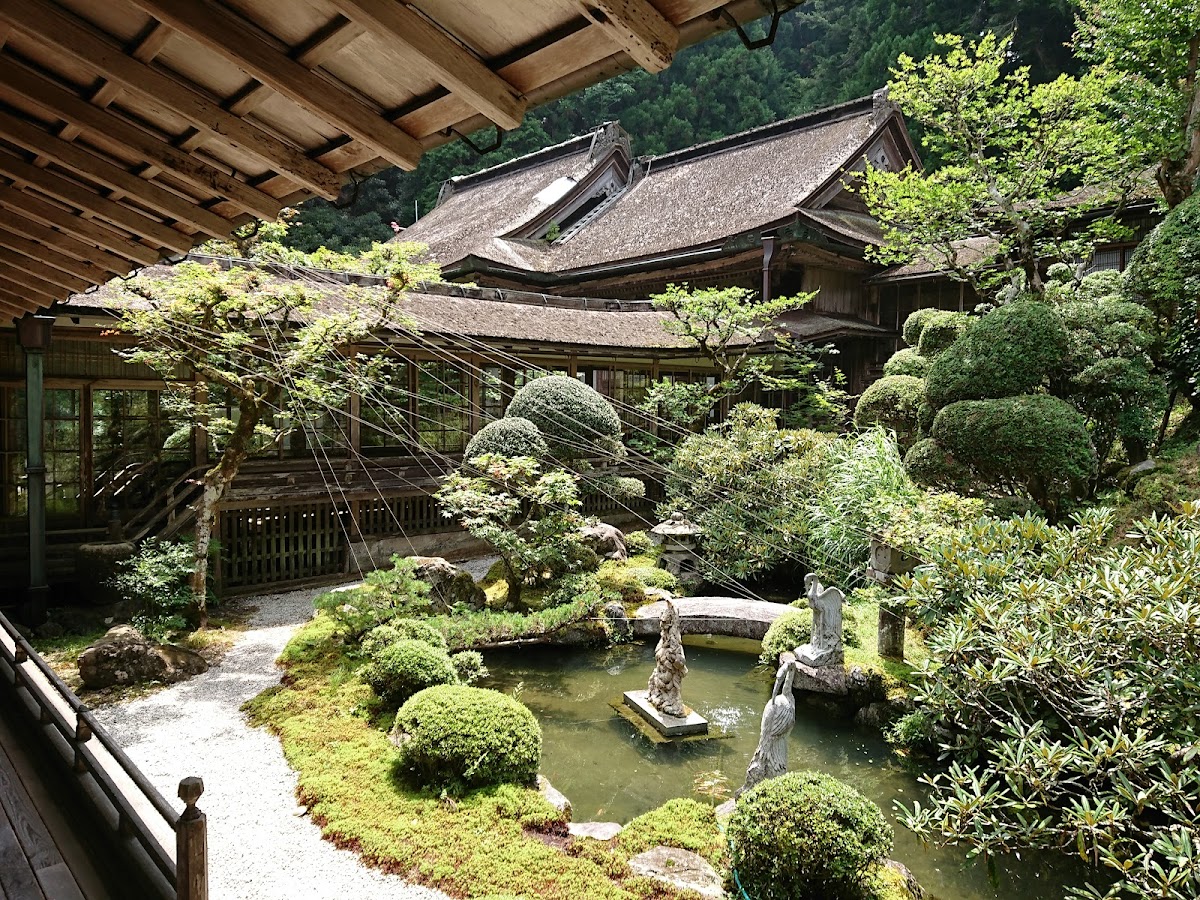
The guest hall is also used as lodging for temple visitors and is known for its beautiful dry landscape garden. The tranquil garden, enveloped in silence, blends seamlessly with the natural beauty of Mount Koya, offering a peaceful and calming space. It is particularly stunning during the spring when the new leaves emerge and the autumn when the leaves change color.
Six Cedar Trees
Within the temple grounds stand six giant cedar trees, each estimated to be several hundred years old, collectively known as the “Six Cedar Trees.” These cedars are living witnesses to the history of Kongosanmai-in Temple, exuding a solemn and majestic atmosphere.
Points to Note When Visiting
Visiting Hours and Admission Fee
- Visiting Hours: 8:30 AM – 5:00 PM (may vary depending on the season)
- Admission Fee: 500 yen for adults, 300 yen for junior and senior high school students, free for elementary school students and younger
- Estimated Time Required: Approximately 30-40 minutes for strolling around the temple grounds
Recommended Visiting Route
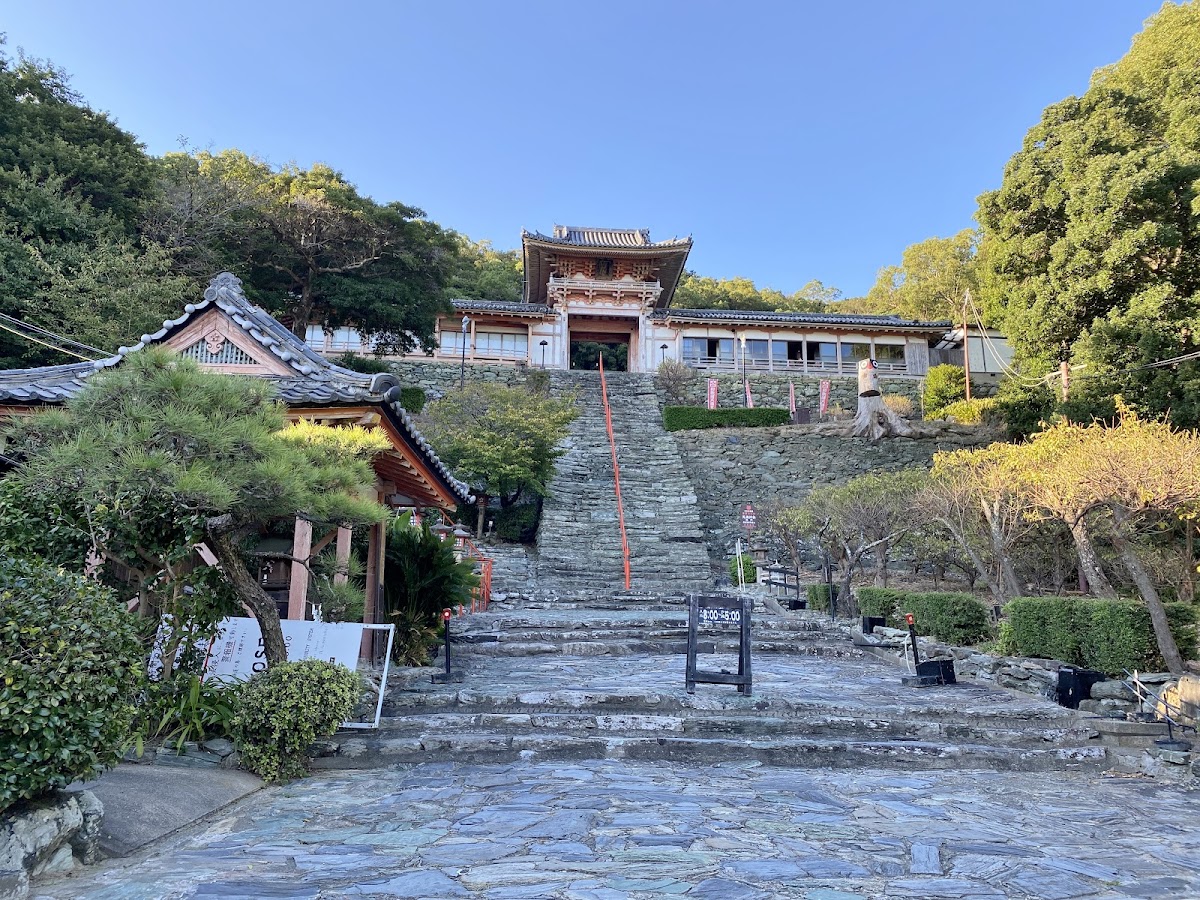
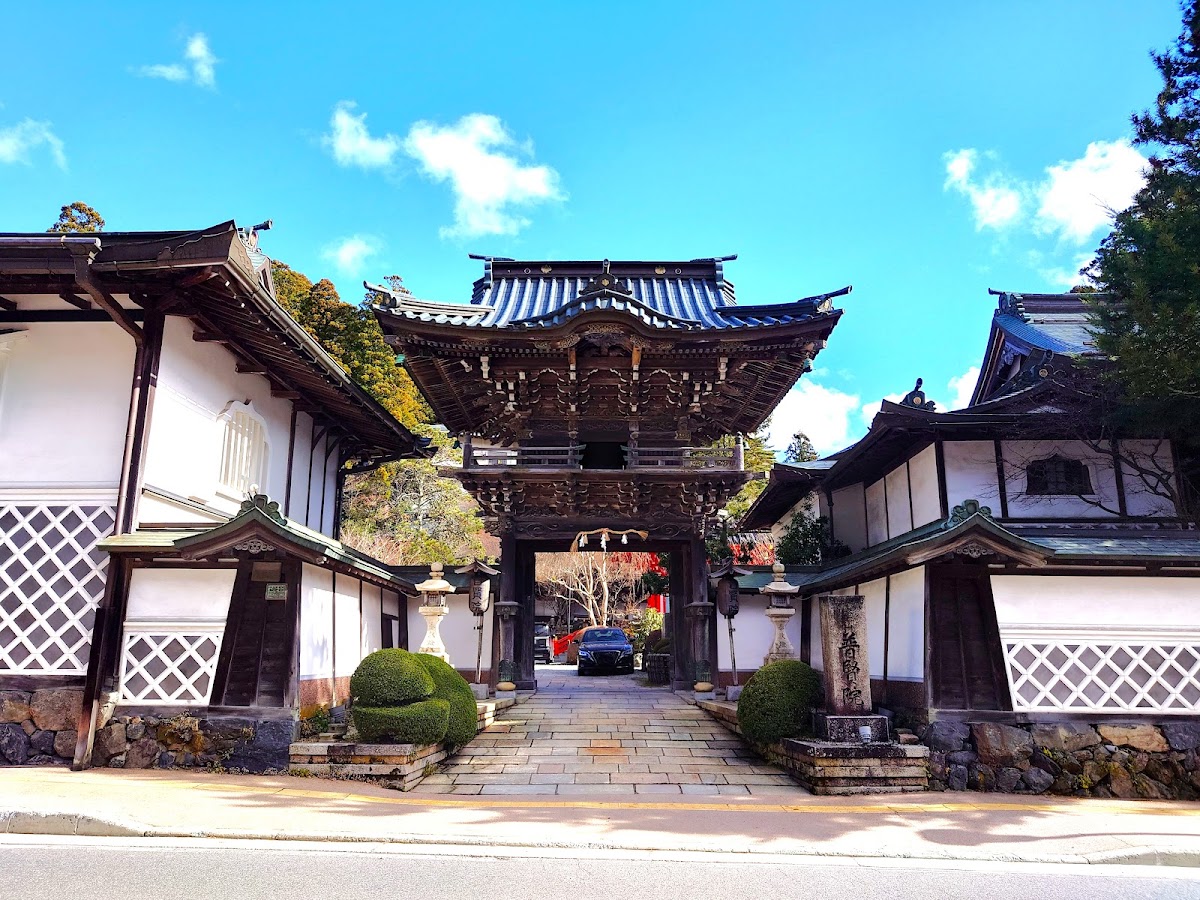
- Enter through the Sanmon Gate and first pay your respects at the main hall.
- Head towards the Tahoto Pagoda and admire the national treasure architecture up close.
- Look up at the giant Ropponsugi trees and feel the passage of time.
- Stroll through the Garden and find peace of mind in the tranquility.
Recommended Time to Visit
- Spring (April-May): The fresh greenery is beautiful, and you can visit in refreshing air.
- Autumn (October-November): The autumn leaves adorn the temple grounds, creating a magnificent harmony with the pagoda.
- Early Morning: A time when there are fewer tourists, allowing for peaceful worship.
Benefits and Faith
Main Benefits
Kongōzanmai-in Temple is believed to offer the following benefits:
- Family Safety: Because Hojo Masako prayed here for the peace and well-being of her family.
- Protection from Misfortune and Disaster: The powerful protective energy of Aizen Myōō.
- Matchmaking and Good Relationships: Aizen Myōō is the Buddha who presides over love and relationships.
- Fulfillment of Wishes: Due to its spiritual efficacy as a place of Shingon Esoteric Buddhism training.
Goshuin (Temple Seal)
You can receive a Goshuin at the main hall. It features the calligraphy and red seal of “Aizen Myōō,” serving as a memento of your visit. Goshuin notebooks are also sold, and many visitors come as part of their Koyasan pilgrimage.
Temple Lodging Experience
Features of Temple Lodging
At Kongosanmai-in Temple, you can stay as a temple lodging. This offers a rare experience of staying within the grounds of a World Heritage site, and allows you to experience the faith and culture of Koyasan through morning prayers and vegetarian cuisine.
Attractions of Staying
- Vegetarian Cuisine: Traditional vegetarian cuisine using seasonal ingredients
- Morning Prayer: Participate in morning prayers with the monks (optional)
- Tranquil Night: A quiet time away from the secular world
- Garden View: Enjoy a beautiful view of the garden from your room
How to Book
Reservations for temple lodging are accepted by phone or online. Especially during the autumn foliage season and long weekends, it gets crowded, so early booking is recommended.
Access Information
Access by Train and Bus
- Get off at Gokurakubashi Station on the Nankai Koyasan Line
- Take the Nankai Koyasan Cable Car to Koyasan Station (approx. 5 minutes)
- Get off at Senjuinbashi bus stop on the Nankai Rinkan Bus, then walk for about 5 minutes.
- Alternatively, get off at Kongozanmaiin-mae bus stop and it’s right there.
Travel Time: Approximately 2 hours from Osaka/Namba
Access by Car
- Approximately 40 minutes from Katsuragi-Nishi IC on the Keina-Wa Expressway via National Route 480
- Parking: Free parking available on the temple grounds (approx. 10 cars)
Access from within Koyasan
- Approximately 20 minutes on foot from Kongobu-ji Temple
- Approximately 15 minutes on foot from Danjo Garan
- Approximately 30 minutes on foot from Okunoin
Located within walking distance of major spots within Koyasan, it’s ideally situated for a visit as part of a Koyasan pilgrimage.
Nearby Attractions
Kongobu-ji Temple
The head temple of the Koyasan Shingon sect. Highlights include magnificent sliding screen paintings and the Banryu-tei garden, one of the largest rock gardens in Japan. Approximately 20 minutes on foot from Kongosanmai-in Temple.
Danjo Garan
The central sacred site of Koyasan. Important temple buildings such as the Konpon Daito (Great Pagoda) and Kondo (Main Hall) stand here. Approximately 15 minutes on foot from Kongosanmai-in Temple.
Okunoin
The sacred site where Kobo Daishi Kukai entered eternal meditation. A mystical space lined with centuries-old cedar trees and countless tombstones and memorial towers.
Precautions When Visiting
- The temple grounds are a sacred place, so please visit in silence.
- The interior of the Tahoto pagoda is usually closed to the public.
- Photography is permitted, but please be considerate of other visitors.
- Entry to the guest hall is restricted to those staying at the temple lodgings.
- During winter (December to March), there is a possibility of snow and ice, so please take precautions against the cold and wear non-slip shoes.
Summary
Kongōzanmai-in Temple, built through the deep faith of Hojo Masako, is a renowned temple on Mount Koya with a history of over 800 years. The magnificent space created by the National Treasure Tahoto pagoda, the Important Cultural Property main hall, and the tranquil garden deeply moves visitors.
Experience staying at a temple lodging within the World Heritage site grounds will be a valuable opportunity to escape from daily life and find peace of mind. When visiting Mount Koya, be sure to visit Kongōzanmai-in Temple and experience a space where history and faith breathe life into.