Complete Guide to Dorosan Sokoji Temple (Sakata City, Yamagata Prefecture) | A Thorough Explanation of the Charms of the Nationally Designated Scenic Garden and the Mushroom Cedar
Nestled in the mountainous region of Sakata City, Yamagata Prefecture, Dorosan Sokoji Temple is a Soto Zen temple that has existed since the Muromachi period. Its nationally designated scenic garden, “Horai-en,” its rows of “Mushroom Cedars” over 400 years old, and its tranquil Zen atmosphere continue to captivate visitors. This article provides detailed information on Sokoji Temple, including its history, highlights, visiting information, and experience programs.
History and Origins of Dorosan Sokoji Temple
Founding and Construction History
Sokoji Temple was founded in the first year of Shitoku (1384) during the Nanboku-cho period by Zen Master Getsuan Ryoen. Founded by Lord Sato Masanobu, Governor of Ise Province, the temple was established as a training hall to spread the teachings of the Soto Zen sect. With a history spanning over 600 years, this temple has developed into an important center of the Soto Zen sect in the Shonai region.
Development of the Temple by Successive Chief Priests
Throughout the Edo period, Sokoji Temple was maintained by successive chief priests, leading to its current form. In particular, during the early Edo period, in the Genna era (1615-1623), mushroom-shaped cedar trees were planted along the approach to the temple, enhancing its landscape. In 1811 (Bunka 8), the current main gate was completed, completing the dignified appearance of the Zen temple.
Twelfth Temple of the Shonai Thirty-Three Kannon Pilgrimage
Sokoji Temple is also known as the twelfth temple of the Shonai Thirty-Three Kannon Pilgrimage. It occupies an important position on the pilgrimage route of Kannon worship in the Shonai region, and is a sacred site visited by many pilgrims. The Kannon Hall enshrines the Holy Kannon Bodhisattva and is cherished as an object of worship.
Highlights of Sokoji Temple
National Scenic Spot “Horai-en Garden”
The greatest highlight of Sokoji Temple is the Horai-en Garden, which spreads out behind the main hall. It was designated a National Scenic Spot on March 29, 1996, under the name “Sokoji Garden.”
Characteristics and Style of Horai-en Garden
Horai-en Garden is believed to have been created in the late Edo period and is a pond-centered strolling garden incorporating the style of Kobori Enshu. The pond, spring, and artificial hill are skillfully arranged, and the technique of borrowed scenery, with the Yakushi Buddha on the peak visible in the distance, is employed. A waterfall is located within the garden, and the sound of the water creates a serene beauty befitting a Zen Buddhist temple.
The Beauty of the Garden Through the Seasons
Horai-en Garden displays different expressions with each season. In spring, the fresh greenery is beautiful; in summer, it is enveloped in deep green; in autumn, the autumn leaves color the garden; and in winter, the snowscape creates an ethereal atmosphere. The autumn foliage season, in particular, is a popular time, attracting many tourists.
Details of Garden Visits
There is a fee to visit the garden; adults are required to pay an admission fee (details of the fee are provided below). Within the garden, you can enjoy a set of matcha tea and Japanese sweets (600 yen), spending a relaxing time while admiring the beautiful garden.
The Mushroom Cedar Avenue
Another symbol of Sokoji Temple is the approximately 120 “mushroom cedars” lining the approach to the temple. They were designated a historical site, scenic spot, and natural monument of Yamagata Prefecture in 1956 (Showa 31).
History and Characteristics of the Mushroom Cedar
The mushroom cedars are said to have been planted during the Genna era (1615-1623) in the early Edo period, making them approximately 400 years old. Also known as “Tsuchiyu Cedars,” these cedars have been meticulously pruned by successive head priests, shaping them into their unique mushroom-like form.
A 100-Meter Approach
The sight of the neatly lined mushroom cedars on both sides of the approximately 100-meter-long approach leading to the temple gate is breathtaking. These ancient trees, having survived for over 350 years, are living cultural assets that tell the history of Sokoji Temple, leaving a deep impression on visitors.
Maintenance and Preservation
Even today, the head priests and temple staff regularly maintain the trees, preserving their beautiful mushroom shape. This continuous management is the secret to preserving this unique landscape for nearly 400 years. ### Temple Gate and Temple Grounds
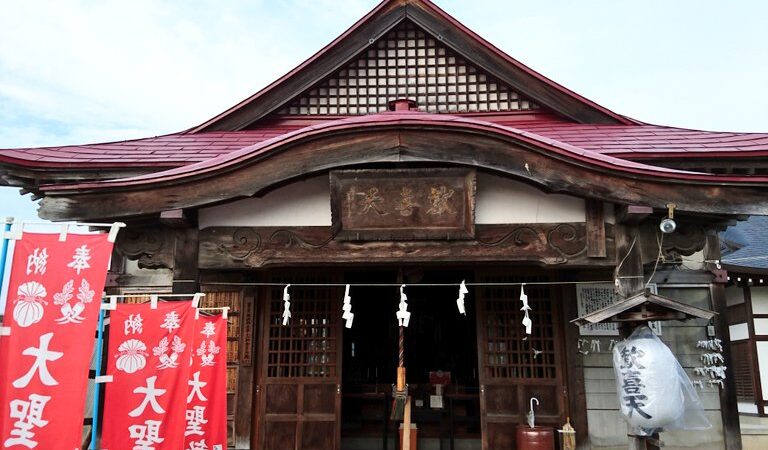
Completed in 1811 (Bunka 8), the temple gate serves as the face of Sokoji Temple, welcoming visitors. Its imposing structure, typical of Zen temples, stands majestically at the end of the path lined with mushroom-shaped cedar trees.
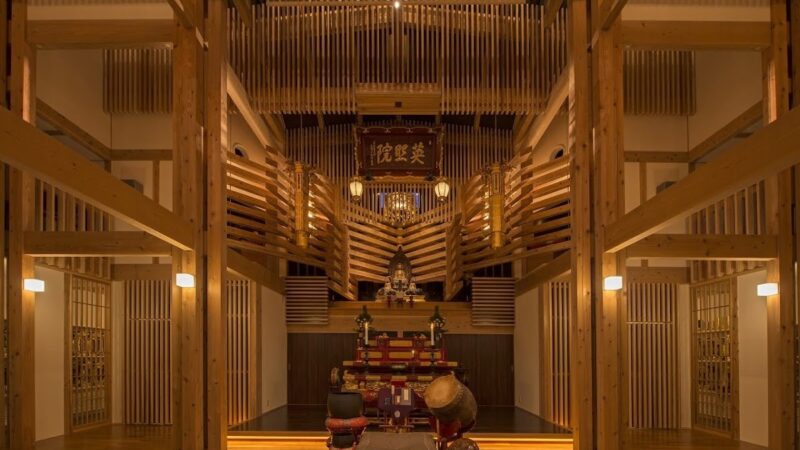
The main hall is built in the traditional style of the Soto Zen sect, and Zen meditation and religious services are held inside. The temple grounds also include a Kannon Hall and a bell tower, creating a complete Zen temple layout.
What You Can Experience at Sokoji Temple
Buddhist Image and Sutra Copying Experience
Sokoji Temple offers programs for Buddhist image copying and sutra copying. In the tranquil main hall, you can take up a brush and copy images of Buddha or transcribe sutras, allowing you to calm your mind and experience mindfulness.
The Buddhist image copying experience is particularly popular, and even beginners can participate with careful instruction. You can take home your completed Buddhist image, allowing you to recall the spirit of Zen even at home.
Zen Meditation Experience
At Sokoji Temple, a Zen temple of the Soto sect, you can experience Zen meditation (advance inquiry required). In the tranquil main hall, you can learn and practice the correct Zen meditation techniques, gaining a sense of spiritual fulfillment away from the hustle and bustle of everyday life.
Relaxing with Matcha and Japanese Sweets
When visiting the garden, you can enjoy a set of matcha tea and Japanese sweets (600 yen). Enjoying tea slowly while gazing at the nationally designated scenic spot, Horai-en Garden, is one of the great pleasures of your visit. The matcha, served with seasonal Japanese sweets, will provide a cup that evokes the spirit of Zen.
Enjoying Sokoji Temple in Each Season
Sokoji Temple in Spring
In spring, the fresh green leaves of the mushroom cedar and the young leaves of Horai-en Garden are beautiful, offering a vibrant and lively landscape. As the snow melts, the sound of the waterfall in the garden also grows stronger, signaling the arrival of spring.
Summer at Sokoji Temple
Sokoji Temple, enveloped in lush greenery, is perfect for those seeking coolness in the summer. You can stroll along the shaded paths and enjoy the refreshing coolness by the water’s edge in the garden. Early morning visits are especially refreshing, allowing you to spend a peaceful time amidst the birdsong.
Autumn at Sokoji Temple
Autumn is the most vibrant season for Sokoji Temple. The maple and other trees in Horai-en Garden turn red and yellow, and the beauty of the autumn leaves reflected in the pond is exceptional. The contrast between the green of the mushroom cedar and the autumn leaves is also magnificent, attracting many photography enthusiasts.
Winter at Sokoji Temple
Sokoji Temple in winter, covered in snow, is the epitome of tranquility. The snow-covered mushroom cedar and the silvery garden present a mystical beauty reminiscent of an ink painting. Visiting may be restricted during the winter months (December to mid-March), so prior inquiry is necessary.
Goshuin (Temple Seals) and Seasonal Items
At Sokoji Temple, you can receive a Goshuin as the twelfth temple on the Shonai Thirty-Three Kannon Pilgrimage. Furthermore, limited-edition Goshuin are sometimes available seasonally, making it an attractive spot for Goshuin collectors.
Goshuin can be obtained at the reception desk in the main hall, but since the head priest may be absent, it is recommended to contact the temple in advance if you wish to be sure to receive a Goshuin.
Visiting Information and Access
Basic Information
Official Name: Dōrōsan Sōkōji Temple
Sect: Sōtō Zen
Location: 8 Sōkōji-sawa, Sakata City, Yamagata Prefecture
Telephone Number: Advance confirmation recommended (can be confirmed with the Sakata City Tourism Association, etc.)
Visiting Hours and Closing Days
Visiting Hours: 9:00 AM – 4:00 PM
Closing Days: Inquire for information from December to mid-March (restrictions on viewing during winter)
Due to snow, the condition of the approach and gardens changes during winter. Therefore, it is highly recommended to inquire in advance if you wish to visit.
Admission Fee
Garden Admission Fee: Adults (Please check on-site for details)
Matcha and Japanese Sweets Set: 600 yen (For garden visitors)
Buddhist Image Copying/Sutra Copying Experience: Additional fee (Advance reservation/inquiry required)
Access
Access by Car
From JR Sakata Station: Approximately 30 minutes by car
From Yamagata Expressway Sakata IC: Approximately 40 minutes by car
Sokoji Temple is located in a mountainous area, so access by private car or rental car is convenient. Parking is available on the temple grounds.
Access by Public Transportation
When using public transportation, taking a taxi from Sakata Station is the most common option. Bus routes are limited, so it is recommended to check the latest transportation information in advance with the Sakata City Tourism Association, etc.
Nearby Tourist Attractions
When visiting Sokoji Temple, you can also visit other tourist attractions in Sakata City.
- Sankyo Warehouse: A historical building representative of Sakata City
- Former Honma Family Residence: The residence of the wealthy merchant Honma family
- Sakata City Museum of Art: Exhibits local art works
- Hiyoriyama Park: A park offering a panoramic view of Sakata Port
Points to Note and Manners When Visiting Sokoji Temple
Clothing and Belongings
Sokoji Temple is a Zen temple, and a tranquil atmosphere is maintained. When visiting, please dress appropriately. Especially if you plan to participate in Buddhist image copying or Zen meditation, comfortable clothing that does not expose too much skin is appropriate.
We recommend choosing comfortable shoes as you will be walking along the approach and in the gardens. In summer, insect repellent spray is recommended, and in winter, warm clothing is essential.
Photography
Photography is generally permitted within the temple grounds and gardens, but there may be restrictions on photographing inside the main hall or of Buddhist statues. Please check before taking photos and be considerate of other visitors.
Maintaining Tranquility
Sokoji Temple is also a Zen training ground. Please refrain from loud conversations and noisy behavior, and respect the tranquil atmosphere. It is advisable to set your mobile phone to silent mode and avoid making phone calls within the temple grounds.
Cooperation in Preventing the Spread of COVID-19
When visiting, please cooperate with the infection prevention measures set by the facility. Please be mindful of basic infection prevention measures such as wearing a mask, disinfecting your hands, and maintaining appropriate social distancing. It is also important to refrain from visiting if you are feeling unwell.
The Cultural Value of Sokoji Temple
Significance as a Nationally Designated Place of Scenic Beauty
Horai-en Garden, designated a National Place of Scenic Beauty in 1996, is a valuable cultural asset that preserves the garden style of the late Edo period. It possesses many cultural values, including garden design techniques influenced by the Kobori Enshu school, skillful use of borrowed scenery, and the spirituality of a Zen Buddhist temple garden.
Mushroom Cedars as a Prefectural Designated Natural Monument
Approximately 120 mushroom-shaped cedar trees were designated as a Yamagata Prefecture Historic Site, Scenic Spot, and Natural Monument in 1956. These cedars, with a history of nearly 400 years, are protected as a culturally significant landscape nurtured by human hands, and also as a biologically valuable entity.
A Temple that Tells the History of the Region
Sokoji Temple is an important facility that conveys the history and culture of the Shonai region. It possesses multi-layered historical value, including a history dating back to the Muromachi period, Edo period architecture, and its status as one of the 33 Kannon pilgrimage sites in Shonai.
Voices of Visitors to Sokoji Temple
Many visitors comment on the temple’s peaceful atmosphere, the impressive scenery of the mushroom cedars, and the healing power of its beautiful gardens. The Buddhist image copying experience, in particular, is a popular attraction, with many visitors saying they “definitely want to try it next time,” creating repeat visitors.
For those interested in mindfulness and Zen culture, Sokoji Temple is valued as a precious space to escape the hustle and bustle of the city and reflect on oneself.
Accommodation and Dining near Sokoji Temple
Accommodation
Since there are few accommodations near Sokoji Temple, it is common to use hotels and inns in Sakata city center. There are various accommodations around Sakata Station, from business hotels to hot spring inns.
Dining
Sakata City is blessed with seafood from the Sea of Japan and agricultural products from the Shonai Plain. When visiting, you can enjoy local gourmet food such as Sakata ramen, sushi, and seafood bowls. Since there are few restaurants near Sokoji Temple, it is recommended to eat in Sakata city center.
Summary: A Journey to Experience the Spirit of Zen at Sokoji Temple
Sokoji Temple, a renowned Soto Zen temple with a history of over 600 years, offers the nationally designated scenic spot Horai-en Garden, a 400-year-old mushroom cedar tree, and a tranquil space imbued with the spirit of Zen.
This temple offers new discoveries with every visit, from its gardens that display different expressions in each of the four seasons, to its historic rows of mushroom-shaped cedar trees, and experiential programs such as Buddhist image copying and Zen meditation.
When you visit Sakata City in Yamagata Prefecture, we highly recommend visiting Sokoji Temple and spending some quiet time experiencing the spirit of Zen. A precious experience of escaping the hustle and bustle of everyday life and confronting yourself awaits you.
Before your visit, please check the opening hours and reservation status for experiential programs, and dress appropriately and with the right mindset to fully appreciate the charm of this historic Zen temple. Your experience at Sokoji Temple will surely leave a deep impression on your heart.