Complete Guide to Chokaisan Omoimi Shrine | History, Visiting, and Access Information for the Ichinomiya of Dewa Province
About Chokaisan Omoimi Shrine
Chokaisan Omoimi Shrine is an ancient shrine located in Yuza Town, Akumi District, Yamagata Prefecture, boasting one of the highest prestige levels in the Tohoku region. As the Ichinomiya of Dewa Province, it has been revered by both the imperial court and the common people for over 1,400 years. Its main shrine is situated on the summit of Mount Chokai (2,236 meters above sea level), with two smaller shrines (satomiya) at the foot of the mountain, Fukura and Warabioka.
Basic Shrine Information
Chokaisan Omoimi Shrine is a Shikinaisha (shrine listed in the Engishiki Jinmyocho) and a highly prestigious shrine ranked as a Myojin Taisha (a major shrine). Currently, it is designated as a Beppyo Jinja (special shrine) by the Association of Shinto Shrines, and its former rank was Kokuhei Chusha (a national shrine of the second rank). A distinctive feature of this shrine is that the main shrine at the summit and the two smaller shrines at the base are collectively called “Ōmokimi Shrine,” and the three shrines are worshipped together as a single entity.
History of Chōkaisan Ōmokimi Shrine
Founding and Ancient Beliefs
According to shrine tradition, Chōkaisan Ōmokimi Shrine was founded in the 25th year of Emperor Kinmei’s reign (564 AD). It is said that Ōmokimi-no-kami appeared in this region during the reign of Emperor Keikō, the 12th emperor, and for over 1400 years since then, it has been the center of Chōkaisan worship.
In ancient times, Mount Chōkai was an active volcano and an object of awe. Whenever anomalies such as eruptions occurred, the imperial court offered offerings and performed pacification rituals. This was an important ceremony to appease national calamities, indicating that Ōmokimi Shrine was positioned as a shrine for the protection of the nation.
Promotion of Divine Rank and Relationship with the Imperial Court
Throughout the Heian period, Ōmokimi-no-kami received numerous promotions in divine rank. Historical records such as the *Nihon Sandai Jitsuroku* (True Records of Three Reigns of Japan) show that in 863 (Jōgan 5), the shrine was promoted from Junior Fourth Rank, Upper Grade to Senior Fourth Rank, Lower Grade, and then to Senior Fourth Rank, Upper Grade, within the same year. Its rank continued to rise thereafter, eventually reaching the highest rank in the Tohoku region.
These promotions are thought to reflect the imperial court’s emphasis on the volcanic activity of Mount Chōkai and its intention to pray for its pacification. It was listed as a Myōjin Taisha (a major shrine) in the Engishiki Jinmyōchō (a list of shrines compiled in the Heian period) and received special treatment, including receiving official offerings during the monthly and Niiname-sai (harvest festivals).
Development in the Middle Ages and the Syncretism of Shinto and Buddhism
In the Middle Ages, Chōkaisan Ōmokuimi Shrine was influenced by the syncretism of Shinto and Buddhism and came to be known as “Chōkaisan Daigongen.” Mountain worship and Buddhism merged, and it developed as a sacred site for Shugendō (mountain asceticism). Shrine priests were appointed, and Buddhist rituals began to be performed.
During the Nanboku-cho period, Kitabatake Akinobu is known to have visited this area and had ties with the shrine. Through the Sengoku period and into the Edo period, it continued to function as a center of local faith under the protection of the Shonai Domain.
Changes Since the Modern Era
Following the Meiji-era separation of Shinto and Buddhism, Chokaisan Daigongen was renamed Omokami Shrine, and its Buddhist elements were removed. In 1871 (Meiji 4), it was ranked as a National Shrine of the second rank, becoming a part of State Shinto under the modern shrine ranking system.
After the war, it continued to be a spiritual pillar of the region as a special shrine of the Association of Shinto Shrines. Even today, many climbers and worshippers visit every year, preserving the tradition of mountain worship.
Deities and Divine Virtues
Main Deity: Omokami-no-Okami
The main deity of Chokaisan Omokami Shrine is Omokami-no-Okami. This deity is a mountain god who personifies Mount Chokai itself, and has been revered as a god of volcanic calming, abundant harvests, and national peace.
The name “Monoimi” means to avoid defilement and maintain purity. This deity has been deeply revered since ancient times as a god who protects people from the calamities of volcanic activity and brings abundant harvests.
Divine Virtues and Faith
The divine virtues of Omonoimi-no-Okami are numerous. The main ones are listed below.
- Protection from Disaster: Protection from natural disasters such as volcanic eruptions and earthquakes
- Abundant Harvest: Development of agriculture and abundant harvests
- Safe Navigation: A belief unique to regions facing the Sea of Japan
- Family Safety: Health and peaceful living for the family
- Good Fortune and Prosperity: Bringing good fortune to all aspects of life
Especially as the Ichinomiya (first-ranked shrine) of Dewa Province, it has a strong character as the guardian deity of the entire region and enjoys a wide area of worship.
Three Shrine Buildings | Summit Main Shrine and Two Kuchinomiya Shrines
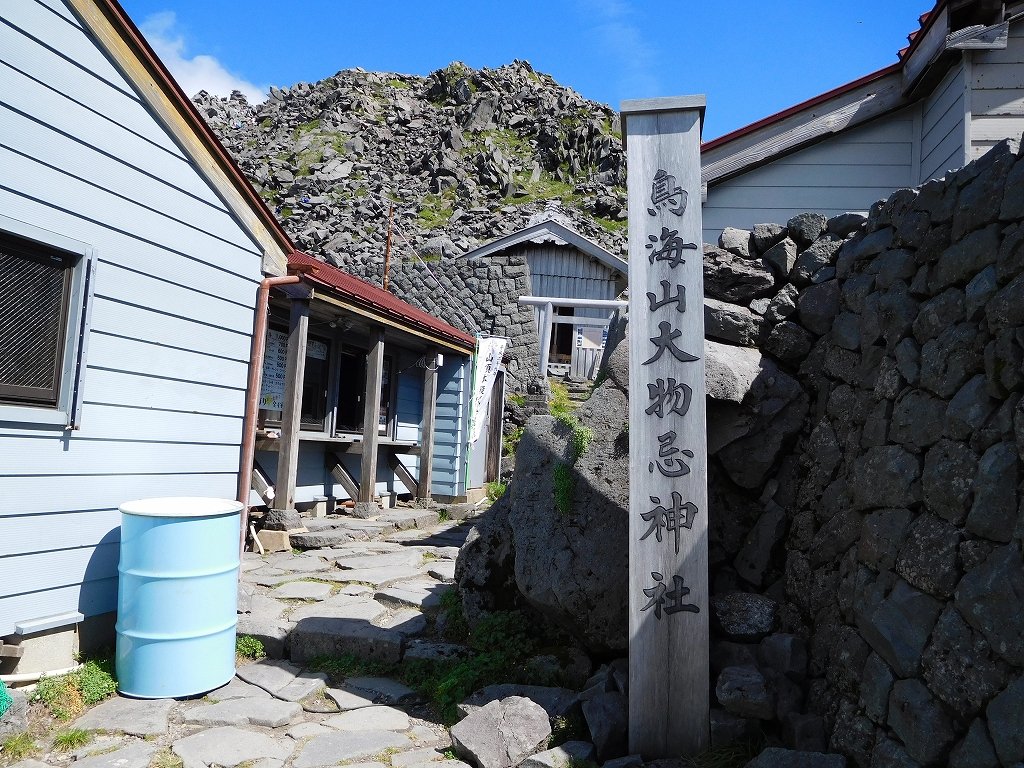
Summit Main Shrine (Gohonsha)
The main shrine, located at the summit of Mt. Chokai, at an altitude of 2,236 meters, is the central presence of Omokimi Shrine. In addition to the main hall, there are the Omuro Pilgrimage Lodge (capacity 50 people) and the Ohama Pilgrimage Lodge (capacity 20 people) at the summit, allowing climbers to stay overnight.
Visiting the Summit Main Shrine is a full-fledged pilgrimage involving mountain climbing. Every year from July to September, during the climbing season, many climbers aim for the summit and pay their respects at the main shrine. The main shrine, nestled in a harsh natural environment, is enveloped in a sacred atmosphere truly befitting the term “divine realm.”
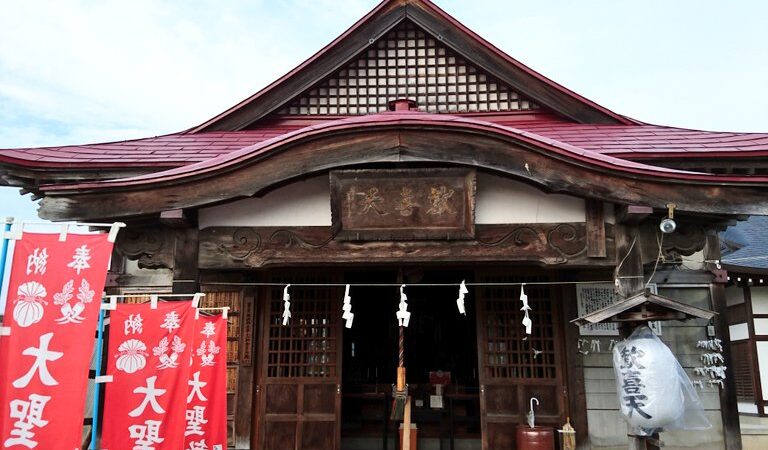
Fukiura-guchi no Miya
Fukiura-guchi no Miya is a lower shrine located in the Fukiura district facing the Sea of Japan. Its address is 1 Nunokura, Fukiura, Yuza-machi, Akumi-gun, Yamagata Prefecture, and it also has a shrine office (Tel: 0234-77-2301).
Due to its location near the coast, Fukiura-guchi no Miya is also deeply revered by those involved in fishing, as it is a place of worship for safe voyages. The shrine grounds are well-maintained, and visits are possible throughout the year. It is also close to the starting point of the Chokai Blue Line, and functions as a base for sightseeing on Mount Chokai.
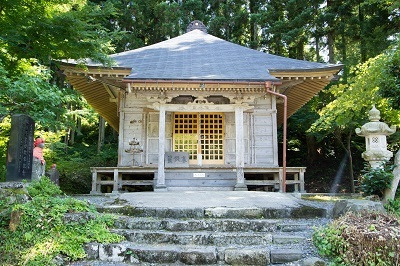
Warabioka-guchi no Miya
Warabioka-guchi no Miya is a lower shrine located in the Warabioka district, in the inland part of Yuza-machi. Alongside Fukiuraguchinomiya, it has long been a center of local faith.
Warabiokaguchinomiya is located in an agricultural area and has been particularly important as a place of prayer for a bountiful harvest. The shrine, nestled in a quiet rural landscape, still conveys a dignified, ancient atmosphere. It also functions as the center of local festivals and is a shrine with strong ties to the local residents.
Annual Events and Festivals
Major Festivals
At Chokaisan Omokimi Shrine, various festivals are held throughout the year.
The Grand Festival is held annually on May 3rd and is considered the most important festival. It is celebrated grandly at both Fukiuraguchinomiya and Warabiokaguchinomiya, attracting many worshippers.
Mountain Opening takes place in early July, praying for safety during the climbing season. From this time, worship at the main shrine at the summit begins in earnest, and prayers for the safety of climbers are offered.
The Autumn Festival is held to coincide with the harvest season, offering thanks for a bountiful harvest.
Monthly Festivals and Daily Rituals
Monthly festivals are held on the 1st and 15th of each month, praying for daily peace and the well-being of parishioners and worshippers. In addition, festivals according to the calendar, such as the New Year’s Day Festival and the Setsubun Festival, are carefully performed.
Visiting Information and Access
Access to Fukiura-guchi no Miya
By Train
- Get off at Fukiura Station on the JR Uetsu Main Line, approximately 15 minutes on foot
- Approximately 30 minutes from Sakata Station to Fukiura Station
By Car
- Approximately 30 minutes from Sakata Minato IC on the Nihonkai Tohoku Expressway
- Signposts along National Route 7
- Free parking available on the shrine grounds
Access to Warabioka-guchi no Miya
By Train
- Get off at Yuza Station on the JR Uetsu Main Line, approximately 10 minutes by taxi
By Car
- Approximately 25 minutes from Sakata Minato IC on the Nihonkai Tohoku Expressway
- Access via prefectural road
- Parking available
Hiking Route to the Summit Main Shrine
Visiting the summit main shrine requires a proper mountain climb. The main hiking routes are as follows:
Fukiura Route
- From Hokotate trailhead, the end point of the Chokai Blue Line
- Elevation difference approximately 1,200 meters, estimated time approximately 5-6 hours (ascent)
- The most common and well-maintained route
Kisakata Route
- Approach from the Akita Prefecture side
- Estimated time approximately 6-7 hours (ascent)
The best time for climbing is from early July to late September. During this period, the mountain lodge is open and overnight stays are possible (reservations required). However, for overnight stays after 2026, please check the official website for the latest information.
Precautions for Visiting the Shrine
Visiting Kuchinomiya
- Visiting Hours: Generally during the daytime (Please check the shrine office hours)
- Attire: Standard pilgrimage attire is acceptable
- Time Required: Approximately 30 minutes per shrine
Visiting the Main Shrine at the Summit
- Hiking equipment is essential (hiking boots, rain gear, warm clothing, etc.)
- Be aware of sudden weather changes
- Submission of a climbing plan is recommended
- Plan according to your physical strength and experience
Attractions of Mt. Chokai and Surrounding Areas
Nature of Mt. Chokai
Mt. Chokai is a beautiful isolated peak also known as “Dewa Fuji,” and is counted as one of Japan’s 100 Famous Mountains. From its 2,236-meter-high summit, a spectacular view unfolds, encompassing the Sea of Japan, the Shonai Plain, and even Mt. Gassan and the Asahi Mountain Range in the distance.
It is also known as a treasure trove of alpine plants, and in summer, colorful flowers welcome hikers. You can also find endemic species named after Mount Chokai, such as Chokai Thistle and Chokai Stellaria.
Chokai Blue Line
The Chokai Blue Line is a scenic road approximately 35 kilometers long that winds around the foot of Mount Chokai. It’s a popular and exhilarating driving route, climbing approximately 1,100 meters in elevation from Fukiura to Hokodate Observatory.
Along the way, there are observation decks and parking lots where you can enjoy the majestic view of Mount Chokai and the spectacular scenery of the Sea of Japan. The view from Hokodate Observatory is particularly breathtaking, offering a panoramic view of Mount Chokai.
Nearby Tourist Spots
Sixteen Arhat Rocks
A group of strangely shaped rocks on the Fukiura coast, with 22 Arhat statues carved into the rocks facing the sea. The scenery created by the rough waves of the Sea of Japan and the sunset is fantastic.
Maruike Pond
A mysterious emerald-green pond formed by spring water. This area is considered sacred ground of Omokimi Shrine and is popular as a power spot.
Tamadare Falls
A 63-meter-high, 5-meter-wide waterfall, affectionately known as “Tamadare Falls.” Visitors can approach close to the waterfall basin and enjoy the negative ions.
Goshuin (Shrine Seals) and Gifts
About Goshuin
At Chokaisan Omokimi Shrine, goshuin are available at both the Fukiuraguchi-no-miya and Warabiokaguchi-no-miya shrines. They can be obtained at the respective shrine offices and bear the inscription “Ichinomiya of Dewa Province.”
Goshuin are also available at the main shrine at the summit during the climbing season. A goshuin received at the summit holds special significance as a memento of the climb.
Gifts
Each of the shrines offers various gifts such as amulets, talismans, and votive tablets. Traffic safety amulets and mountain climbing safety amulets are particularly popular. Special gifts reflecting the shrine’s status as Ichinomiya of Dewa Province are also available. ## Cultural Properties of Chokaisan Omokimi Shrine
Buildings
The shrine buildings of Fukiuraguchi-no-miya and Warabiokaguchi-no-miya are valuable structures that convey architectural styles from the Edo period to the modern era. In particular, the carvings and decorations of the main hall represent the pinnacle of technology at the time.
Sacred Treasures and Ancient Documents
Omokimi Shrine possesses numerous offerings and ancient documents from previous generations. These are valuable materials that tell the long history of the shrine, and some have been designated as cultural properties of Yamagata Prefecture and Yuza Town.
Connections with the Community
Parishioners and Worshippers
Chokaisan Omokimi Shrine is revered as the tutelary shrine of the entire Shonai region, centered around Yuza Town. Furthermore, as the Ichinomiya (first-ranked shrine) of Dewa Province, worshippers come from all over Yamagata Prefecture and even from various parts of the Tohoku region.
Locally, it is affectionately called “Omokimi-sama” or “Chokai-sama,” and the custom of visiting at important life events continues to this day. ### Contribution to Regional Development
Oomonoimi Shrine plays an important role as a tourist resource in Yuza Town. Its contributions to the local economy are significant, including pilgrimage tours combined with Mount Chokai climbing and attracting tourists during festivals.
In recent years, the shrine has also focused on disseminating information through social media. Its official Instagram account (@chokaizan_oomonoimijinja) is regularly updated with information on the shrine’s seasonal appearance and events.
Manners and Etiquette for Visiting a Shrine
Basic Worship Etiquette
The basic etiquette for visiting a shrine begins with a bow before passing through the torii gate. Cleanse your hands and mouth at the water basin, and then worship in front of the main hall using the “two bows, two claps, one bow” ritual.
As a Shrine of Mountain Worship
Chokaisan Oomonoimi Shrine is a shrine of mountain worship, and it is important to worship with reverence for nature. Especially when visiting the main shrine at the summit, it is necessary to observe both mountain climbing etiquette and shrine worship etiquette.
All trash must be taken with you, and the collection of plants and animals is strictly prohibited. Furthermore, straying from the hiking trails is dangerous and desecrates the sacred area.
The Future of Chokaisan Omokimi Shrine
Inheritance of Tradition
Chokaisan Omokimi Shrine, with a history of over 1400 years since its founding, bears the responsibility of passing on its traditions to future generations. A wide range of activities are undertaken, including the continuation of rituals, maintenance of the shrine buildings, and preservation of cultural properties.
New Initiatives
While preserving tradition, new initiatives suited to modern times are also being pursued. Efforts to meet the needs of the times continue, including information dissemination on social media, services for foreign visitors, and environmental conservation activities.
Details regarding the operation of the mountaintop lodging will be announced on the official website as soon as they are decided for 2026 and beyond. Efforts are expected to balance ensuring the safety of climbers with its role as a place of worship.
Summary
Chokaisan Omokimi Shrine, with its history of over 1,400 years, is the Ichinomiya (first-ranked shrine) of Dewa Province and one of the representative shrines of the Tohoku region. Its unique form, consisting of the main shrine at the summit and two smaller shrines at Fukiura and Warabioka, preserves the tradition of mountain worship.
Visiting the main shrine, located at the summit of Mount Chokai (2,236 meters above sea level), is a serious undertaking involving mountain climbing, but it offers a sense of accomplishment and a sacred experience. On the other hand, the smaller shrines at the foot of the mountain are easily accessible and function as a place of everyday worship.
Chokaisan Omokimi Shrine attracts many visitors throughout the year, seeking the divine blessings of Omokimi-no-Okami or to experience the magnificent nature of Mount Chokai. As a unique sacred site where the prestige of the Ichinomiya of Dewa Province and the tradition of mountain worship merge, it will undoubtedly continue to be a spiritual haven for many people.
When you visit Yuza Town, be sure to include a visit to the Chokaisan Omokimi Shrine in your plans. In addition to visiting the Fukiuraguchi-no-miya and Warabiokaguchi-no-miya shrines, if you have the energy and time, we recommend trying to climb to the main shrine at the summit. You’re sure to have a special experience in this sacred area steeped in over 1,400 years of history.