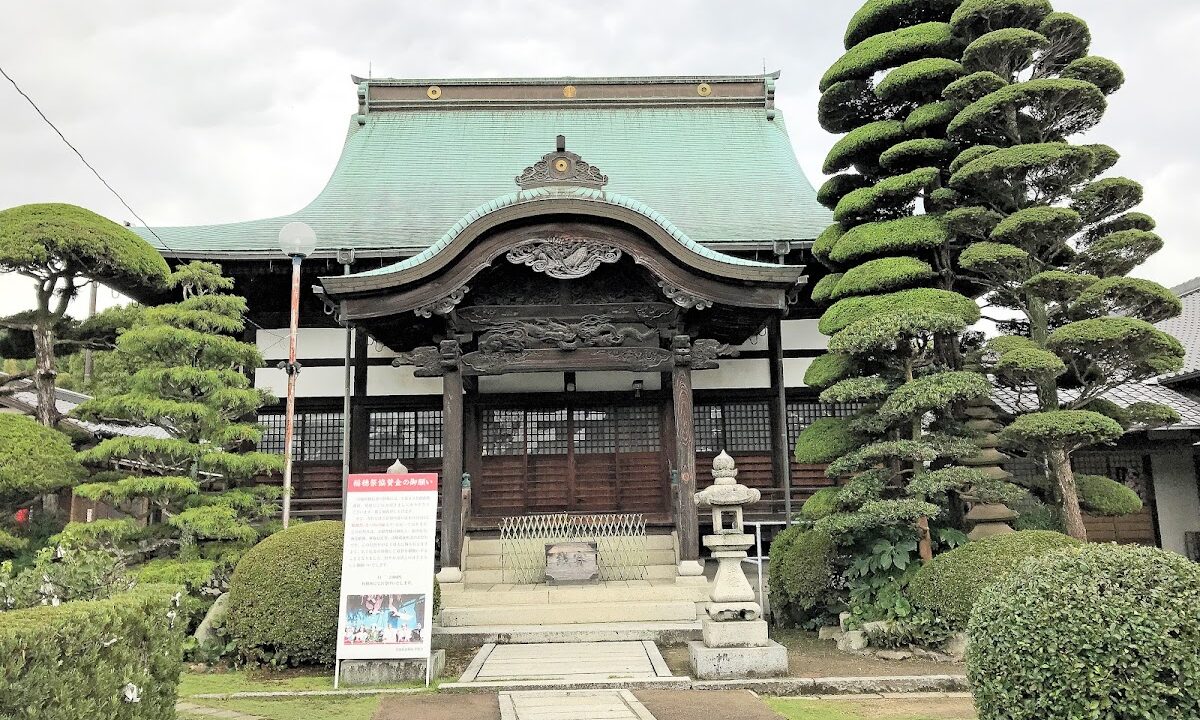
Hojo-ji Temple (Yamaguchi Prefecture) Complete Guide: History, Highlights, and Access Information
Located in Yamaguchi Prefecture, Hojo-ji Temple is a valuable temple that preserves the history and culture of the region. This article provides a detailed explanation of everything you need to know before visiting, from the historical background of Hojo-ji Temple to its highlights, visiting information, and access methods.
About Hojo-ji Temple: Basic Information
Hojo-ji Temple is a Buddhist temple located in Yamaguchi Prefecture, with a long history as a center of faith for local residents. Nestled in a tranquil environment, it offers peace of mind to visitors.
Temple Overview
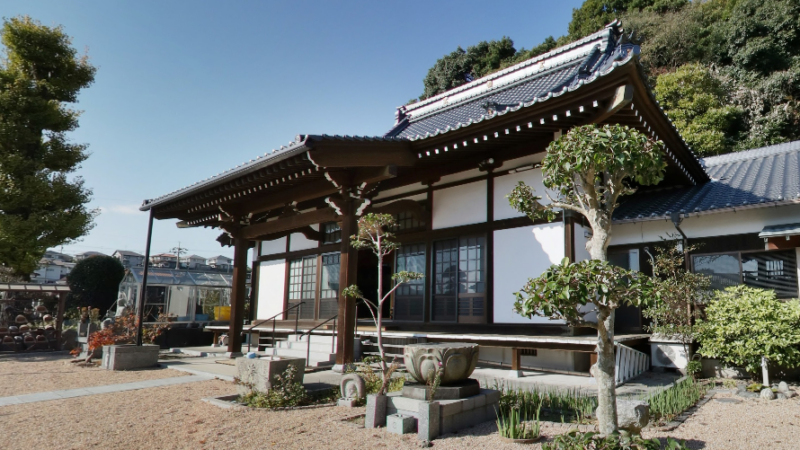
Hojo-ji Temple maintains the traditional architectural style of a Japanese Buddhist temple while cherishing its connection with the local community. The temple’s name, “Hojo,” is thought to embody the meaning of seeking inner peace through Buddhist teachings.
History of Hōjōji Temple
Founding History
Based on local historical documents and records preserved within the temple, it is presumed that Hōjōji Temple has a considerable history. Yamaguchi Prefecture has long been a region where Buddhist culture flourished, and many temples were built from the medieval to the early modern period.
It is believed that Hōjōji Temple was also founded within this historical context, with the support of influential local figures and devout believers.
Historical Changes
During the Edo period, the establishment of the danka system (parishioner system) strengthened ties with local residents. While many temples faced difficulties during the anti-Buddhist movement of the Meiji era, Hōjōji Temple survived thanks to the support of the local people.
Even in the modern era, it has overcome numerous difficulties amidst wars and social changes, and continues to play a vital role as a spiritual pillar for the community to this day.
Highlights of the Temple Grounds
Main Hall
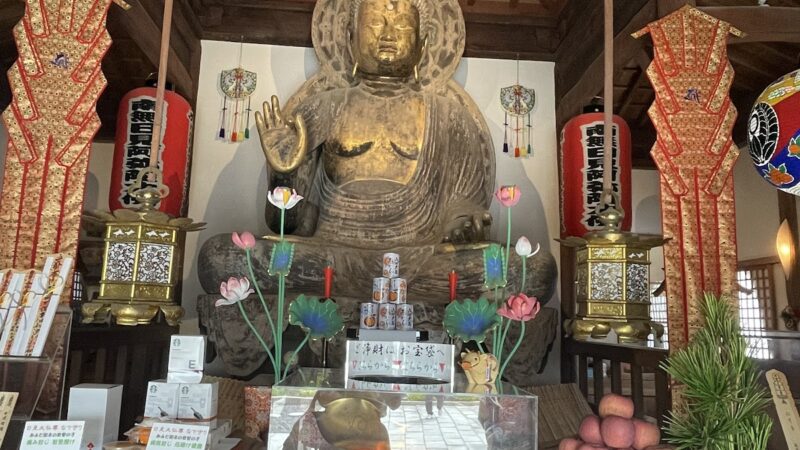
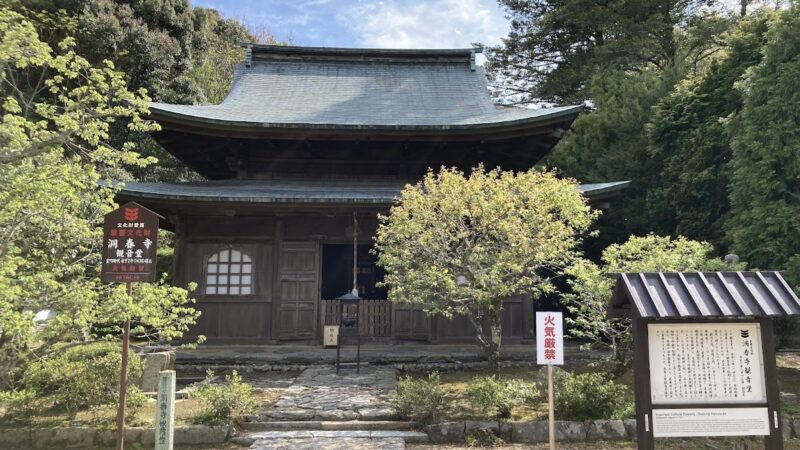
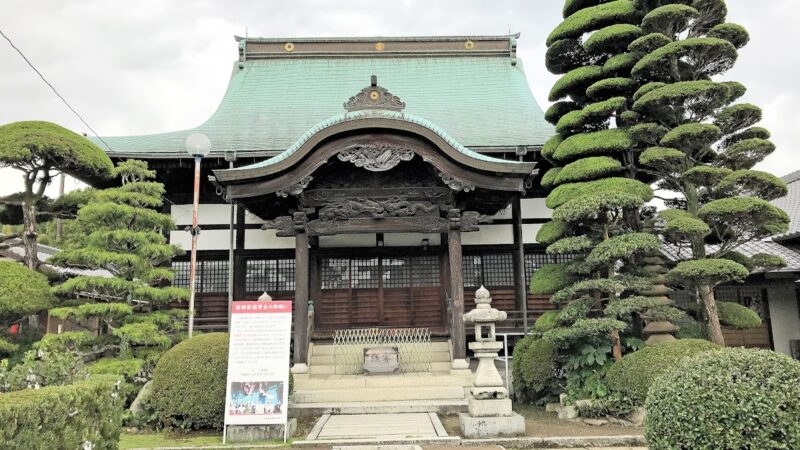
The main hall of Hōjōji Temple, as the central building of the temple, preserves the traditional style of Buddhist architecture. The main hall houses the principal image of worship, allowing visitors to find peace and tranquility in a peaceful environment for prayer.
The architectural style reflects adaptations to the local climate and environment, harmoniously blending the beauty and functionality of wooden construction.
Natural Environment of the Temple Grounds
The grounds of Hōjōji Temple are adorned with the beauty of nature throughout the seasons. Cherry blossoms and plum blossoms bloom in spring, lush trees provide cool shade in summer, autumn leaves color the grounds, and a serene atmosphere permeates the area in winter.
The temple grounds, in harmony with nature, allow visitors to feel the changing seasons and bring peace of mind.
Stone Buddhas and Monuments
Stone Buddhas and monuments that tell the story of history are placed throughout the temple grounds. These are testaments to past faith and valuable cultural assets imbued with the prayers of our ancestors.
The expressions and sculptural styles of the stone Buddhas reveal the characteristics of Buddhist art from the era in which they were created.
The Sect and Principal Image of Hōjōji Temple
About the Sect
Hōjōji Temple is believed to belong to one of the major sects of Japanese Buddhism. Within Yamaguchi Prefecture, there are temples of various sects, including Jōdo-shū, Sōtō-shū, Rinzai-shū, and Shingon-shū, each transmitting its own unique doctrines and practices.
Principal Image and Faith
The principal image of a temple is the Buddha that is central to the temple’s faith. At Hōjōji Temple, faith in the principal image is also at the core of the temple’s activities.
By joining their hands in prayer before the principal image, worshippers seek peace of mind and pray for liberation from the worries and suffering of daily life.
Annual Events and Memorial Services
Main Annual Events
Hōjōji Temple holds various Buddhist events throughout the year. These events provide valuable opportunities for parishioners and local residents to gather and experience Buddhist teachings.
Spring Events: During the spring equinox, memorial services are held to honor ancestors, attracting many visitors.
Summer Events: During the Obon period, the Urabon-e ceremony is held, where rituals are performed to welcome the spirits of ancestors.
Autumn Events: Memorial services are also held during the autumn equinox, offering gratitude and prayers to ancestors.
Winter Events: At the end of the year, the temple bell is rung, preparing for the new year.
Special Memorial Services
Special memorial services are held on days of special significance to the temple, such as the anniversary of the temple’s founder or the anniversary of the principal image. Visitors may travel from far away to attend these services.
Goshuin (Temple Seal) Information
Issuance of Goshuin
Hōjōji Temple may issue goshuin as proof of your visit. Goshuin are popular among many visitors as a memento of their temple visit and as proof of their faith. If you wish to receive a Goshuin (temple stamp), it is customary to request it at the temple office or main hall after your visit. It is polite to bring your Goshuincho (stamp book) and make a polite request.
Manners for Receiving a Goshuin
- First, complete your visit to the main hall before receiving your Goshuin.
- Present your Goshuincho with both hands and make a polite request.
- Prepare the Goshuin fee (offering) (generally around 300-500 yen).
- Wait quietly while the Goshuin is being written.
- Express your gratitude upon receiving it.
Manners and Etiquette for Visiting a Temple
Basic Visiting Etiquette
When visiting a temple, please observe the following basic manners:
A Bow at the Temple Gate: Before entering the temple grounds, bow at the temple gate. This shows respect for entering the realm of Buddha.
The Etiquette of Washing Hands: If there is a washbasin, wash your hands and mouth. Wash your left hand, then your right hand, and rinse your mouth with water in your left hand.
Worship at the Main Hall: Bow lightly in front of the main hall, quietly place your offering, ring the bell if there is one, and pray with your hands clasped together.
Manners on the Temple Grounds
- Worship quietly (do not speak loudly)
- Do not take photographs in areas where photography is prohibited
- Do not touch buildings or Buddha statues
- Take your trash with you
- Refrain from smoking except in designated areas
Access Information
Location
Hōjōji Temple is located in Yamaguchi Prefecture. For the exact address, we recommend checking the latest information before your visit.
Access by Public Transportation
By Train: It is common to take a bus or taxi from the nearest station. It is recommended to research access methods from major stations in Yamaguchi Prefecture in advance for a smoother experience.
By Bus: Local community buses and regular bus routes may be available. Since bus services may be limited, please check the timetable in advance.
Access by Car
Using Expressways: Access is via general roads from major expressway interchanges in Yamaguchi Prefecture. Entering the temple name or address into your car navigation system is convenient.
Parking: The temple may have parking available for visitors. However, parking spaces may be limited, so consider using public transportation, especially on event days.
Points to Note When Visiting
- Check visiting hours in advance (generally during daylight hours)
- General visits may be restricted during memorial services or events
- Road conditions may vary depending on weather and season
- Check for traffic restrictions in the surrounding area
Nearby Tourist Attractions
Historical Sites in Yamaguchi Prefecture
When visiting Hōjōji Temple, visiting nearby tourist attractions will allow you to gain a deeper understanding of Yamaguchi Prefecture’s history and culture.
Historical Buildings: Yamaguchi Prefecture has many temples and shrines designated as National Treasures or Important Cultural Properties.
Natural Scenery: Blessed with a beautiful natural environment, Yamaguchi Prefecture offers the opportunity to enjoy the scenery of each season.
Local Cultural Facilities
Museums and Archives: Visiting facilities where you can learn about the local history and culture will deepen your understanding of the historical background of Hojo-ji Temple.
Traditional Crafts: Yamaguchi Prefecture has traditional crafts, and some facilities offer workshop tours and hands-on experiences.
Hojo-ji Temple and the Local Community
Connections with the Community
Hojo-ji Temple has functioned not only as a religious facility but also as a central presence in the local community. Through the danka system (parishioner system), it is deeply involved in the ceremonies of local residents, including weddings, funerals, and annual events.
Cultural Role
Temples not only transmit Buddhist teachings but also play a role in preserving and passing on local culture and traditions to future generations. Hojo-ji Temple is also an important center for conveying the history and culture of the region.
Social Contribution Activities
Modern temples, in addition to traditional religious activities, are also engaged in activities that contribute to the local community. It is possible that activities are also being conducted at Hōjōji Temple in response to local needs.
Visitor Voices and Experiences
Healing of the Mind in a Tranquil Environment
Many visitors to Hōjōji Temple find peace of mind in the quiet and tranquil atmosphere of the temple grounds. It is a precious space where one can escape the hustle and bustle of everyday life and have time to reflect on oneself.
Seasonal Charms
Enjoying the beauty of nature in each of the four seasons is another charm of Hōjōji Temple. From the cherry blossoms of spring, the fresh greenery of summer, the autumn leaves, to the tranquility of winter, it shows a different face depending on the season you visit.
Buddhist Culture in Yamaguchi Prefecture
Historical Background
Yamaguchi Prefecture has a long history of flourishing Buddhist culture. In the Middle Ages, the Ōuchi clan developed Yamaguchi as the “Kyoto of the West,” and many temples were built. This historical background explains why so many temples still exist in the prefecture today.
The Role of Temples in Modern Times
In modern society, temples, in addition to their role as traditional religious institutions, have come to serve diverse functions such as community cultural centers, places for mental health care, and places for historical education.
Hojo-ji Temple is also believed to be continuing to preserve its traditions while responding to these modern needs.
Best Season for Visiting
Spring (March-May)
Spring is beautiful with fresh greenery, and cherry blossoms, plum blossoms, and other flowers adorn the temple grounds. Memorial services are held during the spring equinox, attracting many visitors. The weather is mild, making it a suitable season for visiting.
Summer (June-August)
In summer, the lush green temple grounds create a cool atmosphere. Special memorial services are held during the Obon period. However, precautions against the heat are necessary.
Autumn (September-November)
Autumn is one of the most suitable seasons for visiting, with its beautiful autumn foliage. Memorial services are also held during the autumn equinox. The cool, pleasant weather allows for a leisurely stroll through the temple grounds.
Winter (December-February)
In winter, the temple grounds are enveloped in silence, allowing for a deeper spiritual experience. During the New Year’s period, it becomes lively with the ringing of the temple bells and New Year’s visits.
Mindset for Visiting Hōjōji Temple
Respect as a Place of Worship
It is important to remember that Hōjōji Temple is a place of worship before it is a tourist destination. For parishioners and local residents, it is a precious temple that has been cared for by their ancestors for generations.
Visitors are expected to respect the sacredness of this place and worship quietly and respectfully.
Time to Calm the Mind
Visiting a temple is not merely sightseeing; it is also a time to confront one’s own heart. It allows you to escape the hustle and bustle of daily life and calm your mind in a peaceful environment.
Cooperation in Temple Maintenance
Maintenance Fees and Donations
Maintenance of the temple relies heavily on maintenance fees from parishioners and donations from visitors. Donations and stamp fees are used for the maintenance and upkeep of the temple.
Volunteer Activities
Some temples accept volunteers for tasks such as cleaning the grounds and assisting with events. These activities value connections with the local community.
Summary: The Charm of Hojo-ji Temple
Hojo-ji Temple is a valuable temple that conveys the history and culture of Yamaguchi Prefecture to the present day. The tranquil grounds, historical buildings, and the beauty of nature throughout the seasons harmonize to provide peace of mind to visitors.
With deep ties to the local community, Hojo-ji Temple continues to preserve traditional Buddhist culture and plays an important role in modern society.
When visiting Yamaguchi Prefecture, be sure to visit Hojo-ji Temple and experience its history and atmosphere firsthand. You can calm your mind in the serene grounds and spend time away from the hustle and bustle of everyday life.
When visiting, please remember to observe basic manners and respect the temple as a place of worship. We hope your experience at Hojo-ji Temple will leave a deep impression on your heart.