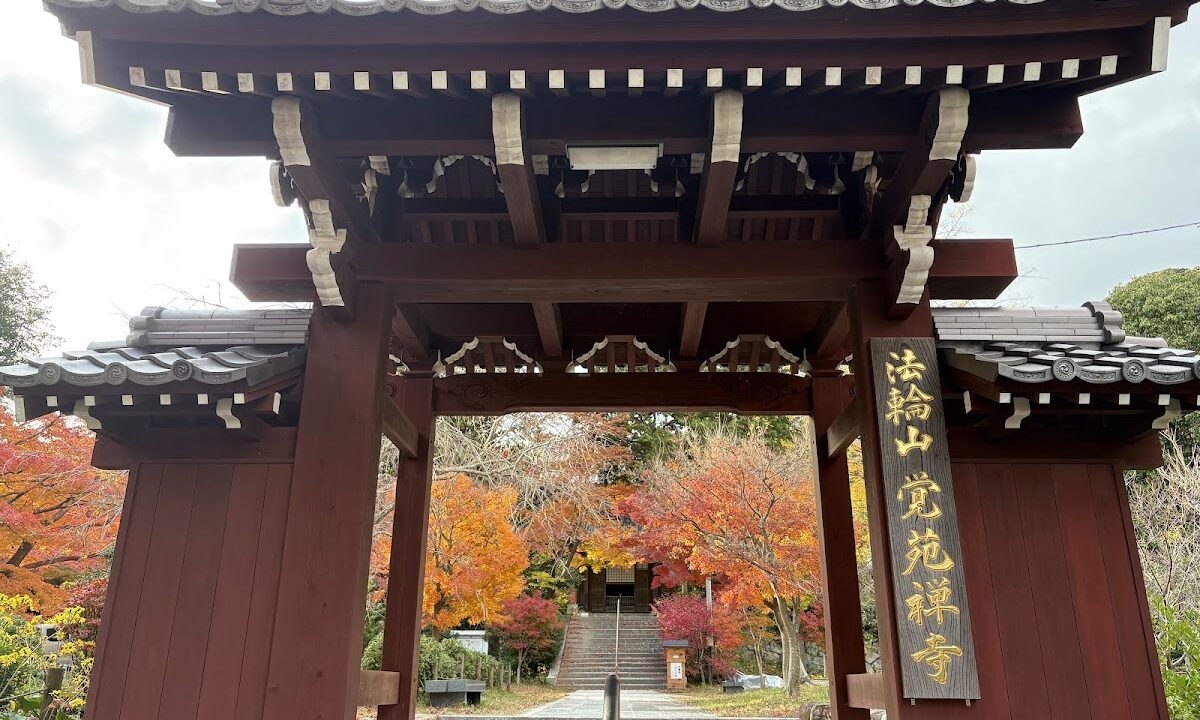
Complete Guide to Kakuenji Temple (Shimonoseki City, Yamaguchi Prefecture) | History and Highlights of the Chofu Mori Family’s Family Temple
Kakuenji Temple, located in the Chofu district of Shimonoseki City, Yamaguchi Prefecture, is an ancient temple of the Obaku sect, founded in 1698 (Genroku 11). It flourished as the family temple of the Chofu Mori family and played a significant role in history, even serving as the headquarters of the Kiheitai during the late Edo period. This guide will detail the charms of Kakuenji Temple, surrounded by its main hall, which preserves the architectural style of the Ming Dynasty, beautiful nature throughout the seasons, and the historical site of the Wado Kaichin mint.
History and Origins of Kakuenji Temple
Circumstances of Founding and Relationship with the Chofu Mori Family
Kakuenji Temple was founded in 1698 (Genroku 11) by Mori Tsunamoto, the third lord of the Chofu Mori domain. Tsunamoto invited Zen Master Etsuzan Doso (from Fujian Province, China), the 7th abbot of Manpuku-ji Temple on Mount Obaku in Uji, to be the founding abbot, and established this temple as a center for the flourishing of culture and education in the Chofu domain.
The Chofu Mori family traces its ancestry to Hoida Motokiyo, the fourth son of Mori Motonari. After the Battle of Sekigahara, when the Mori clan’s territory was reduced to Nagato and Suo provinces, they were granted 50,000 koku in Chofu, establishing the family. Kakuen-ji Temple, as one of the Mori family’s ancestral temples, has played an important role in commemorating successive lords and their families.
Characteristics as an Obaku Zen Temple
The Obaku Zen sect is a branch of Zen Buddhism founded in the early Edo period by Ingen Ryuki, who came from China. The main hall of Kakuen-ji Temple is a magnificent building that strongly retains the architectural style of the Ming Dynasty, and is highly regarded as one of the few buildings that exhibits the typical characteristics of an Edo period Obaku Zen temple. The characteristics of Obaku Zen temples include Chinese-style designs, symmetrical temple layouts, and unique ornamentation, and these elements can be seen throughout the main hall of Kakuenji Temple. From the dragon painting on the ceiling to the carvings on the pillars, the beauty of the Obaku style is expressed in every detail.
Prosperity in the Edo Period and Decline in the Meiji Period
Throughout the Edo period, Kakuenji Temple flourished greatly under the patronage of the Chofu Domain. Receiving the devotion of the domain lord, many temple buildings were constructed, and it also functioned as a training ground for monks. As one of the cultural centers of the Chofu Domain, it contributed to the promotion of learning and the arts.
However, under the influence of the anti-Buddhist movement after the Meiji Restoration, the temple declined significantly. Many temple buildings were lost, and the temple’s land holdings were reduced, experiencing a difficult period. Nevertheless, the main hall and other major buildings were preserved, and they continue to convey the appearance of that time to this day.
Kakuenji Temple as a Historical Stage of the Late Edo Period
In 1863, when the five court nobles, including Sanjo Sanetomi, who supported the Sonno Joi (Revere the Emperor, Expel the Barbarians) movement, were driven out of Kyoto and fled to Choshu, Kakuenji Temple became the headquarters of the Kiheitai (a militia). The Kiheitai, led by Takasugi Shinsaku, established their camp here to protect the five nobles, making it a crucial base during the turbulent late Edo period.
During this time, Kakuenji Temple transcended mere religious significance, playing a political and military role at a turning point in history. The temple grounds feature historical sites and explanatory plaques that evoke the era, making it an unmissable spot for anyone interested in the history of the late Edo period.
Highlights of Kakuenji Temple
Main Hall in the Ming Dynasty Architectural Style
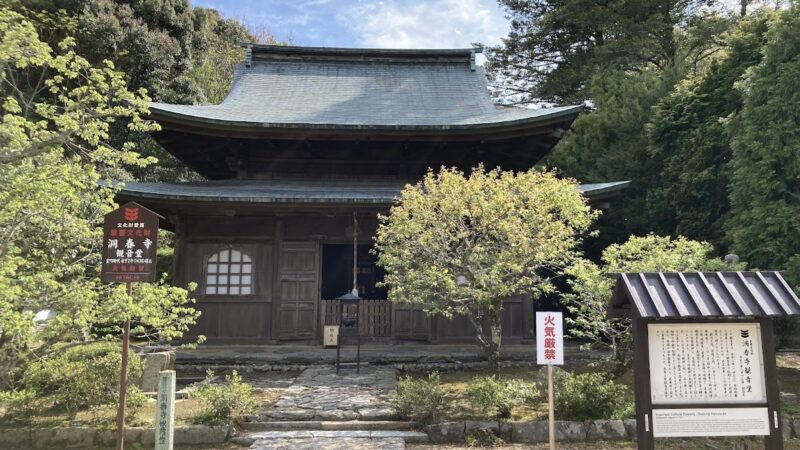
The greatest highlight of Kakuenji Temple is undoubtedly its main hall, which preserves the Ming Dynasty architectural style. As a valuable cultural asset representing a typical example of Edo period Obaku Zen temple architecture, it holds high historical value.
The main hall has the following notable features:
- Symmetrical Structure: Strict bilateral symmetry characteristic of Chinese architecture
- Unique Roof Style: A roof with elegant curves characteristic of the Obaku style
- Exquisite Decoration: Chinese-style carvings and coloring on the pillars and beams
- Spacious Interior: An open design suitable for Zen practice
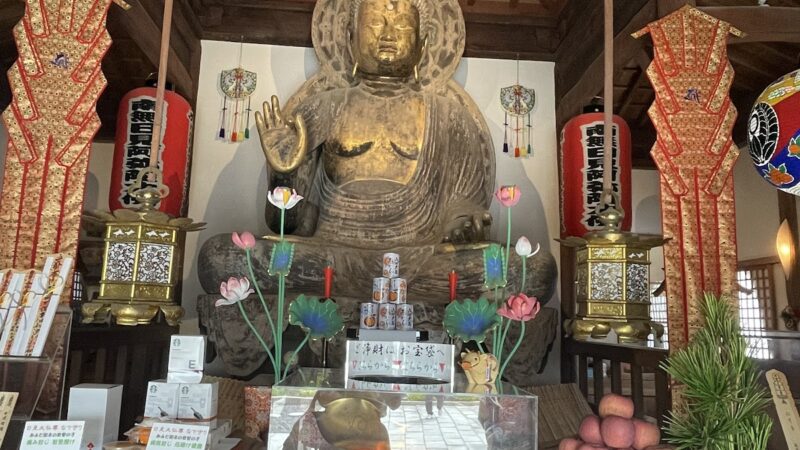
Inside the main hall, Buddhist statues, including the principal image, and ceiling paintings are enshrined, allowing visitors to worship in a tranquil atmosphere.
The Kuri (monk’s quarters) Relocated from the Entrance of Katsuyama Palace
The current Kuri (monk’s quarters) is a relocated entrance section of the Katsuyama Palace, built during the late Edo period. The Katsuyama Palace was an important facility of the Chofu Domain, but it was dismantled after the Meiji Restoration, and a part of it was moved to Kakuenji Temple.
While the Kuri is typically used as a temple kitchen and living space for monks, the Kuri at Kakuenji Temple is a valuable building that retains the formality of samurai architecture. The style of the entrance, the thickness of the pillars, and the height of the ceiling all reflect the grandeur of the feudal lord’s palace architecture.
Bronze Statues of Kano Hogai and Nogi Maresuke
Within the temple grounds stand bronze statues of two great figures associated with Chofu.
Kano Hogai was a master of Japanese painting who was active from the late Edo period to the Meiji era. Born the son of Kano Seisō, the official painter of the Chofu domain, he later played a significant role in the development of modern Japanese painting, including his involvement in the establishment of the Tokyo School of Fine Arts (now Tokyo University of the Arts). His representative work, “Kannon of Compassion,” is known as a masterpiece in the history of Japanese art.
Nogi Maresuke was a general in the Imperial Japanese Army during the Meiji era, known for his command of the Siege of Port Arthur during the Russo-Japanese War. Born into a family of Chofu domain samurai, he is also famous for committing suicide upon the death of Emperor Meiji. His loyalty and warrior’s way of life deeply impressed many people.
These two bronze statues welcome visitors, symbolizing the history and culture of Chofu.
Kakuenji Temple as a Famous Spot for Autumn Leaves
Kakuenji Temple is widely known as the “Temple of Autumn Leaves.” Numerous maple trees are planted on the temple grounds, and in autumn, the entire grounds are dyed a vibrant crimson.
Best Time to See Autumn Leaves: Typically from mid-November to early December
The autumn leaves, set against the backdrop of the main hall and the temple’s living quarters, are exceptionally beautiful, attracting many photography enthusiasts and tourists. You can fully enjoy the atmosphere of Japanese autumn in the tranquil temple grounds. Furthermore, special illuminations are sometimes held during the autumn leaf season, allowing you to enjoy the fantastical nighttime foliage.
Flowers and Plants of the Four Seasons
At Kakuenji Temple, you can enjoy not only autumn leaves but also a variety of flowers and plants throughout the four seasons.
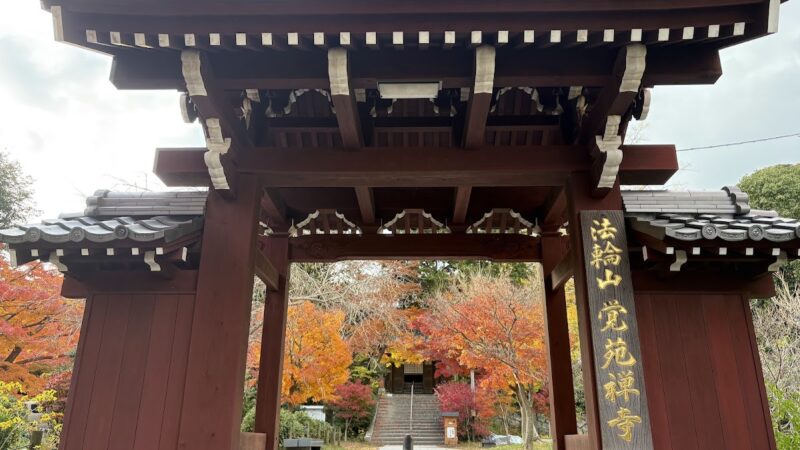
Spring: Plum blossoms adorn the temple grounds, followed by the full bloom of cherry blossoms. The cherry blossoms near the temple gate are particularly magnificent, a quintessential sign of spring’s arrival.
Summer: Lush green trees create cool shade within the temple grounds, allowing for peaceful tranquility.
Autumn: The aforementioned autumn foliage is the main highlight.
Winter: The snow-covered temple grounds have a sumi-e (ink painting)-like quality, displaying a dignified beauty.
Kakuenji Temple, which shows a different face in each of the four seasons, is a temple where you can discover something new no matter how many times you visit.
Site of the Wado Kaichin Mint
Japan’s Oldest Currency and Kakuenji Temple
The area around Kakuenji Temple is known as the site of the mint for the Wado Kaichin, Japan’s oldest circulating currency, minted in the first year of the Wado era (708 AD) during the Nara period. This area is designated as a national historical site and is an extremely important place in the history of Japanese currency.
Chofu has been a center of currency minting since ancient times, known as the “Nagato Mint.” Due to its abundant copper resources and convenient location on the Seto Inland Sea, it is believed that the imperial court’s mint was established here.
Excavated Artifacts
Many archaeological discoveries have been made in this area:
- Ancient Coins: Ancient coins, including Wado Kaichin
- Casting Tools: Parts of bellows (blower) and fragments of molds
- Workshop Remains: Remains of a workshop where coins were manufactured
- Copper Slag: Clumps of impurities produced during copper smelting
These artifacts demonstrate the advanced casting technology of the time and indicate that this region played a crucial role in the economic activities of ancient Japan.
Value as a Historical Site
The Wado Kaichin Mint Site is not merely an archaeological site, but an indispensable historical site for understanding Japan’s economic and technological history. When visiting Kakuenji Temple, understanding this historical background will allow for a deeper understanding of the multi-layered history of the Chofu area.
Currently, explanatory signs are installed in part of the former mint site, allowing visitors to reflect on ancient history while strolling through the area.
Goshuin (Temple Seal) Information
Kakuenji Temple’s Goshuin
Kakuenji Temple offers goshuin (temple seals) to visitors. Written in a unique calligraphic style characteristic of the Obaku sect, the goshuin is simple yet powerful, making it popular among many goshuin collectors.
Goshuin Features:
- Ink writing: Temple name such as “Horinzan” or “Kakuenji”
- Red seal: Temple seal
- Calligraphy: Chinese-style calligraphy unique to the Obaku sect
Goshuin Reception Hours and Location
Goshuin are available at the temple office (kuri).
Reception Hours: Approximately 9:00 AM to 5:00 PM (may vary depending on the season)
Donation: Approximately 300-500 yen
*Bringing your goshuin notebook is recommended. Pre-printed goshuin may also be available. *Please note that if the head priest is absent, we may not be able to assist you. If you definitely wish to receive a Goshuin (temple stamp), we recommend calling ahead to confirm.
Etiquette for Visiting Temples and Receiving Goshuin
When receiving a Goshuin, please observe the following etiquette:
- First, complete your prayers at the main hall.
- Quietly visit the temple office.
- Open your Goshuin book and indicate the page you would like the stamp on.
- Wait quietly while the stamp is being written.
- Express your gratitude politely.
A Goshuin is not merely a stamp rally; it is a token of your visit. Remember to show respect to the temple and pray with sincerity.
Access Information
Access by Public Transportation
From JR Sanyo Main Line “Chofu Station”:
- Take the Sanden Kotsu bus bound for “Jokamachi Chofu” (approx. 10 minutes)
- Get off at the “Jokamachi Chofu” bus stop and walk for approximately 15 minutes.
From JR Sanyo Main Line “Shimonoseki Station”:
- Take the Sanden Kotsu bus bound for “Jokamachi Chofu” (approx. 23 minutes)
- Get off at the “Jokamachi Chofu” bus stop and walk for approximately 15 minutes.
From the Jokamachi Chofu bus stop to Kakuenji Temple, it’s a pleasant distance to stroll through the charming castle town of Chofu. Along the way, you’ll find other tourist spots such as Kozanji Temple and the Chofu Mori Residence, which we recommend visiting as well.
Access by Car
From Shimonoseki IC on the Chugoku Expressway:
- Approximately 15 minutes via National Route 9
From Shimonoseki IC on the Sanyo Expressway:
- Approximately 20 minutes via National Route 2
Parking:
- Several parking spaces available on the temple grounds (free)
- During busy periods, we recommend using the Chofu Castle Town Tourist Parking Lot (paid)
Distance to Nearby Tourist Attractions
- Kozanji Temple: Approximately 5 minutes on foot
- Chofu Mori Residence: Approximately 10 minutes on foot
- Chofu Garden: Approximately 12 minutes on foot
- Imimiya Shrine: Approximately 15 minutes on foot
Since many tourist attractions are within walking distance of the castle town of Chofu, we recommend taking half a day to a full day to explore at a leisurely pace.
Visiting Information
Visiting Hours and Admission Fees
Visiting Hours:
- Grounds are freely accessible (always open)
- Reservations may be required for viewing the interior of the main hall
Admission Fees:
- Grounds are free
- Donation required for viewing the interior of the main hall
Photography
Photography is generally permitted on the grounds, but please note the following:
- Permission may be required for photography inside the main hall
- Please be considerate of other visitors
- Prior confirmation is required for the use of tripods
- Prior permission is required for commercial photography
Precautions During Your Visit
- Please maintain silence and avoid disturbing other visitors or monks
- Smoking is prohibited on the grounds
- Pets are generally not allowed (except for assistance dogs such as guide dogs)
- Please take all your trash with you
- Please do not touch or damage buildings or plants
Nearby Tourist Attractions
Kōzanji Temple
This ancient Rinzai Zen temple is located about a 5-minute walk from Kakuenji Temple. The main hall, built during the Kamakura period, is designated a National Treasure and holds great value as the oldest Zen Buddhist-style architecture in Japan. It is also known as the place where Takasugi Shinsaku raised his army, making it an important stage in the history of the late Edo period. It is also famous for its autumn foliage and is a popular spot often visited in conjunction with Kakuenji Temple.
Chōfu Mōri Residence
This residence was built in 1903 (Meiji 36) by Mōri Mototoshi, the 14th head of the Chōfu Mōri family. The main house, garden, and tea room are arranged on a 30,000 tsubo (approximately 100,000 square meters) plot of land, combining the formality of a samurai residence with the beauty of modern Japanese architecture. The garden, which blooms with flowers throughout the seasons, is magnificent, and is particularly known for its beautiful wisteria in spring and autumn foliage.
Chofu Garden
This is a strolling-style Japanese garden built on the former site of the residence of Nishi Uncho, a senior retainer of the Chofu Mori family. The approximately 30,000 square meter grounds feature a pond, waterfall, and tea house, allowing visitors to enjoy the beauty of nature throughout the seasons. It is especially beautiful during the seasons of fresh greenery and autumn leaves.
Imimiya Shrine
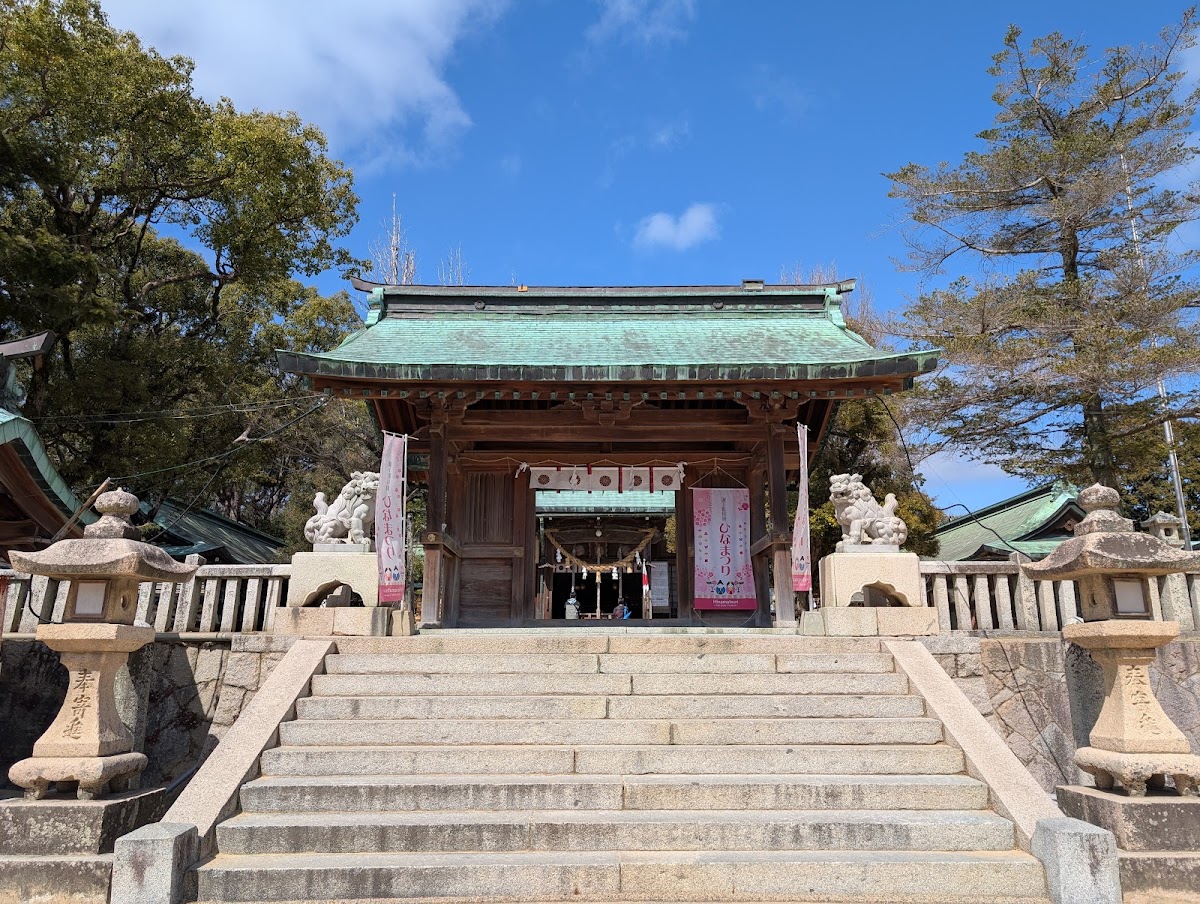
This ancient shrine enshrines Emperor Chuai and Empress Jingu and is revered as the guardian shrine of Chofu. The grounds also contain ruins from the Kofun period, making it a shrine of high historical value. The “Kazukata-tei Festival,” held every August, is designated as an intangible folk cultural property of Yamaguchi Prefecture.
Shimonoseki City Chofu Museum
This museum introduces the history and culture of Chofu. It displays items related to the Mori family, historical materials of the Chofu domain, and archaeological materials. Visiting before visiting Kakuenji Temple and surrounding historical sites will allow for a deeper understanding of the history.
A Recommended Walking Course in Chofu
This is a recommended walking course in Chofu, a castle town centered around Kakuenji Temple.
Half-Day Course (Approx. 3 Hours)
- Chofu Castle Town Bus Stop (Start)
- Kozanji Temple (30 minutes): Visit the National Treasure Buddha Hall
- Kakuenji Temple (40 minutes): Enjoy the main hall and autumn leaves
- Chofu Mori Residence (50 minutes): Stroll through the residence and gardens
- Furue-koji Alley (20 minutes): Walk along the charming alley of the castle town
- Chofu Castle Town Bus Stop (Goal)
Full-Day Course (Approx. 6 Hours)
- Chofu Castle Town Bus Stop (Start)
- Shimonoseki City Chofu Museum (40 minutes): Learn about history
- Imimiya Shrine (30 minutes): Worship and stroll through the grounds
- Kozanji Temple (40 minutes): The National Treasure Buddha Hall and autumn leaves
- Lunch (60 minutes): Enjoy local Chofu cuisine
- Kakuenji Temple (50 minutes): Take your time exploring the temple grounds
- Chofu Mori Residence (60 minutes): Enjoy the residence and gardens
- Chofu Garden (50 minutes): Savor the beauty of a Japanese garden
- Furue-koji and Samurai Residences (30 minutes): Stroll through the castle town
- Chofu Castle Town Bus Stop (Goal)
Recommended Season for Visiting Kakuenji Temple
Autumn (Mid-November to Early December)
The most recommended time to visit is, of course, the autumn foliage season. The maple trees on the temple grounds turn vibrant colors, and the beauty of the autumn leaves against the backdrop of the main hall and priests’ quarters is exceptional. While it can get crowded on weekends, weekday mornings are relatively quiet for a peaceful visit.
Spring (Late March to Early April)
Plum and cherry blossoms bloom, enveloping the temple grounds in a vibrant atmosphere. The fresh greenery is also beautiful, making it a refreshing season that truly embodies the arrival of spring. It’s less crowded than the autumn foliage season, making it ideal for those who want to visit at a leisurely pace.
Summer (June to August)
The lush green trees create cool shade within the temple grounds, making it a relatively comfortable environment even during the hot summer months. There are fewer tourists, allowing for a peaceful visit. However, don’t forget to take precautions against heatstroke.
Winter (December to February)
Snowfall is possible, and the snow-covered grounds have a sumi-e (ink painting)-like beauty. This is the time of year with the fewest tourists, making it perfect for those who want to savor the temple’s atmosphere in tranquility.
Summary
Kakuenji Temple is a renowned temple of the Obaku sect, founded in 1698 (Genroku 11) as the family temple of the Chofu Mori clan. This temple boasts numerous attractions, including a magnificent main hall showcasing Ming Dynasty architectural style, a kitchen built with the entrance of the Katsuyama Palace from the late Edo period, and bronze statues of Kano Hogai and Nogi Maresuke.
In particular, its autumn foliage is widely known as the “Temple of Autumn Leaves,” attracting many tourists. Furthermore, the surrounding area is designated a national historical site as the site of the Wado Kaichin mint, making it an important location in the history of Japanese currency.
The castle town of Chofu offers many tourist spots within walking distance, such as Kozanji Temple, the Chofu Mori Residence, and the Chofu Garden, making it ideal for a leisurely half-day to full-day stroll. Be sure to visit Kakuenji Temple and the town of Chofu, where history, nature, and culture harmonize.
Basic Information
- Name: Horinzan Kakuenji Temple
- Sect: Obaku Zen sect
- Founded: Genroku 11 (1698)
- Founding Priest: Zen Master Etsuzan Doso
- Founder: Mori Tsunamoto
- Address: 3-8, Chofu Anyoji 3-chome, Shimonoseki City, Yamaguchi Prefecture 752-0979
- Phone: 083-245-0649
- Visiting Hours: Grounds are freely accessible
- Admission Fee: Free
- Parking: Available (Free, limited spaces)
- Access: 10-minute bus ride from JR Chofu Station, 15-minute walk from the “Jokamachi Chofu” bus stop.