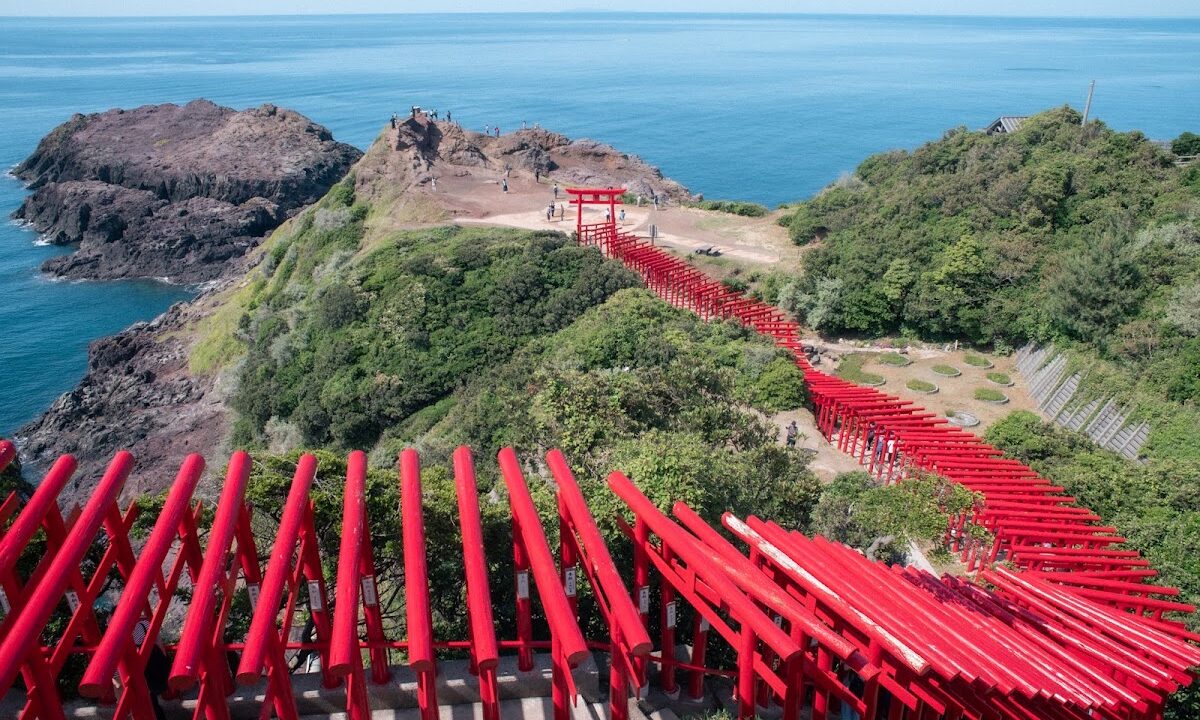
Complete Guide to Soguji Temple (Yamaguchi Prefecture): History, Highlights, and Access Information
About Soguji Temple
Soguji Temple is a historic temple located in Yamaguchi Prefecture. It has a long history as a center of local faith and is known as a temple beloved by the local people. It is a place where worshippers and tourists can find peace of mind in a tranquil environment.
Yamaguchi Prefecture has long been a culturally and historically important region, with many temples and shrines scattered throughout. Soguji Temple is one of them, a valuable presence that conveys the history of the region to the present day.
History of Soguji Temple
Origin of Founding
The founding of Soguji Temple has a history based on local traditions and records. Many temples in Yamaguchi Prefecture developed under the patronage of local influential figures and lords from the medieval to the early modern period. Soguji Temple is also a temple that has been deeply connected to the local community within this historical background.
Historical Transformations
Throughout its long history, Shomiya-ji Temple has experienced various changes over time. Throughout the Sengoku and Edo periods, the temple continued to serve as a spiritual pillar for the community. Although it was affected by the anti-Buddhist movement after the Meiji Restoration, it was protected by the faith of the local residents and has been passed down to the present day.
Even in modern times, it has been used as a center for the local community, hosting various religious events and community activities.
Highlights of Shomiya-ji Temple
Main Hall and Architectural Style
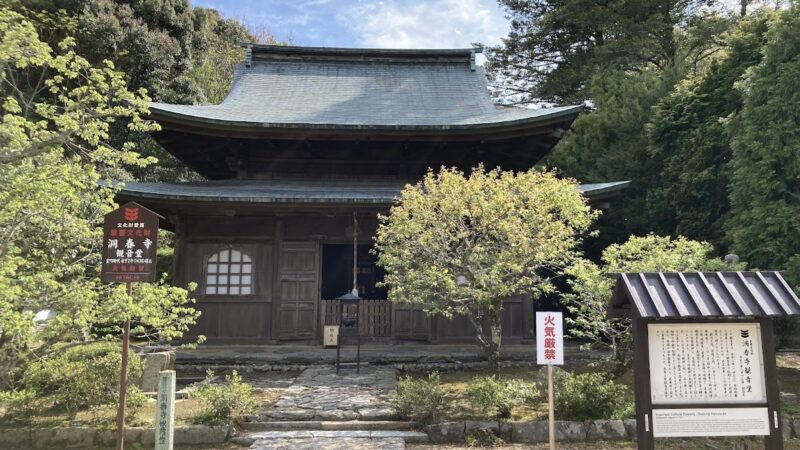
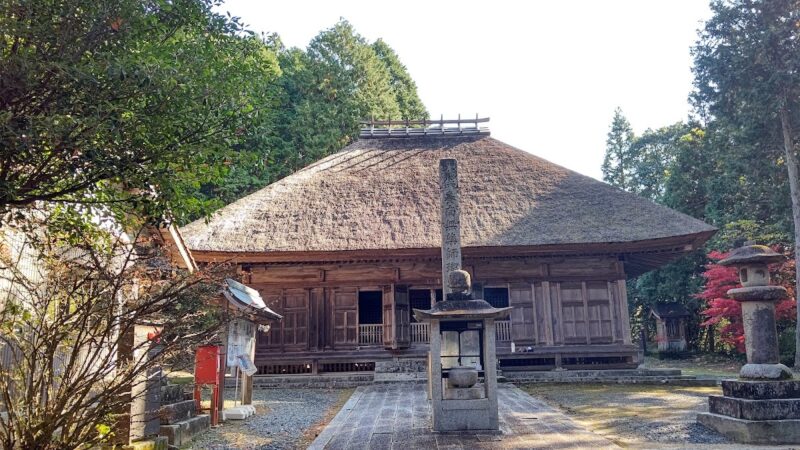
The main hall of Shomiya-ji Temple exhibits the characteristics of traditional Japanese temple architecture. The beauty of the wooden structure and the dignified appearance that comes with age leave a deep impression on visitors.
The architectural style reflects the architectural techniques and aesthetic sensibilities of the time, and contains interesting elements from an architectural history perspective.
Atmosphere of the Temple Grounds
The temple grounds are enveloped in a tranquil atmosphere, providing a space where one can escape the hustle and bustle of the city and find peace of mind. You can enjoy the changing scenery of nature with each season, and the views are particularly beautiful during the cherry blossom season in spring and the autumn foliage season.
One of the charms of Shomiya-ji Temple is that you can feel the weight of history and the beauty of nature simultaneously while walking around the temple grounds.
Cultural Properties and Treasures
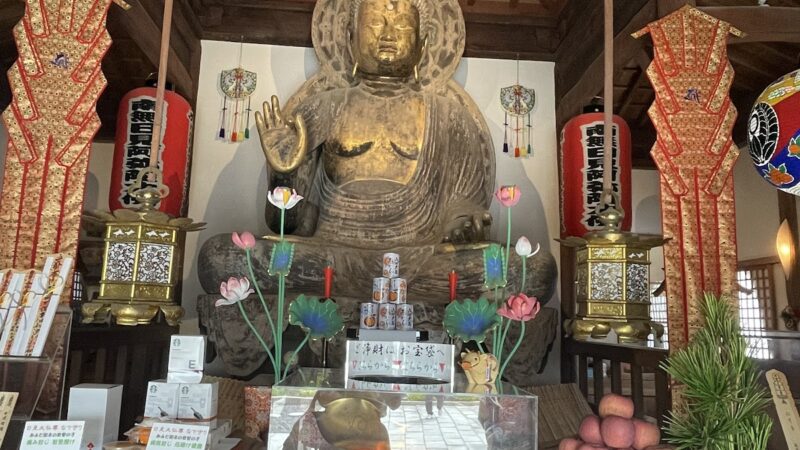
Shomiya-ji Temple may house cultural properties and treasures that have been carefully preserved throughout its long history. Buddhist statues, Buddhist paintings, ancient documents, and other historically valuable items are important resources for understanding the history of the region.
Points for Visiting
Etiquette for Visiting
When visiting a temple, it is good to know the basic etiquette for visiting. First, bow before passing through the main gate, and walk quietly within the temple grounds. In front of the main hall, clasp your hands together and pray with sincerity.
Unlike Shinto shrines, clapping is not done at Buddhist temples. The general practice is to quietly clasp your hands together and offer a silent prayer.
Suitable Time for Visiting
Generally, visiting temples is best done during daylight hours, from morning to evening. Visiting in the refreshing morning air is a particularly refreshing experience for both mind and body.
While you can experience a special atmosphere on days when events or memorial services are held, it is recommended to check in advance before visiting.
Attire and Items to Bring
For temple visits, understated and modest clothing is appropriate. Formal attire is especially desirable if participating in a formal service or memorial ceremony.
Items to bring include small change for offerings and, if you collect temple stamps, your stamp book. Also, if you plan to take photographs, it is important to check which areas are permitted for photography.
Access Information
Location
Shomiya-ji Temple is located in Yamaguchi Prefecture. When planning a visit, it is recommended to check the exact address and contact information in advance.
Access by Public Transportation
You can access the temple by bus or taxi from major stations in Yamaguchi Prefecture. When using public transportation, it’s important to check the timetable in advance and plan your trip with plenty of leeway.
While the nearest bus stop is often within walking distance, it’s best to confirm the exact travel time beforehand.
Access by Car
If visiting by private car, you can access the temple from major roads within Yamaguchi Prefecture. You can search by entering the temple name or address into your car’s navigation system.
It’s recommended to check the availability and number of parking spaces in advance. Especially on days with events or during peak tourist seasons, congestion is expected, so arriving early is advisable.
Nearby Tourist Attractions
Historical Sites in Yamaguchi Prefecture
When visiting Shomiya-ji Temple, you can have a more fulfilling travel experience by also visiting other historical sites in the surrounding area. Yamaguchi Prefecture has many tourist attractions, including Rurikoji Five-Storied Pagoda, Hagi Castle Town, and Akiyoshidai Plateau.
Planning a sightseeing route that combines these spots will allow you to gain a deeper understanding of Yamaguchi Prefecture’s history and culture.
Local Cultural Facilities
Yamaguchi Prefecture boasts numerous museums and historical archives where visitors can learn about the region’s history and culture. Visiting these facilities will allow for a deeper understanding of the historical background of local temples and shrines, including Shomiya-ji Temple.
Natural Spots
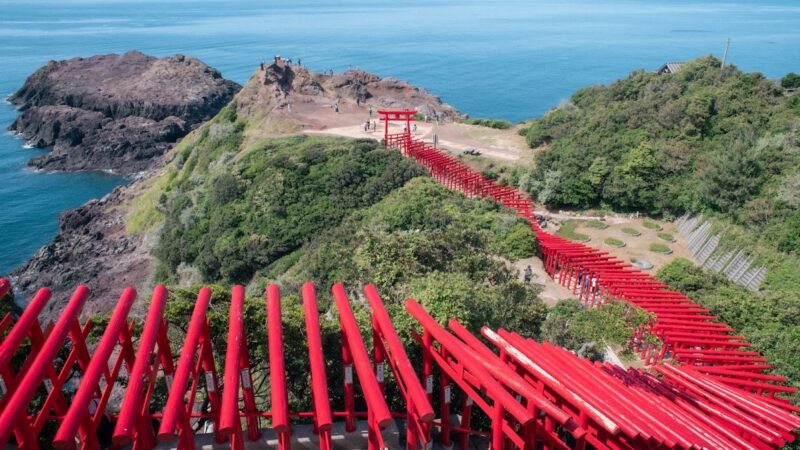
Yamaguchi Prefecture is also blessed with abundant nature. Beautiful coastal landscapes and mountain valleys offer numerous spots to enjoy the changing seasons.
Combining temple visits with nature walks will create a refreshing trip for both mind and body.
Annual Events and Festivals
Major Annual Events
Many temples hold various religious ceremonies throughout the year. Seasonal events such as New Year’s visits, spring and autumn equinoxes, and Obon memorial services serve as important spiritual pillars for the local people.
Shomiya-ji Temple may also hold traditional Buddhist ceremonies. Participating in these events will allow for a deeper experience of traditional Japanese culture.
Special Events
Several times a year, special memorial services and cultural events are held. These events also serve as a place for community interaction, offering a great opportunity to connect with local people.
Event information may be available at local tourist information centers or on the municipal website.
The Charm of Shomiya-ji Temple
Tranquility and Spirituality
Taking time to reflect on oneself in a quiet environment, away from the hustle and bustle of modern society, is crucial for mental well-being. Historic temples like Shomiya-ji offer a precious place for such introspection.
Walking through the temple grounds and quietly offering prayers in the main hall can provide a sense of peace rarely found in daily life.
Connection to the Community
Shomiya-ji Temple is not merely a tourist spot, but a living place of faith deeply connected to the local community. It has a long history intertwined with the lives and culture of the local people.
Experiencing this connection to the community allows visitors to have a deeper cultural experience beyond mere sightseeing.
The Weight of History
Temples, having been passed down through generations, possess an immeasurable weight of history. From the buildings and Buddha statues to the trees within the grounds, everything is a precious legacy preserved across time.
By visiting and feeling this weight of history, we, living in the present, can realize that we too are a part of history.
Precautions During Your Visit
Manners and Etiquette
Temples are sacred places and objects of faith for many. Visitors are expected to always keep this in mind and act with respect.
Avoid speaking loudly or running around, and walk quietly within the temple grounds. It is also important to be considerate of other visitors.
Photography
Photography is permitted in many temples, but it may be prohibited inside the main hall or in certain areas. Always check before taking pictures and follow the rules.
It is also important to be considerate of other visitors so that they are not included in your photographs.
Eating and Drinking on Temple Grounds
Generally, it is advisable to refrain from eating and drinking on temple grounds. Especially avoid eating and drinking in sacred areas such as around the main hall.
If you need to hydrate, please do so in designated areas or outside the temple grounds.
Temple Culture in Yamaguchi Prefecture
History of Buddhism in Yamaguchi Prefecture
Yamaguchi Prefecture has a long history of flourishing Buddhist culture. Especially during the Middle Ages, powerful daimyo such as the Ouchi clan protected Buddhism, and many temples were built.
Due to this historical background, many valuable temples remain in Yamaguchi Prefecture today, making it an important region for understanding Japanese Buddhist culture.
Unique Regional Beliefs
Each region has its own unique forms of belief and customs. Temples in Yamaguchi Prefecture also possess unique characteristics linked to the region’s history and culture.
Understanding these regional characteristics will make your temple visit more meaningful.
Visitor Feedback
A Quiet and Calming Space
Many visitors to local temples like Shomiyaji Temple describe them as “quiet and calming” and “a place where you can forget about everyday life and refresh yourself.”
In modern society, places where one can find such spiritual peace are extremely precious.
Experiencing Local History
By visiting a temple, you can feel the history and culture of the region firsthand. From the buildings, Buddha statues, and the atmosphere of the temple grounds, you can imagine the faith and lives of people from the past.
Summary
Shomiyaji Temple, a historic temple located in Yamaguchi Prefecture, has played a central role in the region’s faith and culture. By calming your mind in the quiet grounds and praying while feeling the weight of history, you can regain the spiritual richness that modern people often lose.
When visiting Yamaguchi Prefecture, be sure to visit local temples and shrines, including Shomiyaji Temple, and experience Japan’s traditional culture and spirituality. Checking access methods and visiting etiquette in advance and planning your trip with ample time will make for a more fulfilling experience.
Visiting a temple is not merely sightseeing; it’s a precious opportunity to reflect on oneself and find inner peace. We hope that the time spent at Shogu-ji Temple will be a memorable experience for all who visit.