Roshōji Temple (Hōfu City, Yamaguchi Prefecture) Complete Guide | History, Zen Meditation Experience, and Access Information
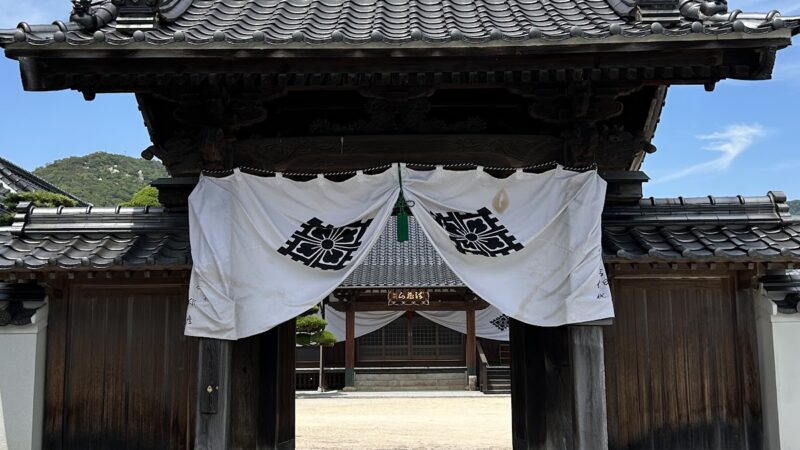
Located in Hōfu City, Yamaguchi Prefecture, Roshōji Temple is a historic temple built during the Muromachi period. Having flourished as the family temple of the Ōuchi clan, it is now a popular destination for many worshippers and tourists, offering authentic Zen meditation experiences in front of a beautiful Japanese garden. This article provides a detailed overview of Roshōji Temple, including its history, highlights, experiences, and access information.
History and Origins of Roshōji Temple
Establishment in the Muromachi Period and its Relationship with the Ōuchi Clan
Roshōji Temple was built in 1350 (Kan’ō 1) during the Muromachi period by Ōuchi Hiroyoshi, the 24th head of the Ōuchi clan. Initially founded in Ebisu-chō, Hōfu City, as the Ōuchi family temple, it was known as a prestigious temple belonging to the Tōfuku-ji branch of the Rinzai school of Zen Buddhism.
The temple was founded by Abbot Myōgan, a highly respected monk who served as abbot at Kenchō-ji and Engaku-ji temples in Kamakura. Under Abbot Myōgan’s guidance, Ashishō-ji developed as a Zen training center and flourished as a branch temple of Engaku-ji for approximately 300 years until the Edo period.
Changes After the Fall of the Ōuchi Clan
After the fall of the Ōuchi clan, Ashishō-ji went through a period of decline. However, it continued to be preserved as a place of worship for the local community and was relocated to its current location in Matsuzaki-chō, Hōfu City. Its location near Hōfu Tenmangū Shrine allowed it to regain its vitality as a temple visited by many worshippers.
Currently, while preserving its historical value, it plays a new role as a place to convey the teachings of Zen to modern people through experiences such as Zen meditation.
Highlights of Ashishō-ji
Beautiful Japanese Garden
One of Ashishō-ji’s greatest attractions is the beautiful Japanese garden that spreads throughout its grounds. The garden, displaying different expressions throughout the seasons, embodies the beauty of tranquility and harmony characteristic of a Zen temple.
In spring, new greenery bursts forth; in summer, the leaves grow lush and green; in autumn, the garden is adorned with vibrant autumn foliage; and in winter, a blanket of snow creates a serene atmosphere. A Zen meditation experience while gazing at this garden will be a precious time to calm the mind and reflect on oneself.
Historical Buildings and Stone Sculptures on the Temple Grounds
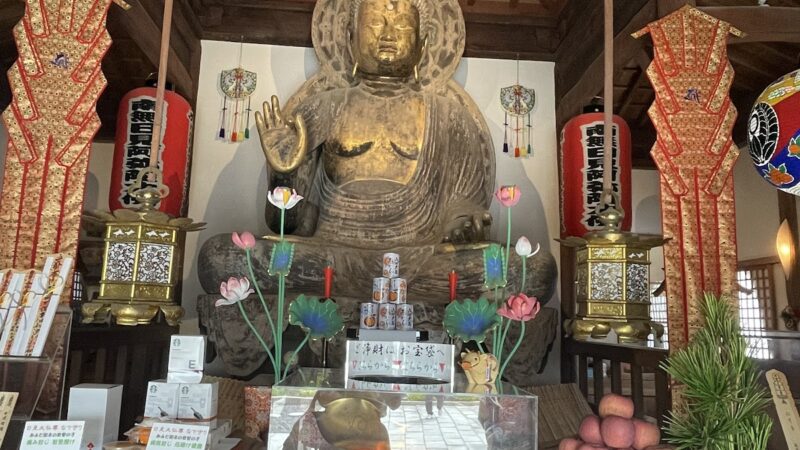
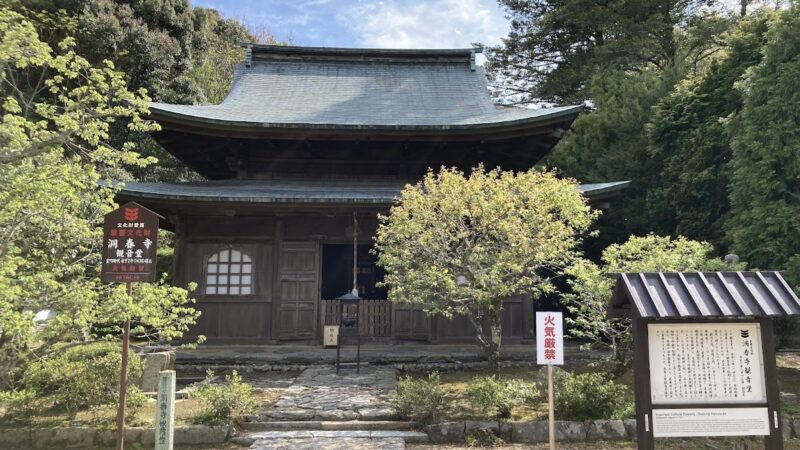
The grounds of Ashishōji Temple are dotted with historical buildings, including the main hall. Furthermore, monuments, stone steles, and stone Buddha statues are also placed throughout, creating an atmosphere that evokes a long history.
These stone sculptures are testaments to the faith of successive high-ranking priests and parishioners who visited Ashishōji Temple, and are important cultural assets that tell the story of the temple’s history. By strolling through the grounds and experiencing these historical legacies, you will gain a deeper understanding of the value of Ashishōji Temple.
The Spirit of Zen of the Tofuku-ji Branch of the Rinzai School
As a temple belonging to the Tofuku-ji branch of the Rinzai school, Ashishōji Temple continues to pass on the spirit of Zen. The Rinzai school emphasizes discerning one’s true nature through zazen (seated meditation), and this teaching is continuously upheld at Ashishōji Temple.
The dignified atmosphere of the main hall and the orderly arrangement of stones and plants in the garden reflect the Zen philosophy of “beauty stripped of waste,” providing visitors with a quiet sense of awe.
Zazen Experience at Ashishōji Temple
Authentic Zazen Experience Program
At Ashishōji Temple, you can experience authentic zazen in front of a beautiful Japanese garden. This experience offers a valuable opportunity to escape the hustle and bustle of everyday life and confront yourself.
During the zazen experience, you will receive careful instruction on the correct zazen etiquette and breathing techniques from the head priest and instructors. Even beginners can participate with confidence, as the basics are taught carefully, making it an ideal place for anyone interested in Zen. ### Flow of a Zen Meditation Experience
A Zen meditation experience typically proceeds as follows:
- Registration and Explanation: First, you register and receive an explanation of the basic etiquette and mindset for Zen meditation.
- Instruction on Zen Meditation Posture: You learn the correct Zen meditation posture (full lotus or half lotus), hand positioning, and gaze placement.
- Breathing Practice: You practice Zen breathing techniques based on diaphragmatic breathing.
- Zen Meditation Practice: You actually practice Zen meditation. This usually lasts 20 to 40 minutes.
- Conclusion and Q&A: After the meditation, you can ask any questions you may have.
Effects of a Zen Meditation Experience
Zen meditation is said to have various effects on the mind and body:
- Mental Stability: By clearing your mind of distracting thoughts and focusing on the present moment, your mind becomes calm.
- Stress Reduction: Spending time in deep breathing and silence alleviates daily stress.
- Improved Concentration: Training to focus your attention on a single point enhances concentration.
- Deeper Self-Understanding: Facing your inner self deepens your understanding of yourself.
Zen Meditation Reservations and Precautions
If you wish to participate in a Zen meditation experience at Ashishoji Temple, we recommend contacting us by phone in advance. Reservations are required for group participation or for specific dates and times.
Contact Information: 0835-22-3042
Notes for participating in the Zen meditation experience:
- Please wear comfortable, loose-fitting clothing.
- Please refrain from wearing perfume or strongly scented hair products.
- Please turn off your mobile phone or set it to silent mode during Zen meditation.
- Please arrive on time.
- If you are not feeling well, please do not force yourself to participate and consult us in advance.
Tourist attractions around Ashishoji Temple
Hofu Tenmangu Shrine
Hofu Tenmangu Shrine, located within walking distance of Ashishoji Temple, is one of Japan’s three major Tenmangu shrines, dedicated to Sugawara no Michizane, the god of learning. It is bustling with many visitors during exam season, and the grounds also feature a beautiful plum garden. Visiting it together with Ashishoji Temple will allow you to experience Hofu’s history and culture more deeply.
Historical walk through Hofu city
Hofu City has flourished as a transportation hub since ancient times, and historical buildings and sites are scattered throughout the city. When visiting Ashishōji Temple, we also recommend exploring the surrounding temples, shrines, and historical streets.
Suō Kokubunji Temple
Sūō Kokubunji Temple, built during the Nara period by imperial decree of Emperor Shōmu, is another important historical site in Hōfu City. You can see valuable cultural assets, including the main hall, which is designated as a National Important Cultural Property.
Access to Ashishōji Temple
Basic Information
Address: 5-27 Matsuzaki-chō, Hōfu City, Yamaguchi Prefecture
Phone Number: 0835-22-3042
Sect: Rinzai Zen Tōfukuji School
Access by Train
From JR Hōfu Station:
- Get off at Hōfu Station on the JR Sanyo Main Line
- Approximately 20 minutes on foot from the station
- Approximately 5 minutes by taxi
Hōfu Station is one of the main stations in Yamaguchi Prefecture, located about 15 minutes by local train from Shin-Yamaguchi Station, a Shinkansen (bullet train) stop. The path from the station to Ashishoji Temple is relatively flat and is located along the road leading towards Hofu Tenmangu Shrine.
Access by Bus
If using the bus from Hofu Station, take a Bocho Kotsu bus bound for “Hofu Tenmangu Shrine,” get off at the nearest bus stop, and it’s a few minutes’ walk from there. Bus timetables vary depending on the season and day of the week, so it’s recommended to check in advance.
Access by Car
From the Sanyo Expressway:
- Approximately 15 minutes from the Sanyo Expressway “Hofu East IC” or “Hofu West IC”
- You can search for the temple using the address or phone number in your car navigation system.
Parking: There is parking space on the temple grounds or nearby, but the number is limited, so it is especially recommended to use public transportation on weekends and during events. Please check details by phone in advance.
Using the Shinkansen
If you are visiting from afar, it is convenient to use the Sanyo Shinkansen “Shin-Yamaguchi Station.” From Shin-Yamaguchi Station, transfer to the JR Sanyo Main Line and travel to Hofu Station (approximately 15 minutes). From there, you can reach Ashishoji Temple on foot or by taxi.
Best Season to Visit Ashishoji Temple
Spring (March-May)
Spring is the season of beautiful fresh greenery and the sprouting of plants in the garden. If your visit coincides with the plum blossom festival at Hofu Tenmangu Shrine, you can also enjoy sightseeing in the surrounding area. The weather is mild, making it an ideal season for Zen meditation.
Summer (June-August)
Summer is the season of lush greenery, allowing you to feel the vitality of the garden. Early morning Zen meditation is especially refreshing, offering a tranquil time that makes you forget the heat.
Autumn (September-November)
Autumn is the season of autumn leaves, when Ashishoji Temple’s garden is at its most beautiful. Zen meditation while gazing at the colorful trees brings deep tranquility to the mind. Other temples and shrines in Hofu City also boast beautiful autumn foliage, making them ideal for strolling around the area.
Winter (December-February)
In winter, Ashishoji Temple is enveloped in silence, exuding a solemn atmosphere befitting a Zen temple. When it snows, the garden displays a beauty reminiscent of an ink painting. The cold is harsh, but this deepens the significance of practicing Zen meditation.
Cultural Value of Ashishoji Temple
Heritage of Ouchi Culture
Ashishoji Temple is one of the cultural legacies of the Ouchi clan, who ruled Yamaguchi during the medieval period. The Ouchi clan brought Kyoto culture to Yamaguchi, creating a cultural city known as “Kyoto of the West.” Ashishoji Temple, as an important center of Ouchi culture, contributed to the spread of Zen culture.
Center of Local Faith
From the Edo period to the present day, Ashishoji Temple has been cherished as a place of worship for the people of the Hofu region. Through the danka system (parishioner system), the temple is deeply connected to the local community and plays an important role in the transmission of local culture through weddings, funerals, and annual events.
Transmission of Zen Culture
As a temple of the Tofuku-ji branch of the Rinzai school of Zen Buddhism, Ashishōji Temple is an important place for transmitting Zen teachings and culture to the modern age. Through its Zen meditation experience program, it provides many people with the opportunity to experience the spirit of Zen and continues to communicate the significance of Zen in modern society.
Annual Events at Ashishōji Temple
Ashishōji Temple holds various annual events based on Buddhist traditions. The main events include the following:
- Shushōe: A Buddhist service to welcome the New Year
- Hanamatsuri: A ceremony celebrating the birth of Buddha (April 8th)
- Obon Memorial Service: A memorial service for ancestors (August)
- Higan-e: A memorial service held during the spring and autumn equinoxes
Participating in these events will allow you to gain a deeper understanding of traditional Japanese Buddhist culture. For details on events and how to participate, it is recommended to inquire with the temple in advance.
Manners when visiting Ashishōji Temple
When visiting the temple, please observe the following manners:
- Be quiet: Act quietly on the temple grounds and be considerate of other visitors.
- Photography: Check if photography is permitted and refrain from taking pictures in prohibited areas.
- Dress Code: Avoid revealing clothing and dress appropriately.
- Smoking and Eating: Please refrain from smoking or eating outside of designated areas.
- Offerings: When praying, please offer a sincere donation.
- Garbage: Please take your garbage home or dispose of it in the designated area.
Summary
Ashōji Temple is a historic Rinzai Zen temple of the Tōfukuji school, built by the Ōuchi clan during the Muromachi period. It is a popular spot for authentic Zen meditation experiences in front of a beautiful Japanese garden.
Located near Hōfu Tenmangū Shrine, it’s a must-visit spot when in Hōfu City. With its historical value, cultural significance, and role as a place to convey the teachings of Zen to modern people, Ashōji Temple possesses multifaceted appeal.
Why not spend some enriching time at Ashishōji Temple, calming your mind through a Zen meditation experience, feeling the changing seasons in its beautiful garden, and reflecting on the history that has continued since the time of the Ōuchi clan?
We recommend calling ahead to check opening hours and Zen meditation reservation availability before your visit. Enjoy a refreshing moment at Ashishōji Temple, where you can experience the history and culture of Hōfu City.