Complete Guide to Narumi-ji Temple (Yamaguchi Prefecture): History, Highlights, and Access Information
Located in Yamaguchi Prefecture, Narumi-ji Temple is a valuable temple that preserves the history and culture of the region. This article provides detailed information you should know before visiting, including the temple’s history, highlights within its grounds, visiting information, and access methods.
What is Narumi-ji Temple?
Narumi-ji Temple is a Buddhist temple located in Yamaguchi Prefecture and has long been a place of worship for local residents. Nestled in a tranquil environment, this temple is an ideal place to escape the hustle and bustle of everyday life and find peace of mind.
The name “Narumi” is thought to hold a deep meaning, likening the state of enlightenment in Buddhism and the vast compassion of the sea to the ocean.
History and Origins of Narumi-ji Temple
Background of Founding
Research into the founding period of Narumi-ji Temple is ongoing, based on local historical documents and records preserved at the temple. Yamaguchi Prefecture has a long history as a center of culture, with many temples and shrines being built there.
Historical Changes
Throughout its long history, Narumiji Temple has evolved alongside the changes in the local community. It has weathered various historical storms, including the turmoil of the Sengoku period, the stability of the Edo period, and the impact of the anti-Buddhist movement during the Meiji Restoration, to reach its present state.
Connection with the Community
Narumiji Temple has played a vital role not only as a religious institution but also as a central hub for the local community. It has functioned as a venue for local festivals and events, as well as educational institutions, and has historically served as a spiritual pillar for the residents.
Narumiji Temple’s Sect and Principal Image
Affiliated Sect
The doctrines and practices of the sect to which Narumiji Temple belongs are reflected in the temple’s operation and events. Japanese Buddhism is divided into diverse sects, each preserving its own unique teachings and traditions.
About the Principal Image
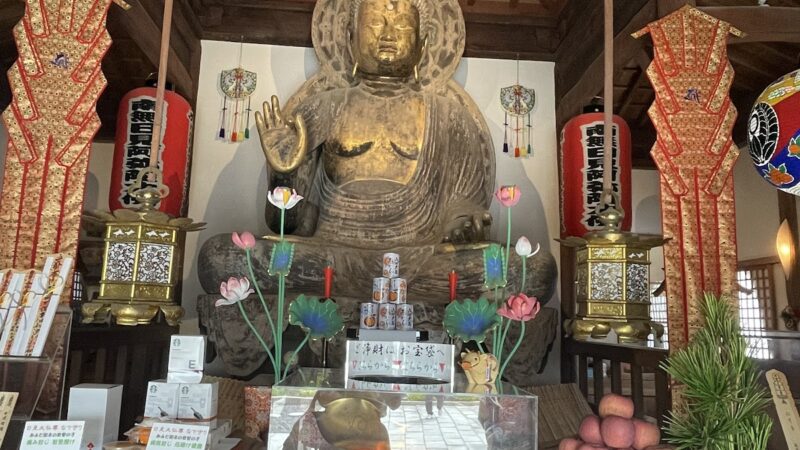
The principal image, the central object of worship for visitors, is carefully enshrined. The type and origin of the principal image of worship provide important clues to understanding the character and history of the temple.
Highlights of the Temple Grounds
Main Hall
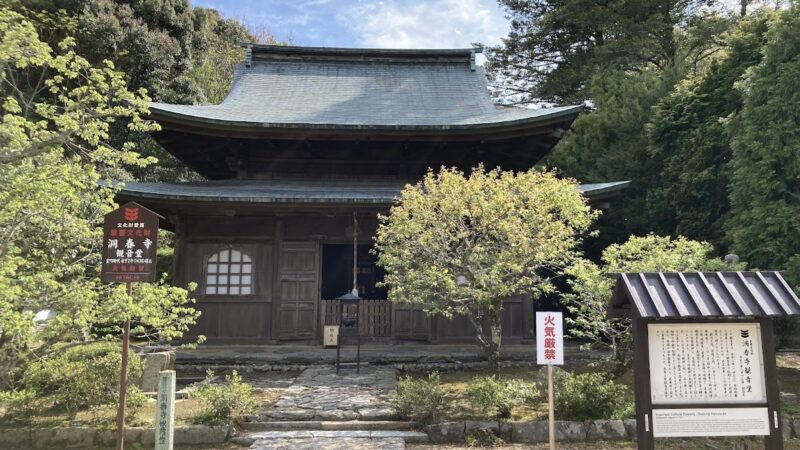
The main hall of Narumiji Temple is a valuable building that preserves the traditional style of temple architecture. The principal image is enshrined inside, allowing visitors to worship in a solemn atmosphere.
The architectural style and decorations reflect the characteristics of the era in which it was built and the local area, containing elements of great interest from an architectural history perspective.
Temple Gate
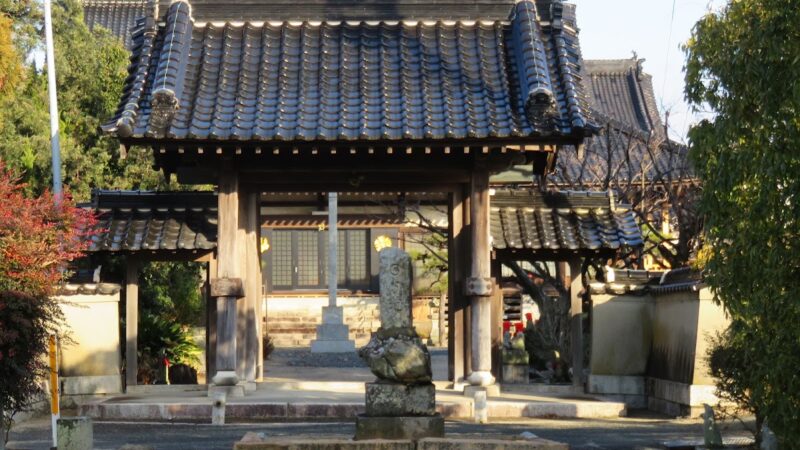
The temple gate, which serves as the entrance to the temple, is a symbolic presence that separates the secular world from the sacred realm. Passing through the gate allows one to clear their mind of everyday distractions and prepare for worship.
Gardens and Natural Environment
The grounds of Narumiji Temple offer an environment where one can enjoy nature in all four seasons. Cherry blossoms and fresh greenery in spring, deep green in summer, vibrant autumn leaves, and the tranquil beauty of winter—each season presents a different face.
The trees and flowers within the temple grounds have been carefully tended to for many years, creating a beautiful landscape in harmony with nature.
Stone Monuments and Memorials
Sometimes, stone monuments commemorating historical events and figures are erected within the temple grounds. These inscriptions offer insights into the local history and its connection to the temple.
Annual Events and Memorial Services
Regular Events
Narumi-ji Temple holds various Buddhist events throughout the year. These events serve as important opportunities to practice Buddhist teachings and deepen ties with local residents.
- New Year’s Events: Hatsumode (first shrine visit of the year) and Shusho-e (New Year’s ceremony) to pray for happiness in the new year.
- Spring Memorial Services: Memorial services for the spring equinox and Hanamatsuri (Buddha’s Birthday)
- Summer Events: Segaki memorial service and Urabon-e (Buddha’s Birthday) during Obon.
- Autumn Memorial Services: Memorial services for the autumn equinox and Juya-hoyo (Ten Nights Memorial Service)
- Winter Events: Jodo-e (Enlightenment Ceremony) and the ringing of the temple bell on New Year’s Eve.
Special Events
Temples sometimes hold their own festivals and commemorative memorial services, which have become established as local cultural events.
Goshuin (Temple Seal) Information
Issuance of Goshuin
Narumi-ji Temple may issue Goshuin to visitors. Goshuin are popular as proof of worship and as a memento of the connection with the temple.
Manners for Receiving a Goshuin (Temple Stamp)
When receiving a Goshuin, please observe the following manners:
- First, complete your prayers at the main hall.
- Prepare your Goshuincho (stamp book) (understand that this is not a stamp rally).
- Check the reception hours.
- Request using polite language.
- Prepare the offering (hatsuhoryo).
Manners and Etiquette for Visiting a Temple
Basic Etiquette for Visiting a Temple
Visiting a Buddhist temple has different etiquette than visiting a Shinto shrine:
- A Bow at the Temple Gate: Bow before entering the temple grounds.
- Purification at the Water Basin: Cleanse your hands and mouth.
- Praying at the Main Hall:
- Quietly place your offering in the offering box.
- Join your hands and bow.
- Pray sincerely.
- Join your hands and bow again.
Clothing and Belongings
Please pay attention to the following points when visiting a temple:
- Clean and subdued clothing.
- Avoid excessive exposure
- Remove hats and sunglasses inside the main hall
- Refrain from loud conversations
- Photography is permitted only in designated areas
Access Information
Location
Narumi-ji Temple is located in Yamaguchi Prefecture. We recommend confirming the exact address and contact information before your visit.
Access by Public Transportation
By Train/Bus:
It may be possible to access the temple by bus or taxi from major stations in Yamaguchi Prefecture. Please check the travel time and fare from the nearest station on the transportation company’s official website in advance.
Access by Car
By Car:
- Accessible from major roads in Yamaguchi Prefecture
- Enter the temple name or address into your car navigation system
- It is recommended to check in advance whether parking is available and the number of spaces.
Parking Information
There may be parking available for visitors, but the number of spaces may be limited. Especially during events, congestion is expected, so consider using public transportation.
Nearby Tourist Attractions
Historical Sites in Yamaguchi Prefecture
When visiting Narumiji Temple, exploring the surrounding tourist attractions will make your trip even more fulfilling:
Historical Buildings:
- Rurikoji Five-Storied Pagoda (National Treasure)
- Yamaguchi Xavier Memorial Cathedral
- Joeiji Sesshu Garden
Natural Landscapes:
- Akiyoshidai Plateau and Akiyoshido Cave
- Nagato Gorge
- Tsunoshima Bridge
Local Cultural Facilities
- Yamaguchi Prefectural Museum of Art
- Yamaguchi Prefectural Archives
- Various Historical and Folk Museums
Best Time to Visit
Charms of Each Season
Spring (March-May):
The temple grounds are beautifully adorned with cherry blossoms. The beauty of the fresh greenery is exceptional, making for a refreshing visit.
Summer (June-August):
The temple grounds, enveloped in deep green, have a cool atmosphere. Special memorial services may be held during the Obon period.
Autumn (September-November):
The autumn foliage season is one of the most beautiful times to visit the temple grounds. Autumn equinox memorial services are also held during this period.
Winter (December-February):
The temple grounds, enveloped in tranquility during winter, are ideal for peaceful worship. The temple is bustling with visitors during the New Year period.
Cultural Properties and Treasures of Narumiji Temple
Cultural Properties in its Collection
Temples with long histories often possess valuable cultural properties and treasures. History is preserved in various forms, including Buddhist statues, Buddhist paintings, ancient documents, and crafts.
Efforts to Protect Cultural Properties
Temples strive to protect these valuable cultural heritages for future generations through appropriate preservation and management. Regular restoration work and environmental maintenance are carried out to protect cultural properties.
Engagement with the Local Community
Participation in Community Activities
Narumiji Temple participates in various activities not only as a religious institution but also as a member of the local community. We value interaction with local residents through activities such as local festivals, cleaning activities, and welfare activities.
Educational and Cultural Activities
The temple also functions as a place to transmit Buddhist culture. Through activities such as sutra copying sessions, Dharma talks, and Zen meditation sessions, we pass on Buddhist teachings and traditional Japanese culture to the next generation.
Message to Visitors
A Place to Find Peace of Mind
Narumi-ji Temple is a precious place to escape the hustle and bustle of daily life and find peace of mind. The time spent in the quiet temple grounds will be an opportunity to confront yourself and reflect on your inner self.
Experiencing History and Culture
Visiting a temple is not merely sightseeing; it is a valuable experience to connect with the history, culture, and faith of the local people. You can feel the spirituality that our ancestors have preserved and passed down.
Inquiries and Precautions
Pre-Visit Information
We recommend checking the following points before your visit:
- Visiting hours and admission fee
- Schedule of annual events
- Parking availability
- Photography permitted
- Accessibility features
How to Inquire
For detailed information, you can contact the temple directly. When calling, please avoid times of religious services and events and call during reasonable hours.
Summary
Narumiji Temple is a valuable temple that conveys the history and culture of Yamaguchi Prefecture. In its tranquil grounds, you can find peace of mind and experience a sense of spiritual fulfillment rarely found in everyday life by engaging with Buddhist teachings.
When visiting, it is important to respect the temple’s history and culture and observe appropriate manners. Enjoy the beauty of nature in each season, stroll slowly through the grounds, and offer your prayers in quiet contemplation.
If you have the opportunity to visit Yamaguchi Prefecture, please consider visiting Narumiji Temple. The warmth unique to a temple deeply rooted in the community, combined with the solemn atmosphere nurtured by its long history, will gently welcome visitors.