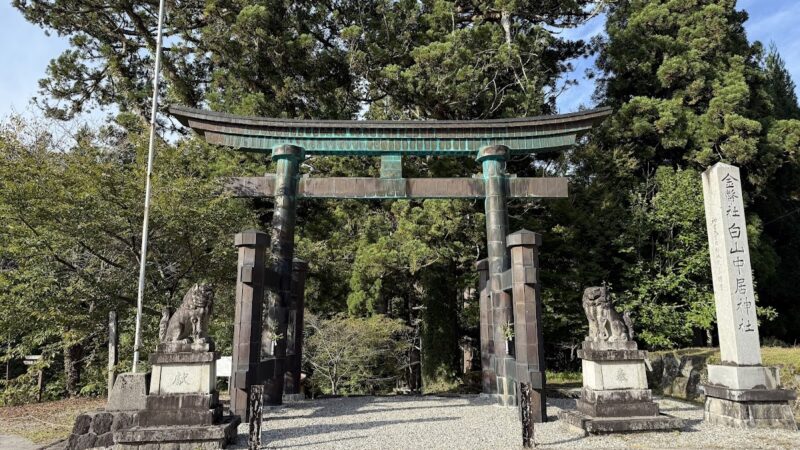
Complete Guide to Nangū Shrine: The Allure of Nangū Faith and Worship Across Japan, Dedicated to the God of Metal
Nangū shrines are scattered throughout Japan and have long been revered as centers of worship, primarily dedicated to the gods of metal and mining. The name “Nangū” doesn’t refer to a single shrine; rather, Nangū Taisha, located in Tarui-cho, Fuwa-gun, Gifu Prefecture, is the head shrine, and as a result of its spread throughout the country, shrines with the same name exist in various locations. This article comprehensively explains the historical background of Nangū shrines, the characteristics of major Nangū shrines, their blessings, their cultural value, and how to worship.
What is Nangū Shrine?: The Origin of the Belief in the God of Metal
The name “Nangū” in Nangū shrines is believed to originate from the ancient court’s ritual system that emphasized direction. The principal deity, Kanayamahiko-no-Mikoto, is a god who presides over mines and metals, appearing in the Kojiki and Nihon Shoki. He has been deeply revered by those involved in iron mining, blacksmithing, and metalworking.
Mythology and Divine Virtues of Kanayamahiko-no-Mikoto
Kanayamahiko-no-Mikoto is said to have been born from the pain of Izanami-no-Mikoto’s childbirth of Kagutsuchi-no-Mikoto, the god of fire. From this myth, he came to be worshipped as a god symbolizing fire and metal refining technology. In ancient Japan, ironworking technology was the foundation of all industries, including agriculture, weapons manufacturing, and construction. The Nangū faith, which worships Kanayamahiko-no-Mikoto, played a crucial religious role directly linked to the prosperity of the nation.
Nangū Taisha Shrine: The Head Shrine of All Nangū Shrines Nationwide
Located in Miyashiro, Tarui-cho, Fuwa-gun, Gifu Prefecture, Nangū Taisha Shrine holds the most important position as the head shrine of all Nangū shrines nationwide, including those related to the metal and mining industries. As a Shikinaisha (a shrine listed in the Engishiki, an ancient Japanese legal text) and the Ichinomiya (first-ranked shrine) of Mino Province, it has been revered by the imperial court and samurai families since ancient times.
History and Origins of Nangū Taisha Shrine
The founding of Nangū Taisha Shrine is said to date back to the reign of Emperor Jimmu, making it a historically significant shrine with a long history. Its official former name was “Nangū Jinja,” and it is affectionately called “Nangū-san” by locals. Its former shrine rank was Kokuhei Taisha (a national shrine), and it is currently designated as a Beppyo Jinja (a special shrine) by the Association of Shinto Shrines.
During the Battle of Sekigahara, it was caught in the flames of war, and many of its buildings were destroyed. However, in 1642 (Kanei 19), it was rebuilt at the request of Kasuga no Tsubone, by order of the third shogun, Tokugawa Iemitsu. The shrine buildings from that time still remain today and are highly regarded as masterpieces of early Edo period shrine architecture.
Cultural Properties of Nangū Taisha Shrine
Nangū Taisha Shrine boasts numerous buildings designated as Important Cultural Properties. The main hall, worship hall, and dance hall, as well as the gate tower and portable shrine storage building, are among the structures that preserve their appearance from the Kan’ei era reconstruction. With their beautiful cypress bark roofs and vermilion-painted pillars, they are a valuable legacy for understanding early Edo period shrine architecture.
Main Important Cultural Property Buildings:
- Main Hall: Three-bay nagare-zukuri style, cypress bark roofing
- Worship Hall: Three bays wide, three bays deep, single-story, hip-and-gable roof, gable entrance, curved gable on the front, cypress bark roofing
- High Dance Hall: Three bays wide, three bays deep, single-story, pyramidal roof, cypress bark roofing
- Gate Tower: Three-bay, single-entrance gate tower, hip-and-gable roof, cypress bark roofing
These buildings demonstrate the authority and technical prowess of the Edo Shogunate, as well as the high level of aesthetic perfection in shrine architecture.
The Blessings and Faith of Nangū Taisha Shrine
Nangū Taisha Shrine, as the head shrine for metalworking, is known for the following blessings:
- Prosperity of the Metal and Mining Industries: Revered by those involved in the iron and steel, metal processing, and mining industries nationwide.
- Protection of the Cutlery Industry: Offerings and faith from cutlery-producing regions.
- Technical Improvement: Prayers for improvement in craftsmanship.
- Business Prosperity: Prayers for success in metal-related businesses.
- Protection from Evil: Protection from fire and disaster.
Even today, the shrine continues to receive visits from companies and craftsmen handling metal, such as those in the automotive, machinery, and construction industries.
Nangū Shrines Across Japan
The faith of Nangū Taisha Shrine has spread throughout Japan, and Nangū Shrines have been established in various locations. Each region has cultivated its own unique history and faith.
Nangū Shrine, Kiso Town, Nagano Prefecture
Nangū Shrine, located in Hiyoshi, Kiso Town, Nagano Prefecture, is known as an important shrine in the Kiso region. This area is associated with Kiso Yoshinaka, and Nangū Shrine is deeply intertwined with the region’s history. Along with Hatage Hachimangu Shrine and Harano Hachimangu Shrine, it functions as a center of local faith.
The Kiso region has long been a thriving center of the timber industry, and the worship of Kanayamahiko-no-Mikoto as the guardian deity of the tools and equipment used in forestry was deeply rooted.
Nangū Shrine, Fuchu City, Hiroshima Prefecture
Nangū Shrine, located in Kurigara-cho, Fuchu City, Hiroshima Prefecture, is an ancient shrine said to have been founded in 807 AD. It enshrines fourteen deities, including Emperor Kōrei, Izanagi-no-Mikoto, Izanami-no-Mikoto, and Kanayamahiko-no-Mikoto.
In ancient times, it was counted as one of the three major shrines of Bingo Province, boasting a status comparable to that of Kibitsu Shrine. It has been revered as the guardian deity of the region and as the protector of agriculture and industry.
Nangū Shrine, Tagajo City, Miyagi Prefecture
Nangū Shrine, located in the Nangū settlement of Tagajo City, Miyagi Prefecture, is mentioned in records from 1774 (An’ei 3) as “Nangū Myōjin Shrine.” The village name is said to be derived from the name of this shrine, and it is deeply intertwined with the region’s identity.
The shrine grounds, surrounded by groves of trees amidst rice paddies, are located in the small area known as “Iro no Gozen,” and convey the history and faith of Mutsu Province to this day.
Nangū Shrine (Hirota Shrine Subsidiary Shrine), Nishinomiya City, Hyogo Prefecture
Nangū Shrine in Nishinomiya City, Hyogo Prefecture, is an auxiliary shrine of Hirota Shrine, located near the south gate of the Nishinomiya Shrine grounds, facing north. It was formerly known as “Hama no Nangū.”
The enshrined deities are Toyotama-hime no Kami, Ichikishima-hime no Kami, Oyamakui no Kami, and Hayama-hime no Kami, a different composition of deities from other Nangū Shrines. A distinctive feature is the emphasis on beliefs related to maritime transport and fishing.
Architectural Style and Cultural Value of Nangū Shrine
The buildings of Nangū Shrine, particularly Nangū Taisha, are highly valued as cultural assets, representing the pinnacle of early Edo period shrine architecture.
Characteristics of Early Edo Period Shrine Architecture
The shrine buildings of Nangū Taisha, rebuilt in 1642 (Kanei 19), possess the following characteristics:
- Hinoki Bark Roofing: A traditional construction method using cypress bark as roofing material.
- Vermilion Painting and Coloring: Vivid vermilion and intricate colored decorations.
- Influence of Gongen-zukuri Style: The arrangement of the main hall and worship hall is influenced by the Tokugawa family’s shrine architecture style.
- Exquisite Carvings: Decorative carvings on transoms, rainbow beams, etc.
Architectural Significance of the Takamaiden
The Takamaiden of Nangū Taisha is a building for the dedication of Kagura and Bugaku (sacred dance and music). It has a well-proportioned form with three bays in length and three bays in width, and a pyramidal roof. The cypress bark roof forms elegant curves, making it an important example of stage architecture in shrine architecture.
It functioned as a venue for Shinto rituals and performing arts during the Edo period, and traditional performing arts are still showcased during festivals today.
Festivals and Annual Events of Nangū Shrine
Nangū Shrine, including Nangū Taisha, holds various festivals and Shinto rituals throughout the year.
Major Festivals of Nangū Taisha
- Annual Grand Festival (May 5th): The most important annual event, featuring Yabusame (mounted archery) and a procession of children.
- Kanayama Festival (November 8th): A special festival where people involved in the metal industry gather.
- Hatsumode (First Shrine Visit of the New Year): The shrine is bustling with many worshippers during the first three days of the New Year.
- Monthly Festival: A regular monthly festival.
Tradition of Dedications by Metalworkers
The tradition of companies and craftsmen in the iron and steel, cutlery, and metal processing industries throughout Japan dedicating cutlery, tools, and metal products to Nangū Taisha continues. These offerings are carefully preserved at the shrine as a testament to the craftsmanship and faith of the artisans.
How to Visit and Access to Nangū Shrine
Access to Nangū Taisha Shrine
Location: 1734-1 Miyashiro, Tarui-cho, Fuwa-gun, Gifu Prefecture
Access by Train:
- Approximately 20 minutes on foot or 5 minutes by taxi from JR Tōkaidō Main Line “Tarui Station”
- Also accessible from Sekigahara Station
Access by Car:
- Approximately 10 minutes from Meishin Expressway “Sekigahara IC”
- Parking available (free)
Etiquette for Visiting
Visiting Nangū Shrine follows the general etiquette for visiting shrines:
- Bow before passing through the torii gate
- Purify your body and mind at the water basin: Purify your left hand, right hand, and mouth in that order.
- Pray in front of the main hall: Two bows, two claps, one bow
- Respect for the main hall: Pray while being mindful of the direction of the main hall.
Goshuin (Seal Stamps) and Souvenirs
At Nangū Taisha Shrine, you can receive a Goshuin as a memento of your visit. Furthermore, befitting its status as the guardian deity of the metal industry, various souvenirs are available, including amulets for increased wealth, business prosperity, and improved skills.
The Modern Significance of Nangū Faith
In modern society, the faith in Nangū Shrine holds new significance.
As a Guardian Deity of Industry
In modern industries handling metal, particularly in Japan’s manufacturing sector, including the automotive, precision machinery, and construction industries, faith in Nangū Taisha Shrine continues. Business owners and engineers visit the shrine to pray for corporate safety and technological innovation.
Inheritance of Traditional Techniques
For craftsmen who inherit traditional metalworking techniques, such as cutlery makers and blacksmiths, Nangū Shrine is a spiritual haven. It serves as a place to pray for the improvement and transmission of skills, and to renew their commitment to training successors.
Cultural Heritage Preservation and Tourism
The important cultural property buildings of Nangū Taisha Shrine are a valuable legacy that conveys Japanese architectural culture and are attracting attention as a tourist resource. Due to its location near the Battle of Sekigahara, it is often included in historical sightseeing routes, achieving a balance between cultural heritage preservation and tourism promotion.
Nangū Shrine and Local Communities
Nangū Shrines throughout Japan play an important role in their respective communities.
Spiritual Center of the Region
Nangū Shrine has functioned not merely as a place of worship, but as the center of the local community. Festivals provide an opportunity for local residents to gather together, serving as a place for intergenerational exchange.
Place for Historical Education
The history of Nangū Shrine is the history of the region itself. The ancient documents, offerings, and buildings remaining at the shrine serve as valuable teaching materials for learning the region’s industrial and social history. Nangū Shrine is sometimes included in local school education as part of local history studies.
How to Enjoy Visiting Nangū Shrine
When visiting Nangū Shrine, paying attention to the following points will lead to a deeper understanding and experience. ### Appreciation of Architectural Beauty
Ningu Taisha Shrine, in particular, offers a glimpse into the finest examples of early Edo period shrine architecture. Observing the details—the graceful curves of the cypress bark roofs, the vibrant vermilion pillars, and the exquisite carvings—allows you to truly appreciate the high level of craftsmanship of the time.
Nature within the Shrine Grounds
Many Nangū Shrines are surrounded by abundant nature. The giant trees, seasonal flowers, and tranquil atmosphere provide a healing space away from the hustle and bustle of city life.
Historical Exploration
Nangū Shrines are often surrounded by related historical sites. Visiting Nangū Taisha Shrine near the Sekigahara battlefield, or Kiso Nangū Shrine near historical sites related to Kiso Yoshinaka, allows for a more comprehensive understanding of history.
Summary: The Value and Future of Nangū Shrine
Nangū Shrine, with Kanayamahiko-no-Mikoto as its principal deity, is the guardian deity of the metalworking industry and has a history of worship that continues from ancient times to the present day. The Nangū Taisha shrine in Tarui-cho, Fuwa-gun, Gifu Prefecture, serves as the head shrine, and numerous shrines bearing the same name are located throughout Japan, each fostering its own unique faith and culture in its respective region.
The early Edo period architecture, designated as an Important Cultural Property, is a valuable legacy in the history of Japanese shrine architecture and possesses extremely high cultural value. Even today, it continues to be revered by those involved in manufacturing and traditional crafts, fulfilling its role as a guardian deity of industry.
Visiting a Nangū Shrine is more than just sightseeing or a religious act; it’s also an opportunity to learn about Japan’s industrial, architectural, and regional history. Its unique form of worship, deeply intertwined with metal culture, is a prime example of the diversity and depth of Japanese culture.
In the future, through the protection of cultural properties, the transmission of faith, and collaboration with local communities, Nangū Shrine will continue to play an important role in Japan’s spiritual culture. Visiting Nangū Shrines throughout Japan and experiencing their respective histories and charms will undoubtedly be a valuable experience for deepening one’s understanding of Japanese culture.