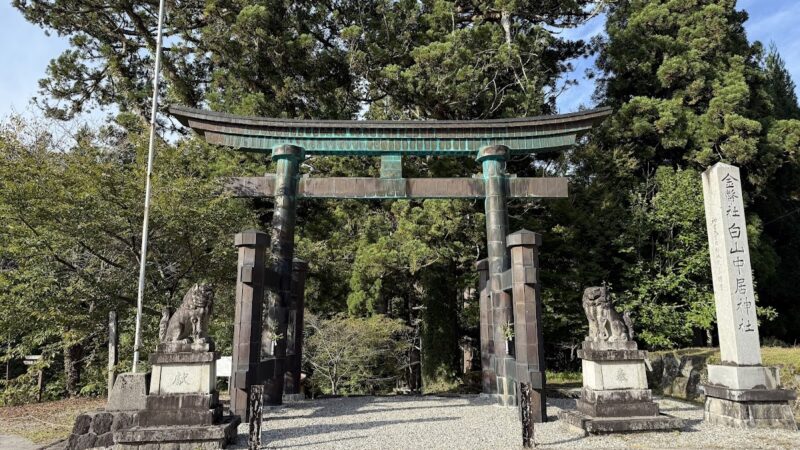
Complete Guide to Nangū Taisha Shrine | History and Visiting Information for the Head Shrine of the Metal Industry and Ichinomiya of Mino Province
Nangū Taisha Shrine, located in Tarui-cho, Fuwa-gun, Gifu Prefecture, is a historic shrine known as the head shrine of mining and metal industries throughout Japan, with Kanayamahiko-no-Ōkami, the god who presides over metals and mining, as its main deity. It has long been deeply revered as the Ichinomiya of Mino Province, and its beautiful vermilion-lacquered shrine buildings are designated as important national cultural properties. This article will introduce the charm of Nangū Taisha Shrine in its entirety, from its history and architectural style to its enshrined deities and visiting information.
What is Nangū Taisha Shrine? – The Head Shrine of the God of Metalwork
Nangū Taisha Shrine has long been affectionately known as “Nangū-san,” and its official former name was Nangū Jinja. In the Engishiki Jinmyocho (Register of Shrines in the Engi Era), it is listed as the only “Myojin Taisha” (Great Shrine of Myojin) in Mino Province. Formerly a National Grand Shrine, it is currently a Special Shrine of the Association of Shinto Shrines, attracting fervent devotion from metalworkers, iron miners, and blacksmiths nationwide.
Basic Information on Nangū Taisha Shrine
Location: 1734-1 Miyashiro, Tarui-cho, Fuwa-gun, Gifu Prefecture
Main Deity: Kanayamahiko-no-Okami
Shrine Rank: Shikinaisha (Great Shrine of Myojin), Ichinomiya of Mino Province, Former National Grand Shrine, Special Shrine
Founding: During the reign of Emperor Jimmu (according to shrine tradition)
Main Hall Style: Nangū-zukuri (a blend of Japanese and Chinese styles)
Cultural Properties: 18 shrine buildings designated as National Important Cultural Properties
The name “Nangū” of Nangū Taisha Shrine is said to originate from its location south of the Mino Provincial Capital. Formerly known as “Nakayama Kanayamahiko Shrine,” this shrine has held an important position since ancient times as a shrine dedicated to Kanayamahiko-no-Mikoto.
Deity – Mythology and Divine Virtues of Kanayamahiko-no-Okami
About Kanayamahiko-no-Okami
Kanayamahiko-no-Okami, the principal deity of Nangū Taisha Shrine, is known in Japanese mythology as the god who presides over mines and metals. According to shrine tradition, Kanayamahiko-no-Mikoto is the elder brother of Amaterasu-Ōmikami, enshrined at Ise Grand Shrine, and is said to have greatly demonstrated his divine power by assisting the golden kite during Emperor Jimmu’s eastern expedition.
Kanayamahiko-no-Okami is said to have been born in the form of “flowing iron,” and for this reason, he has attracted worship from all over Japan as the god of metal and blacksmithing. He is revered as the guardian deity of all industries related to metals, including mining development, iron production, sword forging, and metal processing.
Divine Virtues and Faith
The divine virtues of Nangū Taisha Shrine are diverse:
- Prosperity of the Metal and Mining Industries: Revered by mines, steel mills, and metal processing companies nationwide
- Protection of Swordsmiths: Faithful of swordsmiths who create famous swords
- Industrial Development: In modern times, encompassing all metal-related industries such as the automobile and machinery industries
- Protection from Evil and Misfortune: Exorcism of evil spirits through the power of metal
- Business Prosperity: Prayers for business development and success
During the Heian period, the shrine was granted the highest rank of Shinto deity by the imperial court due to its effectiveness in fulfilling imperial prayers for the pursuit and subjugation of Taira no Masakado and Abe no Sadatō. It also played a role as a national prayer site, with prayers for subjugation being offered during the Mongol invasions.
The History of Nangū Taisha Shrine – From the Age of the Gods to the Present
Founding and Ancient History
According to shrine tradition, the founding of Nangū Taisha Shrine dates back to the reign of Emperor Jimmu. It is said that during Emperor Jimmu’s eastern expedition, Kanayamahiko-no-Mikoto demonstrated divine power by assisting a golden kite, and was enshrined in the county’s capital, marking the beginning of the shrine’s establishment.
Later, during the reign of the tenth Emperor Sujin, the shrine was moved to its current location at the foot of Mino Nakayama (present-day Nangūyama). This area has been blessed with metal resources since ancient times, and the development of iron-making and blacksmithing techniques suggests it was chosen as a suitable sacred site for enshrining Kanayamahiko-no-Ōkami.
Prosperity from the Heian Period to the Middle Ages
In the Engishiki Jinmyōchō (Register of Shrines) compiled during the Heian period, Nangū Taisha Shrine is listed as the only “Myōjin Taisha” (Great Shrine of Myōjin) in Mino Province, indicating its recognition as a shrine of special status even at that time. As the Ichinomiya (first-ranked shrine) of Mino Province, it flourished as a center of local faith, with offerings and rituals performed by the provincial governor.
In the medieval period, with the rise of sword culture, faith in Nangū Taisha Shrine spread even further. Swordsmiths who produced famous swords visited the shrine, and even dedicated their masterpieces there. For Mino swordsmiths in particular, Nangū Taisha Shrine was an important sacred site where they prayed for improved skills and successful sword-making.
The Battle of Sekigahara and the Burning Down
The greatest turning point in the history of Nangū Taisha Shrine was the Battle of Sekigahara in 1600. During this battle, all the shrine buildings were destroyed by arson committed by the forces of Ankokuji Ekei of the Western Army.
Tarui Town, where Nangū Taisha Shrine is located, was close to the battlefield of Sekigahara and a strategically important location, making it impossible to escape the ravages of war. This fire resulted in the loss of many precious shrine buildings and treasures that had been passed down since ancient times.
Reconstruction by Tokugawa Iemitsu
Approximately 40 years after the fire, in 1642 (Kanei 19), the shrine buildings of Nangū Taisha were rebuilt by the third shogun, Tokugawa Iemitsu. It is said that the wishes of Kasuga no Tsubone, known as Tokugawa Iemitsu’s wet nurse, greatly influenced this reconstruction.
Iemitsu’s reconstruction was not merely a restoration, but a magnificent achievement that combined the highest level of architectural technology and artistry of the time. The vividly vermilion-painted shrine buildings were constructed in a unique architectural style called “Nangū-zukuri,” a blend of Japanese and Chinese styles, and are highly regarded as a masterpiece of early Edo period shrine architecture.
History since the Modern Era
Under the Meiji era’s shrine ranking system, it was ranked as a National Grand Shrine, establishing its status as a shrine receiving national reverence. Following the reforms of the shrine system after World War II, it is now a special shrine of the Association of Shinto Shrines, attracting worshippers from many people nationwide, including those in the metal industry.
The current 18 shrine buildings are designated as National Important Cultural Properties, recognizing their historical and artistic value. Furthermore, the shrine grounds boast a rich natural environment, offering beautiful scenery throughout the seasons that delights visitors.
Nangū-zukuri Architectural Style – Shrine Buildings Designated as National Important Cultural Properties
What is Nangū-zukuri?
The shrine buildings of Nangū Taisha are constructed in a unique architectural style called “Nangū-zukuri.” This style skillfully blends the Japanese style (Wayō) and the Chinese style (Tōyō), and strongly retains the characteristics of early Edo period shrine architecture.
Its most distinctive features are the vibrant vermilion exterior and the exquisite, detailed decorations. The eaves of all the shrine buildings are adorned with carved frog-leg brackets (Kurinuki Kaerumata), and the beauty of these carvings captivates all who see them.
Main Structures
Romon Gate (Roumon) The majestic Romon Gate, standing at the front of Nangū Taisha Shrine, is the first structure that welcomes visitors. Its vermilion-painted pillars and intricately carved brackets (kaerumata) convey a sense of high status.
Takamaiden Hall (Takamaiden) Appearing after passing through the Romon Gate, the Takamaiden Hall is a stage where kagura (sacred dance) and other performances are offered during festivals. The brackets of the Takamaiden Hall are carved with the twelve animals of the Chinese zodiac, making them valuable works demonstrating the high level of carving technique during the Edo period.
Haiden (Worship Hall), Heiden (Offering Hall), and Honden (Main Hall) Located at the back of the approach to the shrine, the Haiden, Heiden, and Honden are the structures that most clearly exemplify the aesthetic beauty of the Nangū-zukuri style. The contrast between the vermilion-painted pillars and white walls, the graceful curves of the roof, and the detailed decorative carvings harmonize to create a solemn and magnificent atmosphere.
Subsidiary Shrines
Numerous subsidiary shrines are arranged around the main shrine building. These, too, are beautifully painted in vermilion, creating a unified and harmonious landscape within the shrine grounds.
Architectural Highlights
The following are some of the highlights to appreciate when viewing the architecture of Nangū Taisha Shrine:
- The Beauty of the Vermilion Paint: The vibrant vermilion color has not faded over time, and its beauty is maintained through regular repainting.
- Carvings on the Frog-leg Brackets: The carved frog-leg brackets under the eaves of each building are intricately carved with animals, plants, and scenes from mythology.
- Roof Structure: The cypress bark and copper roofs feature elegant curves, enhancing the dignity of the entire building.
- The Masterful Arrangement: The layout, from the main gate to the dance hall, worship hall, and main sanctuary, is a carefully calculated spatial composition that naturally guides visitors.
Shrine Grounds Guide – Visiting Spots and Highlights
Shrine Grounds Layout Map
The grounds of Nangū Taisha Shrine cover approximately 50,000 square meters, with many subsidiary shrines and facilities arranged around the main sanctuary. As you proceed along the approach to the shrine, you will first come across the main gate, followed by the Takamaiden (high dance hall), the Haiden (worship hall), and the Honden (main shrine).
Main Places to Visit
Honden/Haiden
This is the central shrine dedicated to Kanayamahiko-no-Okami. When praying, please follow the proper etiquette of two bows, two claps, and one bow.
Takamaiden
During festivals such as the annual grand festival, kagura (sacred dance) and other performances are offered here. The twelve zodiac animal brackets are a must-see.
Subsidiary Shrines
Numerous subsidiary shrines are located within the grounds, each enshrining a different deity. If you have time, we recommend visiting these shrines as well.
Temizuya (Water Basin)
This is where you purify your mind and body before praying. Please purify your hands and mouth according to the correct etiquette before proceeding to worship.
Shrine Office
This is where you can obtain amulets and Goshuin (shrine stamps). Original amulets for protection of the metalworking industry, etc., are available at Nangū Taisha Shrine.
The Shrine Grounds in Four Seasons
The grounds of Nangū Taisha Shrine offer the opportunity to enjoy the beauty of nature throughout the four seasons.
Spring: Cherry blossoms are in full bloom, creating a beautiful contrast between the vermilion shrine buildings and the pink blossoms.
Summer: Fresh greenery covers the grounds, enveloping the area in refreshing air.
Autumn: Autumn leaves color the grounds, creating a breathtaking spectacle where the vermilion shrine buildings harmonize with the red and yellow foliage.
Winter: The snow-covered grounds are enveloped in silence, enhancing the sacred atmosphere.
Festivals and the Annual Grand Festival – Major Annual Events
Nangū Taisha Shrine holds various festivals throughout the year.
Annual Grand Festival (May 5th)
The most important festival at Nangū Taisha Shrine is the Annual Grand Festival. Held annually on May 5th, it attracts metalworkers and devotees from all over Japan. During the annual festival, solemn Shinto rituals are performed, and Kagura and Bugaku (traditional dance and music) are offered at the Takamaiden (high dance hall), enveloping the shrine grounds in a vibrant festival atmosphere.
Kanayama Festival
As the head shrine of the metal industry, the Kanayama Festival is also an important festival. It is a festival to pray for the development and safety of the metal industry, and many company representatives attend.
Other Major Festivals
- Saitansai (January 1st): A festival celebrating the New Year
- Setsubunsai (February 3rd): Includes bean-throwing and other rituals
- Kinensai (February 17th): A festival praying for a bountiful harvest
- Niinamesai (November 23rd): A festival giving thanks for the harvest
- Tsukimisai: A festival held regularly every month
Swords and Nangū Taisha Shrine – The History of Dedicating Famous Swords
Nangū Taisha Shrine, which enshrines the god of metal, has a long history of dedicating famous swords.
The Tradition of Sword Dedication
From the Heian period to the Middle Ages, the techniques for making Japanese swords developed dramatically. Mino Province, in particular, is known as a region with its own unique sword-making techniques called “Mino-den,” and produced many master craftsmen.
These swordsmiths visited Nangū Taisha Shrine to pray for success in their sword-making and improvement in their skills, and dedicated their completed masterpieces to the shrine. It was believed that swords created under the protection of Kanayamahiko-no-Ōkami possessed exceptional sharpness and beautiful blade patterns.
Valuable Sword Collection
Nangū Taisha Shrine houses some of the most valuable swords among those dedicated throughout history. These swords are carefully preserved as important cultural assets that tell the story of Japan’s sword culture and metalworking technology.
The collection includes works by renowned swordsmiths, including those of the Sanjō school, making it an unmissable treasure for sword enthusiasts.
Visiting Information – Access and Visiting Guide
Access Methods
Access by Train
- Get off at Tarui Station on the JR Tokaido Main Line, approximately 20 minutes on foot
- Approximately 5 minutes by taxi
Access by Car
- Approximately 10 minutes from Sekigahara IC on the Meishin Expressway
- Approximately 15 minutes from Ogaki IC on the Meishin Expressway
- Free parking available on the grounds (approximately 100 regular cars)
Visiting Information
Visiting Hours: Grounds are freely accessible (Shrine office is open from approximately 9:00 to 17:00)
Admission Fee: Free
Estimated Time Required: Approximately 30 minutes to 1 hour
Goshuin (Shrine Seals) and Amulets
At Nangū Taisha Shrine, in addition to regular goshuin, limited edition goshuin are sometimes given out during special festivals. They are carefully written at the shrine office.
The shrine offers a variety of amulets, including those for protection in the metal industry, business prosperity, and protection against evil. The amulets for those working in the metal industry are particularly special and unique to Nangū Taisha Shrine.
Nearby Tourist Attractions
When visiting Nangū Taisha Shrine, we recommend also visiting the nearby tourist attractions.
Sekigahara Battlefield
Located about 10 minutes by car from Nangū Taisha Shrine, the Sekigahara Battlefield is the site of the largest battle in Japanese history. You can visit Sekigahara Warland and the encampments of various warlords.
Tarui Townscape
Tarui Town, which flourished as a post town on the Nakasendō road, is dotted with historical buildings and sites. Enjoy a stroll while experiencing the atmosphere of a post town.
Grave of Takenaka Hanbei
The grave of Takenaka Hanbei, known as Toyotomi Hideyoshi’s military strategist, is also located in Tarui Town, making it a must-see spot for history buffs.
Experiencing Nangū Taisha Shrine – Points for Visiting
Guidelines for Visiting
When visiting Nangū Taisha Shrine, please keep the following points in mind:
- With a Quiet Heart: Visit with a quiet heart, appreciating the dignity and history of this head shrine.
- Appreciating Architectural Beauty: Take your time to appreciate the shrine buildings, which are designated as important national cultural properties.
- Visiting Subsidiary Shrines: If time permits, visit the subsidiary shrines within the grounds.
- Beauty of the Seasons: Enjoy the changing scenery of the shrine grounds with each season.
Photography
Photography is generally permitted within the shrine grounds, but may be prohibited during religious ceremonies or inside the shrine buildings. Please observe proper etiquette when taking photos.
The vermilion-painted shrine buildings offer a beautiful contrast against the blue sky on sunny days, and exude a calm atmosphere on cloudy days. Photography in the soft light of early morning or evening is also recommended.
Connections with the Metal and Mining Industries – A Faith That Continues to This Day
As a Guardian Deity of Industry
Even today, Nangū Taisha Shrine plays a vital role as the head shrine for the metal and mining industries nationwide. Many companies and individuals involved in the metal industry, including steel companies, automobile manufacturers, metal processing companies, and machinery manufacturers, visit the shrine to pray for the development and safety of their businesses.
Corporate Visits and Prayers
Every year, many companies visit Nangū Taisha Shrine in groups to pray for the development of their businesses. Especially at the start of the new year, the end of the fiscal year, and the launch of new businesses, it is common to see managers and employees visiting together.
Nangū Taisha Shrine also accepts special prayers for companies, and it is possible to apply for formal worship and prayers at the shrine.
Faith of Engineers
For metal processing engineers and craftsmen, Nangū Taisha Shrine is a special place to pray for technological advancement and the successful completion of their works. Modern swordsmiths and metalworkers also carry on the tradition, visiting Nangū Taisha Shrine to seek divine guidance.
Summary – The Charm of Nangū Taisha Shrine
Nangū Taisha Shrine is a rare shrine in Japan, boasting a long history dating back to the age of the gods and its unique status as the head shrine of the metal industry. Having survived the ravages of the Battle of Sekigahara and rebuilt by Tokugawa Iemitsu, the magnificent shrine buildings are a precious cultural asset that conveys the architectural beauty of the early Edo period, allowing us to feel the weight of history.
The beautiful vermilion-lacquered shrine buildings, intricate carvings, the natural scenery that changes with the seasons, and above all, the divine virtues of Kanayamahiko-no-Ōkami—all of these harmonize to give visitors deep emotion and peace of mind. This is the charm of Nangū Taisha Shrine.
It is a shrine worth visiting not only for those involved in the metal industry, but also for those interested in history and architecture, and those seeking inner peace. If you have the opportunity to visit Gifu Prefecture, be sure to visit Nangū Taisha Shrine, the Ichinomiya (first-ranked shrine) of Mino Province, and experience its solemn atmosphere and the weight of its history.
In the silence that resonates through the forest of Nangū, you will feel the power of faith that has been passed down from ancient times to the present day. As the head shrine of mining and metal industries throughout Japan, and as the Ichinomiya of Mino Province, Nangū Taisha Shrine continues to receive the prayers of many people today.