Complete Guide to Otaki Shrine: The Charm of a Sacred Site Rich in Yamanashi’s Famous Waters and History
Located at an altitude of approximately 820 meters on the southern slopes of the Yatsugatake Mountains in Kobuchizawa-cho, Hokuto City, Yamanashi Prefecture, Otaki Shrine is a sacred place blessed with abundant spring water and a deep history. This shrine, cherished by the local people for centuries, boasts a spring water selected as one of Japan’s Top 100 Famous Waters, exuding a unique charm where nature and faith are intertwined.
This article comprehensively explains everything you need to know before visiting Otaki Shrine, from its history and enshrined deities to its highlights, the characteristics of its spring water, and access methods.
Overview and Basic Information of Otaki Shrine
Otaki Shrine is located at 2738 Kamisasao, Kobuchizawa-cho, Hokuto City, Yamanashi Prefecture. Its former shrine rank was Village Shrine. It is located approximately 2 kilometers southeast of Kobuchizawa Station on the Chuo Main Line, in a tranquil environment surrounded by the rich nature of the Yatsugatake Mountains.
Within the shrine grounds, a bountiful spring of clear water called “Ootaki Spring Water” gushes forth. This spring water is included in the “Yatsugatake Southern Foothills Plateau Spring Water Group,” one of the “100 Famous Waters of Japan” selected by the Ministry of the Environment in 1985. Along with Sanbuichi Spring Water, it is known as one of the representative springs of this region.
Deities and History of the Shrine
The deities enshrined at Ootaki Shrine are Okuninushi-no-Mikoto and Sukunahikona-no-Mikoto.
Okuninushi-no-Mikoto is a god of nation-building, also known as the principal deity of Izumo Taisha Shrine, and presides over a wide range of fields including agriculture, commerce, and medicine. Sukunahikona-no-Mikoto, on the other hand, is worshipped as the god of medicine and sake brewing, and is an important mythological deity said to have pioneered the land together with Okuninushi-no-Mikoto.
Regarding the founding of the shrine, a legend remains that in the tenth year of Emperor Sujin’s reign (around 88 BC), when Takenunakawawake-no-Mikoto inspected the area, he saw a spring of clear water and declared it “the foundation of agriculture, the lifeblood of the people, and the basis of the nation’s founding.” It is said that Takenunakawawake-no-Mikoto himself erected an altar and performed rituals, leaving his son, Prince Takekawawake-no-Mikoto, behind and donating eight tan, two se, and twelve bu of land to the shrine. This is considered the founding of the shrine. Since then, descendants of Takekawawake-no-Mikoto have served as chief priests for generations.
Otaki Spring Water: A Clear Stream Selected as One of Japan’s 100 Best Waters
The most distinctive feature of Otaki Shrine is the abundant spring water that gushes forth within its grounds. This spring water is affectionately known locally as “Otaki Spring Water” and is one of the important water sources in the Yatsugatake Southern Foothills Plateau Spring Water Group.
Characteristics and Volume of the Spring Water
The Otaki Spring boasts an astonishing volume of water, approximately 22,000 tons (22,000 cubic meters) per day. This abundant water volume remains fairly constant throughout the year, playing a vital role as a local water resource.
The water temperature is maintained at approximately 12°C throughout the year, making it feel cool in summer and relatively warm in winter. This stable water temperature is characteristic of groundwater that springs from deep beneath the Yatsugatake Mountains.
Clear Water Flowing from the Sluice Gate
Within the shrine grounds, you can see the sight of clear water flowing from a sluice gate carved out of a log. The sound of water cascading vigorously from the wooden sluice gate is refreshing, giving visitors a sense of coolness.
This water flow from the sluice gate is a symbolic landscape of the shrine and a popular photo spot, offering particularly beautiful scenery during the seasons of fresh greenery and autumn leaves.
A Water Source Supporting Local Life
The Otaki Spring Water is not only a tourist resource, but has also supported the lives of local people since ancient times. In addition to being used for irrigating rice paddies, it is also utilized for rainbow trout farming.
The cold, pure water quality is ideal for aquaculture, making it an important water source supporting the rainbow trout farming industry in this region. It is also used as domestic water, making it indispensable for local residents.
Highlights of Otaki Spring Water Park
The area around Otaki Shrine has been developed as “Otaki Spring Water Park,” allowing visitors to enjoy both shrine visits and nature walks simultaneously.
Park Maintenance Status
The park has well-maintained walking paths, allowing visitors to stroll along the flow of the spring water. Benches and rest areas are also provided, allowing visitors to relax and enjoy nature.
Parking is also available, making it easily accessible by car. The entire park is kept clean, reflecting the deep affection the local residents have for the shrine and spring water.
Natural Beauty Through the Seasons
Spring to Early Summer (Season of Fresh Greenery)
From May to June, the surrounding trees are enveloped in vibrant fresh greenery. The contrast between the fresh green leaves and the pure spring water is beautiful, and you can visit the shrine in refreshing air.
Summer (As a summer resort)
Located on a plateau at an altitude of 820 meters, it remains cool even in summer. The coolness of the spring water and the shade of the trees act as natural air conditioning, making it a popular summer retreat where you can forget the heat.
Autumn (Famous for autumn foliage)
The autumn leaves are at their peak from mid-October to early November. The scenery created by the vibrant colors of the maple and Japanese maple trees, combined with the blue of the spring water and the red and yellow of the leaves, is exceptional.
Winter (Beauty of tranquility)
In winter, there are fewer visitors, allowing you to experience a sacred atmosphere enveloped in tranquility. The spring water continues to flow without freezing, giving you a sense of life even in the winter cold.
Points of Interest and Highlights of the Shrine Grounds
Main Hall and Worship Hall
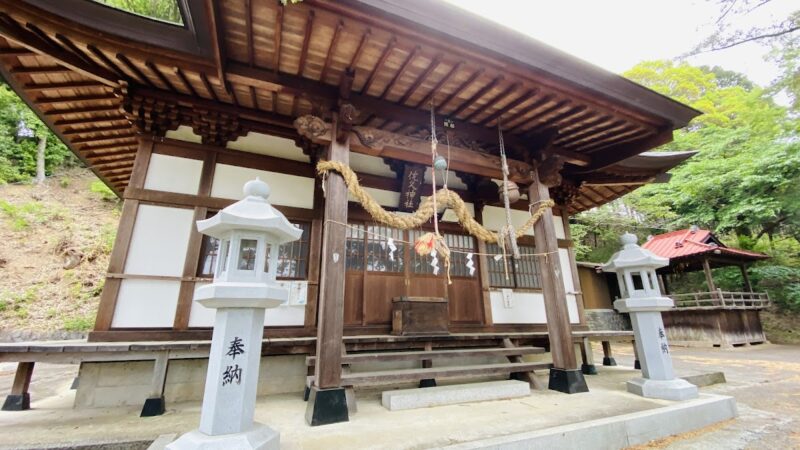
The main hall and worship hall of Otaki Shrine preserve the traditional architectural style of the region. While not large in scale, they are meticulously maintained, reflecting the deep faith of the local people.
As you clasp your hands together in front of the worship hall, the sound of spring water resonates softly, enveloping you in a sacred atmosphere.
Water Basin
Spring water is drawn into the water basin, allowing visitors to purify their minds and bodies with pure water before worship. This water is also potable, allowing visitors to directly experience the blessings of the Yatsugatake Mountains.
Stone Monuments and Information Boards on the Shrine Grounds
Information boards explaining the history of the shrine and the spring water are installed on the shrine grounds. Information on Japan’s Top 100 Famous Waters, as well as data on the spring water’s volume and temperature, are included, helping visitors to deepen their understanding.
Access Information and Nearby Facilities
Location
Address: 2738 Kamisasao, Kobuchizawa-cho, Hokuto City, Yamanashi Prefecture
Access by Car
- Approximately 5 minutes from the Chuo Expressway “Kobuchizawa IC”
- Accessible from National Route 141
- Parking available (free)
Located on a driving route from the Yatsugatake area, it’s easily combined with sightseeing in Kiyosato and Nobeyama.
Access by Public Transportation
- Approximately 5 minutes by taxi from JR Chuo Main Line “Kobuchizawa Station”
- Approximately 30 minutes on foot (approx. 2km)
Since it’s a bit of a distance from the station, using a rental car or taxi is convenient.
Nearby Tourist Attractions
Sanbuichi Spring Water
Like Otaki Spring Water, it’s one of the spring water groups on the southern foot of the Yatsugatake Mountains, located about 10 minutes away by car. It’s famous for its triangular water distribution facility, said to have been established by Takeda Shingen to resolve water disputes.
Seisenryo
A representative tourist facility in the Kiyosato Highlands, famous for its soft-serve ice cream. Approximately 20 minutes by car from Otaki Shrine.
Suntory Hakushu Distillery & Natural Water Southern Alps Hakushu Factory
A factory that produces whiskey and natural water utilizing the region’s pristine spring water. Tours are also popular. Approximately 15 minutes by car.
Otaki Shrine as a Photo Spot
Otaki Shrine and the Spring Water Park are known as excellent photo spots.
Recommended Photo Points
- Water Flowing from the Sluice: The water flowing from the sluice, carved out of a log, is a symbolic subject of the shrine. On sunny days, the water spray sparkles beautifully.
- Spring Water Pond and Shrine Grounds: Photographing the spring water pond and the shrine buildings together expresses the harmony of water and faith.
- Autumn Foliage Scenery: The contrast between the autumn leaves and the spring water is breathtaking. The time when the morning light shines in is especially recommended.
- Contrast of Fresh Greenery and Water: The combination of the fresh greenery of early summer and the clear spring water makes for a refreshing photograph.
Photography Etiquette
Since the shrine is a sacred place, consideration must be given to avoid disturbing worshippers. Also, avoid using tripods or occupying the area for extended periods of time, and remember to be considerate of other visitors.
Historical and Cultural Value of Otaki Shrine
Center of Local Faith
Otaki Shrine has long supported the local community as the center of faith in the Kobuchizawa region. For those engaged in agriculture, water is the source of life, and this shrine with its abundant spring water held special significance.
Water Deity Worship and Agriculture
The enshrined deities, Okuninushi-no-Mikoto and Sukunahikona-no-Mikoto, are revered as gods of land development and agricultural promotion. The worship of spring water as a divine blessing is found throughout Japan, and Otaki Shrine is a prime example.
The history of using spring water for rice paddy irrigation demonstrates the close relationship between the shrine and local agriculture.
Significance of Designation as One of Japan’s 100 Best Waters
The Ministry of the Environment’s selection of Otaki Spring Water as one of Japan’s 100 Best Waters in 1985 signified the official recognition of the high quality of the water and its importance to the region.
By being selected as part of the Yatsugatake Southern Foothills Plateau Spring Water Group, Otaki Spring Water became a nationally renowned source of spring water, increasing its value as a tourist resource.
Points to Note and Manners When Visiting
Manners for Worship
- Bow when passing through the torii gate
- Cleanse your hands and mouth at the water basin before worshiping
- Worship in front of the main hall using the two bows, two claps, and one bow ritual
- Maintain silence and respect the sacred atmosphere
Manners for Using Spring Water
- Use the provided ladle when drinking the spring water
- Refrain from taking large amounts of water (respect that it is a local water source)
- Always take your trash with you
- Do not enter the spring water pond or waterway
Clothing and Items to Bring
- Comfortable walking shoes (the park is well-maintained, but you will be walking in nature)
- Bring a light jacket as the altitude is high even in summer
- Insect repellent (summer)
- Camera (many photo spots)
- Water bottle (if you wish to take spring water home)
Differences between Ootaki Shrine and other Ootaki Shrines/Ootaki Shrines
There are shrines named “Ootaki Shrine” or “Ootaki Shrine” throughout Japan. Because they are easily confused, we will clarify the main shrines.
Okata Shrine/Ootaki Shrine in Echizen City, Fukui Prefecture
Okata Shrine/Ootaki Shrine in Echizen City, Fukui Prefecture, is known as the “Paper Ancestor God” and is the only shrine in Japan dedicated to the god of paper. The main hall and worship hall were built in 1843 (Tenpo 14) and are designated as important national cultural properties. It is famous for having “the most complex roof in Japan.”
This shrine is worshipped as the guardian deity of the paper industry and has a completely different history and character from the Ootaki Shrine in Yamanashi Prefecture.
Ootaki Shrine in Inukami District, Shiga Prefecture
Ootaki Shrine in Taga-cho, Inukami District, Shiga Prefecture, is also called “Takinomiya” and is worshipped as a god of rain. The shrine is dedicated to Takaokami and Kuraokami, and is characterized by its location facing the clear waters of the Inugami River.
Otaki Shrine in Hokuto City, Yamanashi Prefecture, as covered in this article
The Otaki Shrine introduced in this article is located in Kobuchizawa-cho, Hokuto City, Yamanashi Prefecture, and is dedicated to Okuninushi-no-Mikoto and Sukunahikona-no-Mikoto. Its most distinctive feature is its spring water, which is one of Japan’s 100 best waters, and it plays an important role as a water source for the region.
When searching online, adding keywords such as “Otaki Shrine Yamanashi,” “Otaki Shrine Hokuto City,” or “Otaki Shrine Kobuchizawa” will ensure you find relevant information.
Connection with the Community and Future Prospects
Core of the Local Community
Otaki Shrine is still carefully preserved by the local people. The beautiful environment of the shrine and spring water park is maintained through the cooperation of local residents, including regular cleaning activities and the maintenance of festivals.
Potential as a Tourism Resource
The southern foothills of the Yatsugatake Mountains boast tourist destinations such as Kiyosato, Nobeyama, and Kobuchizawa, but Otaki Shrine remains a relatively unknown hidden gem. Further development of tourist routes combining it with Mount Fuji viewing spots and hot spring facilities is expected to enhance its appeal.
Importance of Environmental Conservation
Maintaining the pristine spring water requires the preservation of the Yatsugatake forest environment. The region is actively engaged in protecting water source forests, promoting sustainable water resource management.
Visitors should also be mindful of respecting this precious natural environment and using the site responsibly.
Summary: Experience the Charm of Otaki Shrine
Otaki Shrine in Hokuto City, Yamanashi Prefecture, is a special place where the spring water, selected as one of Japan’s 100 best, its long history, and the faith of the local people all come together.
The sight of 22,000 tons of spring water gushing forth daily at a constant 12°C throughout the year truly showcases the richness of nature in the Yatsugatake region. Listening to the sound of water flowing from a hollowed-out log spout and strolling through the grounds adorned with lush greenery and vibrant autumn leaves, you can forget the hustle and bustle of everyday life and experience a truly refreshing journey.
Why not visit this historic shrine, dedicated to the gods of nation-building, Okuninushi-no-Mikoto and Sukunahikona-no-Mikoto, and offer your gratitude for the blessings of pure water? When traveling to Kobuchizawa or Kiyosato, be sure to stop by Otaki Shrine and experience the harmony of nature and faith at the southern foot of the Yatsugatake Mountains.
Otaki Shrine is a precious cultural heritage site that Yamanashi Prefecture is proud of, possessing all the elements of a water source that has supported the lives of the local people, a place of worship cherished by the local community, and a natural power spot that offers healing to visitors.