A Complete Guide to the History and Highlights of Gankei-ji Temple | A Thorough Explanation of a Hidden Gem in Yamashina, Kyoto
Gankei-ji Temple, located in Yamashina Ward, Kyoto City, is a historic Tendai sect temple founded in the early Heian period. Known as an extra temple on the Saigoku Thirty-Three Kannon Pilgrimage and as a temple associated with Emperor Kazan, its quiet, unspoiled atmosphere attracts many visitors. This article provides a detailed explanation of Gankei-ji Temple’s history, highlights, and visiting information.
What is Gankei-ji Temple? | Basic Information and Overview
Gankei-ji Temple is a Tendai sect temple located in Kitahanayama Kawaramachi, Yamashina Ward, Kyoto City. Its official name is “Kachozan Gankei-ji.” Its mountain name is Kachozan, and its principal image is Yakushi Nyorai (Medicine Buddha).
Basic Temple Data
- Sect: Tendai Buddhism
- Principal Image: Yakushi Nyorai (Medicine Buddha)
- Founded: 877 (Gangyō 1)
- Founder: Henjō
- Pilgrimage Site: Extra Temple of the Saigoku Thirty-Three Kannon Pilgrimage
- Location: 13 Kitahanayama Kawaramachi, Yamashina-ku, Kyoto City
Gangyōji Temple is said to have been founded by the monk Henjō, known as one of the Six Poetic Immortals, and was built by imperial decree of Emperor Seiwa. It is a temple that occupies an important position in the culture and Buddhist history of the Heian period.
History of Gangyōji Temple | From the Heian Period to the Present
Founding and Henjō
Gangyōji Temple was founded in 877 (Gangyō 1) by the monk Henjō at the imperial decree of Emperor Seiwa. Henjō, whose secular name was Yoshimine no Munesada, was a monk of noble birth, a grandson of Emperor Kanmu.
Henjō served as a court official under Emperor Ninmyō, but after the emperor’s death, he became a monk and studied Tendai Buddhism at Mount Hiei. Later, he built a hermitage in Yamashina, which is considered the beginning of Gangyō-ji Temple. As one of the Six Poetic Geniuses, many of his poems are included in the *Kokin Wakashū* (Collection of Ancient and Modern Japanese Poems), and he is highly regarded as a cultural figure.
Deep Connection with Emperor Kazan
Gangyō-ji Temple became widely known due to its connection with Emperor Kazan. Emperor Kazan abdicated after only two years on the throne and became a monk at the young age of 19.
In 986 (Kanna 2), Emperor Kazan shaved his head at Gangyō-ji Temple and is said to have started his pilgrimage to the 33 Kannon temples of Saigoku from there. This historical event led to Gangyō-ji Temple being designated as an “extra temple” of the Saigoku Thirty-Three Kannon Pilgrimage, giving it special significance for pilgrims.
Emperor Kazan dedicated himself to spreading Kannon worship and played a key role in popularizing the Saigoku Thirty-Three Kannon Pilgrimage among the common people. Gangyō-ji Temple, as its starting point, plays a crucial role in the history of pilgrimage culture.
Changes Since the Middle Ages
While Gangyō-ji Temple flourished during the Heian period, it declined temporarily due to the wars of the Sengoku period. It is said that many of its buildings were destroyed by repeated fires, including the Ōnin War.
In the Edo period, reconstruction progressed under the patronage of the Tokugawa Shogunate, forming the foundation of the current temple complex. Although affected by the anti-Buddhist movement of the Meiji era, it has continued to preserve its traditions, supported by the faith of the local people.
Highlights of Gangyo-ji Temple | Introducing the Charms of the Temple Grounds
Main Hall and the Principal Image of Yakushi Nyorai
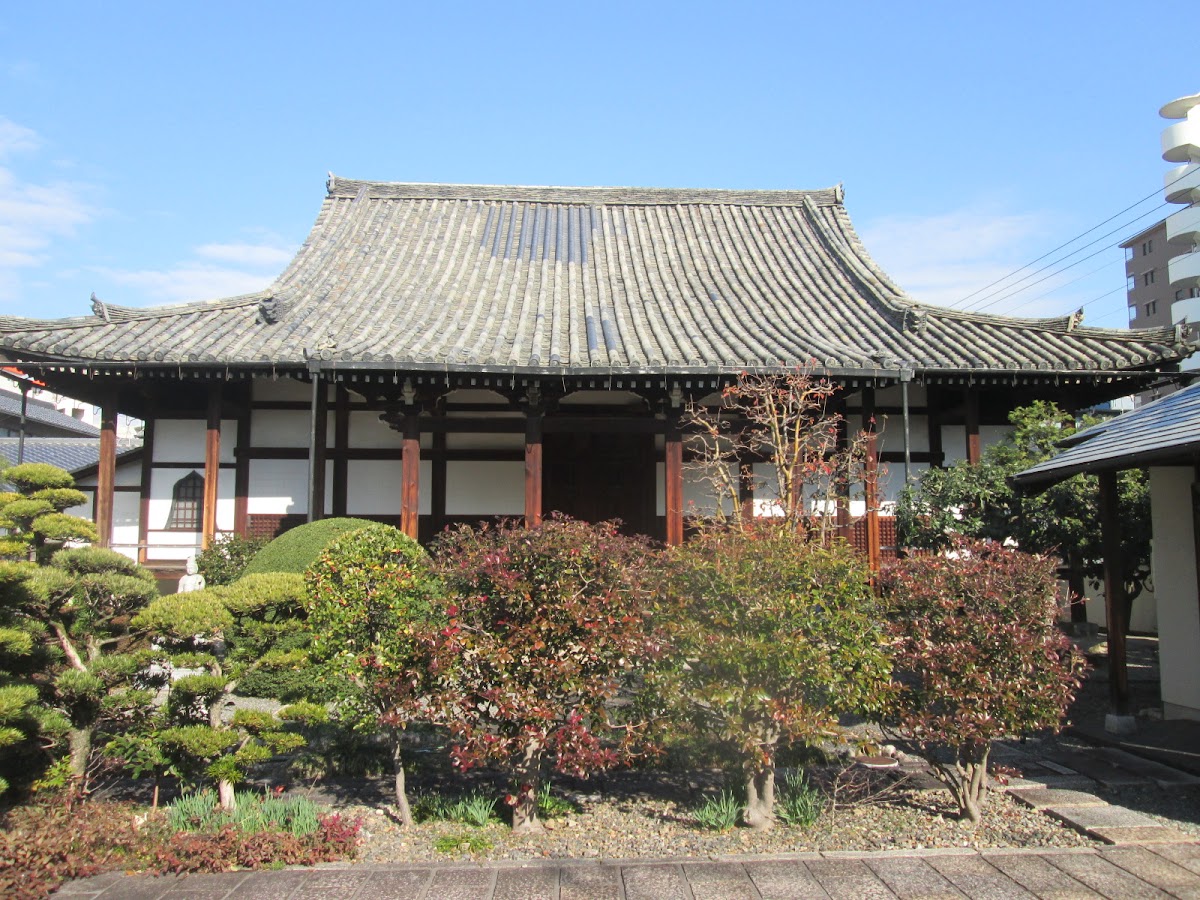
Gangyo-ji Temple’s main hall, rebuilt during the Edo period, is characterized by its tranquil atmosphere. The principal image, a statue of Yakushi Nyorai, is considered a hidden Buddha and is not usually on public display, but it is occasionally unveiled during special religious ceremonies.
Inside the main hall are enshrined portraits of Emperor Kazan and a statue of Henjo, which are valuable cultural assets that tell the story of the temple’s history. Praying in the quiet main hall, one can feel the weight of over a thousand years of history.
Historical Sites Associated with Emperor Kazan
Within the temple grounds, there are numerous historical sites associated with Emperor Kazan, including a stone monument marking the place where he is said to have shaved his head. As the starting point for the Saigoku Thirty-Three Kannon Pilgrimage, many pilgrims visit this place to pray for safe travels.
A special Goshuin (temple stamp) is also available as an extra pilgrimage site, making it an essential place of worship for those undertaking the Saigoku Thirty-Three Kannon Pilgrimage.
Monument to the Poet Henjō, One of the Six Poetic Immortals
Within the temple grounds stands a monument inscribed with a waka poem by Henjō, the temple’s founder. Henjō was one of the leading poets of the Heian period, with 17 of his poems included in the *Kokin Wakashū* (Collection of Ancient and Modern Japanese Poems).
His most famous poem is “Amatsu kaze, kumo no kayoiji, fukitojiyo, otome no sugata shibashi todomemu” (Heavenly wind, blow and close the path of the clouds, so that the maiden’s figure may linger for a while). This poem was also selected for the *Hyakunin Isshu* (One Hundred Poets, One Poem Each). This temple is well worth a visit for literature lovers.
The Beauty of Nature in Every Season
Gangyōji Temple is located in a quiet environment surrounded by the nature of Yamashina, allowing visitors to enjoy the beautiful scenery of each season.
- Spring: Cherry blossoms adorn the temple grounds, evoking the gentle arrival of spring.
- Summer: Lush green trees create a cool and refreshing atmosphere.
- Autumn: Autumn leaves color the temple grounds, creating a serene and tranquil ambiance.
- Winter: Snow-covered temple grounds are enveloped in a dignified silence.
Its appeal lies in the fact that it is not a tourist destination, allowing visitors to enjoy nature at their own pace while avoiding crowds.
Significance as an Extra Temple of the Saigoku Thirty-Three Kannon Pilgrimage
What is the Saigoku Thirty-Three Kannon Pilgrimage?
The Saigoku Thirty-Three Kannon Pilgrimage is known as Japan’s oldest pilgrimage route, a journey of faith visiting 33 Kannon temples in the Kinki region. Based on faith in Kannon Bodhisattva, pilgrims pray for worldly benefits and rebirth in paradise by visiting each temple.
The Role of the Extra-Official Pilgrimage Site
Although Gangyōji Temple is not included in the official 33 pilgrimage sites, it holds a special position as an “extra-official pilgrimage site.” Due to the historical fact that Emperor Kazan began his pilgrimage here, it is considered important as a spiritual starting point for the pilgrimage.
Many pilgrims visit Gangyōji Temple before or after visiting the 33 sites, praying for the successful completion of their pilgrimage or offering prayers of gratitude. A special stamp (Goshuin) is also issued as an extra-official pilgrimage site, and it is cherished as a record of the pilgrimage.
Gangyōji Temple in Pilgrimage Culture
Emperor Kazan’s restoration of the 33 Saigoku Kannon Pilgrimage had a significant impact on Japanese pilgrimage culture. Gangyōji Temple, as a witness to this history, continues to welcome pilgrims to this day.
Pilgrimage is not merely sightseeing; it is a spiritual journey of self-reflection and purification of the heart. A quiet visit to Gangyōji Temple will be a valuable experience that deepens the meaning of that journey.
Access and Visiting Information for Genkei-ji Temple
Location and Contact Information
- Address: 13 Kitahanayama Kawaramachi, Yamashina-ku, Kyoto City, Kyoto 607-8475
- Phone: 075-581-0183 (Temple Office)
Transportation Access
Access by Train and Bus
- From JR Tokaido Main Line “Yamashina Station” or Kyoto Municipal Subway Tozai Line “Yamashina Station”:
- Take the Keihan Bus bound for “Hanayama Inari,” get off at “Jizo-ji,” and walk for about 5 minutes.
- Approximately 10 minutes by taxi.
- From Keihan Railway “Keihan Yamashina Station”:
- Keihan Bus or on foot (approximately 20 minutes)
- From Kyoto Municipal Subway Tozai Line “Nagitsuji Station”:
- Approximately 15 minutes on foot.
Access by Car
- Approximately 15 minutes from Meishin Expressway “Kyoto East IC”
- Parking: Several parking spaces available on the temple grounds (free of charge)
Visiting Hours and Admission Fee
- Visiting Hours: Free access to the temple grounds (prior contact required for entry into the main hall)
- Admission Fee: Free
- Goshuin (Temple Stamp): Available (approximately 300 yen at the temple office)
*Please note that the temple may be closed for events or religious services. It is recommended to call ahead to confirm.
Notes for Visitors
- Gangyo-ji Temple is not a tourist temple, but a place of worship for the local community. Please visit quietly.
- Photography is permitted, but please be considerate of the main hall and other visitors.
- Please bring your goshuincho (stamp book) when requesting a goshuin.
- The temple office may be unattended, so it is best to contact them in advance if you require a goshuin.
Attractions Around Gangyo-ji Temple | Charms of the Yamashina Area
When visiting Gangyo-ji Temple, we recommend also visiting other attractions in the Yamashina area.
Bishamondo Temple
One of the five main temples of the Tendai sect, known for its cherry blossoms and autumn leaves. It’s about a 10-minute drive from Gangyo-ji Temple.
Kanshuji Temple
A temple founded by the imperial decree of Emperor Daigo, famous for its beautiful garden. Within walking distance of Gangyo-ji Temple.
Zuishin-in Temple
Known as a temple associated with Ono no Komachi, and also a famous spot for plum blossoms. A popular spot for women.
Yamashina Canal
Part of the Lake Biwa Canal, this is a beautiful walking path lined with cherry trees. It’s bustling with cherry blossom viewers in spring.
The Significance of Visiting Gangyo-ji Temple | Experiencing History in Silence
Gangyo-ji Temple may lack the splendor of famous tourist temples in Kyoto, but it offers a profound spiritual experience precisely because of this.
An Experience of Feeling the Weight of History
Gangyo-ji Temple boasts a history of over 1000 years, dating back to the Heian period. Standing at the spot where Emperor Kazan shaved his head and embarked on his pilgrimage, one can feel a connection to history that transcends time and space.
Introspection in Silence
At Gangyo-ji Temple, which is rarely crowded with tourists, you can have time to quietly reflect on yourself. It is a precious space to escape the hustle and bustle of modern life and calm your mind.
Touching the Depths of Japanese Culture
From Henjo’s waka poetry to Emperor Kazan’s pilgrimage and the faith of the 33 temples of Saigoku, Gangyo-ji Temple encapsulates Japanese culture and spirituality. It is a place where you can have a deep cultural experience that cannot be obtained through superficial sightseeing.
Annual Events and Special Viewings at Gangyo-ji Temple
Gangyo-ji Temple holds various Buddhist services and events throughout the year.
Main Annual Events
- January 1st: Shushō-e (New Year’s Buddhist service)
- Spring Equinox: Spring Equinox Service
- August: Segaki Service
- Autumn Equinox: Autumn Equinox Service
- December 31st: New Year’s Eve Bell Ringing
During special events, cultural artifacts not normally open to the public may be available for viewing. Please inquire at the temple office for details.
Guidelines for Visiting Gangyōji Temple | For a Deeper Experience
Recommendation for Prior Study
Learning a little about Emperor Kazan and Henjō before visiting Gangyōji Temple will deepen the meaning of your visit. Learning about the history of the *Kokin Wakashū* and the 33 Kannon Pilgrimage sites of Saigoku will help you better understand the cultural value of the temple.
Visiting as a Pilgrimage
Those planning the Saigoku Thirty-Three Kannon Pilgrimage will find their experience more meaningful by positioning Gangyo-ji Temple as their starting or ending point.
Choosing a Season
Gangyo-ji Temple displays beautiful scenery in every season, but the cherry blossoms in spring and the autumn foliage offer particularly stunning views where natural beauty and the tranquility of the temple harmonize.
Summary | Gangyo-ji Temple: A Hidden Treasure of Kyoto
Gangyo-ji Temple is a hidden gem in Yamashina, Kyoto, with a deep history dating back to the Heian period and significance as an extra temple on the Saigoku Thirty-Three Kannon Pilgrimage associated with Emperor Kazan.
In a quiet environment untouched by tourism, it is a precious place where one can touch upon the depths of Japanese history and culture. The literary legacy of Henjo, one of the Six Poetic Immortals, its history as the starting point of Emperor Kazan’s pilgrimage, and the natural beauty of the four seasons—Gangyo-ji Temple offers many attractions that enrich the hearts of visitors.
When visiting Kyoto, be sure to visit not only the famous tourist spots, but also quiet temples like Gangyoji Temple. There, you will find the true face of Kyoto, far removed from the hustle and bustle, and where a thousand years of history quietly breathes.
Whether you are considering the Saigoku Thirty-Three Kannon Pilgrimage, interested in Japanese culture and history, or simply seeking peace of mind in a tranquil environment, we recommend a visit to Gangyoji Temple. This ancient temple, nestled in Yamashina, will surely leave a deep impression on your heart.