A Thorough Explanation of the History and Charm of Kosenji Temple | An Ancient Temple and One of Japan’s Three Great Yakushi Temples Watching Over Kusatsu Onsen
Kosenji Temple, located in Kusatsu Town, Agatsuma District, Gunma Prefecture, is a Shingon sect temple of the Buzan school, situated on a hill overlooking the Yubatake, the heart of Kusatsu Onsen. Its mountain name is Kusatsu-san, and it is the 44th temple on the Kanto Yakushi Pilgrimage, attracting many worshippers. This ancient temple, famous as one of Japan’s three great Yakushi temples, is an indispensable part of understanding the history and culture of Kusatsu Onsen.
The Founding and Origin of Kosenji Temple
Founding of the Yakushi Hall by Gyoki
The origins of Kosenji Temple date back to the Nara period. It is said that in 721 (Yoro 5), Gyoki, a renowned high priest of the Nara period, founded the Yakushi Hall. Gyōki is known as a Buddhist monk who traveled throughout Japan, engaging in social work and missionary activities. In Kusatsu, he is said to have focused on the medicinal properties of the hot springs and offered prayers for the healing of the sick.
According to legend, when Gyōki struck his staff into the ground while praying for the sick, hot spring water gushed forth. Grateful for this miracle, Gyōki built a hall at that spot. This is considered the beginning of the Yakushi-dō (Medicine Buddha Hall) of Kōsenji Temple, and since then, it has developed as a temple deeply connected to Kusatsu Onsen.
Reconstruction as the Head Temple of Shirane Myōjin
Kōsenji Temple was established in its current form during the Kamakura period. In 1200 (Shōji 2), it was rebuilt as the head temple of Shirane Myōjin by the Yumoto clan, the lords of Kusatsu at the time. A head temple refers to a temple that managed a shrine during the era of syncretism of Shinto and Buddhism.
The priests of Kosenji Temple were granted the position of jitō (land steward) by the Kamakura Shogunate and were permitted to own the Shirane-shō estate as temple territory. This made Kosenji Temple not merely a religious institution, but also an important entity with administrative authority in the region. As a Shingon Esoteric Buddhism temple, it played a role as a spiritual pillar of the community.
Status as one of Japan’s Three Great Yakushi Hot Springs
Significance of the Yakushi Faith in Hot Springs
Kosenji Temple’s Yakushi-dō (Yakushi Hall) has long been famous as one of Japan’s three great Yakushi hot springs. Kusatsu in the east and Arima in the west are known as the two greatest hot springs in Japan, and these, along with one of Yamanaka Onsen (Ishikawa Prefecture), Kinosaki Onsen (Hyogo Prefecture), or Dōgo Onsen (Ehime Prefecture), were collectively known as the three great Yakushi hot springs of Japan.
Yakushi Nyorai (Medicine Buddha) is worshipped as the principal deity of the Eastern Pure Land, a Buddha who heals illness and suffering. The therapeutic effects of hot springs combined with the miraculous powers of Yakushi Nyorai led to the widespread popularity of Yakushi worship in hot spring areas throughout Japan. Kosenji Temple, in particular, has attracted many visitors seeking therapeutic baths and worshippers as a sacred site of great importance.
Deep Connection to Kusatsu Onsen
Kusatsu Onsen has flourished as a therapeutic hot spring resort since ancient times, with the saying that it “cures everything except lovesickness.” The highly acidic waters of Kusatsu are believed to be effective for various ailments, including skin diseases, and during the Edo period, the water was even presented to the Tokugawa shogunate.
Kosenji Temple is located on a hill reached by climbing stone steps from the Yubatake (hot spring field), overlooking Kusatsu Onsen. As a place of healing where body and mind are united—healing the body in the hot springs and finding peace of mind in the temple—Kosenji Temple has played a central role in the history and culture of Kusatsu Onsen.
Historical Changes of Kosenji Temple
Prosperity during the Kamakura and Muromachi Periods
From the Kamakura period to the Muromachi period, Kosenji Temple wielded considerable power. It is said that the temple had warrior monks and was involved in the defense of the region. Furthermore, it is said that the temple had connections with prominent warlords of the Nanboku-cho period, including Prince Moriyoshi, son of Emperor Go-Daigo, as well as Nitta Yoshisada, Nawa Nagatoshi, and Kitabatake Chikafusa.
During the Muromachi period, it is said to have been designated an imperial prayer temple by Emperor Go-Hanazono and received an imperial plaque. Records also indicate that it had close ties with the imperial court during the reign of Emperor Kashiwabara (Emperor Heizei), suggesting that Kosenji Temple was not merely a local temple but held a nationally important position.
The Trials of the Sengoku Period
With the arrival of the Sengoku period (Warring States period), Kosenji Temple was also affected by the turmoil of war. In particular, regional conflicts, including the Battle of Sarugakyo, gradually led to the decline of the temple’s influence. Many temple treasures and records were lost, and there are limited materials that tell the story of its former prosperity.
However, the importance of Kusatsu Onsen as a hot spring resort remained unchanged, and Kosenji Temple continued to maintain its faith as a hot spring healing temple. Records show that Sengoku period warlords also visited Kusatsu for therapeutic bathing and paid their respects at Kosenji Temple.
Development since the Edo Period
During the Edo period, Kusatsu Onsen established a nationwide reputation as a therapeutic hot spring resort. Many writers, artists, and commoners visited Kusatsu and paid their respects at Kosenji Temple. During this period, the temple buildings were renovated, forming the foundation of the temple complex that exists today.
Although the relationship with Shirane Myojin was officially severed by the Meiji-era separation of Shinto and Buddhism, Kosenji Temple continued to exist as a temple of the Buzan branch of the Shingon sect. Even as the eras changed from Showa to Heisei to Reiwa, it continued to walk hand in hand with Kusatsu Onsen and continues to welcome many worshippers and tourists today.
Highlights of the Temple Grounds
Stone Steps from the Yubatake
Visiting Kosenji Temple begins in front of the Yubatake, the symbol of Kusatsu Onsen. The stone steps leading from the Yubatake (hot spring field) to the temple grounds are a charming path that allows you to ascend while experiencing the atmosphere of Kusatsu’s hot spring town. Along the steps, you’ll find shrines dedicated to Onsen Kannon (hot spring goddess) and Fudo Myoo (Acala), and with each step you climb, you’ll feel a sense of purification.
Upon reaching the top of the steps, a breathtaking panoramic view of Kusatsu’s hot spring town unfolds. The steam rising from the Yubatake and the scenery of the hot spring town surrounded by mountains leave a lasting impression on visitors.
Main Hall and Yakushi Hall
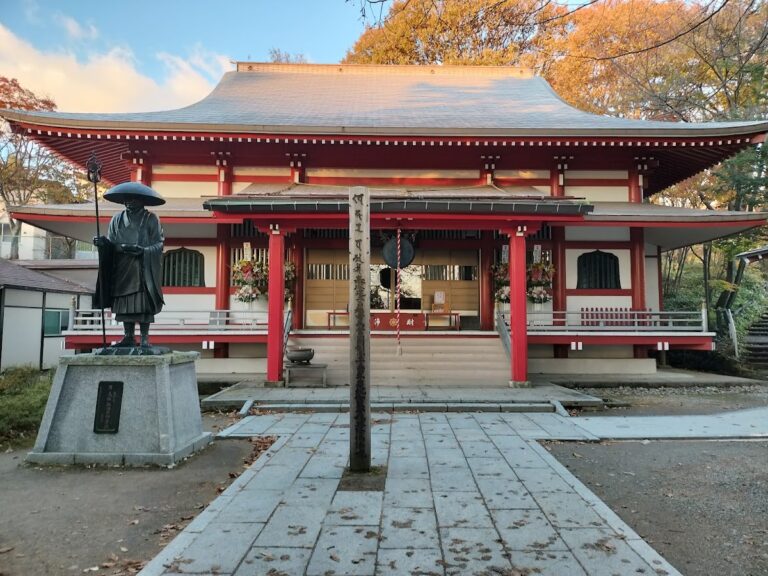
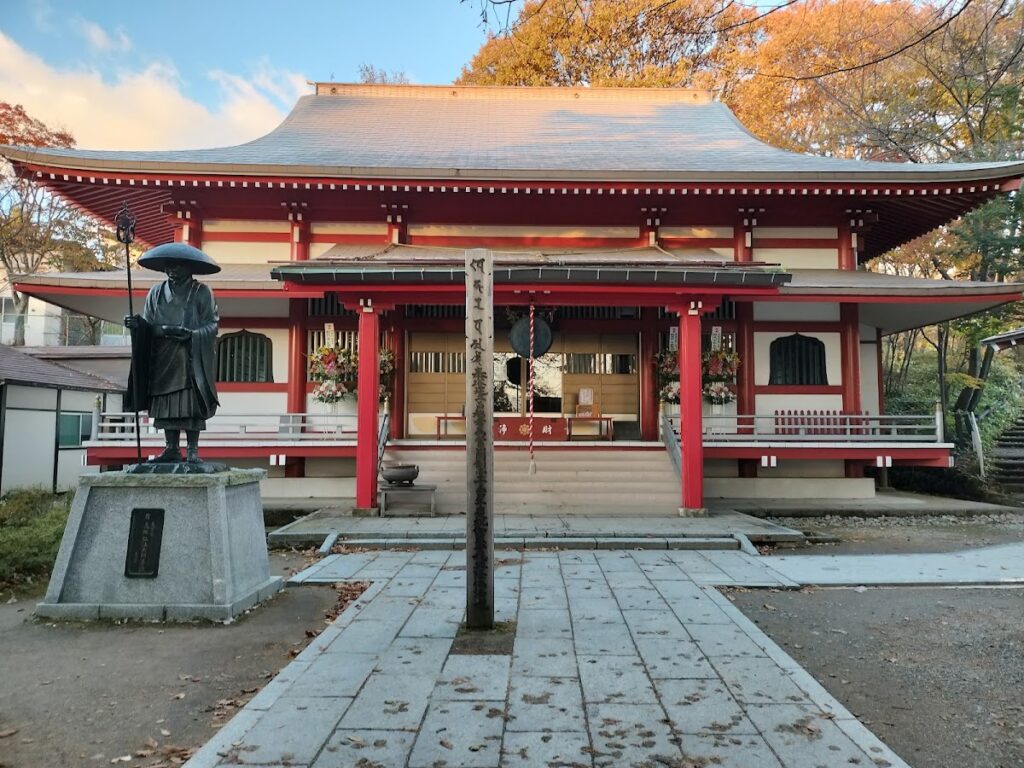
At the heart of the temple grounds is the main hall, where Dainichi Nyorai, the principal deity of Shingon Buddhism, is enshrined. The main hall has a tranquil atmosphere, providing a peaceful space for worship.
The Yakushi Hall houses Yakushi Nyorai (Medicine Buddha), and as one of Japan’s three major Yakushi temples in hot springs, it attracts a constant stream of worshippers seeking healing and good health. The unique Kusatsu style of worship—healing one’s body in the hot springs before offering prayers to Yakushi Nyorai—is still practiced today. ### Views from the Temple Grounds
Because Kosenji Temple’s grounds are located on a hill, it offers an excellent viewpoint overlooking the Kusatsu Onsen hot spring town. The steam rising from the Yubatake (hot spring field), the townscape, and the surrounding mountains display beautiful scenery in every season.
Especially in winter, the contrast between the snowscape and the steam is stunning, creating a fantastical atmosphere. It’s a popular spot for photography, attracting many tourists.
Annual Events and Ceremonies
As a Shingon Buddhist temple, Kosenji Temple holds various ceremonies and events. Regularly held Goma (fire ritual) ceremonies and other religious services attract local people and worshippers, serving as a place of faith.
Especially on the day of Yakushi Nyorai (Medicine Buddha’s festival), many worshippers visit to pray for good health and recovery from illness. Furthermore, the temple is deeply involved in local events such as the Kusatsu Onsen Thanksgiving Festival, functioning as a central hub for the hot spring town community.
Kanto Yakushi Pilgrimage Site No. 44
Kosenji Temple is designated as the 44th temple on the Kanto Yakushi Pilgrimage, and is visited by many pilgrims. The Kanto Yakushi Pilgrimage is a series of 88 temples dedicated to Yakushi Nyorai (Medicine Buddha) scattered throughout the Kanto region.
Many pilgrims visit seeking Goshuin (temple stamps), and Kosenji Temple offers carefully written Goshuin. For those visiting as part of a pilgrimage, the combination of a relaxing soak in Kusatsu Onsen and temple visit is a major attraction.
Access and Visiting Information
Location and Transportation Access
Kosenji Temple is located at 446 Kusatsu-ko, Kusatsu-machi, Agatsuma-gun, Gunma Prefecture. It is just a few minutes’ walk from the Yubatake (hot spring field) in the heart of Kusatsu Onsen, making it easy to stop by while exploring the hot spring town.
If using public transportation, take a bus from JR Naganohara-Kusatsuguchi Station for approximately 25 minutes, get off at “Kusatsu Onsen Bus Terminal,” and then walk for about 5 minutes. If you are visiting by car, it takes approximately 80 minutes from the Shibukawa-Ikaho Interchange on the Kan-Etsu Expressway, or approximately 80 minutes from the Usui-Karuizawa Interchange on the Joshin-Etsu Expressway.
There are several public parking lots in Kusatsu Onsen, from which you can walk to Kosenji Temple. However, the area around the Yubatake (hot spring field) is often crowded with tourists, so it is recommended to visit with plenty of time to spare.
Visiting Hours and Admission Fee
You can generally visit the temple grounds freely. There is no admission fee, but offerings or donations are optional. If you wish to receive a Goshuin (temple stamp), please ask at the main hall or the temple office.
There are no specific visiting hours, but it is recommended to visit during the daytime as it gets dark in the early morning and after sunset. Particular care is needed when using the stone steps.
Tourist Attractions Around Kosenji Temple
Yubatake
The Yubatake, located very close to Kosenji Temple, is a symbol of Kusatsu Onsen. The sight of approximately 4,000 liters of hot spring water gushing out every minute is breathtaking, and the area is bustling with tourists day and night. At night, it’s illuminated, creating a magical atmosphere.
Netsunoyu
Near the Yubatake (hot spring field), Netsunoyu offers a chance to witness Kusatsu’s famous “Yumomi Show.” This popular spot allows visitors to experience the culture of Kusatsu Onsen through the traditional technique of stirring and cooling the high-temperature spring water with wooden boards.
Nishinokawara Park
Located about a 15-minute walk from the Yubatake, Nishinokawara Park boasts a unique landscape where hot springs gush out from everywhere. At the back of the park is the Nishinokawara Open-Air Bath, where visitors can enjoy a relaxing soak in the open air.
Kusatsu Onsen Ski Resort
In winter, you can enjoy winter sports at the Kusatsu Onsen Ski Resort. You can create a fulfilling itinerary by enjoying skiing or snowboarding, followed by a soak in the hot springs and a visit to Kosenji Temple.
Cultural Properties and Treasures of Kosenji Temple
Kosenji Temple has preserved various cultural properties and treasures that have been donated throughout its long history. Although many were lost during the wars of the Sengoku period, valuable Buddhist statues, ancient documents, and donated items are still preserved today.
In particular, the statue of Yakushi Nyorai (Medicine Buddha) is an important Buddhist statue that has attracted worshippers as the “hot spring medicine Buddha.” Furthermore, items donated by successive samurai and literary figures remain, testifying to the depth of Kosenji Temple’s history.
The Faith and Culture of Kusatsu Onsen and Kosenji Temple
Kosenji Temple’s presence in Kusatsu Onsen holds significance beyond mere tourist attractions. During the era when hot spring therapy culture flourished, people sought not only physical healing in the hot springs but also inner peace at temples.
Kosenji Temple has functioned as a place that connects the physical healing of hot springs with the spiritual salvation of Buddhism. This culture of healing, where mind and body are one, remains a major attraction of Kusatsu Onsen even today.
Soaking in the hot springs, climbing the stone steps to visit Kosenji Temple, and offering prayers to Yakushi Nyorai (the Medicine Buddha)—this entire experience is not merely sightseeing, but a pilgrimage that purifies both mind and body.
The Role of Kosenji Temple in Modern Times
Even today, Kosenji Temple plays a vital role as a spiritual pillar of Kusatsu Onsen. It is a place of faith for the local people and a valuable location for tourists to experience the history and culture of Kusatsu.
As a temple of the Shingon-shu Buzan sect, it transmits Buddhist culture through regular services and events, cherishing its connection with the local community. Furthermore, as an important cultural heritage site that tells the history of Kusatsu Onsen, it also possesses aspects of a tourist resource.
When visiting Kusatsu Onsen, we recommend taking some time to calm your mind in the quiet grounds of Kosenji Temple, away from the hustle and bustle of the hot spring town. The view from the hilltop overlooking the Yubatake (hot spring field) will surely give you a new perspective on the charm of Kusatsu Onsen.
Summary
Kosenji Temple is a historic temple that has walked hand in hand with Kusatsu Onsen for over 1300 years since its founding by Gyoki during the Nara period. As one of Japan’s three major Yakushi temples in hot springs, and as an ancient temple of the Buzan branch of Shingon Buddhism, it continues to be a central presence in Kusatsu’s hot spring and spiritual culture.
As you climb the stone steps leading from the Yubatake (hot spring field) and look down on the Kusatsu Onsen town from the temple grounds, you will truly feel that this is a sacred place that has healed the minds and bodies of many people throughout its long history. Kosenji Temple, where you can simultaneously receive physical healing from the hot springs and spiritual peace at the temple, is a must-visit spot when you come to Kusatsu Onsen.
As the 44th temple on the Kanto Yakushi Pilgrimage and the guardian temple of Kusatsu Onsen, Kosenji Temple continues to warmly welcome many visitors today. After healing your body in the Kusatsu hot springs, why not visit Kosenji Temple and pray to Yakushi Nyorai for health and peace?