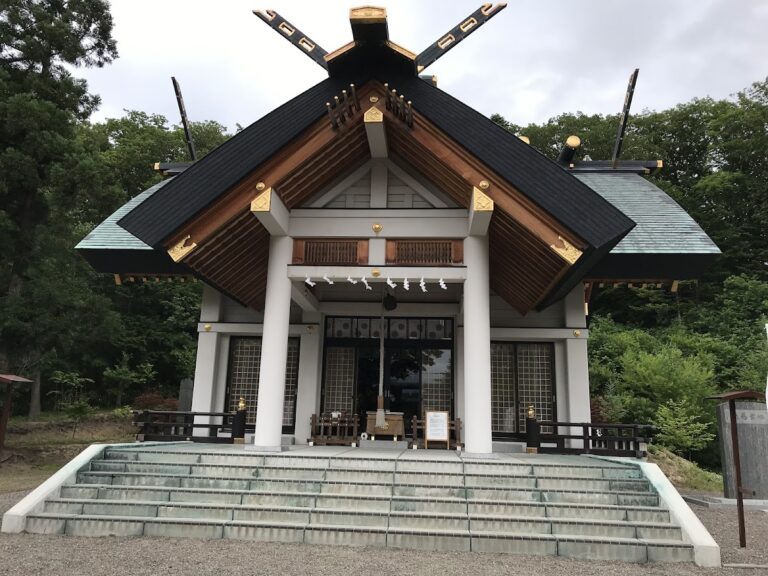
Abashiri Shrine Complete Guide: History, Deities, Access, and Highlights of Kitami Province’s Ichinomiya
Abashiri Shrine, situated on a hill in Abashiri City, Hokkaido, is a venerable shrine that attracts local devotion as the Ichinomiya (first-ranked shrine) of Kitami Province. It enshrines the Munakata Three Goddesses and is known for its divine blessings of maritime protection and happiness and longevity. This article will introduce the charm of Abashiri Shrine in its entirety, from its founding to the present day, its unique approach, valuable cultural assets, and information you should know when visiting.
What is Abashiri Shrine?: The Guardian Shrine of Abashiri City, Hokkaido
Abashiri Shrine is a shrine located in Katsura-cho, Abashiri City, Hokkaido. Its former shrine rank was Prefectural Shrine, and it is known as the Ichinomiya of Kitami Province. It is beloved by the citizens as the guardian shrine of Abashiri City and is a central shrine in the region, bustling with many worshippers during the New Year’s visit.
Located on a hill in Katsuragaoka Park, it boasts a superb location overlooking the townscape of Abashiri and the Sea of Okhotsk. Its convenient location, approximately a 15-minute walk from Abashiri Station and a 5-minute walk from Katsuradai Station on the Senmo Main Line, makes it easily accessible for tourists.
Deities Enshrined: The Munakata Three Goddesses and Amaterasu Omikami
The deities enshrined at Abashiri Shrine are the three goddesses known as the Munakata Three Goddesses:
- Ichikishima-hime no Mikoto
- Tagori-hime no Mikoto
- Tagitsu-hime no Mikoto
These deities are the same as those enshrined at Munakata Taisha Shrine in Fukuoka Prefecture and Itsukushima Shrine in Hiroshima Prefecture, and have been revered since ancient times as gods of maritime protection. At Abashiri Shrine, she is commonly known as “Benten-sama” and is revered as the guardian deity of fishing and maritime safety in Abashiri, a town facing the sea.
Furthermore, Amaterasu Omikami is also enshrined there, and in addition to blessings of good fortune and maritime safety, it is believed that one can receive divine blessings for abundant harvests and national peace.
History of Abashiri Shrine: From the Edo Period to the Present
Origin of the Shrine (Bunka 9, 1812)
The founding of Abashiri Shrine dates back to Bunka 9 (1812). It is said that a man named Fujino Shirobei, from Omi Province (present-day Shiga Prefecture), built a small temple at the mouth of the Abashiri River and enshrined a deity to protect the fishing grounds.
At that time, Abashiri was developing as a fishing base facing the Sea of Okhotsk. It is believed that Shirobei Fujino, who moved to Abashiri as a fisherman, invited the Munakata Three Goddesses, the guardian deities of the sea, to pray for the safety of fishermen and a bountiful catch.
Development in the Meiji Era and the Enshrinement of Divine Spirits
With the start of the Meiji era, the development of Abashiri intensified, and the population increased. The importance of the shrine also grew, and a significant turning point occurred in 1908 (Meiji 41).
An application was made, with Kenjiro Ishii as the representative, to receive a divided spirit from Itsukushima Shrine in Hiroshima Prefecture. This application was approved, and in July of the same year, the divided spirit was received from Itsukushima Shrine and enshrined at its current location in Abashiri in August. From this time, the three deities, Ichikishimahime-no-Mikoto, Tagorihime-no-Mikoto, and Takitsuhime-no-Mikoto, were officially enshrined as the principal deities, and the structure of Abashiri Shrine was established.
From Post-War to the Present
After the war, Abashiri Shrine served as the guardian shrine of the region, a spiritual anchor for the citizens of Abashiri. During the period of rapid economic growth, the shrine buildings were improved and the grounds expanded, resulting in its current form.
Belonging to the Hokkaido Association of Shrines, it is a central shrine within the Abashiri branch, serving as a key point in the local shrine network. Even today, many festivals are held throughout the year, and it is a beloved presence that accompanies citizens through important life events such as New Year’s visits, Shichi-Go-San (a traditional rite of passage for children), and exorcisms.
Highlights and Power Spots of Abashiri Shrine
The Shell-Paved Approach
One of the most distinctive features of Abashiri Shrine is the approach paved with seashells. Scallop shells and other shells adorn the path, creating a unique landscape not seen at other shrines.
This shell-covered approach symbolizes Abashiri’s history as a fishing town and expresses the shrine’s identity as a shrine dedicated to the god of maritime protection. The colorful seashells, in shades of white, pink, and yellow, sparkle in the sunlight, giving visitors a sense of the sea’s bounty and the protection of the gods.
Votive Ema from the Edo Period
Abashiri Shrine houses valuable votive ema (votive tablets) from the Edo period. These ema were dedicated to pray for safe voyages and abundant catches, and are valuable cultural artifacts that convey the state of fishing and religious beliefs at that time.
The ema depict ships and fishing scenes from that era, making them important historical documents for understanding Abashiri’s maritime and fishing history. However, due to their condition, these ema are usually stored inside the main hall and may not be open to the public. They are sometimes displayed on special occasions, so those interested are advised to inquire in advance.
View from the Hilltop
From the hilltop of Katsuragaoka Park, where Abashiri Shrine is located, you can enjoy a panoramic view of Abashiri city and the Sea of Okhotsk. On clear days, you can even see the Shiretoko mountain range, enjoying the magnificent scenery unique to Hokkaido. Especially at dusk, the sunset over the Sea of Okhotsk is beautiful, and the shrine is known as a power spot. After visiting the shrine, gazing at the view from the grounds will leave you feeling refreshed and cleansed.
Atmosphere of the Shrine and Grounds
The shrine buildings of Abashiri Shrine are sturdily constructed to suit Hokkaido’s climate. Both the main hall and the worship hall are meticulously maintained, allowing for a tranquil atmosphere during worship.
The grounds are equipped with a purification fountain and a shrine office, creating a comfortable environment for visitors. Especially during the New Year’s period and the annual festival, the shrine is bustling with many worshippers, playing a central role in the local community.
How to Access Abashiri Shrine
Location
Address: 2-1-1 Katsura-cho, Abashiri City, Hokkaido
Abashiri Shrine is located on a hill in Katsura-cho, a short distance from the center of Abashiri City. Since it is located within Katsuragaoka Park, it is easy to find by following the park’s signs.
Access by Train
From JR Abashiri Station:
- Approximately 15-25 minutes on foot
- Exit the station and head southwest, then walk up the hill to reach your destination.
From JR Senmo Main Line Katsuradai Station:
- Approximately 5 minutes on foot
- This is the nearest station and the easiest route to access.
If using the train, Katsuradai Station is the most convenient. However, Katsuradai Station is a small station with limited train service, so it is recommended to check the timetable in advance.
Access by Car
From Memanbetsu Airport:
- Approximately 30 minutes by car
- Proceed along National Route 39 towards Abashiri.
From Abashiri City Center:
- Approximately 5 minutes by car
- Parking is available.
During winter, roads may freeze, so please use snow tires and drive safely.
Access by Bus
There is a bus route that circulates within Abashiri city, and you can get off at a bus stop near the shrine. However, since the number of buses is limited, it is recommended to check the Abashiri Bus timetable in advance.
Etiquette for Visiting and Information on Goshuin (Shrine Seals)
Basic Etiquette for Visiting Shrines
When visiting Abashiri Shrine, please observe the following basic etiquette:
- Bow before passing through the torii gate: Show respect to the sacred area before entering the grounds.
- Purify yourself at the water basin: Purify your left hand, right hand, and mouth in that order.
- Avoid walking in the center of the path: The center is considered the path of the gods.
- Bow twice, clap twice, and bow once in front of the main hall: This is the basic etiquette for visiting a shrine.
About Goshuin (Shrine Seals)
You can receive a goshuin at Abashiri Shrine. Visit during the hours the shrine office is open, bring your goshuin book, or receive a pre-written goshuin.
The goshuin will have the Abashiri Shrine seal stamped on it, making it a memento of your visit. For those collecting Goshuin (temple/shrine stamps), the Goshuin from Kitami Province’s Ichinomiya (first-ranked shrine) will be a valuable item.
Goshuin Reception Hours: According to the shrine office’s opening hours (usually 9:00 AM to 5:00 PM, however, prior confirmation is recommended as staff may be absent).
Amulets and Souvenirs
Abashiri Shrine offers various amulets and talismans. There are amulets for various wishes, such as maritime safety, traffic safety, academic success, and family safety.
The maritime protection amulet is particularly popular among those involved in fishing and sailing. Many tourists also seek travel safety amulets as a memento of their visit to Abashiri.
Annual Events at Abashiri Shrine
Abashiri Shrine holds various festivals throughout the year. Here are some of the main annual events.
New Year’s Visit (January 1st-3rd)
Many worshippers from both within and outside Abashiri visit the shrine for New Year’s Day. From early morning on New Year’s Day, the shrine grounds are bustling with worshippers praying for good health and safety for their families throughout the year.
During the New Year’s visit period, there are often offerings of amazake (sweet rice wine) and food stalls, creating a festive New Year’s atmosphere.
Annual Grand Festival (July)
The most important festival at Abashiri Shrine is the Annual Grand Festival. Held every July, it features traditional Shinto rituals such as a portable shrine procession and the dedication of kagura (sacred dance).
The Annual Grand Festival, in which all local residents participate, is a summer tradition in Abashiri and an event that showcases the strong connection between the shrine and the local community.
Shichi-Go-San (November)
In autumn, Shichi-Go-San visits take place. Shichi-Go-San, a celebration of children’s healthy growth, is an important milestone in a family’s life. At Abashiri Shrine, you can receive a respectful prayer service.
Other Events
- Setsubun Festival (February): Events such as bean-throwing
- Spring and Autumn Festivals: Seasonal thanksgiving festivals
- Great Purification Ceremony (June and December): A Shinto ritual to purify sins and impurities every six months
For specific dates and details, we recommend checking the Hokkaido Shrine Association website or contacting Abashiri Shrine directly.
Places to Visit Alongside Nearby Tourist Attractions
When visiting Abashiri Shrine, exploring nearby tourist attractions will allow you to experience the charm of Abashiri more deeply.
Katsuragaoka Park
Katsuragaoka Park, where Abashiri Shrine is located, is a famous spot for cherry blossom viewing in spring. Walking paths are also maintained within the park, making it a pleasant place for a stroll.
Abashiri Prison Museum
The Abashiri Prison Museum, a representative tourist attraction of Abashiri, is located about 10 minutes by car from the shrine. It preserves and displays Meiji-era prison architecture, allowing visitors to learn about the history of Abashiri.
Okhotsk Drift Ice Museum
This facility allows you to experience the drift ice of the Sea of Okhotsk all year round, giving you a real sense of the harshness and beauty of Abashiri’s nature. It’s about a 15-minute drive from the shrine.
Notoro Cape
From Notoro Cape, with its towering cliffs, you can enjoy a magnificent panoramic view of the Sea of Okhotsk. It’s especially known as a spot with beautiful sunsets.
Lake Abashiri
Lake Abashiri, located south of Abashiri City, offers activities such as smelt fishing and cycling. There are also hot spring facilities on the lakeshore where you can relax and unwind after sightseeing.
Points to Note and Manners When Visiting Abashiri Shrine
Regarding Clothing
While no special attire is required for visiting the shrine, it is considered good manners to avoid overly revealing or flashy clothing. Especially if you are receiving prayers, somewhat formal attire is desirable.
Visiting in Winter
Abashiri experiences severe cold and heavy snowfall in winter. When visiting in winter, it is recommended to take thorough precautions against the cold and wear non-slip shoes. The approach to the shrine and the shrine grounds can be slippery due to snow and ice, so caution is necessary.
Regarding Photography
Photography is generally permitted on the shrine grounds, but it is considered good manners to refrain from taking pictures inside the main hall or during Shinto rituals. Also, please be considerate of other visitors.
Regarding Pets
Since shrines are sacred places, it is recommended to check in advance regarding bringing pets. Generally, pets are often restricted from entering shrine grounds.
Abashiri Shrine and Hokkaido’s Shrine Culture
Position as the Ichinomiya of Kitami Province
Abashiri Shrine is known as the “Ichinomiya of Kitami Province.” Ichinomiya is a title indicating the most prestigious shrine in a region.
Kitami Province was one of the old provincial names established in Hokkaido in the early Meiji era, corresponding to the current Okhotsk General Subprefectural Bureau area. This administrative division existed from 1869 (Meiji 2) to 1882 (Meiji 15), and Abashiri Shrine was positioned as the Ichinomiya (first-ranked shrine) of that region.
Characteristics of Shrines in Hokkaido
Shrines in Hokkaido have characteristics that differ from the ancient shrines of Honshu. Many were founded during the pioneering period after the Meiji Restoration, and therefore have a strong character of praying for the protection of pioneers and success in their new lands.
Abashiri Shrine was also founded to pray for the safety and abundant catches of fishing pioneers, and is closely linked to the history of Hokkaido’s development. By enshrining a god of maritime protection, it has provided spiritual support to people facing the harsh natural environment of the Sea of Okhotsk.
Relationship with the Hokkaido Association of Shrines
Abashiri Shrine belongs to the Hokkaido Association of Shrines and functions as the central shrine of the Abashiri branch. The Hokkaido Association of Shrines is an organization that oversees shrines throughout Hokkaido, providing support for shrine management, training of Shinto priests, and performing Shinto rituals.
The Abashiri branch includes shrines in Abashiri City and neighboring towns such as Oozora, Bihoro, and Tsubetsu, making it a key part of the regional shrine network.
History of Abashiri and its Relationship to Shrines
Origin of the Name Abashiri
The name “Abashiri” is believed to originate from the Ainu words “Chipashiri” (we found land) or “Apashiri” (we found place). Due to its geographical location at the mouth of the Abashiri River, it has long been a gathering place for people.
Fishing and Shrine Worship
From the late Edo period to the Meiji era, Abashiri developed as a base for herring, salmon, and trout fishing. With the rich fishing grounds of the Sea of Okhotsk as a backdrop, many people involved in fishing gathered, and fishing communities were formed.
The founding of Abashiri Shrine by Fujino Shirobei also occurred during this period of fishing development, reflecting the need for a place to pray for maritime safety and abundant catches. By enshrining the Munakata Three Goddesses, deities of the sea, the shrine became a spiritual haven for those engaged in dangerous work at sea.
The Role of Shrines in Abashiri During the Pioneer Era
During the Meiji era’s development of Hokkaido, shrines played a role far beyond mere religious institutions. They served as centers of local communities, places where people gathered, exchanged information, and fostered a sense of community.
Abashiri Shrine also played a crucial role as a spiritual pillar for the pioneers and as a focal point of the local community. Festivals such as the annual grand festival were among the few forms of entertainment amidst the harsh pioneering life, providing opportunities to deepen bonds among people.
Summary: The Charm and Value of Visiting Abashiri Shrine
Abashiri Shrine is a venerable shrine with over 200 years of history, serving as the guardian shrine of Abashiri City, Hokkaido. It enshrines the Munakata Three Goddesses and is known for its divine blessings of maritime protection and happiness and longevity.
It boasts numerous attractions, including a unique approach paved with seashells, Edo-period votive ema (votive tablets), and panoramic views from its elevated position. While possessing the prestige of being the Ichinomiya (first-ranked shrine) of Kitami Province, Abashiri Shrine also boasts a friendly and approachable atmosphere deeply rooted in the local community.
When visiting Abashiri, be sure to stop by Abashiri Shrine and experience its history as a shrine that has watched over the Sea of Okhotsk for generations, and the faith of the local people. Visiting during the New Year’s pilgrimage or the annual festival will allow you to feel the connection between the shrine and the community even more strongly.
Easily accessible from Abashiri Station and Katsuradai Station, the surrounding area offers plenty of tourist attractions, including the Abashiri Prison Museum and the Okhotsk Drift Ice Museum. We recommend visiting Abashiri Shrine as part of your Abashiri sightseeing and as an opportunity to learn about Hokkaido’s shrine culture.