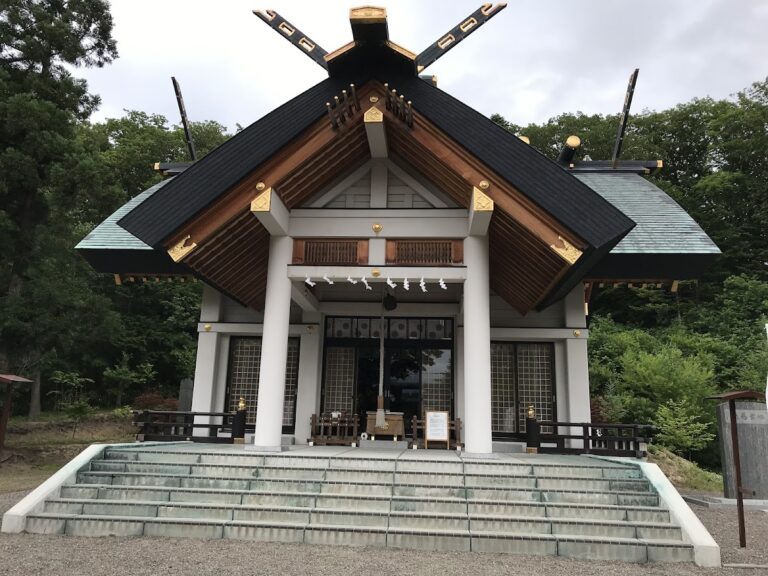
Complete Guide to Koshimizu Shrine (Koshimizu-cho, Shari-gun, Hokkaido) | History, Goshuin (Shrine Seal), and Access Information
Located at 1-51-1 Motomachi, Koshimizu-cho, Shari-gun, Hokkaido, Koshimizu Shrine is a historic shrine that has been revered by the local people since the pioneering era. Situated in the heart of Koshimizu-cho, facing the Sea of Okhotsk, it remains a spiritual pillar of the community as a former village shrine, enshrining Amaterasu Omikami and Amenominakanushi-no-kami as its principal deities.
This article provides detailed information useful for visitors, including the history of Koshimizu Shrine, its enshrined deities, annual events such as the Grand Festival, Goshuin information, and access methods.
Basic Information about Koshimizu Shrine
Location: 1-51-1 Motomachi, Koshimizu-cho, Shari-gun, Hokkaido
Phone Number: 0152-62-2607
Former Shrine Rank: Village Shrine
Deities Enshrined: Amaterasu Omikami, Amenominakanushi no Kami
Annual Festival Date: August 28th
Affiliation: Hokkaido Shrine Association
Koshimizu Shrine is one of the shrines in Hokkaido that retains a strong history from the pioneering era. Located in the heart of the town, it maintains a tranquil atmosphere and is cherished as a spiritual center for local residents.
History and Origins of Koshimizu Shrine
Founding in the Pioneering Era
The founding of Koshimizu Shrine dates back to the pioneering era of Hokkaido. During the Meiji era, many pioneers from Honshu settled in Koshimizu, beginning a new life in a harsh natural environment. The pioneers built a shrine as a source of spiritual support, praying for abundant harvests, successful development, and the safety of their families.
Koshimizu Town, located on the coast of the Sea of Okhotsk, has developed with agriculture and fishing as its core industries. This region, particularly known for the Koshimizu Wildflower Garden, is blessed with abundant nature, but also faced the challenges of harsh winters and the difficulties of land reclamation. In this environment, Koshimizu Shrine played a crucial role as a spiritual anchor for the pioneers.
Promotion to Village Shrine and Regional Development
Koshimizu Shrine was elevated to the status of a village shrine as the region developed. A village shrine was one of the shrine rankings under the old shrine ranking system, given to shrines deeply rooted in the local community as the guardian shrine of the village.
Promotion to village shrine signifies that Koshimizu Shrine grew from a mere private place of worship for the pioneers to a publicly recognized central religious institution in the region. From this period onward, shrines became central to local festivals and annual events, and also played a role in strengthening community bonds.
From the Post-War Period to the Present
After the war, the shrine ranking system was abolished due to reforms in the shrine system, but Koshimizu Shrine still preserves its historical position as a “former village shrine.” Even today, Koshimizu Shrine belongs to the Hokkaido Shrine Association and continues to protect local traditions and culture.
In recent years, with the growing popularity of collecting Goshuin (shrine stamps), the number of visitors from outside the town has also increased. For tourists visiting Koshimizu Town, it has become an important spot where they can experience the region’s history and culture.
About the Deities Enshrined
Koshimizu Shrine enshrines two deities.
Amaterasu Omikami
Amaterasu Omikami is the supreme deity in Japanese mythology, a goddess who personifies the sun. She is considered the ancestral deity of the Imperial family and is also known for being enshrined in the Inner Shrine of Ise Grand Shrine. Amaterasu-ōmikami is considered the goddess who brings the blessings of the sun, the source of life, and is believed to bestow blessings such as abundant harvests, national peace and security, and good fortune. In the pioneering settlements of Hokkaido, the faith in Amaterasu-ōmikami, the sun goddess, held particular significance for the pioneers praying for agricultural success.
Amenominakanushi-no-kami
Amenominakanushi-no-kami is considered one of the three gods (the three creation gods) who first appeared at the creation of heaven and earth in the Kojiki (Records of Ancient Matters). He is revered as the god who resides at the center of the universe and governs the origin of all things.
Amenominakanushi-no-kami is believed to bestow blessings such as good fortune, protection from evil, protection from negative influences, and matchmaking. For pioneers opening up new lands, he was worshipped as an object of prayer for success and safety in their new lives.
This combination of two enshrined deities is relatively common in Hokkaido shrines, and it embodies the hopes and dreams of people embarking on the new challenge of pioneering.
Annual Festival and Regular Events
Annual Festival (August 28th)
The annual festival of Koshimizu Shrine is held every year on August 28th. The annual festival is the most important festival for the shrine, and the most grand day of the year to worship the gods.
At the Koshimizu Shrine annual festival, solemn Shinto rituals are performed, and sometimes a portable shrine procession and offering ceremonies take place. It is an important annual event in Koshimizu town, where local residents gather to express gratitude to the gods and pray for the prosperity of the community.
During the annual festival, food stalls and fair games are sometimes set up, making it a local festival that can be enjoyed by people of all ages. For those who want to experience the atmosphere of a traditional festival, visiting during this time is recommended.
Other Annual Events
Besides the annual grand festival, Koshimizu Shrine holds other annual events commonly observed at shrines in Hokkaido, such as the New Year’s Day festival, the Setsubun festival, and the autumn festival. These events express gratitude to the gods as the seasons change and pray for the peace and prosperity of the region.
In particular, shrines in Hokkaido tend to place importance on events that express gratitude for the arrival of spring after enduring the harsh winter and for the blessings of the short summer.
About Goshuin (Shrine Seals)
Issuance of Goshuin
At Koshimizu Shrine, you can receive a goshuin. A goshuin is a seal and calligraphy given by a shrine as proof of worship, and in recent years, goshuin pilgrimages have become popular.
At Koshimizu Shrine, goshuin are often handwritten. The simple yet dignified goshuin, bearing the shrine’s name, date of visit, and shrine seal, will be a wonderful memento of your visit.
Points to Note When Receiving a Goshuin (Shrine/Temple Seal)
When receiving a Goshuin, please note the following:
- Prior Visit: A Goshuin is proof of your visit, so be sure to visit the shrine office beforehand.
- Reception Hours: It is important to visit within the reception hours of the shrine office. In the case of Koshimizu Shrine, there are times when staff are not always present, so if you want to be sure to receive a Goshuin, it is recommended to call ahead to confirm.
- Preparation of Offering: It is best to prepare the offering for the Goshuin (usually around 300-500 yen) so that you do not need change.
- Preparation of Goshuincho (Shrine Seal Book): It is customary to receive Goshuin in a Goshuincho. If you do not yet have a Goshuincho, you may be able to purchase one at the shrine.
Possibility of Receiving a Goshuin
Some information websites state that the possibility of receiving a Goshuin at Koshimizu Shrine is about 50%. This indicates that there are times when a Shinto priest is not permanently stationed at the shrine. If you definitely want to receive a Goshuin (shrine stamp), we strongly recommend contacting them by phone (0152-62-2607) in advance.
Highlights of the Shrine Grounds
Shrine Building
The shrine building of Koshimizu Shrine is a wooden structure characteristic of Hokkaido’s shrine architecture. Designed to withstand the harsh climate, the building exudes a simple yet solemn atmosphere.
As you walk along the path in front of the shrine, you will be enveloped in refreshing air and feel a sense of calm. Especially during early morning visits, you can experience a sacred atmosphere in silence.
Atmosphere of the Shrine Grounds
Despite being located in the heart of town, the grounds of Koshimizu Shrine are a quiet space surrounded by trees. You can enjoy the scenery of the four seasons in Hokkaido’s unique natural environment.
The shrine grounds, which display different expressions with each season—fresh greenery in spring, lush trees in summer, vibrant autumn leaves, and snowscapes in winter—offer a fresh and moving experience no matter how many times you visit.
Surrounding Natural Environment
Koshimizu Town is a naturally rich area known for the Koshimizu Wildflower Garden. Nestled between the Sea of Okhotsk and Lake Tofutsu, the wildflower garden boasts approximately 40 varieties of flowers, including Ezo lilies, Japanese roses, and black lilies, blooming from June to August.
By visiting the Koshimizu Wildflower Garden after paying your respects at Koshimizu Shrine, you can experience both the magnificent nature of Hokkaido and the history and culture of the region.
Access Information
Location
Address: 1-51-1 Motomachi, Koshimizu-cho, Shari-gun, Hokkaido 099-3642, Japan
Access by Public Transportation
To visit Koshimizu Shrine by public transportation, please use the following methods:
Nearest Bus Stop: Shimomachi 2-ku Bus Stop (Abashiri Bus)
Distance from Bus Stop: Approximately 6-7 minutes on foot (approximately 469m)
Nearest Train Station: Hamakoshimizu Station (JR Senmo Main Line)
Distance from Station: Approximately 2 hours 30 minutes on foot (approximately 7.2km)
Due to the distance from Hamakoshimizu Station, walking is not practical. If you are coming from the station, we recommend taking a taxi.
Access by Car
Visiting by car is the most convenient option:
- From Memanbetsu Airport: Approximately 40 minutes (via National Route 39 and National Route 244)
- From Abashiri City: Approximately 30 minutes (via National Route 244)
- From Shiretoko: Approximately 1 hour (via National Route 244 and National Route 334)
Koshimizu Town is located along National Route 244, making it easily accessible from major roads along the Okhotsk Sea coast.
Parking
Parking is likely available around the shrine, but it is recommended to check in advance for details. Congestion is expected during events such as the annual festival, so please allow ample time for your visit.
About Koshimizu Town
Overview of Koshimizu Town
Koshimizu Town is a town located in Shari District, under the jurisdiction of the Okhotsk General Subprefectural Bureau of Hokkaido. The town has a population of approximately 4,000 (as of 2024), with agriculture and fishing being its main industries.
A characteristic of this town, facing the Sea of Okhotsk, is that it is known as an area where drift ice reaches the shore. In winter, visitors can enjoy drift ice sightseeing, and in summer, they can enjoy the flowers of the native flower gardens, making it a place where you can experience the nature characteristic of Hokkaido throughout the four seasons.
Local Products of Koshimizu Town
Koshimizu Town is known for its thriving field crop agriculture, including potatoes, wheat, and sugar beets. “Koshimizu potatoes,” in particular, are highly regarded for their quality. The town also boasts an abundance of seafood from the Sea of Okhotsk, allowing visitors to enjoy fresh seafood such as scallops and crabs.
Koshimizu Native Flower Garden
The Koshimizu Native Flower Garden, a representative tourist spot in Koshimizu Town, is a native flower garden formed on a long, narrow sandbar approximately 8 km long, stretching between the Sea of Okhotsk and Lake Tofutsu.
From June to August, approximately 40 varieties of flowers, including Ezo lilies, Japanese roses, Ezo daylilies, and black lilies, bloom in succession, creating a colorful carpet of blossoms. It is accessible from the JR Senmo Main Line’s Gensho-kaen Station (open only in summer), and attracts many tourists.
Manners and Etiquette for Visiting a Shrine
When visiting a shrine, observing basic etiquette will allow for a more heartfelt visit.
How to Pass Through a Torii Gate
The torii gate is the entrance to the sacred area. Before passing through the torii gate, bow to show respect for entering the sacred area. Since the center of the path is considered the path of the gods, it is considered polite to walk along the side.
Proper Ritual of Washing Hands
If there is a washbasin, purify your body and mind using the following steps:
- Take the ladle with your right hand and wash your left hand.
- Switch the ladle to your left hand and wash your right hand.
- Take the ladle back into your right hand, receive water in your left hand, and rinse your mouth.
- Wash your left hand once more.
- Hold the ladle upright and pour water over the handle to purify it.
- Return the ladle to its original position.
Proper Ritual of Worship at the Main Hall
The basic ritual in front of the main hall is “two bows, two claps, one bow”:
- Place your offering in the offering box.
- If there is a bell, ring it.
- Bow deeply twice.
- Clap your hands twice at chest height.
- Pray with your hands clasped together.
- Finally, bow deeply once.
Mindset When Worshiping
Worshiping a shrine is an act of expressing gratitude and respect to the gods. When expressing gratitude or making a wish, approach it with humility. It’s also important to be quiet within the shrine grounds and be considerate of other visitors.
Koshimizu Shrine and the Hokkaido Association of Shinto Shrines
Koshimizu Shrine belongs to the Hokkaido Association of Shinto Shrines. The Hokkaido Association of Shinto Shrines is a religious corporation that encompasses shrines throughout Hokkaido, acting as a regional branch of the Association of Shinto Shrines, overseeing approximately 600 shrines in the prefecture.
The Hokkaido Association of Shinto Shrines plays a crucial role in the preservation and development of Shinto culture in Hokkaido, including supporting shrine operations, training Shinto priests, promoting the basics of Shinto rituals (teachings and customs), and preserving Gagaku (ancient Japanese court music).
As a member of the Hokkaido Association of Shinto Shrines, Koshimizu Shrine is committed to preserving local traditional culture and passing on the spirit of Shinto to future generations.
Nearby Tourist Attractions
Here are some nearby tourist attractions you might want to visit when you come to Koshimizu Shrine.
Koshimizu Wildflower Garden
As mentioned above, this is a representative tourist attraction of Koshimizu Town. Located about 15 minutes by car from the shrine, this area is adorned with colorful flowers in the summer.
Lake Tofutsu
Lake Tofutsu, a Ramsar Convention-registered wetland, is known as a stopover point for migratory birds. Many waterfowl migrate here in spring and autumn, making it a popular birdwatching spot.
Koshimizu Town Local History Museum
This facility allows visitors to learn about the history and culture of Koshimizu Town. It features exhibits on the pioneering era and the local natural environment, providing a deeper understanding of the historical background of Koshimizu Shrine.
Abashiri City
Abashiri City, about 30 minutes by car from Koshimizu Town, boasts many tourist attractions, including the Abashiri Prison Museum, the Okhotsk Drift Ice Museum, and Lake Abashiri. Visitors can enjoy sightseeing in the Okhotsk region in conjunction with a visit to Koshimizu Shrine.
Summary
Koshimizu Shrine is a historical shrine located in Koshimizu Town, Shari District, Hokkaido. Since the pioneering days, this former village shrine has attracted the faith of the local people and continues to be a spiritual pillar of the community, enshrining Amaterasu Omikami and Amenominakanushi-no-kami as its principal deities.
The annual grand festival, held on August 28th each year, is an important local event that attracts many people. Goshuin (stamped seals) are also available, making it a worthwhile shrine visit for those touring shrines in Hokkaido.
Koshimizu Town is blessed with abundant nature, including the Koshimizu Wildflower Garden. Along with visiting the shrine, you can enjoy the magnificent scenery of the Sea of Okhotsk and seasonal flowers.
When visiting Hokkaido, be sure to visit Koshimizu Shrine and experience the history of pioneering and the local culture. Calming your mind in the tranquil grounds and experiencing this place of faith rooted in the land of Hokkaido will surely deepen your travel memories.