Anraku-ji Temple (Kamigyo-ku, Kyoto Prefecture) Complete Guide: The Legend of Matsumushi and Suzumushi and the Charm of Special Viewings
Anraku-ji Temple, located in Shishigatani Goshonodan-cho, Sakyo-ku, Kyoto City, is a temple with a mystical atmosphere, situated close to the Philosopher’s Path, yet usually closed to the public. Founded in the early Kamakura period by Jurenbo and Anrakubo, disciples of Honen Shonin, this temple is associated with the tragic story of Matsumushi-hime and Suzumushi-hime, favorite concubines of Emperor Go-Toba.
This article comprehensively covers everything you need to know before visiting Anraku-ji Temple, from its historical background to details of special viewings, seasonal highlights, and access information.
History and Origins of Anraku-ji Temple
Founded in the Early Kamakura Period
The official name of Anraku-ji Temple is “Jurenzan Anraku-ji,” and it remains an independent temple of the Jodo sect to this day. Its origins date back to the early Kamakura period, around Ken’ei 1 (1206). Two monks, Jūrenbō and Anrakubō, who were senior disciples of Hōnen Shōnin, established a Nembutsu (recitation of Amida Buddha’s name) training hall approximately one kilometer east of the present location. At this hall, they spread the teachings of exclusive Nembutsu practice and encouraged many people to practice it. The two monks faithfully followed Hōnen Shōnin’s teachings and traveled around preaching salvation through Nembutsu.
The Tragedy of Princess Matsumushi and Princess Suzumushi
The story of Princess Matsumushi and Princess Suzumushi is indispensable to understanding the history of Anrakuji Temple. These two women were court ladies favored by Emperor Go-Toba.
One day, Princess Matsumushi and Princess Suzumushi had the opportunity to hear a sermon by Jūren and Anrakubō. Deeply moved by their profound teachings, the two decided to leave the secular world and become nuns. However, this event incurred the fierce wrath of Emperor Go-Toba.
The retired emperor, enraged by the loss of his beloved princesses, sentenced the two monks, Juren and Anraku, to death. This is known as the “Ken’ei Persecution,” which occurred in 1207. This incident was a major ordeal for the Jodo sect, resulting in the exile of Honen Shonin himself to Sanuki Province (present-day Kagawa Prefecture).
Restoration in the Edo Period
After the martyrdom of the two monks, the Nembutsu training hall fell into disrepair. However, in 1681, it was restored at its current location by monks from Chion-in Temple in Kyoto to commemorate Juren and Anraku. This is the direct origin of the present-day Anraku-ji Temple.
The restored Anraku-ji Temple quietly continues to fulfill its mission as a temple that commemorates the virtues of the two monks and transmits the spirit of exclusive Nembutsu practice.
Anrakuji Temple Grounds and Highlights
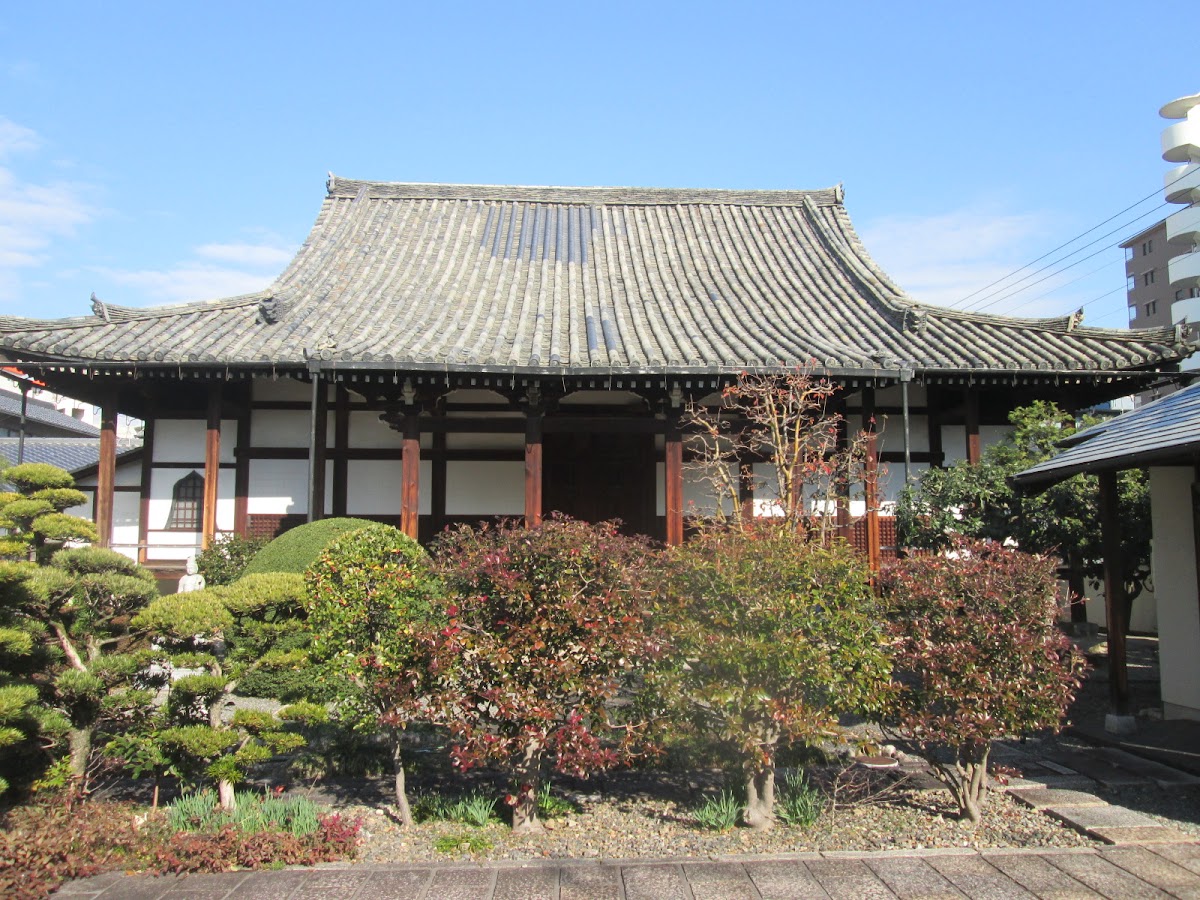
Main Hall and Principal Image
The main hall of Anrakuji Temple houses an image of Amida Buddha as its principal image. This Amida Buddha statue embodies the compassion of Amida Buddha, the central teaching of the Jodo sect.
The interior of the main hall is usually closed to the public, but it can be viewed during special viewing periods. Inside the hall are the memorial tablets of the two monks, Juren and Anraku, as well as Princess Matsumushi and Princess Suzumushi, preserving their story to this day.
Beautiful Garden
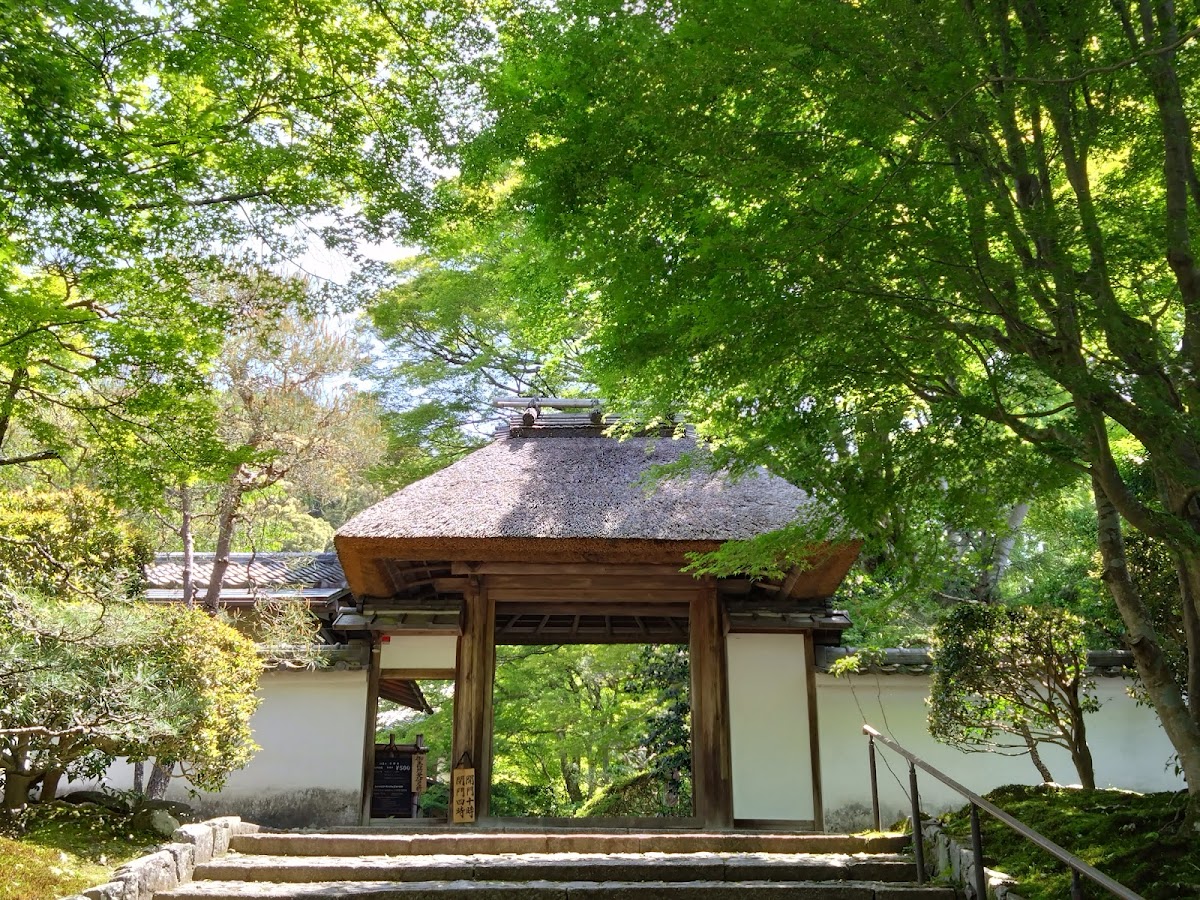
The garden of Anrakuji Temple is a beautiful space that displays different expressions with each season. Located along a “hidden path” one street uphill from the Philosopher’s Path, you can enjoy the garden’s beauty in a tranquil environment.
The garden is planted with various trees and flowers, and the cherry blossoms in spring, the azaleas and rhododendrons in early summer, and the autumn leaves are particularly magnificent. The garden’s design exudes a unique atmosphere, blending Zen-like tranquility with the Jodo sect’s yearning for the Pure Land.
Shoin (Study Hall) and Tea Room
During special viewing periods, the Shoin is also open to the public. From the Shoin, you can enjoy a panoramic view of the garden and admire the scenery of the four seasons from the tatami room.
The Shoin sometimes displays historical calligraphy, paintings, and temple treasures, providing an opportunity to deeply understand the history and culture of Anraku-ji Temple.
Seasonal Special Viewings
Anraku-ji Temple is usually closed to the public, but special viewings are held several times a year to coincide with the peak blooming seasons of the flowers. During these periods, general tourists can enter the temple grounds.
Spring Special Opening (Cherry Blossoms and Azaleas)
Period: April to May
In spring, Anraku-ji Temple is a magnificent sight with the interplay of cherry blossoms, azaleas, and rhododendrons. From early to mid-April, the cherry blossoms on the temple grounds are in full bloom, and the pale pink flowers color the garden. Many tourists visit Anraku-ji Temple in conjunction with the cherry blossom trees along the Philosopher’s Path, making it one of Kyoto’s representative spring landscapes.
From late April to May, azaleas and rhododendrons are in full bloom. The azaleas, in a variety of colors including red, pink, and white, bloom profusely, creating a beautiful contrast with the fresh green foliage.
During the special spring opening period, the main hall, study hall, and garden are open to the public, and an exhibition is held that tells the story of the two monks, Juren and Anraku, and the princesses Matsumushi and Suzumushi.
Special Autumn Opening (Autumn Leaves)
Dates: Late November to Early December
Anraku-ji Temple is known as a famous spot for autumn leaves. In late November, the maple and other trees on the temple grounds turn vivid colors, and the entire garden is dyed in red and yellow.
The area around the Philosopher’s Path is one of Kyoto’s most famous autumn foliage spots, but Anraku-ji Temple is located a little away from the hustle and bustle of tourists, allowing visitors to enjoy the autumn colors in a relatively peaceful setting. The autumn foliage garden viewed from the study hall is particularly breathtaking, like a painting.
During the special autumn opening period, the main hall, study hall, and garden are open to the public, just like in spring. The beauty of the autumn leaves, combined with the historical background, makes this a deeply moving time to visit.
Pumpkin Memorial Service
Every year on July 25th, Anraku-ji Temple holds a unique event called the “Pumpkin Memorial Service.” This is a folk belief based on the idea that eating pumpkins during the summer’s Doyo period (a period of intense heat) can prevent illnesses such as strokes.
On the day of the Pumpkin Memorial Service, pumpkins are cooked on the temple grounds and served to visitors. The temple grounds are specially opened to the public on this day, attracting many visitors. It is a beloved summer tradition in Kyoto, enjoyed by locals.
Visiting Information
Basic Information
- Official Name: Jurenzan Anrakuji Temple
- Address: 21 Goshonodan-cho, Shishigatani, Sakyo-ku, Kyoto City, Kyoto 606-8422
- Phone Number: 075-771-5360
- Mountain Name: Jurenzan
- Sect: Independent Jodo Sect
- Principal Image: Amida Buddha
- Year of Founding: Early Kamakura period (Rebuilt: 1681)
- Founder: Jurenbo, Anrakubo
Visiting Hours and Admission Fee
Normal: Not open to the public
Special Opening Period:
- Spring (April-May): Open only on Saturdays, Sundays, and national holidays
- Autumn (Late November-Early December): Open only on Saturdays, Sundays, and national holidays
- Pumpkin Memorial Service (July 25th): Open to the public
- Hours: 9:30 AM – 4:30 PM (Last entry 4:00 PM)
Admission Fee:
- Adults: 500 yen
- Junior high school students and younger: Free
*Please note that the dates for special openings may vary from year to year. We recommend checking the official website or calling in advance.
Access Methods
Access by Train and Bus
- Using Kyoto City Bus
- From JR Kyoto Station: Take City Bus Route 5 bound for “Iwakura Depot,” get off at “Shinnyodo-mae” or “Kinrin Depot,” and walk for approximately 15 minutes.
- From Shijo Kawaramachi: Take City Bus Route 203 bound for “Gion/Kinrin Depot,” get off at “Shinnyodo-mae,” and walk for approximately 15 minutes.
- Using Keihan Railway
- Get off at “Demachiyanagi” Station and walk for approximately 25 minutes.
- Using the Subway
- Get off at “Keage” Station on the Tozai Subway Line and walk for approximately 20 minutes.
Access on Foot
We recommend visiting while strolling along the Philosopher’s Path. Heading south along the Philosopher’s Path from the direction of Ginkaku-ji Temple, take the small path that branches off towards the mountain (east side) to reach Anraku-ji Temple. This small path, known as the “Hidden Path,” offers a quiet atmosphere with fewer tourists.
Access by Car
Anrakuji Temple does not have its own parking lot. Parking is difficult in the surrounding residential area, so we strongly recommend using public transportation.
Nearby Tourist Attractions
When visiting Anrakuji Temple, we recommend visiting nearby tourist attractions as well.
Philosopher’s Path
The “Philosopher’s Path,” located a short walk from Anrakuji Temple, is one of Kyoto’s most famous walking paths. This approximately 2-kilometer-long path along the Lake Biwa Canal is known for its beautiful cherry blossoms in spring and autumn foliage. It was named after the philosopher Kitaro Nishida, who often strolled along this path in contemplation.
Honen-in Temple
Honen-in Temple, located across the Philosopher’s Path from Anrakuji Temple, is also a temple associated with Honen Shonin. Its thatched gate and white sand garden are beautiful, and a tranquil atmosphere prevails. Normally, only the temple grounds are open to the public; the interior of the main hall is only accessible during special openings.
Ginkaku-ji Temple (Jisho-ji Temple)
Located at the northern end of the Philosopher’s Path, Ginkaku-ji Temple originated as a mountain villa built by Ashikaga Yoshimasa, the 8th Shogun of the Muromachi Shogunate. Known for its Silver Pavilion (Kannon-den) and beautiful gardens, it is a UNESCO World Heritage Site. It’s approximately a 15-minute walk from Anraku-ji Temple.
Eikan-do Temple (Zenrin-ji Temple)
Located approximately a 15-minute walk south of Anraku-ji Temple, Eikan-do Temple is a famous spot for autumn foliage, known as “Eikan-do of the Maple Trees.” During the special autumn viewing period, many tourists visit this temple along with Anraku-ji Temple.
Nanzen-ji Temple
Nanzen-ji Temple, the highest-ranking of the Five Great Zen Temples of Kyoto, is approximately a 20-minute walk from Anraku-ji Temple. It boasts many attractions, including the Sanmon Gate and the Suirakaku Aqueduct, and offers a vast grounds for strolling.
Points to Note When Visiting Anrakuji Temple
Visitor Etiquette
- Maintain Silence: Anrakuji Temple is a quiet temple located in a residential area. Please refrain from loud conversations and noisy behavior.
- Photography: Photography is generally permitted on the temple grounds, but there are areas where photography is prohibited, such as inside the main hall. Please follow the instructions of the staff.
- Protection of the Garden: To maintain the beautiful garden, please refrain from entering areas other than those designated.
- Dress Code: When visiting a temple, please avoid revealing clothing and dress appropriately.
Tips for Avoiding Crowds
During special opening periods, especially on weekends during the autumn foliage season, the temple can be crowded. Relatively less crowded times are around 9:30 AM, immediately after opening, or after 3:30 PM, before closing. Visiting on a weekday will allow for an even more relaxed visit.
Seasonal Clothing
- Spring (April-May): It’s warm during the day, but it can get chilly in the mornings and evenings. Bring a light jacket.
- Summer (July): It’s extremely hot during the Pumpkin Memorial Service. Be sure to bring a hat, parasol, and plenty of water.
- Autumn (November-December): It gets cold during the autumn foliage season. Take proper precautions against the cold.
Cultural Significance of Anraku-ji Temple
Importance in the History of the Jodo Sect
Anraku-ji Temple holds a significant position in the history of the Jodo sect. The Ken’ei Persecution was the greatest persecution suffered by Honen Shonin and his disciples who preached exclusive recitation of the Buddha’s name. Following this incident, the teachings of the Jodo sect deepened further.
The two monks, Juren and Anraku, are etched in the history of the Jodo sect as martyrs who faithfully followed Honen Shonin’s teachings and preached universal salvation through recitation of the Buddha’s name. Anrakuji Temple is an important temple that conveys that spirit to the present day.
Cultural Influence of the Matsumushi and Suzumushi Legend
The story of Princess Matsumushi and Princess Suzumushi has been the subject of various literary and performing arts works since the Middle Ages. This story, depicting the conflict between power and faith, love and belief, has touched the hearts of many and has been passed down through generations in Japanese culture.
Visiting Anrakuji Temple is like standing on the stage of this historical story, and it is a valuable experience that allows you to feel firsthand the religious history of medieval Kyoto.
As a Hidden Gem of Kyoto
Kyoto has many famous temples, but Anrakuji Temple occupies a unique position as a “hidden gem.” Its usual closure enhances its mystique, and many visitors come when it is specially opened to the public.
Despite being located in the tourist area around the Philosopher’s Path, Anrakuji Temple maintains its tranquility, making it a precious space to quietly contemplate history away from the hustle and bustle of Kyoto tourism.
Summary: Planning a Visit to Anraku-ji Temple
Anraku-ji Temple is a special temple in Kyoto, where the tragic history of the Kamakura period harmonizes with beautiful nature. Because it is usually closed to the public, a visit during a special viewing period is a truly unique experience.
Anraku-ji Temple boasts different charms in each season: cherry blossoms and azaleas in spring, the pumpkin offering ceremony in summer, and autumn foliage. Combining a visit with a stroll along the Philosopher’s Path will allow you to fully appreciate the profound charm of Kyoto.
Before your visit, be sure to check the special viewing dates. In the tranquil temple grounds, reflect on the stories of the two monks, Juren and Anraku, and Princess Matsumushi and Princess Suzumushi. The world of Anraku-ji Temple, woven from history, nature, and faith, is sure to deeply move visitors.
When sightseeing in Kyoto, why not add this hidden gem, Anraku-ji Temple, to your list of places to visit? A special Kyoto experience awaits you, one that can only be enjoyed during the limited time of the special viewing period.