Aritōshi Shrine Complete Guide | History, Benefits, and Visiting Information for Japan’s Foremost God of Wisdom
Aritōshi Shrine is a historic shrine that has long been revered as “Japan’s Foremost God of Wisdom.” Appearing in Heian period literature and depicted in the works of Ki no Tsurayuki and Sei Shōnagon, the Aritōshi legend continues to be passed down as a symbol of Japanese wisdom and filial piety. This article provides a detailed introduction to Aritōshi Shrine, including its history, enshrined deities, points of interest for visitors, festivals, and access information.
About Aritōshi Shrine
Aritōshi Shrine is a shrine located in two places: Tanabe City, Wakayama Prefecture, and Izumisano City, Osaka Prefecture. Both shrines enshrine “Aritōshi Myōjin” and are widely worshipped as the god of wisdom.
Aritōshi Shrine in Tanabe City, Wakayama Prefecture
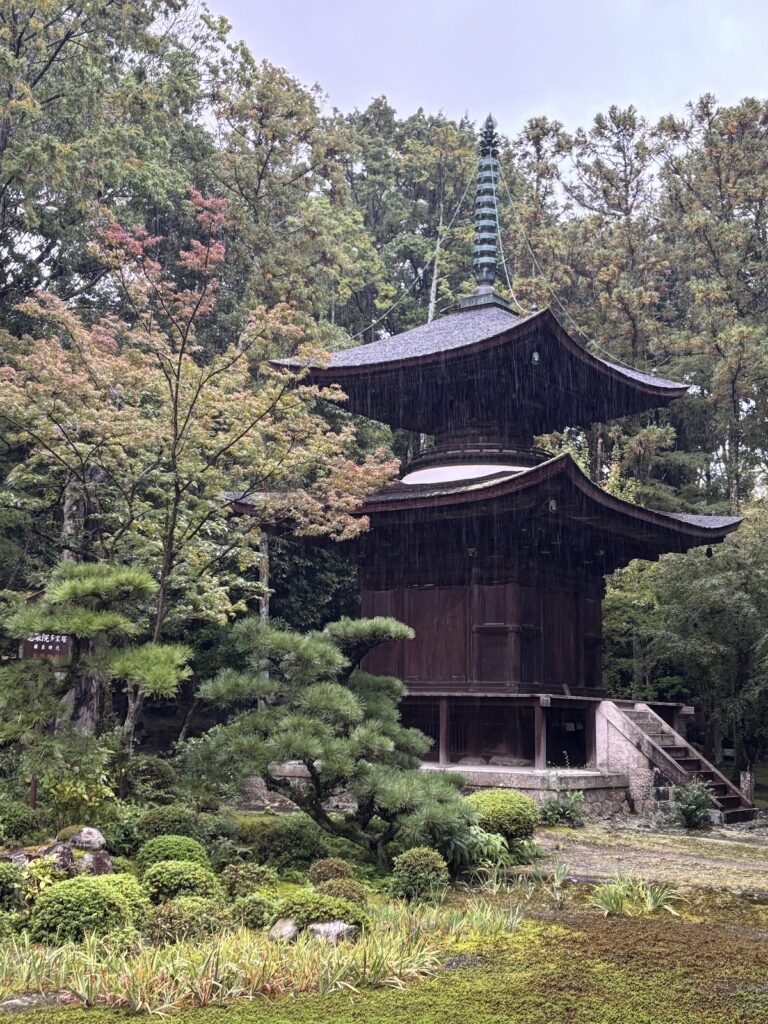
Aritōshi Shrine, located on Minatomoto-dori in Tanabe City, Wakayama Prefecture, is an ancient shrine that has been worshipped in the Kishu Tanabe area since ancient times. The enshrined deity is revered as “Japan’s foremost god of wisdom,” based on the legend (the Aritōshi legend) of how the deity used their wisdom to overcome a national crisis. In ancient times, they were called “Aritōshi no Kami” or “Aritōshi Myōjin.”
Aritōshi Shrine, Izumisano City, Osaka Prefecture
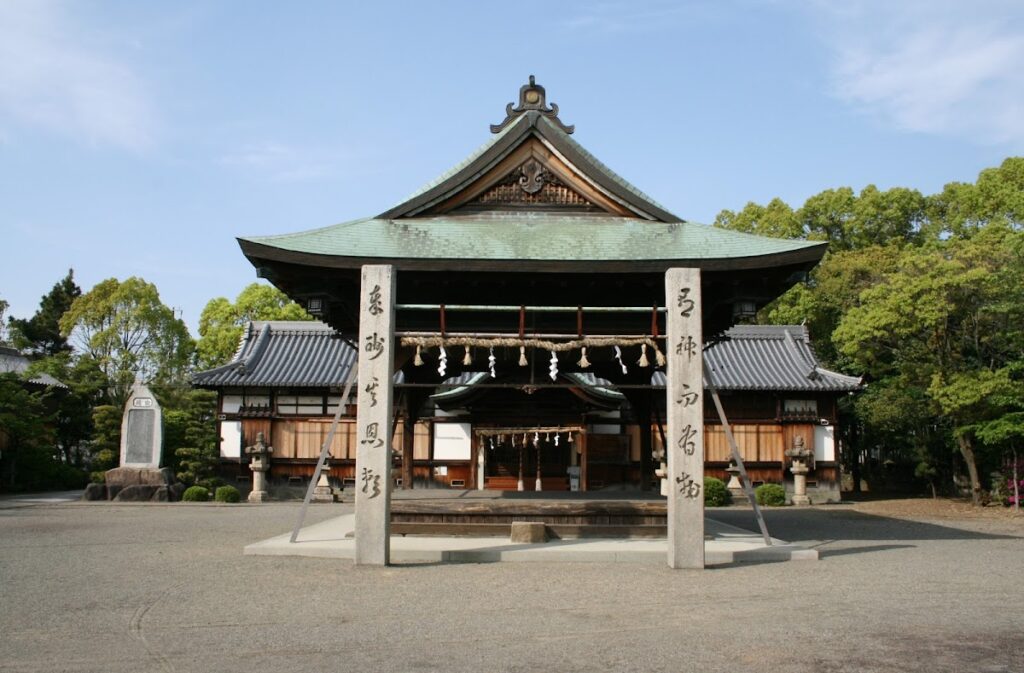
Aritōshi Shrine, located in Nagataki, Izumisano City, Osaka Prefecture, was originally situated along the Kumano Kaido (Kishū Kaido) road and is known for its many legends and stories, including those of Ki no Tsurayuki. Originally an ancient shrine in Senshū with a vast grounds and a long approach lined with pine trees, it was relocated to its current location due to the construction of an airfield during World War II.
The main enshrined deities are Ōkuninushi-no-Mikoto and Aritōshi Myōjin, who are revered by parishioners and worshippers as gods of national development, abundant harvests, wisdom, and filial piety.
The Origin and History of Aritōshi Shrine
The Origin of the Aritōshi Tale
The “Aritōshi Tale,” which gives Aritōshi Shrine its name, is an ancient story symbolizing Japanese wisdom and filial piety. This tale tells of how, in ancient times, China presented Japan with three difficult challenges in an attempt to make Japan a vassal state, and how an elderly father’s wisdom helped solve them.
The third challenge was to thread a string through a seven-curved jewel (a jewel with a winding hole). Following his elderly father’s advice, the protagonist, a lieutenant general, successfully solved this challenge by tying a string to an ant and threading it through the hole. This tale of “threading a string through an ant” became the origin and legend of the name of Aritōshi Shrine.
This story is not merely a tale of wisdom; it also contains a moral lesson emphasizing the importance of respecting the wisdom of elders and filial piety.
Aritōshi Shrine in Historical Documents
The deity enshrined at Aritōshi Shrine first appears in historical documents in the poetry collection “Ki no Tsurayuki Shū” (compiled in the mid-10th century) by Ki no Tsurayuki, a poet of the early Heian period. It contains a story and waka poems about Tsurayuki and the “Aritōshi no Kami” (god of Aritōshi).
Furthermore, the story of “Aritōshi Myōjin” is also depicted in Sei Shōnagon’s essay collection “The Pillow Book,” indicating that the Aritōshi deity was widely known at least from the Heian period onward.
Katsushika Hokusai also used “Aritōshi Myōjin” as a subject for his woodblock prints, demonstrating that Aritōshi Shrine continued to exert cultural influence even during the Edo period.
Founding and Changes in Location
Aritōshi Shrine, Tanabe City, Wakayama Prefecture
According to shrine tradition, it is said to have been established in the first year of Tenpyō-Jingo (766). The shrine’s former name was Goryo Gozu Tenno, and it was revered as the local guardian deity of the port. In 1812 (Bunka 9), the shrine’s name was changed to Aritō Myōjin Shrine, and in 1868 (Meiji 1), with the separation of Shinto and Buddhism, it was renamed Aritō Shrine.
It is affectionately called “Goryo-san” by the general parishioners, and the faith remains unchanged.
Aritō Shrine, Izumisano City, Osaka Prefecture
Nagataki Manor was a noble’s estate, divided into three areas. Aritō Shrine is recorded as “Anatō-sha” (possibly meaning “ant’s hole”) in the “Hineno Village Map” of 1316 (Shōwa 5), and it became the central shrine of Nagataki Manor.
It is depicted as “Anatō Shrine” in two manor maps and functioned as the main shrine of Nagataki Village, where stories of Kumano pilgrimages and Ki no Tsurayuki are passed down. Noh performances have been held in the dance hall since ancient times and continue to this day.
Due to the construction of an airfield during World War II, the shrine was moved from its original grounds to its current location, but its history and faith continue to this day.
Aritōshi Shrine and Ki no Tsurayuki
Ki no Tsurayuki’s Pilgrimage to Kii Province and Aritōshi Shrine
It is said that Ki no Tsurayuki, a poet of the Heian period, visited Aritōshi Shrine during his visit to Kii Province (present-day Wakayama Prefecture) and offered a waka poem within the shrine grounds.
Ki no Tsurayuki’s poetry collection, “Tsurayuki-shū,” contains a story and waka poems depicting his interaction with the “Aritōshi no Kami” (god of Aritōshi), and this is considered the oldest documented record concerning Aritōshi Shrine.
Pond and Monument Associated with Ki no Tsurayuki
At Aritōshi Shrine in Izumisano City, Osaka Prefecture, there remains a pond and monument associated with Ki no Tsurayuki, where he offered a waka poem during his pilgrimage to Kii Province. These are valuable historical sites that convey the deep connection between Ki no Tsurayuki and Aritōshi Shrine.
Legends of Ki no Tsurayuki
Following the legends of Ki no Tsurayuki, the story of how the shrine got its name, “Aritōshi,” is explained. These legends are important elements that illustrate the history and cultural value of Aritōshi Shrine.
Deities and Benefits
Deities
The deities enshrined at Aritōshi Shrine vary slightly from shrine to shrine, but the following gods are primarily worshipped:
- Aritōshi Myōjin: Revered as the god of wisdom
- Ōkuninushi-no-Mikoto: God of land development and abundant harvests
- Other deities: Deities that vary by region are also enshrined.
Benefits
Aritōshi Shrine is believed to offer the following benefits:
- Granting Wisdom: As the “Foremost God of Wisdom in Japan,” this deity grants academic success, passing exams, and intellectual advancement.
- Filial Piety: As a god who preaches the importance of filial piety, this deity strengthens family bonds.
- National Development and Abundant Harvest: Abundant harvests due to the divine virtues of Okuninushi-no-Mikoto.
- Overcoming National Difficulties: Inspired by the legend of Aritōshi, this deity helps resolve difficult problems.
Shrine Grounds and Highlights
Sacred Camphor Tree (Reishō)
Within the shrine grounds stands a sacred camphor tree (Reishō), said to be several hundred years old. This large camphor tree is revered by worshippers as a presence that has watched over the long history of the shrine.
Dance Hall and Noh Theater
At Aritōshi Shrine in Izumisano City, Osaka Prefecture, Noh performances have been held in the dance hall since ancient times. This tradition continues to this day, enhancing the cultural value of the shrine.
Historical Sites Associated with Ki no Tsurayuki
The pond and monument associated with Ki no Tsurayuki, where he dedicated his waka poems, are preserved as valuable historical sites from a literary history perspective. It’s a precious place where you can experience the culture of the Heian period.
Relationship with the Kumano Kodo Road
Aritōshi Shrine in Izumisano City, Osaka Prefecture, originally had its grounds along the Kumano Kodo (Kishū Kaido) road. As a historical shrine visited by pilgrims on their way to Kumano, it has deep ties to the Kumano faith.
Beliefs Passed Down at the Shrine
Belief as a God of Wisdom
Aritōshi Shrine has attracted deep devotion from people seeking learning and wisdom, as the “Foremost God of Wisdom in Japan.” Students, those preparing for exams, and those engaged in intellectual work visit the shrine.
Belief as a God of Filial Piety
Based on the teachings of filial piety depicted in the Aritōshi legend, the shrine is also revered by people who value family bonds and filial piety. Respecting the wisdom of the elderly is an important value in modern society.
As the Local Guardian Shrine
Aritōshi Shrine in Izumisano City, Osaka Prefecture, serves as the guardian shrine of the Nagataki district, attracting deep faith from the local people. Prayers are offered for important life events such as the first shrine visit for a newborn, Shichi-Go-San (a traditional rite of passage for children), and ground-breaking ceremonies.
Festivals and Events
Major Annual Festivals
Aritōshi Shrine holds various festivals and events throughout the year.
- Annual Grand Festival: The shrine’s most important festival
- Benten Festival: One of the traditional festivals
- Monthly Festival: A festival held regularly every month
About Prayers
Aritōshi Shrine accepts the following types of prayers:
- First Shrine Visit for a Newborn
- Shichi-Go-San (a traditional rite of passage for children)
- Exorcism
- Prayer for Success in Exams
- Family Safety
- Business Prosperity
- Ground-Breaking Ceremony
Those wishing to request a prayer are advised to contact the shrine by phone in advance.
Amulets and Goshuin (Shrine Seals)
Amulets
At Aritō Shrine, various amulets are offered, including those for academic success, associated with the god of wisdom.
Goshuin (Shrine Seals)
Goshuin are generally available from 8:30 AM to 5:00 PM. Special seasonal goshuin, such as monthly themed goshuin, are sometimes available.
At Aritō Shrine in Tanabe City, Wakayama Prefecture, seasonal goshuin, such as the April monthly themed goshuin, are popular.
Japanese Heritage and Cultural Properties
Aritō Shrine in Izumisano City, Osaka Prefecture, is recognized as a component cultural property of the “Hine-shō Japanese Heritage Site.” It is depicted as “Anatō Shrine” in two manor maps, making it a valuable historical site that conveys the medieval manor system.
As the main shrine of Nagataki Village, where the Kumano pilgrimage and the story of Ki no Tsurayuki are passed down, its historical and cultural value is highly regarded.
Access and Transportation Information
Aritōshi Shrine, Tanabe City, Wakayama Prefecture
Location: Minatomoto-dori, Tanabe City, Wakayama Prefecture
Access:
- Within walking distance from JR Kisei Main Line “Kii-Tanabe Station”
- For detailed transportation information, please check the shrine’s official website.
Aritōshi Shrine, Izumisano City, Osaka Prefecture
Location: Nagataki, Izumisano City, Osaka Prefecture
Access:
- By bus or taxi from Nankai Main Line “Izumisano Station”
- Relatively close to Kansai International Airport
- For detailed transportation information, please check the shrine’s official website.
Manners and Precautions for Visiting a Shrine
Proper Way to Visit a Shrine
- Bow before passing through the torii gate: A courtesy before entering the sacred area
- Purify yourself at the water basin: Purify your left hand, right hand, and mouth in that order
- Two bows, two claps, one bow: The general way to visit a shrine
- Please be quiet on the shrine grounds: Remember that this is a sacred place.
Photography
Photography is generally permitted on the shrine grounds, but please be considerate of those performing rituals or other visitors. There are also areas where photography is prohibited, such as the sacred object; please follow the signs.
The Charm and Modern Significance of Aritōshi Shrine
Symbol of Wisdom and Learning
In modern society, the importance of wisdom and learning is increasing. Aritōshi Shrine conveys the importance of wisdom passed down from ancient times, and functions as an encouragement to those striving in their studies and work.
Forging Intergenerational Bonds
The respect for the wisdom of the elderly depicted in the Aritōshi legend holds an important message even in today’s aging society. It reminds us of the importance of passing on wisdom across generations and the bonds of family.
Value as a Cultural Heritage
Appearing in Heian period literature and featured by Katsushika Hokusai, Aritōshi Shrine occupies an important position in Japanese cultural history. This cultural heritage site has research value from multiple perspectives, including literature, art, and folklore.
Nearby Tourist Attractions
Around Tanabe City, Wakayama Prefecture
- Kumano Hongu Taisha: One of the three Kumano shrines registered as a World Heritage Site
- Tokei Shrine: A shrine associated with the Genpei War
- Tanabe City: A townscape that evokes the history of Kishu
Around Izumisano City, Osaka Prefecture
- Kansai International Airport: One of Japan’s gateways
- Rinku Town: A shopping and leisure complex
- Inunaki Mountain: Known as a sacred site for Shugendo (mountain asceticism)
Summary
Aritsū Shrine is a historic shrine that has attracted the faith of people for over a thousand years as “Japan’s foremost god of wisdom.” The Aritsū legend, which appears in the works of Ki no Tsurayuki and Sei Shōnagon, conveys the importance of wisdom and filial piety to this day.
The Aritōshi Shrines, located in Tanabe City, Wakayama Prefecture and Izumisano City, Osaka Prefecture, each possess their own unique history and charm, leaving a deep impression on visitors. We recommend a visit to the Aritōshi Shrines to students seeking academic success, business professionals seeking wisdom, those who cherish family bonds, and anyone interested in Japanese history and culture.
You will receive the blessings of the ancient god of wisdom and gain new insights and learning. Why not visit an Aritōshi Shrine sometime?