
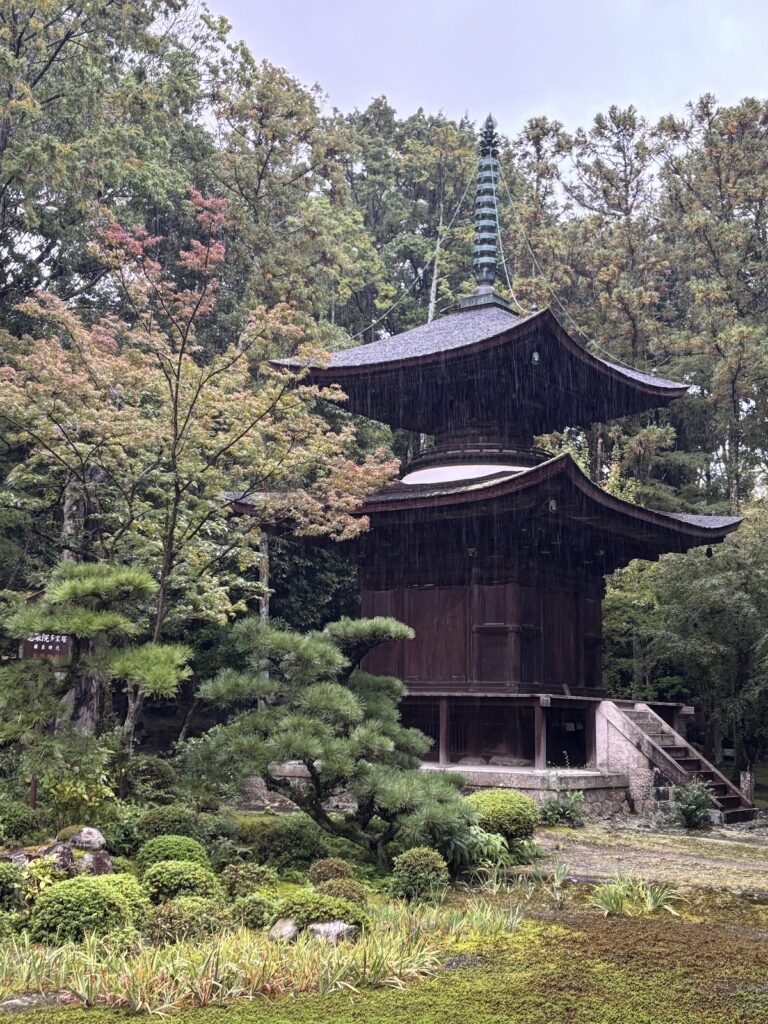
Complete Guide to Jigen-in Temple | A Thorough Explanation of the National Treasure Pagoda, History, Visiting Information, and Access
Jigen-in Temple is a Shingon sect Omuro school temple located in Hineno, Izumisano City, Osaka Prefecture. Known as the oldest temple in the Senshu region, its National Treasure Pagoda is counted as one of the “Three Great Pagodas of Japan,” alongside those of Ishiyama-dera Temple and Kongozanmai-in Temple. This article provides a thorough explanation of everything you need to know before visiting Jigen-in Temple, from its history and highlights to cultural assets and visiting information.
Table of Contents
- Overview of Jigen-in Temple
- History of Jigen-in Temple
- Highlights of the Temple Grounds
- Details of National Treasures and Cultural Properties
- Hine-no-sho Ruins and Jigen-in Temple
- Visiting Information and Access
- Nearby Tourist Attractions
- Frequently Asked Questions
Overview of Jigen-in Temple
Basic Information
Jigen-in Temple, whose mountain name is Daihi-san, is a Shingon sect Omuro school temple that enshrines Yakushi Nyorai (Medicine Buddha) as its principal image. Its founding dates back to the Asuka period, and it is said to have been established as an imperial temple by Emperor Tenmu.
Basic Temple Data:
- Official Name: Daihizan Jigen-in
- Sect: Shingon-shu Omuro-ha
- Principal Image: Yakushi Nyorai (Medicine Buddha)
- Founder: Emperor Tenmu (by imperial decree)
- Established: Asuka period (Hakuhō era)
- Pilgrimage Site: Fifth of the New Saigoku Thirty-Three Kannon Pilgrimage
- Cultural Properties: National Treasure (Tahōtō pagoda), Historic Site (part of the Hine-shō Ruins)
Status as the Oldest Temple in Senshū
Jigen-in is considered the oldest temple in the Senshū region (southern Osaka Prefecture). Since its founding during the reign of Emperor Tenmu, it has remained a center of local faith for over 1300 years. A notable feature is its history of syncretism of Shinto and Buddhism, having served as the temple associated with the adjacent Hine Shrine until the late Edo period.
History of Jigen-in Temple
Founding and the Asuka Period
Jigen-in Temple is said to have been founded during the Hakuhō era (late 7th century) by imperial decree of Emperor Tenmu. At that time, Buddhism was promoted as a national project, and imperial temples were built throughout the country. Jigen-in was one of them, becoming a center of Buddhist culture in the region.
Heian and Kamakura Periods
During the Heian period, influenced by Shingon Esoteric Buddhism, the foundation of the temple as a Shingon Buddhist temple was established. During this period, the temple was deeply connected to the manorial system and functioned as the central religious facility of the Hine Manor.
In 1265 (Bun’ei 2) during the Kamakura period, the Tahōtō pagoda, now designated a National Treasure, was built. The construction of this pagoda indicates that Jigen-in held significant economic and religious power at that time.
Relationship with Hine Shrine
Throughout the Edo period, Jigen-in Temple functioned as the Jinguji (Bettō-ji) of the adjacent Hine Shrine. A Jinguji is a temple attached to a shrine, built based on the syncretic belief of Shinto and Buddhism. Shinto priests and Buddhist monks cooperated in rituals, forming a unified religious space between the shrine and the temple.
Meiji Restoration and Separation of Shinto and Buddhism
The Meiji Restoration’s decree separating Shinto and Buddhism had a significant impact on Jinguji temples throughout the country. While Jigen-in’s relationship with Hine Shrine was officially severed, it remains geographically adjacent to the shrine to this day. Through this period, Jigen-in established its current form as an independent temple.
Preservation and Development in the Modern Era
In the Showa era, the cultural value of Jigen-in Temple became widely recognized. The pagoda was designated a National Treasure in 1952 (Showa 27), and the temple grounds were designated a National Historic Site in 1997 (Heisei 9) as part of the Hine-shō Ruins. Currently, the temple welcomes many worshippers and tourists while striving to balance the preservation and public access of its cultural properties.
Highlights of the Temple Grounds
National Treasure: Tahoto Pagoda
The greatest highlight of Jigen-in Temple is undoubtedly the Tahoto Pagoda, designated as a National Treasure. Built in 1265 (Bun’ei 2), this pagoda is a two-story structure approximately 10 meters tall and is a valuable relic that conveys the architectural style of the Kamakura period.
Characteristics of the Tahoto Pagoda:
- Construction Date: 1265 (Bun’ei 2)
- Structure: Wooden, tiled roof
- Style: Kamakura period architecture based on the Japanese style
- Features: Beautifully balanced proportions
- Designation: National Treasure (designated in 1952)
The Tahoto Pagoda has a unique shape with a square lower level and a circular upper level, a form that represents the characteristics of esoteric Buddhist architecture. Along with the pagodas of Ishiyama-dera Temple (Shiga Prefecture) and Kongozanmai-in Temple (Wakayama Prefecture), it is counted among the “Three Great Pagodas of Japan” and is known for its beauty and excellent state of preservation.
Main Hall
The main hall houses the principal image, Yakushi Nyorai (Medicine Buddha). The current main hall was rebuilt after the Edo period, and in addition to the Yakushi Nyorai statue, it also houses a statue of Kobo Daishi (Kukai). The architectural style of the main hall is typical of Shingon Buddhist temples, and the spatial configuration is suitable for esoteric Buddhist rituals.
Temple Gate and Approach
The temple gate, which serves as the entrance to the temple grounds, is simple yet exudes a sense of dignity. Beyond the gate, a path leading to the pagoda is maintained, lined with seasonal flowers. Walking along the path, one can find peace of mind in a tranquil atmosphere.
Bell Tower
A bell tower also stands on the temple grounds, housing a temple bell. This bell still serves its purpose of telling time, and its sound resonates throughout the surrounding area.
Gardens and Natural Environment
The grounds of Jigen-in Temple are surrounded by abundant nature, allowing visitors to enjoy the scenery of each season. The cherry blossoms in spring, the fresh greenery in early summer, and the autumn leaves are particularly beautiful, attracting many visitors. Among the trees on the grounds are ancient trees over several hundred years old, telling a story of long history.
Details of National Treasures and Cultural Properties
National Treasure: Architectural Value of the Tahōtō Pagoda
The Jigen-in Tahōtō Pagoda holds extremely high value as a representative example of Kamakura period Tahōtō architecture. From an architectural history perspective, it is important in the following respects:
- Clearness of Construction Date: The construction date of 1265 is clearly established, making it a benchmark building for studying Kamakura period architectural styles.
- Structural Perfection: It perfectly embodies the typical form of a Tahōtō pagoda, with a square lower level and a circular upper level, and is structurally stable.
- Beauty of Decoration: The aesthetic sensibilities of the Kamakura period are expressed in every detail, from the brackets to the curve of the eaves.
- State of Preservation: Despite being over 750 years old, it has remarkably preserved its original form and has undergone several repairs to reach its current state.
Position as one of Japan’s Three Great Pagodas
The Jigen-in Tahōtō is considered one of Japan’s “Three Great Pagodas,” along with the Ishiyama-dera Tahōtō (Shiga Prefecture, National Treasure) and the Kongōzanmai-in Tahōtō (Wakayama Prefecture, National Treasure). All three pagodas were built between the Kamakura and Nanboku-chō periods and are regarded as the pinnacle of Tahōtō architecture.
Comparison of Japan’s Three Famous Pagodas:
- Ishiyama-dera Temple Pagoda: Built in 1194, the oldest pagoda in Japan
- Jigen-in Temple Pagoda: Built in 1265, renowned for its balanced beauty
- Kongōzanmai-in Temple Pagoda: Built in 1223, commissioned by the wife of Minamoto no Yoritomo
Other Cultural Properties
In addition to the pagodas, Jigen-in Temple possesses the following cultural properties:
- Seated Statue of Yakushi Nyorai: Enshrined in the main hall as the principal image
- Statue of Kobo Daishi: An important object of worship for a Shingon Buddhist temple
- Ancient Documents: A collection of materials that convey the history of the temple
- Buddhist Ritual Objects: Ritual implements used in esoteric Buddhist rituals
These cultural properties are valuable resources that tell the story of Jigen-in Temple’s long history and religious traditions.
Hine-no-sho Ruins and Jigen-in Temple
What is Hine-no-sho?
Hine-no-sho was a manor that existed from the late Heian period to the Sengoku period. It flourished as the manor of the Kujo family and, as an important site that conveys the medieval manorial system, it was designated a national historic site in 1997 (Heisei 9).
Relationship between Jigen-in Temple and the Manor
Jigen-in Temple functioned as the central religious facility of Hine-no-sho. It served as a place of worship for the manor’s lord and residents, and also played a role as a spiritual pillar in the management of the manor. The construction of the pagoda is also thought to have been realized with the economic power of the manor as a backdrop.
Significance of Historic Site Designation
The designation of Jigen-in Temple’s grounds as a historic site, part of the Hine-no-sho Ruins, signifies recognition not only of its value as a temple, but also of its importance in understanding the medieval manorial system. Traces of land division and water management facilities from the manorial era remain within the grounds, making it a valuable archaeological site. ### Surrounding Hine Manor Sites
The following archaeological sites related to Hine Manor are scattered around Jigen-in Temple:
- Hine Shrine: The guardian shrine of the manor
- Oiseki Park: Remains of the manor’s water management facilities
- Weir Remains: Medieval irrigation facilities
- Jori System Remains: Land divisions from ancient to medieval times
By visiting these sites together, you can experience the overall picture of a medieval manor.
Visiting Information and Access
Visiting Guide
Visiting Hours:
- 9:00 AM – 5:00 PM (Last entry 4:30 PM)
- Open year-round (However, visits may be restricted during religious services)
Admission Fee:
- General: 300 yen
- Junior and Senior High School Students: 200 yen
- Elementary School Students: 100 yen
- Group discounts available (20 or more people)
Notes:
- The interior of the pagoda is usually closed to the public
- Photography is permitted on the temple grounds (Tripod use requires prior consultation)
- Photography is prohibited inside the main hall
- Please visit in silence
Transportation Access
Access by Train:
The nearest station is Izumisano Station on the JR Hanwa Line and Nankai Main Line.
- Walking from Izumisano Station: Approximately 25 minutes
- By Bus from Izumisano Station:
- Take the Nankai Bus bound for “Hineno Station”
- Get off at “Hine Shrine” bus stop, 3-minute walk
- Travel time: Approximately 15 minutes
Access by Car:
- Approximately 10 minutes from the Hanwa Expressway “Izumisano IC”
- Parking: Free parking available (approximately 20 regular cars)
- Large buses require prior notice
Address:
626 Hineno, Izumisano City, Osaka Prefecture 598-0021
Inquiries:
Phone: 072-467-0813
Estimated Time Required for Visiting
A visit to the shrine grounds usually takes 30 minutes to 1 hour. If you wish to carefully appreciate the pagoda and the grounds, it is recommended to allow at least 1 hour.
Best Season
Jigen-in Temple can be visited throughout the year, but the best times to visit are:
- Spring (late March to early April): The cherry blossoms are beautiful, and their collaboration with the pagoda is magnificent.
- Early Summer (May): The fresh greenery is vibrant, creating a refreshing atmosphere.
- Autumn (mid to late November): The autumn leaves color the temple grounds.
- Winter (January to February): You can visit the temple quietly in the crisp air.
Nearby Tourist Attractions
Hine Shrine
Hine Shrine, adjacent to Jigen-in Temple, is a shrine that Jigen-in Temple once served as a temple associated with the temple. It has long been revered as the guardian shrine of Hine-sho, and its grounds contain a main hall designated as an Important Cultural Property. Visiting both Jigen-in and Hine Shrines allows you to experience the history of Shinto-Buddhist syncretism.
Oiseki Park
This park was developed on the site of the Hine-sho water management facilities, where you can learn about medieval irrigation techniques. This is a nature-rich spot where you can see cherry blossoms in spring and fireflies in early summer.
Inunaki Mountain
Located in the mountainous area of Izumisano City, this is a sacred site of Shugendo (mountain asceticism) and is known for its beautiful valleys and hot springs. It’s about a 30-minute drive from Jigen-in Temple, and you can enjoy nature walks and hot springs.
Kansai International Airport
Located offshore from Izumisano City, Kansai International Airport offers views from its observation deck and shopping opportunities within the airport. It’s easily accessible, about a 20-minute drive from Jigen-in Temple.
Rinku Town
This shopping and leisure area, located across from Kansai International Airport, features an outlet mall and a seaside park. It’s convenient to stop by after visiting Jigen-in Temple.
Experiences and Events at Jigen-in Temple
Annual Events
Jigen-in Temple, as a Shingon Buddhist temple, holds various annual events:
- Hatsumode (January 1st-3rd): Bustling with New Year’s worshippers
- Setsubun-e (February 3rd): Bean-throwing and prayers for warding off evil
- Spring Equinox Ceremony (March): Memorial service for ancestors
- Hanamatsuri (April 8th): Celebration of the birth of Buddha
- Autumn Equinox Ceremony (September): Memorial service for ancestors
- New Year’s Eve Bell Ringing (December 31st): Worshippers can also ring the bell
Sutra Copying and Buddha Image Copying Experience
You can experience sutra copying and Buddha image copying by prior reservation. This is a valuable opportunity to calm your mind in the quiet main hall and experience Buddhist culture.
Goshuin (Temple Seal)
Jigen-in Temple offers Goshuin. As the fifth temple on the New Saigoku Thirty-Three Kannon Pilgrimage, it is popular among pilgrims. Original Goshuin notebooks are also available for purchase.
The Charm and Value of Visiting Jigen-in Temple
Seeing a National Treasure Up Close
The greatest charm of Jigen-in Temple is the opportunity to see the National Treasure, the Tahoto Pagoda, up close. It’s a rare opportunity to admire this beautiful pagoda, a masterpiece of Kamakura-period architecture, from such close range, not through a fence.
A Tranquil Atmosphere
Jigen-in Temple, not overly commercialized, offers a quiet and peaceful atmosphere for worship. It’s an ideal place to escape the hustle and bustle of the city and find peace of mind.
Layers of History
Jigen-in Temple boasts a history of over 1300 years, from its founding in the Asuka period to the present day. As a temple that has experienced important phases in Japanese history, such as the manorial system, the syncretism of Shinto and Buddhism, and the separation of Shinto and Buddhism, it is a particularly interesting spot for history buffs.
Experiencing Local Culture
Jigen-in Temple, which has functioned as the historical and cultural center of the Senshu region, is deeply rooted in the faith and lives of the local people. As a place where you can experience local culture, it is also worth visiting from a cultural anthropological perspective.
Manners and Etiquette for Visiting a Temple
Basic Visiting Etiquette
- Bow at the Temple Gate: Bow before entering the temple grounds.
- Purification at the Water Basin: Purify your hands and mouth.
- Worship at the Main Hall: Join your hands and bow to the principal image, Yakushi Nyorai (Medicine Buddha).
- Viewing the Pagoda: View it quietly, and be considerate of others when taking photographs.
- Bow upon Exit: Turn around and bow when leaving the temple gate.
Clothing and Items to Bring
- Avoid revealing clothing and wear clean attire.
- Take precautions against the sun in summer and warm clothing in winter.
- We recommend wearing comfortable shoes.
- Bringing a camera, goshuincho (stamp book), etc. is recommended.
Summary
Jigen-in Temple, as the oldest temple in Senshu and home to the National Treasure Pagoda, is a temple of extremely important historical and cultural value. With a history spanning over 1300 years since its founding in the Asuka period, Jigen-in Temple has functioned as the central religious facility of the medieval Hine-sho manor.
The multi-storied pagoda, built during the Kamakura period, is highly regarded in architectural history as one of Japan’s three most famous pagodas, and its beautiful form continues to captivate visitors. The temple grounds, part of the Hine-sho ruins, are designated as a national historic site, making it a valuable place that conveys the history of the medieval period.
When visiting southern Osaka Prefecture, be sure to visit Jigen-in Temple. The time spent admiring the national treasure architecture in the tranquil grounds and reflecting on its long history will leave a deep impression on your heart. It is easily accessible from Izumisano Station, and there are many other tourist attractions nearby, such as Hine Shrine and Kansai International Airport, allowing you to create a fulfilling sightseeing course.
