Choinji Temple (Hanamigawa Ward, Chiba City, Chiba Prefecture) | Complete Guide to the History, Access, and Highlights of this Nichiren Buddhist Temple
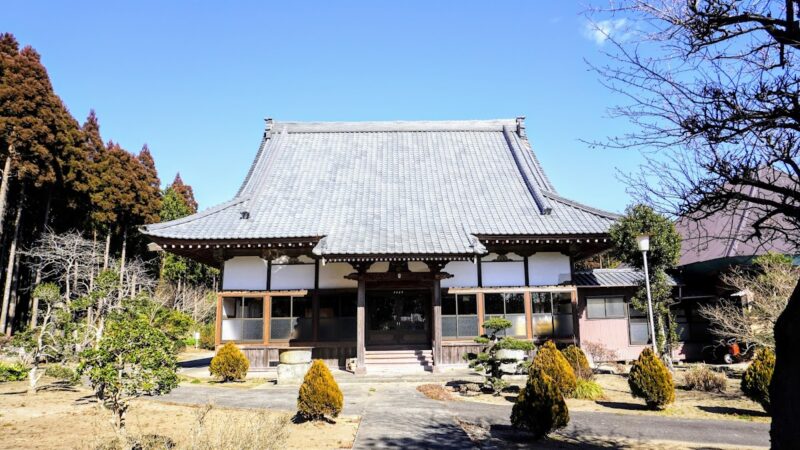
Located in Hanamigawa Ward, Chiba City, Chiba Prefecture, Choinji Temple is a historic temple belonging to the Nichiren sect. This guide provides a detailed explanation of this temple, which has been a center of local faith for many years, from basic information to its historical background and points to note when visiting.
Basic Information about Choinji Temple
Choinji Temple is a Nichiren Buddhist temple located in Nagasaku-cho, Hanamigawa Ward, Chiba City, and is an important religious facility that attracts the faith of local residents.
Temple Details
Temple Name: Choinji Temple
Sect/Denomination: Nichiren Buddhism
Location: 229 Nagasaku-cho, Hanamigawa-ku, Chiba City, Chiba Prefecture
Legal Status: Religious Corporation (Religious Corporation under the jurisdiction of the Prefectural Governor)
Jurisdiction: Certified by the Governor of Chiba Prefecture
Choinji Temple has obtained legal status through certification by the Governor of Chiba Prefecture and is officially registered as a religious corporation. It is classified as a religious corporation under the jurisdiction of the Prefectural Governor and conducts activities rooted in the local community.
About Nichiren Buddhism
Nichiren Buddhism, to which Choinji Temple belongs, is a Buddhist sect founded by the Kamakura period monk Nichiren Shonin (1222-1282). Its fundamental scripture is the Lotus Sutra, and its central practice is chanting the title “Namu Myoho Renge Kyo.”
Characteristics of the Nichiren Sect
The Nichiren sect places the utmost importance on the teachings of the Lotus Sutra, asserting that this scripture represents the true teachings of Shakyamuni Buddha. Nichiren Shonin wrote the “Rissho Ankoku Ron” (Treatise on Establishing Righteousness and Securing the Peace of the Nation), arguing that national peace and the happiness of the people are brought about by the correct practice of Buddhist teachings.
Chiba Prefecture, home to Kominato (present-day Kamogawa City), the birthplace of Nichiren Shonin, is known for its particularly high concentration of Nichiren sect temples. Choinji Temple is one such temple that carries on this tradition of Nichiren sect faith in Chiba Prefecture.
Regional Characteristics of Nagasaku-cho, Hanamigawa Ward, Chiba City
Hanamigawa Ward, where Choinji Temple is located, is one of the six administrative districts that make up Chiba City. Hanamigawa Ward is located in the northwestern part of Chiba City, and its name comes from the Hanamigawa River that flows through the ward.
History and Culture of Nagasaku-cho
Nagasaku-cho is one of the areas within Hanamigawa Ward that retains a historical atmosphere. Once a rural area, it developed into a residential area with post-war urbanization. Nevertheless, temples, shrines, and historical sites are scattered throughout, preserving the region’s historical memory.
Chōinji Temple forms part of this historical landscape of Chōsaku-chō and has functioned as a spiritual center for the local community. Even amidst increasing urbanization, temples play an important role in preserving the region’s traditional culture.
Historical Background of Chōinji Temple
While detailed records regarding the founding date and founder of Chōinji Temple are limited, the character “Tane” in the temple’s name suggests connections to influential local figures and samurai families.
Relationship between the Chiba Clan and Nichiren Buddhism
The area from northern Chiba Prefecture to Chiba City was within the sphere of influence of the Chiba clan during the medieval period. The Chiba clan was a powerful samurai family in Shimōsa Province and played an important role as a retainer of the Kamakura Shogunate.
Nichiren Shonin was active in Shimosa Province, the territory of the Chiba clan, and many of the Chiba clan’s retainers, such as Toki Jōnin, became his disciples. Therefore, many Nichiren Buddhist temples were built in Chiba Prefecture, and it is possible that Chōinji Temple was established within this historical context.
Temple System in the Edo Period and Chōinji Temple
During the Edo period, the temple-parishioner system was established, making it mandatory for all people to belong to a temple. Many temples were developed during this period, and the role of temples in local communities became institutionalized.
Chōinji Temple is thought to have functioned as the family temple of the residents of Chōsaku Village (at the time) throughout the Edo period, establishing its position as a religious center where funeral rites and annual events were conducted.
How to Access Chōinji Temple
Detailed access information for visiting Chōinji Temple is provided below.
Access by Public Transportation
Nearest Station: JR Sobu Main Line “Shin-Kemigawa Station” or JR Sobu Line/Keisei Electric Railway “Makuhari-Hongo Station”
From Shin-Kemigawa Station or Makuhari-Hongo Station, you can access the temple by Chiba City Community Bus or regular bus, or on foot. Since the temple is approximately 2-3 km from the station, using the bus is recommended.
Access by Car
Major Roads: From National Route 14 (Chiba Kaido) or National Route 357 (Wangan Road), head towards Hanamigawa Ward.
It’s approximately 15-20 minutes from Keiyo Expressway “Makuhari IC” or Higashi-Kanto Expressway “Wangan Chiba IC”. The area around the temple is residential, so consideration for neighbors is necessary when visiting. It is recommended to check parking availability in advance.
Landmarks in the Surrounding Area
Nagasaku-cho is located in a residential area of Hanamigawa Ward, and there are educational facilities such as Nagasaku Elementary School and Nagasaku Junior High School nearby. These landmarks will make it easier to find your way.
Manners and Etiquette for Visiting a Temple
This section explains the basic manners and etiquette for visiting Choinji Temple, a Nichiren Buddhist temple.
Etiquette at the Temple Gate
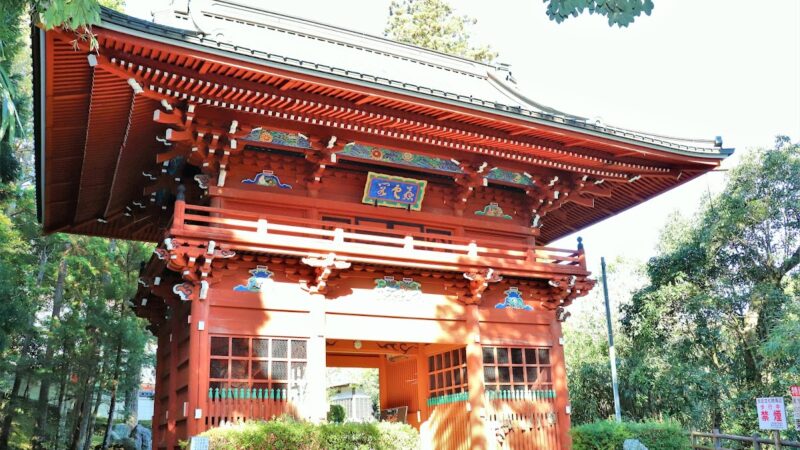
When entering the temple, bow before the temple gate before entering the grounds. This is an act of respect for entering the realm of Buddha.
Etiquette at the Water Basin
If there is a water basin, purify your body and mind before praying. Take the ladle with your right hand and purify your left hand, then switch to your left hand and purify your right hand, then switch back to your right hand, receive water in your left hand, and rinse your mouth. Finally, stand the ladle upright and purify the handle.
Praying at the Main Hall
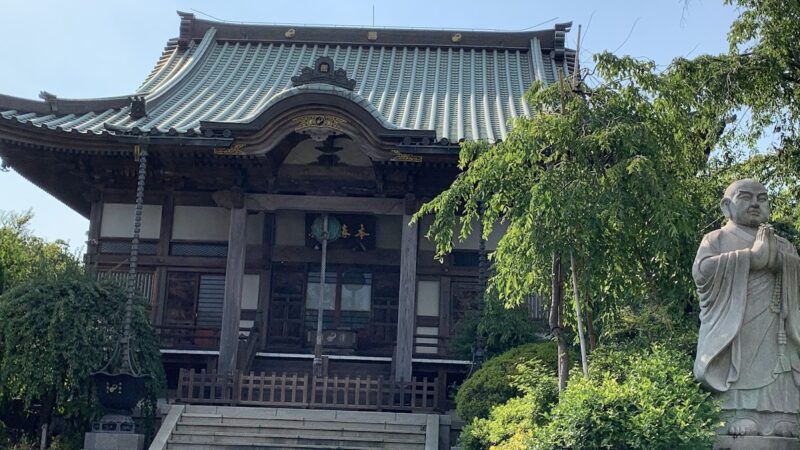
In Nichiren Buddhism, it is fundamental to join your hands in prayer and chant “Namu Myoho Renge Kyo.” Quietly join your hands in front of the main hall and chant the mantra with sincerity.
Regarding Photography
Photography is generally permitted within the temple grounds, but it may be prohibited inside the main hall or around Buddhist statues. Please be sure to check in advance and be considerate of other visitors.
Other Temples in Hanamigawa Ward, Chiba City
Many other temples are scattered around the vicinity of Choinji Temple. Here are some temples you can visit when you come to Hanamigawa Ward.
Major Temples in Hanamigawa Ward
Hanamigawa Ward is home to temples of various sects, including Nichiren Buddhism, Shingon Buddhism, and Soto Zen Buddhism. Each temple has its own unique history and characteristics, playing an important role as a cultural asset and center of faith in the region.
Temples in the Makuhari Area: Around Makuhari Hongo, there are several ancient temples dating back to the Edo period, preserving the region’s history.
Temples Along the Hanamigawa River: Along the Hanamigawa River, there are many temples built at former transportation hubs, deeply connected to the history of water transport.
A Recommendation for Temple Visits
Visiting temples in Hanamigawa Ward, Chiba City, allows you to gain a deeper understanding of the region’s history and culture. There’s the enjoyment of discovering the unique charm of each temple.
Chiba Prefecture’s Nichiren Buddhist Temple Network
Choinji Temple is part of a network of Nichiren Buddhist temples spread throughout Chiba Prefecture.
The Importance of Nichiren Buddhism in Chiba Prefecture
Chiba Prefecture is the birthplace of Nichiren Shonin and holds special significance for Nichiren Buddhism. Many important Nichiren Buddhist temples exist within the prefecture, including Tanjoji Temple in Kamogawa City and Nakayama Hokkeji Temple in Ichikawa City.
Major Head Temples:
- Nakayama Hokkeji Temple (Ichikawa City): An ancient temple associated with Nichiren Shonin
- Tanjoji Temple (Kamogawa City): A temple built on the birthplace of Nichiren Shonin
- Seichoji Temple (Kamogawa City): The temple where Nichiren Shonin became a monk and received ordination
Distribution of Nichiren Buddhist Temples in Chiba Prefecture
There are hundreds of Nichiren Buddhist temples in Chiba Prefecture, spread throughout the prefecture including Chiba City, Ichikawa City, Funabashi City, Matsudo City, Narita City, Sakura City, Togane City, Asahi City, Kashiwa City, Katsuura City, Ichihara City, Choshi City, Tateyama City, and Kisarazu City.
Choinji Temple plays a part in this extensive temple network, contributing to the practice and transmission of Nichiren Buddhist teachings in the region.
Social Role of Temples
The role of temples in modern society extends beyond mere religious facilities. Choinji Temple also fulfills diverse functions within the local community.
Community Hub
Temples serve as gathering places for local residents, strengthening community bonds. Through annual events and memorial services, they provide opportunities for intergenerational exchange.
Cultural Preservation
Temples embody the essence of traditional Japanese culture, including Buddhist rituals, architectural styles, Buddhist sculptures, and calligraphy. Preserving and passing these on to future generations is a crucial mission of temples.
Providing Peace of Mind
In the face of modern society’s stress and anxiety, temples offer solace to those seeking spiritual peace. Time spent in the tranquil temple grounds provides a valuable opportunity for calming the mind.
Annual Events and Memorial Services
Nichiren Buddhist temples hold various events and memorial services throughout the year. It is believed that the following events are also held at Choinji Temple:
Major Annual Events
New Year’s Day (Shushō-e): A Buddhist service praying for happiness in the new year.
Setsubun-e: A ritual to ward off evil spirits, held the day before the beginning of spring.
Ohigan: A period of ancestor worship centered around the spring and autumn equinoxes.
Obon (Urabon-e): An important event to welcome the spirits of ancestors.
Oeshiki (Gomeikō): A Buddhist service commemorating the death anniversary of Nichiren Shonin (October 13th).
Monthly Events
Many Nichiren Buddhist temples hold Buddhist services and chanting practices on monthly auspicious days. Participating in these events allows for a deeper understanding of Buddhist teachings.
Significance of Temple Visits
Visiting a temple has various significances for modern people.
Spiritual Refreshment
Spending time in the quiet temple grounds, away from the hustle and bustle of daily life, is a valuable opportunity to reset the mind. You can take a deep breath in a natural environment and reflect on yourself.
Understanding History and Culture
Visiting temples allows you to learn about the history and culture of the region. The architectural style, Buddhist statues, and trees within the temple grounds are all witnesses to history.
Cultivating a Sense of Gratitude
Cultivating a sense of gratitude towards ancestors, nature, and daily blessings is important for living a fulfilling life. Temple visits provide an opportunity to cultivate such a spirit.
Temple Cultural Properties in Chiba Prefecture
Chiba Prefecture has many temple-related cultural properties, whose historical and cultural value is recognized.
Types of Cultural Properties
Nationally Designated Cultural Properties: Cultural properties recognized as particularly important by the national government.
Prefecturally Designated Cultural Properties: Cultural properties designated by Chiba Prefecture.
Municipally Designated Cultural Properties: Important cultural properties designated by each municipality.
Temples in Chiba Prefecture preserve various types of cultural properties, including Buddhist statues, buildings, ancient documents, and crafts. These are valuable materials that tell the story of the region’s history.
Protection and Public Access to Cultural Properties
Protecting cultural properties is a crucial responsibility of temples. At the same time, it is important to provide opportunities for many people to experience history and culture by appropriately opening these properties to the public.
Precautions When Visiting Temples
When visiting temples, including Chōinji Temple, please observe the following points:
Dress Code
While there are no specific dress code requirements, temples are sacred places, so please avoid revealing or flashy clothing and opt for clean, understated attire.
Visiting Hours
Visiting hours vary by temple. It is recommended to check in advance or visit during reasonable hours (approximately 9 AM to 4 PM).
Maintaining Quietness
Please refrain from speaking loudly or running around on the temple grounds. Consideration for other visitors and nearby residents is necessary.
Smoking and Eating/Drinking
Smoking and eating/drinking should generally be avoided on the temple grounds. Please follow designated areas if they exist.
Take Your Trash Home
To keep the temple grounds clean, please be sure to take your trash home with you. Maintaining the beauty of the temple is the responsibility of visitors.
Chiba City Temple and Shrine Pilgrimage Course
Starting from Choinji Temple, you can plan a course visiting temples and shrines throughout Chiba City.
Hanamigawa Ward Area
A course focusing on temples within Hanamigawa Ward allows you to experience the historical changes of the region. Temples scattered throughout residential areas were often the centers of former villages, making them valuable for learning about local history.
Chiba City Wide-Area Course
Expanding your view to the entire city of Chiba, you’ll find important temples in each ward, such as Senyoji Temple in Chuo Ward and Senpukuji Temple in Wakaba Ward. Visiting these temples allows you to experience the diverse history and culture of Chiba City.
Temple Information in the Digital Age
In modern times, information about temples is easily accessible online.
Utilizing Online Information
Basic information such as the location, sect, and history of a temple can be found on the National Temple Database and religious corporation information websites. Checking this information before your visit will allow for a more fulfilling pilgrimage experience.
Social Media and Temples
Some temples utilize social media to announce events and distribute sermons. Through modern communication methods, Buddhist teachings are becoming more accessible.
Summary: The Value and Significance of Choinji Temple
Located in Nagasaku-cho, Hanamigawa-ku, Chiba City, Chiba Prefecture, Choinji Temple is an important temple that transmits the teachings of Nichiren Buddhism to the community. Even in today’s increasingly urbanized world, it continues to play a vital role as a spiritual pillar of the community and as a inheritor of history and culture.
Visiting Choinji Temple is not merely sightseeing; it is an opportunity to connect with local history and reflect on oneself. Spending time quietly in the temple grounds, where the mantra “Namu Myoho Renge Kyo,” a teaching of Nichiren Buddhism, resonates, will be a valuable experience for modern people.
Chiba Prefecture is home to many temples, including Chōinji Temple, each possessing its own unique history and charm. Visiting these temples and rediscovering their value is a meaningful act that contributes to the preservation and transmission of local culture.
We hope that your visit to Chōinji Temple will allow you to experience traditional Japanese culture and Buddhist teachings, and provide you with a truly enriching experience.