Complete Guide to Komori Shrines: A Thorough Explanation from the Main Guardian Shrine in Makuhari, Chiba City to Komori Shrines Nationwide
What are Komori Shrines?
Komori shrines (also written as 籠守 or 子護) are shrines found throughout Japan that, as the name suggests, enshrine the “Komori-shin,” the guardian deity of children. They are also written as 籠守 or 子護, and are known for their blessings related to children, such as fertility, safe childbirth, and child-rearing.
While there are several Komori shrines throughout Japan, the one located in Makuhari-cho, Hanamigawa-ku, Chiba City, Chiba Prefecture, is particularly noteworthy as the main guardian shrine of the Makuhari area, and has long been a deeply rooted part of the local community. Furthermore, shrines with the same name exist in various locations, such as Kani City, Gifu Prefecture, and Kanagawa Prefecture, each with its own unique history and origins.
Detailed Information on Komori Shrine in Makuhari-cho, Hanamigawa-ku, Chiba City
Basic Shrine Information
Komori Shrine in Makuhari-cho, Hanamigawa-ku, Chiba City, is a shrine situated in a quiet residential area, roughly midway between JR Sobu Line’s “Makuhari Station” and “Makuhari-Hongo Station.” Its former shrine rank was Village Shrine, and its crest is the “Nine-Star Moon and Star Crest.”
Regarding Pronunciation
The correct pronunciation of “子守神社” is “Komamori Jinja,” not “Komori Jinja.” While this may vary by region, “Komamori Jinja” is the correct pronunciation at this shrine in Chiba City.
Deities and History
The main deity enshrined at Komori Shrine is Inadahime-no-Mikoto. Furthermore, Susanoo-no-Mikoto and Ōnamuchi-no-Mikoto are enshrined together.
Historical Background
Formerly known as “Soka Tennō-sha,” it is believed to be a shrine originating from the Gion faith. The Gion faith is a belief system that prays for the eradication of epidemics and good health, and is a characteristic often seen in shrines that enshrine Susanoo-no-Mikoto.
While the exact founding date is unclear, it is believed to have existed since the Kamakura period, making it a shrine with a long history. The “Chiba Prefecture History, Draft Edition, Volume 1” (1919) records that “the enshrined deity was Inadahime-no-Mikoto, and later Susanoo-no-Mikoto, the enshrined deity of Soka Shrine, and Ōnamuchi-no-Mikoto, the enshrined deity of Makari Shrine, were enshrined together.”
The Origin of the Name “Komori” and the Shimousa Sanyama Seven-Year Festival
The reason why Komori Shrine changed its name from “Suka Tenno Shrine” to “Komori Shrine” is deeply connected to the Shimousa Sanyama Seven-Year Festival.
The Shimousa Sanyama Seven-Year Festival is a large-scale Shinto ritual held once every six years (once every seven years in the traditional Japanese age counting system), centered around Ninomiya Shrine in Sanyama, Funabashi City, Chiba Prefecture. Nine shrines participate in this festival, each with a defined role.
Komori Shrine played the role of “Komori” (child caregiver) in this Iso-de-shiki (Isode Ceremony), and it is said that the shrine came to be called “Komori Shrine” from this role. This role in the festival became the shrine’s identity and is the origin of its current name.
Relationship with the Chiba Clan and Makari Castle
Komori Shrine also has a deep connection with the Chiba clan. The Chiba clan was a powerful samurai family that ruled Shimosa Province from the late Heian period to the Sengoku period, and the area around Makuhari was within their sphere of influence.
Of particular note is its relationship with Makuwari Castle. Makuwari Castle was the residence of the Makuwari clan, a branch of the Chiba clan, and Komori Shrine was located near Makuwari Castle. Samurai of that time deeply revered local shrines to pray for victory in battle and the security of their territories, and it is believed that Komori Shrine was also revered by the Chiba clan.
Its relationship with Makuwari Shrine is also deep; as mentioned above, the fact that Ōkuninushi-no-Mikoto, the deity of Makuwari Shrine, is enshrined here demonstrates the connections between shrines in this region.
Shrine Grounds Guide and Highlights
Shrine Buildings and Architecture
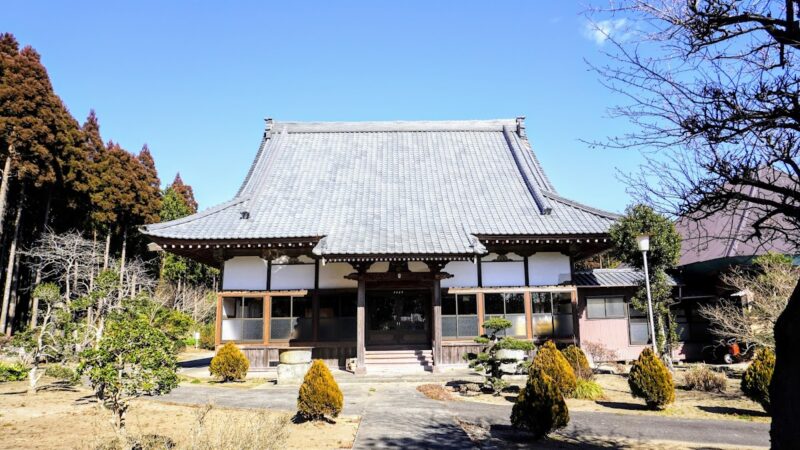
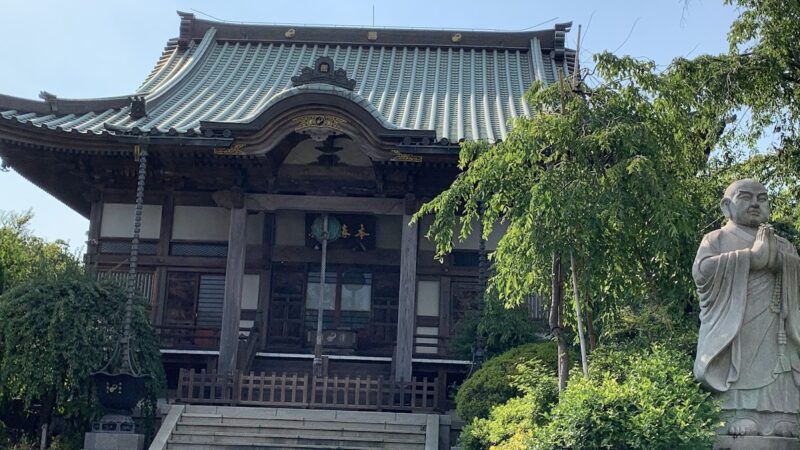
The current main hall is a relatively recent construction, but it has a solid structure and a sense of gravitas befitting the guardian shrine of Makuhari. Interestingly, the old main hall is preserved inside. This measure is intended to preserve historical buildings for future generations and tells the story of the shrine’s long history.
The shrine buildings have been rebuilt several times in the past, and have been maintained through the fervent faith of parishioners and local residents. The current shrine buildings follow the traditional style of shrine architecture while also being designed with consideration for the comfort of visitors.
Atmosphere of the Shrine Grounds
Although Komori Shrine is surrounded by houses, stepping onto the grounds envelops you in a tranquil atmosphere. In the increasingly urbanized Makuhari area, it serves as a valuable green space and a place of relaxation for local residents.
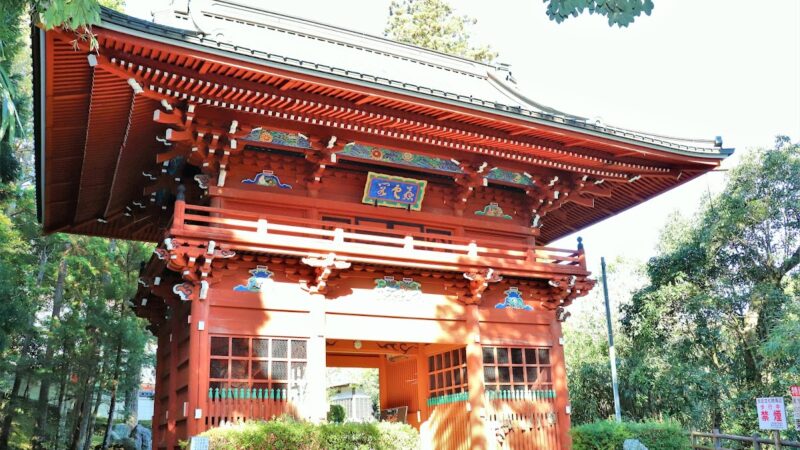
The grounds are meticulously clean, reflecting the careful maintenance by parishioners and shrine staff. As you proceed along the approach, you can see historical stone monuments and lanterns, giving you a real sense of the shrine’s long history.
Benefits and Prayers
Main Benefits
As the name of the Komori Shrine suggests, the main benefits are related to protection of children:
- Prayer for Conception: A prayer for being blessed with children
- Prayer for Safe Childbirth: A prayer for a healthy delivery for both mother and child
- First Shrine Visit: A ceremony to pray for the healthy growth of a baby
- Shichi-Go-San: A ceremony to celebrate a child’s growth and pray for their future health
- Protection of Child-Rearing: A prayer for the healthy growth of children
Furthermore, due to its origins in Gion faith, it is also believed to offer benefits such as warding off disease and good health. In addition, due to its connection with the Chiba clan, benefits such as family safety and protection from evil can also be expected.
Relationship with Hunting Grounds
Historically, this area was used as a “hunting ground” (Okariba) at one time, and it also functioned as a place to pray for successful hunting. These diverse forms of belief have shaped the multifaceted history of Komori Shrine.
Visiting Information and Access
Access Methods
Access by Train
- Approximately 15 minutes on foot from JR Sobu Line “Makuhari Station”
- Approximately 15 minutes on foot from JR Sobu Line “Makuhari Hongo Station”
The shrine is located almost midway between the two stations, so the distance from either station is about the same. Since it is located in a residential area, it is recommended to use a map app to find your way if it is your first visit.
Access by Car
It is recommended to check the availability of parking before visiting. Since the surrounding area is a residential area, please avoid street parking and consider using nearby coin-operated parking lots.
Visiting Hours and Precautions
The shrine is generally open for worship 24 hours a day, but if you wish to receive a Goshuin (shrine stamp) or prayer at the shrine office, it is recommended to check the visiting hours in advance.
When visiting, please be mindful of the quiet residential area and be considerate of the nearby residents. Particular attention should be paid to noise during early morning and late-night visits. ## Goshuin (Shrine Seal) Information
About the Issuance of Goshuin
Komori Shrine offers Goshuin. Goshuin are popular among many visitors as proof of their visit to the shrine and as a memento of their trip.
If you wish to receive a Goshuin, you must visit during the shrine office’s opening hours. Since staff may be absent, it is recommended to contact the shrine in advance to confirm availability.
About Goshuincho (Shrine Seal Books)
Please check upon your visit regarding the availability of the shrine’s original Goshuincho. You can bring a standard Goshuincho and have your Goshuin stamped.
When receiving a Goshuin, it is customary to visit the shrine office after completing your prayers. Having the Goshuin fee (offering) ready will also ensure a smooth process. Generally, the going rate is around 300 to 500 yen.
Annual Events and Festivals
Grand Festival
Komori Shrine holds various Shinto rituals and festivals throughout the year. The annual grand festival, in particular, is the most important festival for the shrine, attracting many parishioners and worshippers.
Participation in the Shimousa Sanzan Seven-Year Festival
As mentioned above, the Shimousa Sanzan Seven-Year Festival, held once every six years (or once every seven years in the traditional Japanese age counting system), is one of the most important events for Komori Shrine. This festival features a procession of portable shrines and various Shinto rituals, drawing large crowds.
Please check with the shrine or related organizations for information on the next Seven-Year Festival. This festival is an important cultural heritage of the region, and participating allows you to experience the history and traditions of the area firsthand.
Other Annual Events
- Hatsumode: A visit to pray for happiness in the new year.
- Setsubun Festival: Events such as bean-throwing.
- Natsukoshi no Oharae: A Shinto ritual to purify oneself of impurities accumulated over the past six months.
- Shichi-Go-San: A celebration of children’s growth, mainly held in November.
- Toshikoshi no Oharae: A Shinto ritual to purify oneself of impurities accumulated over the past year.
For detailed dates of these events, please contact the shrine directly.
Komori Shrines Nationwide
Komori Shrine, Kani City, Gifu Prefecture
Komori Shrine, located in Nakatsuchi, Kani City, Gifu Prefecture, is known for prayers for safe childbirth and first shrine visits for newborns. It maintains a modern management style, disseminating information through its official website and Instagram account (@komamorishrine).
Basic Information
- Location: 2259-1 Nakaedo, Kani City, Gifu Prefecture
- Phone: 0574-62-5222
- Main Benefits: Family safety, prayers for conception, prayers for safe childbirth, first shrine visit for newborns, exorcism, Shichi-Go-San (7-5-3 festival), car blessing
It is said that the shrine building has a ridge beam inscription dating back to the first year of the Hogen era (1156), making it a very old shrine.
Komori Shrine in Kanagawa Prefecture
There is also a Komori Shrine in Kanagawa Prefecture. It is registered with the Kanagawa Prefectural Shrine Association and enshrines Komori-no-Okami (the Great God of Child Protection).
Main Festivals
- January 14th: Prayer Festival
- Third Sunday of August: Annual Festival
Other Local Komori Shrines
Throughout Japan, there are Komori shrines that are worshipped as local guardian deities, and others that are enshrined as subsidiary shrines within the grounds of larger shrines. All of them are revered as guardian deities of children and attract the faith of local people.
History of the Makuhari Area and Komori Shrines
Origin of the Name Makuhari
There are several theories about the origin of the name Makuhari, but one theory suggests it is a corruption of “Makuwari.” The existence of Makuwari Castle and the Makuwari clan shaped the history of this region.
Role as the General Guardian Shrine
Komori Shrine holds an important position as the general guardian shrine of the Makuhari area, protecting the entire region. A general guardian shrine is a representative shrine of the region and serves as a spiritual anchor for the local residents.
The parishioner organization is still maintained today, playing a central role in the local community. Even amidst increasing urbanization, the community continues to maintain its bonds through traditional festivals and events.
Immigrants and the Shrine
In recent years, the Makuhari area has undergone significant urban development, welcoming many new residents. These newcomers find opportunities to connect with the local history and culture through the Komori Shrine, fostering integration into the community.
Performing life-changing rituals such as the first shrine visit for a newborn and Shichi-Go-San (a traditional rite of passage for children) at the Komori Shrine encourages interaction between new and old residents, cultivating a sense of community unity.
Manners and Etiquette for Visiting a Shrine
Basic Shrine Visit Etiquette
Understanding the basic etiquette for visiting a shrine will allow for a more heartfelt visit:
- Bow before passing through the torii gate: A sign of respect when entering the sacred area.
- Purify yourself at the water basin: Purify your left hand, then your right hand, then your mouth, and finally rinse your left hand.
- Walk along the edge of the path: The center is considered the path of the gods.
- Etiquette in front of the main hall: Two bows, two claps, and one bow are the basics.
- Bow upon leaving: Turn around and bow before leaving the torii gate.
Receiving a Prayer
If you wish to receive a formal prayer, it is recommended to contact the shrine in advance and make a reservation. Be sure to confirm the prayer fee (hatsuho-ryo) and necessary items to bring.
For life rituals such as prayers for safe childbirth, first shrine visits, and Shichi-Go-San, it is reassuring to confirm the appropriate timing and attire in advance.
Nearby Attractions
Tourist Spots in the Makuhari Area
When visiting Komori Shrine, why not explore other attractions in the Makuhari area?
- Makuhari Messe: A large facility hosting international events and exhibitions
- ZOZO Marine Stadium: Home stadium of the Chiba Lotte Marines
- Makuhari Seaside Park: A vast park by the sea
- Mitsui Outlet Park Makuhari: A shopping complex
Other Shrines and Temples
There are many other historical shrines and temples scattered around Makuhari. Those who enjoy visiting shrines might consider visiting multiple shrines and collecting Goshuin (shrine stamps).
The Modern Significance of Komori Shrine
Komori Shrine in an Era of Declining Birthrates
While Japan is experiencing a declining birthrate, the significance of Komori Shrines is arguably increasing. In an era where each child is valued more than ever, parents’ desire for their children’s healthy growth remains unchanged.
In crucial life stages such as conception, safe childbirth, and child-rearing, prayers at shrines provide spiritual support and opportunities to deepen family bonds.
As a Community Center
Amidst increasing urbanization and the weakening of local communities, local shrines like Komori Shrine are invaluable places where people gather and interact.
Through festivals and events, intergenerational exchanges are fostered, and local traditions and culture are passed down to the next generation. This role is becoming increasingly important in modern society.
Shrines in the Digital Age
More and more shrines, like Komori Shrine in Kani City, Gifu Prefecture, are using official websites and social media to disseminate information. This makes it easier for people from far away to obtain information about shrines and plan their visits.
On the other hand, there are experiences that can only be gained by actually visiting and feeling the atmosphere of the shrine grounds. Engaging with shrines from both digital and real-world perspectives will lead to a deeper understanding and faith.
Summary
Komori Shrine is a shrine with a long history, serving as the guardian shrine of Makuhari-cho, Hanamigawa-ku, Chiba City, and as a guardian deity of children throughout Japan. In particular, the Komori Shrine in Chiba City has a multifaceted history, originating from Gion faith, playing an important role in the Shimosa Sanzan Seven-Year Festival, and having deep ties with the Chiba clan.
Its blessings for conception, safe childbirth, and child-rearing have been needed by many people across generations, and its significance remains undiminished even today. Located easily accessible from Makuhari Station and Makuhari-Hongo Station, it serves as a valuable spiritual sanctuary in an increasingly urbanized area.
Komori Shrines throughout Japan also attract people’s faith while preserving their own unique history and traditions in their respective regions. Some shrines, like the Komori Shrine in Kani City, Gifu Prefecture, actively disseminate information and operate in a modern manner.
When visiting a shrine, knowing its history and origins will lead to a deeper and more meaningful worship experience. We hope this article will deepen your understanding of Komori Shrine and be helpful when you actually visit.
We sincerely pray that your visit to Komori Shrine will bring happiness to you and your family.