Complete Guide to Byodo-ji Temple: History, Amulets, and Access Information for Kyoto’s Inaba-do and the Shikoku Pilgrimage
The name “Byodo-ji” refers to several temples in Japan, but the most famous are “Inaba-do Byodo-ji” in Shimogyo-ku, Kyoto City, and “Byodo-ji, the 22nd temple of the Shikoku 88 Temple Pilgrimage” in Anan City, Tokushima Prefecture. This article comprehensively introduces information you should know before visiting, including the history, blessings, highlights, and detailed access methods for both temples.
About Kyoto’s Inaba-do Byodo-ji
An Ancient Temple with Over a Thousand Years of History
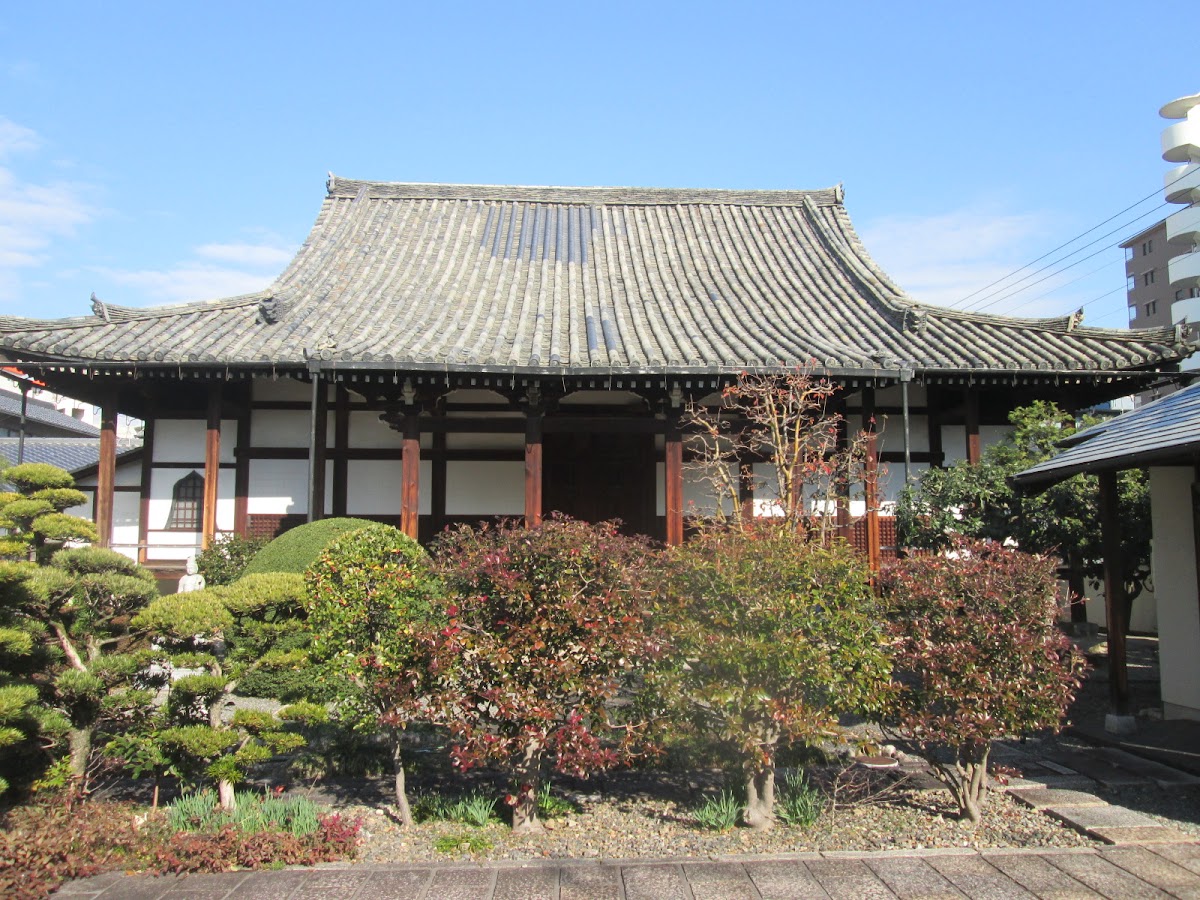
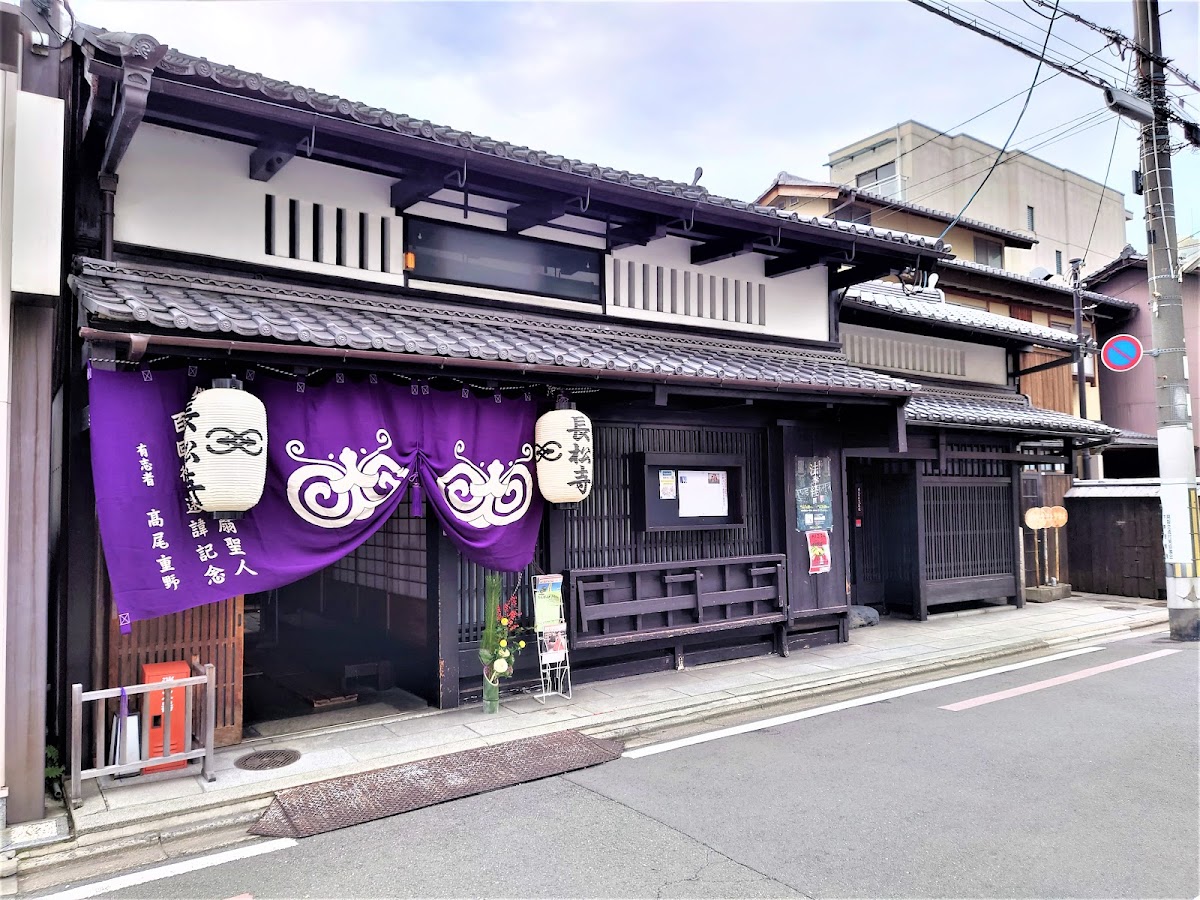
Fukuju-zan Byodo-ji, located in Inaba-do-cho, Shimogyo-ku, Kyoto City, is a Shingon sect Chizan-ha temple affectionately known as “Inaba-do” or “Inaba Yakushi.” Its history dates back to the Heian period, specifically the 5th year of the Chōhō era (1003 AD).
The temple’s origins are said to date back to Tachibana no Yukihira, the governor of Inaba Province (present-day Tottori Prefecture) at the time, who had a spiritual dream of Yakushi Nyorai (the Medicine Buddha) while in his post. Following the dream’s message, he cast a net into the sea and pulled up a statue of Yakushi Nyorai. After returning to Kyoto, Tachibana no Yukihira converted his private residence into a temple, enshrining the principal image and establishing it with his grandson, Zen Master Mitsutomo, as the principal benefactor.
Principal Image Counted Among Japan’s Three Great Buddhas
The principal image of Inaba-do Byodo-ji Temple, a statue of Yakushi Nyorai, is a precious Buddhist statue counted among Japan’s Three Great Buddhas. This Yakushi Nyorai has long been revered as a Buddha of healing, especially for cancer prevention. Many worshippers visit the temple as a last resort for those suffering from illness, and also as a Buddha of fertility and safe childbirth.
Located in the heart of Kyoto, at Karasuma Takatsuji, this temple is a historic sacred site that has protected the physical and mental health of people for over a thousand years.
Highlights of Inaba-do Byodo-ji Temple
Benefits for Cancer Prevention and Healing
Inaba-do Byodo-ji Temple is widely known, especially for its Yakushi Nyorai (Medicine Buddha) that protects against cancer. As a Buddha that heals illnesses, people suffering from illness and their families visit from all over Japan. Prayers for healing are performed daily in the main hall, and many people pray for peace of mind and physical health.
Popular and Adorable Animal Amulets
One of the reasons Inaba-do Byodo-ji Temple has been attracting attention both domestically and internationally in recent years is its adorable animal amulets. They are extremely popular among pet owners who wish for the health and longevity of their pets, and the cat amulets, in particular, are popular as the “Six Cats” series.
The amulets, featuring various animals such as dogs, cats, and rabbits, are characterized by their colorful and charming designs. In today’s world, where the idea of pets as family members is widespread, this amulet, which resonates with pet owners praying for their pets’ health, has become a popular topic on social media.
Enjoying Goshuin and Worship
At Inaba-do Byodo-ji Temple, in addition to the regular goshuin (temple stamp), special seasonal goshuin are sometimes offered. Located in the heart of Kyoto, it’s easily accessible in conjunction with other tourist attractions, making it highly recommended for those on a goshuin pilgrimage.
Despite being in the midst of the city’s hustle and bustle, the temple grounds maintain a tranquil atmosphere, providing a peaceful space for worship.
How to Access Inabado Byodo-ji Temple in Kyoto
Basic Information
Address: 728 Inabado-cho, Shimogyo-ku, Kyoto City
Sect: Shingon-shu Chizan-ha
Mountain Name: Fukuju-zan
Principal Image: Yakushi Nyorai (Medicine Buddha)
Access by Train
Inabado Byodo-ji Temple is located in the heart of Kyoto City and is easily accessible by public transportation.
Karasuma Subway Line
- Get off at “Gojo Station,” approximately 5 minutes on foot from Exit 1.
- Head north along Karasuma Street, near the intersection with Matsubara Street.
Hankyu Kyoto Line
- Get off at “Karasuma Station,” approximately 10 minutes on foot.
- Accessible via Gojo Subway Station.
Access by Bus
Kyoto City Bus
- Immediately after getting off at the “Karasuma Matsubara” bus stop.
- Available from Kyoto Station via City Bus routes 5, 26, etc.
- Travel time is approximately 10 minutes.
Access from Kyoto Station
There are several routes from Kyoto Station to Inabado Byodo-ji Temple.
- By Subway: From Kyoto Station, take the Karasuma Line subway to Gojo Station (1 stop, approximately 2 minutes), then walk for 5 minutes.
- By Bus: From Kyoto Station Bus Terminal, take a city bus to Karasuma Matsubara (approximately 10 minutes).
- On Foot: Approximately 15 minutes on foot from Kyoto Station (approximately 1.2 km).
Located along Karasuma Street, it’s easy to find even for first-time visitors.
Shikoku 88 Temple Pilgrimage, Temple No. 22: Byodo-ji Temple
A Sacred Site Founded by Kobo Daishi Kukai
Byodo-ji Temple, located in Shinno-cho, Anan City, Tokushima Prefecture, is a temple of the Koyasan Shingon sect, also known as Hakusuizan Io-in. As the 22nd temple of the Shikoku 88 Temple Pilgrimage, it is an important sacred site that pilgrims always visit.
Byodo-ji Temple was founded by Kobo Daishi Kukai. The Great Master made a vow to equally heal the illnesses of all people, both mental and physical, and performed a 100-day Goma fire ritual. He then personally carved a statue of Yakushi Nyorai (Medicine Buddha) to serve as the principal image. This philosophy of “equal healing” is the origin of the temple’s name.
The White Water Well and the Nirvana Great Master Statue
Byodo-ji Temple in Shikoku has the “White Water Well,” said to have been dug by Kobo Daishi with his staff, which is the origin of the temple’s mountain name. This sacred water has long been believed to have miraculous powers for healing illnesses, and visitors are allowed to take some home.
Furthermore, there is a large statue of the Nirvana Great Master on the temple grounds, which has been selected as “Shikoku’s 88 Scenic Views, No. 18: ‘A Landscape Seen Through the Nirvana Great Master’.” This reclining statue is one of the temple’s highlights that leaves a deep impression on visitors.
Part of the Anan-Muroto Historical and Cultural Road
Byodo-ji Temple is designated as part of the Anan-Muroto Historical and Cultural Road, making it an important spot where one can experience the history and culture of the Shikoku Pilgrimage. As a stopover point on the pilgrimage route from the 21st temple, Tairyuji, to the 23rd temple, Yakuoji, it plays a role in healing the mind and body of pilgrims.
How to Access Byodo-ji Temple in Shikoku
Basic Information
Address: 177 Akiyama, Niino-cho, Anan City, Tokushima Prefecture
Sect: Koyasan Shingon Buddhism
Mountain Name: Hakusui-zan
Temple Name: Io-in
Principal Image: Yakushi Nyorai (Medicine Buddha)
Pilgrimage Site: 22nd Temple of the Shikoku 88 Temple Pilgrimage
Access by Car
- Approximately 50km (about 1 hour) from Tokushima IC on the Tokushima Expressway via National Route 55
- Approximately 70km (about 1 hour 30 minutes) from Nangoku IC on the Kochi Expressway via National Route 55
- Parking: Approximately 30 regular cars can be accommodated (free)
Access by Public Transportation
Using JR
- Get off at Niino Station on the JR Mugi Line, about 10 minutes on foot
- Approximately 1 hour from Tokushima Station to Niino Station
By Bus
- Get off at the Tokushima Bus “Byodoji-mae” bus stop.
Access via the Pilgrimage Route
From the Previous Temple
- Approximately 13km from Temple No. 21, Tairyuji, about 4 hours on foot
- Caution is needed as there are many sections descending mountain paths.
To the Next Temple
- Approximately 20km to Temple No. 23, Yakuoji, about 6 hours on foot
- A flat route passing through Anan city center
Byodoji Temple’s Online Worship and Modern Initiatives
24-Hour Live Streaming Worship
Byodoji Temple in Shikoku is known as the temple that has been live streaming the longest. It has introduced an innovative system that allows remote worship from anywhere—home, hospital, on a train, etc.—allowing worship regardless of time or location.
This initiative is an extremely valuable service for those living far away or those who have difficulty visiting the temple due to physical reasons. You can view the main hall anytime through the official website and social media (Instagram: @byodoji).
Online Prayer Service
Byodoji Temple also accepts online prayer requests. Various prayers, such as recovery from illness, family safety, and fulfillment of wishes, can be requested via the internet, offering a flexible form of faith suited to modern lifestyles.
Yakushi Faith Common to Both Byodoji Temples
Yakushi Nyorai for Healing
Both Byodoji Temples in Kyoto and Shikoku have Yakushi Nyorai as their principal deity and are known for their blessings of healing from illness. Yakushi Nyorai, as the principal deity of the Eastern Pure Land of Lapis Lazuli, is a Buddha who relieves people’s suffering from illness and brings physical and mental health.
Both temples share the philosophy of “healing all people equally,” and have functioned as places of faith open to all people, regardless of social status or position. This spirit of universal compassion is the reason why they have been supported by many people for over a thousand years.
The Significance of Yakushi Faith in Modern Times
Even in today’s age of advanced medicine, faith in Yakushi Nyorai (the Medicine Buddha) continues unabated. Many people visit Byodo-ji Temple seeking solace for anxieties that medical technology alone cannot alleviate, and the courage to face illness.
Especially when facing serious illnesses such as cancer, an increasing number of people seek support from both medical and religious perspectives, and Byodo-ji Temple serves as a spiritual haven for such individuals.
Points to Note and Manners When Visiting
Clothing and Belongings
When visiting a temple, avoid overly revealing clothing and opt for modest attire. While formal attire such as white robes and straw hats are required for the Shikoku Pilgrimage, everyday clothing is acceptable for general temple visits.
Things that are helpful to bring:
- Goshuincho (stamp book) (if you wish to receive a Goshuin stamp)
- Offering money (it’s convenient to have small change)
- Camera (be aware of areas where photography is prohibited)
- If you are seeking an animal amulet, a photo of your pet would make a nice memento.
Basic Etiquette for Worship
- Bow at the temple gate: Bow before entering the temple grounds.
- Purify yourself at the water basin: Purify your hands and mouth (may be omitted during the COVID-19 pandemic).
- Worship at the main hall: Place your offering, ring the bell, and bow with clasped hands.
- Pray: Sincerely state your wish.
- Goshuin stamp: Receive a Goshuin stamp after worship.
Regarding Photography
Photography of the temple grounds and building exteriors is generally permitted, but photography of the interior of the main hall and Buddha statues is often prohibited. Always check before taking photos and be considerate of other worshippers.
Nearby Tourist Attractions
Kyoto – Around Inabado Byodo-ji Temple
Inabado Byodo-ji Temple is located in the heart of Kyoto City, so there are many tourist attractions nearby.
Within Walking Distance
- Higashi Hongan-ji Temple (approx. 10-minute walk)
- Nishi Hongan-ji Temple (approx. 15-minute walk)
- Kyoto Tower (approx. 15-minute walk)
- Nishiki Market (approx. 10-minute walk)
A Little Further Away
- Kiyomizu-dera Temple (approx. 20-minute bus ride)
- Gion/Yasaka Shrine (approx. 15-minute bus ride)
- Ginkaku-ji Temple (approx. 30-minute bus ride)
Taking advantage of its location along Karasuma Street, it’s easy to stop by during your Kyoto sightseeing.
Shikoku – Around Byodo-ji Temple
Around Byodo-ji Temple, located along the Shikoku Pilgrimage route, there are spots where you can experience rich natural scenery and local culture.
Nearby Temples
- Temple No. 21, Tairyuji Temple (famous for its ropeway)
- Temple No. 23, Yakuoji Temple (known for warding off evil)
Attractions in Anan City
- Ohama Beach (sea turtle nesting ground)
- Anan City Science Center
- Tsunomineyama Mountain (observation spot)
Amulets and Souvenirs Available at Byodoji Temple
Souvenirs Available at Kyoto’s Inabado Byodoji Temple
Animal Amulets
Cute amulets featuring various animals such as cats, dogs, and rabbits are popular. Recommended for pet owners wishing for their pets’ health and longevity.
Amulets for Healing Illness
These amulets are for protection against cancer and healing from illness, and offer the blessings of the principal deity, Yakushi Nyorai (Medicine Buddha).
Goshuin (Temple Seals)
In addition to regular goshuin, special seasonal goshuin are sometimes available.
Items Offered at Byodo-ji Temple, Shikoku
Pilgrimage Notebook & Goshuin (Temple Seal)
The Goshuin from the 22nd temple of the Shikoku 88 Temple Pilgrimage serves as a precious record of your pilgrimage.
Amulets
Various types of amulets are available, including those for healing illnesses and traffic safety.
Sacred Water of Shiramizu
You can take home sacred water associated with Kobo Daishi (bringing your own container is recommended).
Summary: Praying for Physical and Mental Health at Byodo-ji Temple
The two temples bearing the name Byodo-ji have different histories and characteristics, but are united by the common ideal of “healing all people equally.” Kyoto’s Inaba-do Byodo-ji Temple has protected people’s health for over a thousand years in the heart of the city, and in recent years has attracted attention for its cute animal amulets. Meanwhile, Shikoku’s Byodo-ji Temple, a sacred site founded by Kobo Daishi Kukai, continues to heal the minds and bodies of pilgrims.
Both Byodo-ji temples are known for their principal image, Yakushi Nyorai (Medicine Buddha), which is believed to bring healing from illness, and are particularly renowned for their strong faith in protection against cancer. Inabado-ji in Inabado-cho, Shimogyo-ku, Kyoto City, is conveniently located about a 5-minute walk from Gojo Subway Station and right next to the Karasuma Matsubara bus stop, making it easy to visit during your Kyoto sightseeing. Byodo-ji in Shikoku is about a 10-minute walk from JR Shinno Station and welcomes many worshippers as an important stop on the Shikoku Pilgrimage.
In modern times, new forms of faith are offered that are in line with the times, such as online worship and remote prayers, allowing you to connect with Byodo-ji anytime, anywhere. Whether you wish for physical and mental health, pray for the health and longevity of your pet, or aspire to undertake the Shikoku Pilgrimage, why not visit Byodo-ji for your own purpose? The blessings of Yakushi Nyorai, with its history spanning over a thousand years, are sure to bring peace to your heart.