Complete Guide to Daienji Temples | History, Highlights, and Access Information for Daienji Temples Across Japan
There are several temples named “Daienji” throughout Japan, each with its own unique history and culture. This article provides a detailed explanation of the origins, highlights, and attractions of major Daienji temples.
What is Daienji?
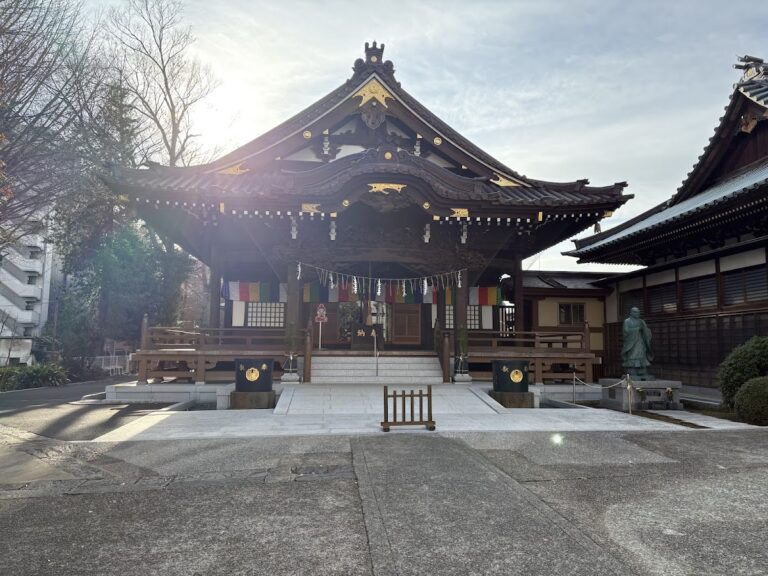
Daienji is the name of a group of Buddhist temples located throughout Japan. The word “Daien” in Buddhism means “complete enlightenment” or “perfect teachings,” and has been used by many sects. Daienji temples throughout Japan belong to different sects and play an important role as centers of local faith.
Daienji Temple in Kanazawa (Kanazawa City, Ishikawa Prefecture)
History and Origin
Daienji Temple, located in Teramachi, Kanazawa City, was founded in 1624 (Kanei 1) as a Jodo sect temple. The temple was founded by Abbot Gyōyo Zehaku, who established a hermitage to commemorate his father, Daien Sōgin Daikoji, who died in the Summer Siege of Osaka.
The Human Bone Jizo
The most famous feature of Daienji Temple in Kanazawa is the “Human Bone Jizo,” created by the third generation abbot, Shin’iwa. This Jizo is a rare Buddhist statue, said to have been made by crushing the bones of those without relatives and plastering them into the statue. It is known as a cultural asset that embodies the spirit of memorial service.
Part of the Teramachi Temple District
Daienji Temple is located in the Teramachi Temple District of Kanazawa, surrounded by historical temples such as Myōdenji, Fushimiji, Honmyōji, Kōgishiji, and Ritsuzōji. This area, including Teramachi Shōseien, is an important tourist spot in Kanazawa, attracting many worshippers and tourists.
Access Information
Address: Teramachi, Kanazawa City, Ishikawa Prefecture
Access: Approximately 15 minutes by bus from JR Kanazawa Station, 3 minutes walk from Teramachi bus stop
Daienji Temple in Meguro (Meguro Ward, Tokyo)
Overview of Matsubayashi-zan Daienji Temple
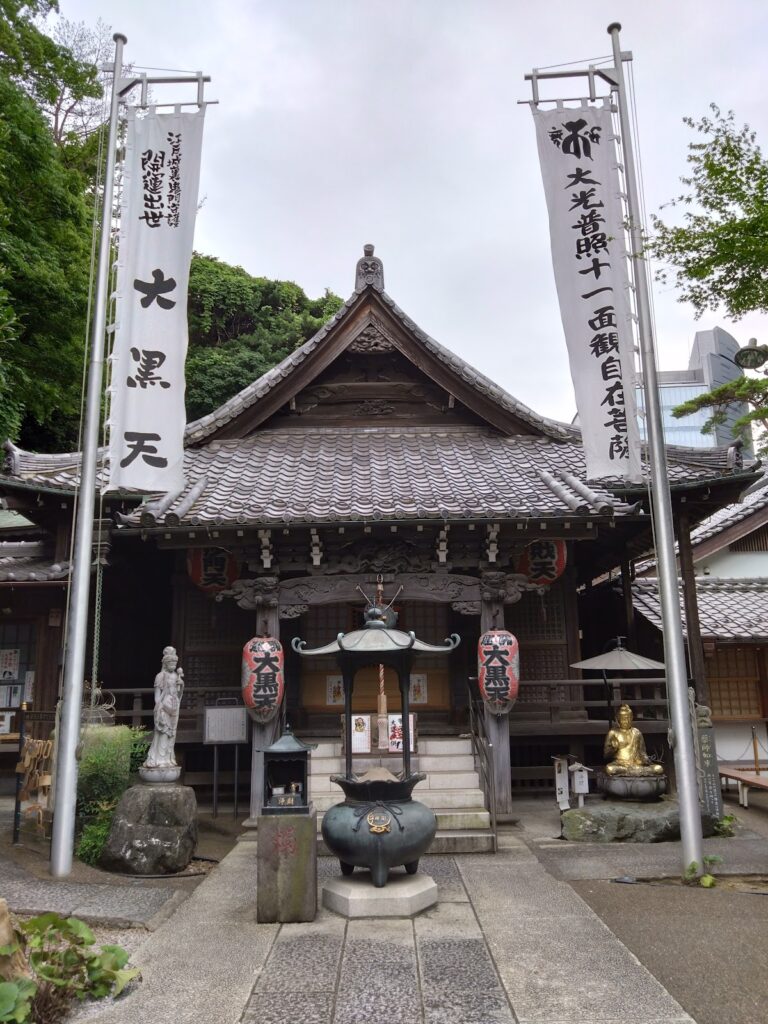
Daienji Temple, located in Shimomeguro 1-chome, Meguro Ward, Tokyo, is a Tendai sect temple with the mountain name Matsubayashi-zan. Its principal image is Shakyamuni Buddha, and it also enshrines Daikokuten. It is cherished as one of the original Yamanote Seven Lucky Gods.
History of Founding
This temple is said to have been founded during the Kan’ei era (1624-1644) by Yudono-san Shugendo practitioners. It has a history dating back to the Edo period and has developed as a center of local faith in Meguro.
Gyōninzaka and Daienji Temple
Daienji Temple in Meguro is located near Gyōninzaka slope and is historically significant as the site where the great fire of 1772, known as the “Gyōninzaka Fire,” began. This fire is counted as one of the three great fires of Edo and caused widespread damage throughout the city.
Highlights and Events
This temple, dedicated to Daikokuten (the god of wealth), is bustling with worshippers during the New Year and on Daikokuten’s festival days. It is also a popular spot on the Yamanote Seven Lucky Gods pilgrimage and has become a well-established tourist destination for those seeking good fortune.
Access Information
Address: 1-chome, Shimomeguro, Meguro-ku, Tokyo
Access: Approximately 15 minutes on foot from JR Meguro Station, approximately 10 minutes on foot from Fudomae Station on the Tokyu Meguro Line
Daienji Temple in Suginami (Suginami-ku, Tokyo)
Characteristics of Izumitani-san Daienji Temple
Daienji Temple, located in Izumi, Suginami-ku, Tokyo, is a Soto Zen Buddhist temple with the mountain name Izumitani-san and a principal image of Shakyamuni Buddha. It is also known as the Edo family temple of the Shimazu family of the Satsuma Domain, and has deep ties to the samurai class.
Connection to Tokugawa Ieyasu
It was originally established in 1597 (Keicho 2) by Tokugawa Ieyasu at Sakurada Tameike as a place for offering incense and flowers to the Tokugawa family. Later, during the Kan’ei era, it was moved to its current location in Izumi.
The Family Temple of the Shimazu Family of the Satsuma Domain
Throughout the Edo period, it functioned as the family temple of the Shimazu family of the Satsuma Domain, preserving the family’s tombs and cultural assets. It is a historically important temple, with connections to two powerful daimyo families: the Tokugawa family and the Satsuma Domain.
Access Information
Address: Izumi, Suginami-ku, Tokyo
Access: Approximately 8 minutes on foot from Eifukucho Station on the Keio Line
Daienji Temple in Ueda (Ueda City, Nagano Prefecture)
A Famous Spot for Dogtooth Violets and Cherry Blossoms
Daienji Temple in Ueda City, Nagano Prefecture, is known as a famous spot for spring flowers. It is particularly famous for its clusters of dogtooth violets, with the delicate purple flowers adorning the temple grounds from late March to early April.
A Rich Natural Environment
The area around Daienji Temple is blessed with nature, and during cherry blossom season, the temple grounds and approach are dyed pink with blossoms. Because you can enjoy both dogtooth violets and cherry blossoms at the same time, it’s a popular spring tourist spot that attracts many visitors.
Best Season for Visiting
The best time to see dogtooth violets is from late March to early April, and the best time to see cherry blossoms is from early to mid-April. During this period, the local tourism association may hold events and guided tours.
Access Information
Address: Ueda City, Nagano Prefecture
Access: Approximately 20 minutes by bus or taxi from Ueda Station
Inquiries: Shinshu Ueda Tourism Association (2-8-4 Ote, Ueda City, Nagano Prefecture 386-0024)
Daienji Temple in Owani (Owani Town, Aomori Prefecture)
Dainichi-sama of Owani
Daienji Temple, located in Kuradate, Owani Town, Aomori Prefecture, is a Shingon Buddhist temple of the Koyasan sect and a famous place that attracts fervent devotion in Tsugaru, known as “Dainichi-sama of Owani.”
History from Ancient Times
The origins of Daienji Temple date back to the Nara period. It is said to have begun when Emperor Shomu established the provincial temples, and the principal image, Dainichi Nyorai, was enshrined at Daiankoku-ji Temple on Mount Ajara.
Relationship with Hot Springs
Owani Town is known as a long-established hot spring resort, and Daienji Temple has been an object of worship for people who visit for hot spring therapy. The worship of Dainichi Nyorai and the worship of hot springs have intertwined, forming a unique religious culture of the region.
Access Information
Address: Kuradate, Owani-machi, Minamitsugaru-gun, Aomori Prefecture
Access: Approximately 15 minutes on foot from JR Owani Onsen Station
Daienji Temple in Bunkyo (Bunkyo-ku, Tokyo)
Horoku Jizo
Daienji Temple, located in Bunkyo-ku, Tokyo, is a temple known for its “Horoku Jizo” statue. A “horoku” (火烙) is a flat, unglazed earthenware pot, and a Jizo statue with this horoku on its head is enshrined here.
Belief in Relieving Headaches
The Horoku Jizo is believed to bring relief from headaches and healing from head ailments, and many worshippers visit, especially during the Jizo Bon festival in July. The custom of writing wishes on a horoku and offering it continues to this day.
Access Information
Address: Bunkyo-ku, Tokyo
Access: Within walking distance from the nearest station on various Tokyo Metro lines
Daienji Temple in Yame (Yame City, Fukuoka Prefecture)
Role as a Historical Museum
Daienji Temple in Yame City, Fukuoka Prefecture, is an ancient temple founded in 725 AD (Shinki 2), and currently functions as a historical museum. It was formerly a branch temple of Dazaifu Kannonji Temple and was responsible for managing the local land.
Connection to Prince Kaneyoshi
In 1338, Prince Kaneyoshi was appointed Seisei Shogun (Commander-in-Chief of the Western Expedition) and traveled to Kyushu. He temporarily suppressed the Northern Court forces in Kyushu, but his power declined after the battle at Mount Kora against Imagawa Ryōshun, a Northern Court leader who had traveled west as Kyushu Tandai (Governor of Kyushu), in 1371.
In April 1377, Prince Kaneyoshi retreated to Daienji Temple (Hoshino Palace). Even after handing over the position of Seisei Shogun to Prince Yoshinari, he continued to lead the Southern Court forces in this area. He died at Daienji Temple on March 27, 1383, at the age of 55.
Exhibition Contents
The historical museum displays materials related to Prince Kaneyoshi, allowing visitors to learn about the history of Kyushu during the Nanboku-chō period. During the Tensho era, the village had 11 subordinate temples, giving us a glimpse into its significant influence at the time.
Access Information
Address: Yame City, Fukuoka Prefecture
Access: Approximately 15 minutes by car from Yame IC on the Kyushu Expressway
Model Course for Visiting Daienji Temples
Visiting Daienji Temples in Tokyo
Tokyo has three Daienji temples, each with its own unique characteristics, located in Meguro, Suginami, and Bunkyo wards. A recommended model course for visiting three Daienji temples in one day is to spend the morning at Daienji Temple in Suginami, learning about the history of the Tokugawa family and the Satsuma domain; after lunch, enjoy the Yamate Seven Lucky Gods pilgrimage at Daienji Temple in Meguro; and in the afternoon, visit the Horoku Jizo in Bunkyo.
Historical Exploration Course
For history buffs, popular courses include visiting the temple district of Kanazawa and learning about the history of the Nanboku-cho period at Daienji Temple in Yame. You can relive the unique historical stories of each Daienji temple.
A Course to Enjoy Nature and Temples
In spring, enjoy the dogtooth violets and cherry blossoms at Daienji Temple in Ueda, followed by a tour of nearby tourist spots. This course offers a magnificent view and a wonderful experience of worship. Visiting Daienji Temple in Owani in combination with a hot spring visit is also recommended.
Manners and Precautions for Visiting Daienji Temples
Basic Worship Manners
When visiting a temple, bow at the main gate before entering the grounds. When praying in the main hall, quietly place your offering, clasp your hands together, and bow. Photography is only permitted in designated areas; prior confirmation is necessary, especially regarding photography inside the main hall or of Buddha statues.
Dress Code
There are no specific regulations, but it is advisable to avoid revealing clothing and wear modest attire. Even in summer, clothing that covers the shoulders and knees is preferred.
Visiting Hours and Admission Fees
Many Daienji temples are open for daytime visits, but hours vary by temple. Admission fees may apply, so it is recommended to check the website of each temple or the local tourist association beforehand.
Nearby Tourist Attractions and Gourmet Information
Around Kanazawa
When visiting Daienji Temple in Kanazawa, it’s recommended to stroll through the entire Teramachi temple district. Nearby are Myodenji Temple, Fushimidera Temple, Honmyoji Temple, Kogishiji Temple, and Ritsuzoji Temple, and you can enjoy a peaceful time at Teramachi Shoseien. Suwa Shrine is also within walking distance. Kanazawa’s famous gourmet food and souvenirs include Japanese sweets and gold leaf products.
Around Meguro
Around Daienji Temple in Meguro, there are many other tourist attractions such as Meguro Fudōson Temple and Gajoen. The cherry blossom trees along the Meguro River are magnificent, and it’s bustling with many cherry blossom viewers in spring.
Around Ueda
Ueda City has Ueda Castle Ruins Park and numerous historical sites associated with the Sanada clan. You can also enjoy Shinshu soba noodles and local souvenirs.
Utilizing Volunteer Guides
Many tourist destinations offer guided tours by volunteer guides. In particular, in Kanazawa and Ueda, guides knowledgeable about the local history and culture will carefully explain the surrounding spots, including Daienji Temple. Advance reservations may be required, so it is recommended to inquire with the local tourist association.
Summary of Access to Daienji Temple
Access by Public Transportation
Daienji Temples throughout Japan are accessible by bus or taxi from major train stations. The Daienji Temples in Kanazawa, Meguro, and Suginami have well-developed public transportation networks and are relatively easy to access.
Access by Car
Daienji Temples in rural areas (Ueda, Owani, Yame, etc.) are conveniently accessible by car. It is recommended to check the availability of parking in advance.
Checking for the Latest Information
Opening hours, event information, and access methods for each temple may change. Please check the latest information on each temple’s official website or the local tourist association website before visiting.
Summary
Daienji Temples, scattered throughout Japan, each possess their own unique history and culture, playing an important role as centers of local faith and tourism. Visiting Daienji temples belonging to different sects such as Jodo, Tendai, Soto, and Shingon Buddhism allows you to experience the diversity of Japanese Buddhism and the richness of regional culture.
Each Daienji temple is full of worthwhile sights, including the human bone Jizo statue in Kanazawa, the seven lucky gods of Yamate in Meguro, the samurai family temple in Suginami, the dogtooth violets in Ueda, the Dainichi statue in Owani, the Horoku Jizo in Bunkyo, and the historical site of Prince Kaneyoshi in Yame.
Temple pilgrimages are not merely sightseeing; they offer an opportunity to deeply understand Japanese history and culture. Listening to the stories of each Daienji temple and spending time in the tranquil grounds will be a valuable experience in today’s busy life.
Using the basic information, access methods, and surrounding tourist spots introduced in this article, please visit Daienji temples throughout Japan. A tour of Daienji temples, where you can enjoy seasonal events and the beauty of nature, will be a fascinating journey with new discoveries every time you visit.