What is Shogakuji? A thorough explanation of the history, sect, and characteristics of temples scattered throughout Japan
Shogakuji (正覚寺, 正学寺) is the name of numerous temples found throughout Japan. It is sometimes written as “正覺寺”. Despite sharing the same name, each temple belongs to a different sect and possesses its own unique history and tradition. This article provides a detailed explanation of the history, sect, characteristics, and access methods of representative Shogakuji temples throughout Japan.
About Shogakuji
The name Shogakuji originates from the Buddhist term “Shogaku.” Shogaku means “correct enlightenment” and is an important Buddhist term referring to the state in which Shakyamuni attained enlightenment under the Bodhi tree. Temples bearing this profound name are built throughout Japan, functioning as centers of faith in their respective regions.
Shogakuji temples throughout Japan belong to various sects, including Jodo-shu, Nichiren-shu, Soto-shu, and Shinshu Otani-ha. Each temple maintains a relationship with the head temple while also having deep ties with local parishioners and believers, conducting religious activities such as memorial services, funerals, and other religious services.
Introduction to Major Shogaku-ji Temples
Jissōzan Shogaku-ji Temple (Nakameguro, Meguro-ku, Tokyo)
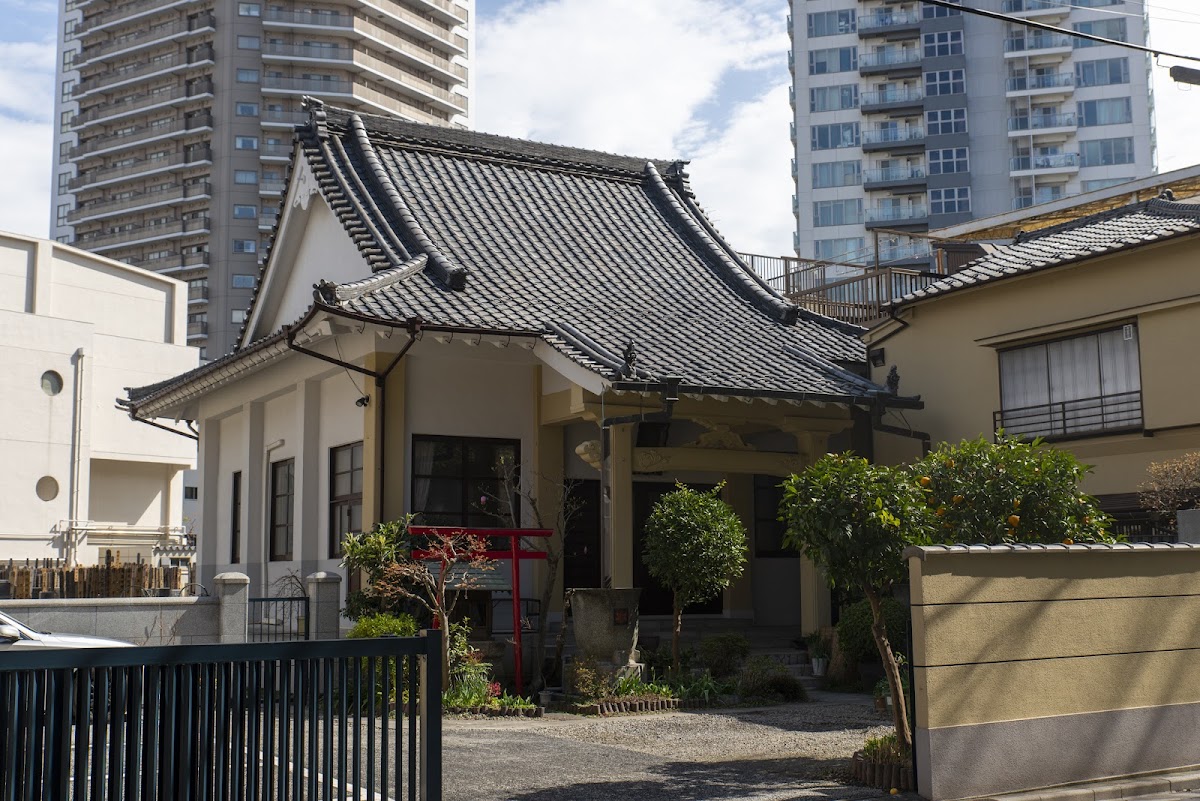
Located in Nakameguro, Meguro-ku, Tokyo, Jissōzan Shogaku-ji Temple belongs to the Nichiren sect. Despite being in a residential area in the heart of the city, it maintains a tranquil atmosphere. It has ties to Minobu-san Kuon-ji Temple, the head temple of the Nichiren sect, and conducts religious activities centered on the teachings of the Lotus Sutra.
Due to its convenient location in Nakameguro, it attracts many visitors. Regular memorial services and events are held, and it functions as a center of the local community. The temple grounds, including the main hall, are well-maintained, creating a peaceful space that allows one to forget the hustle and bustle of the city.
Shogaku-ji Temple (Shōwa-machi, Yamanashi Prefecture)
Located in Shōwa-machi, Nakakoma-gun, Yamanashi Prefecture, Shogaku-ji Temple is known as a temple deeply rooted in the local community. This temple offers various forms of memorial services to meet modern needs, in addition to traditional family graves.
Particularly noteworthy are the family graves named “Kuon,” the family grave “Sakuraka,” and the perpetual memorial grave “Sakuraju.” These are popular choices for many people as burial sites that accommodate modern family structures and changing values. The perpetual memorial grave offers peace of mind for those without successors or those concerned about future grave maintenance.
Shogaku-ji Temple (Aomori City)
Shogaku-ji Temple, located in Aomori City, belongs to the Jodo sect. The Jodo sect’s teachings are characterized by their easy-to-understand doctrine: chanting “Namu Amida Butsu” leads to rebirth in Amida Buddha’s Pure Land.
At this temple, a memorial service called “Oko” is held every month on the anniversary of Honen Shonin’s death. While other monthly events may be suspended during the winter, the Oko service continues throughout the year and is a central event of the faith. Furthermore, regular events such as Kannon lectures and sutra copying sessions are held, supporting the religious lives of parishioners and local residents.
Shogaku-ji Temple (Fukui City, Fukui Prefecture)
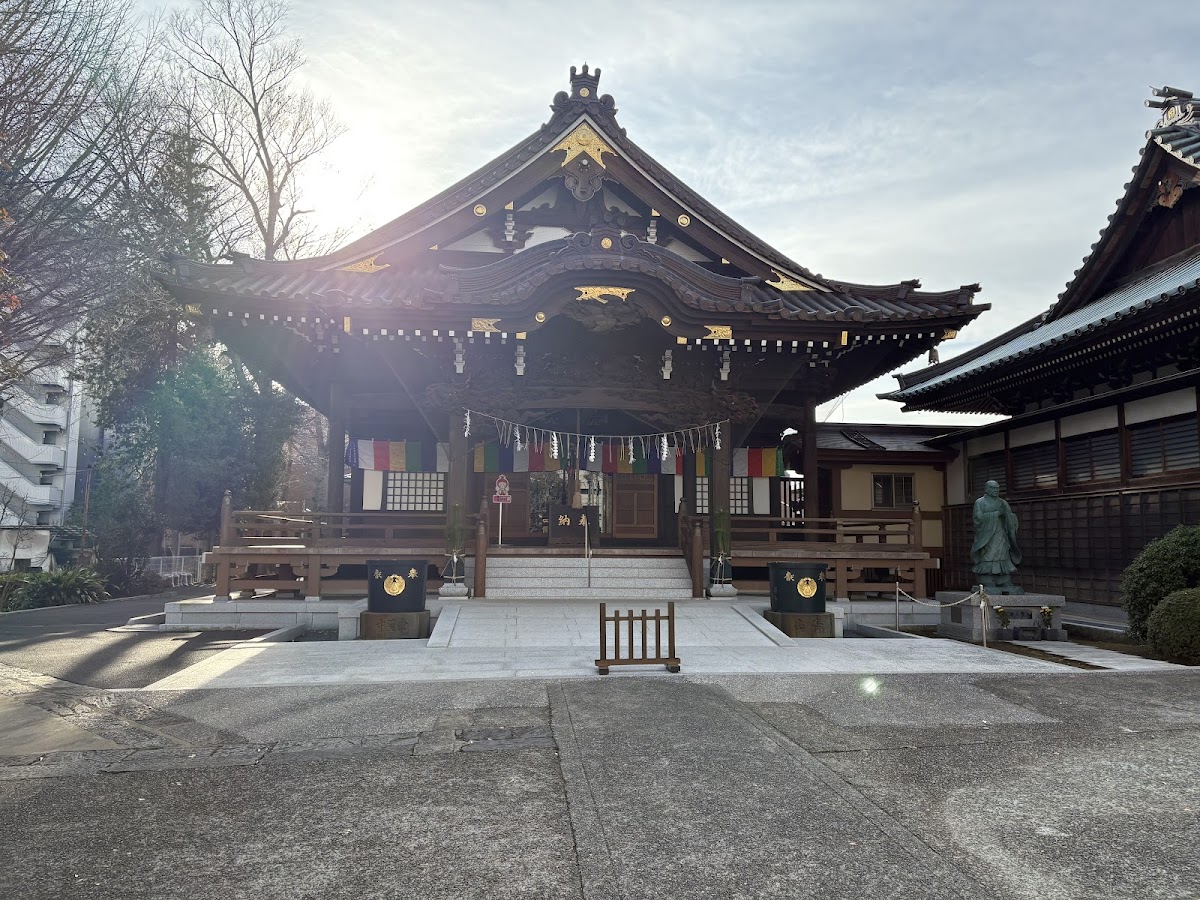
Shogaku-ji Temple, located in Fukui City, Fukui Prefecture, is a historic Jodo sect temple. It is said to have been founded in 1366 (Joji 5) by Ryōnyo Shōnin, giving it a history of over 650 years.
This region is a historical site where Shin-Zenkōji Castle was built by Ashikaga (Shiba) Takatsune, the governor of Echizen Province during the Nanboku-chō period, and it was also the site of a battle against Nitta Yoshisada in 1338. Shogaku-ji Temple has survived as a center of faith in the region throughout this history. Even today, it upholds the teachings of the Jodo sect and provides spiritual support to its parishioners and local residents.
Shogaku-ji Temple (Hannō City, Saitama Prefecture)
Shogaku-ji Temple, located in Hannō City, Saitama Prefecture, is known as a temple where visitors can experience temple lodging. Located in a tranquil setting surrounded by lush mountains, yet easily accessible from the city center, it is known as a “gateway to temple training.”
The temple lodging offers programs suitable for first-timers, including morning prayers, Zen meditation, and vegetarian meals. During the day, the peaceful environment, filled with the sounds of birdsong, the river, and the wind, allows one to escape the hustle and bustle of everyday life and find peace of mind. It is a popular place for those weary of city life to refresh their mind and body.
Shogaku-ji Temple (Sagamihara City, Kanagawa Prefecture)
Shogaku-ji Temple, located in Sagamihara City, Kanagawa Prefecture, is affectionately known as the “Haiku Temple.” It is a place where haiku-related activities are actively conducted, and it is also known as a place visited by the renowned haiku poet, Saigyo Hoshi.
Numerous haiku monuments by famous haiku poets are erected on the temple grounds, making it a pilgrimage site for haiku enthusiasts. It is also known as a famous spot for azaleas and camellias, attracting many worshippers and tourists during the flowering season. This temple possesses a unique atmosphere where culture and nature are in harmony.
Other Shogaku-ji Temples
In Rumoi City, Hokkaido, there is a Shogaku-ji Temple of the Soto Zen sect, and in Aibetsu Town, Kamikawa District, Hokkaido, there is a Shogaku-ji Temple of the Shinshu Otani sect. Thus, temples named Shogaku-ji are scattered throughout Japan, from Hokkaido to Kyushu, each playing an important role as a center of faith in its respective region.
Shogaku-ji Temple’s Sect and Teachings
Jodo Sect Shogaku-ji Temple
Shogaku-ji Temples belonging to the Jodo sect preach the teachings of the Jodo sect, founded by Honen Shonin. The teaching that anyone can attain rebirth in Amida Buddha’s Pure Land by chanting “Namu Amida Butsu” has been widely accepted as a teaching open to all people, requiring no specialized training.
The head temple of the Jodo sect is Chion-in Temple in Kyoto, and Jodo sect temples throughout Japan maintain connections with this head temple while conducting missionary activities in their respective regions. At Shogakuji Temple, these teachings are conveyed to parishioners and local residents through regular memorial services and Dharma talks.
Shogakuji Temple of the Nichiren Sect
At Shogakuji Temple, which belongs to the Nichiren sect, the teachings of the Lotus Sutra, expounded by Nichiren Shonin, are central. It is believed that chanting the title “Namu Myoho Renge Kyo” can bring one closer to Buddhahood.
The head temple of the Nichiren sect is Minobu-san Kuonji Temple in Yamanashi Prefecture, and all Nichiren sect temples throughout Japan belong to a religious organization centered around this head temple. At Shogakuji Temple, memorial services and events based on the teachings of Nichiren Shonin are held, supporting the religious lives of parishioners.
Shogakuji Temple of the Soto Zen and Shinshu Otani School
At Shogakuji Temple, which belongs to the Soto Zen sect, emphasis is placed on meditation. A distinctive feature is the practice of “Shikan Taza,” which involves simply and wholeheartedly sitting in meditation. At Shogaku-ji Temple of the Shinshu Otani sect, the teachings of salvation through the power of others, based on the teachings of Shinran Shonin, are expounded.
Access
Access to Shogaku-ji Temples varies depending on their location.
Shogaku-ji Temple in Nakameguro, Tokyo is within walking distance of Nakameguro Station on the Tokyo Metro Hibiya Line and Tokyu Toyoko Line, making it very convenient to access from the city center.
Shogaku-ji Temple in Showa-cho, Yamanashi Prefecture is a few minutes’ drive from the Kofu-Showa Interchange on the Chuo Expressway. If using public transportation, you will need to take a bus or taxi from Kofu Station on the JR Chuo Main Line.
Shogaku-ji Temple in Aomori City can be accessed by bus or taxi from JR Aomori Station. It is recommended to inquire with the temple in advance for specific access information.
Shogaku-ji Temple in Fukui City is approximately a 15-minute drive from JR Fukui Station. Bus routes are available, but the number of services may be limited, so it is necessary to check in advance.
Shogaku-ji Temple in Hannō City, Saitama Prefecture is located in a mountainous area about 20 minutes by car from Hannō Station on the Seibu Ikebukuro Line. If you are staying at the temple lodging, a shuttle service may be available if you make a reservation in advance.
For detailed access information for each temple, it is recommended to check the official website or call.
About Graves
In modern times, attitudes towards graves have diversified. Many Shogaku-ji temples offer not only traditional general graves but also various forms of graves and memorial services.
General Graves
This is the traditional form of grave passed down through generations of a family. A tombstone is erected, and the family and descendants continue to perform memorial services for their ancestors. Cemetery management and annual maintenance fees vary by temple, so it is necessary to inquire directly for details.
Family Graves
These are burial plots for individual families, adapted to the modern era of increasing nuclear families. These gravestones are more compact and easier to manage than traditional large gravestones. At Shogaku-ji Temple in Showa-cho, Yamanashi Prefecture, they are offered under the name “Sakuraka” and are popular as an option suited to modern lifestyles.
Perpetual Memorial Graves
This is a form of memorial service for those without successors or those who anticipate difficulty managing their graves in the future. The temple provides perpetual memorial services and management, allowing the deceased to rest peacefully without burdening their descendants. There are types with individual gravestones and types where remains are interred together; costs and forms of memorial services vary depending on the temple.
About Memorial Services
Shogaku-ji Temple performs various memorial services.
Annual Memorial Services
These are memorial services held on the anniversary of the deceased’s death, including the first, third, seventh, thirteenth, seventeenth, twenty-third, twenty-seventh, thirty-third, and fiftieth anniversaries. These memorial services are important opportunities for families to remember the deceased, pray for their peaceful repose, and reaffirm their bond with the deceased.
Monthly Memorial Services
In Jodo-shu temples, a memorial service (Oko) is held on the monthly anniversary of the death of the sect’s founder, Honen Shonin. Similarly, in Nichiren-shu temples, a memorial service is held on the monthly anniversary of the death of Nichiren Shonin. These monthly memorial services provide an opportunity for parishioners to regularly visit the temple and deepen their faith.
Ancestor and Stillborn Child Memorial Services
Ancestral memorial services, which honor the spirits of ancestors, and memorial services for stillborn children who were unable to be born into this world are also held. These services are important religious ceremonies that bring peace of mind to the bereaved families.
About Funerals
Shogaku-ji Temple conducts funerals for parishioners and believers. A funeral is the most important ceremony for sending off the deceased and is conducted solemnly according to the customs of each sect.
In Jodo-shu funerals, the Nembutsu is chanted with the hope that the deceased will be reborn in Amida Buddha’s Pure Land. In Nichiren-shu funerals, the Daimoku is chanted based on the teachings of the Lotus Sutra. In Soto-shu funerals, a ceremony is held to bestow a posthumous Buddhist name upon the deceased, sending them off as a disciple of Buddha.
In modern times, funeral forms have diversified, including family funerals and one-day funerals. Many temples are flexible and accommodate the wishes and circumstances of the bereaved family. You can inquire about funeral arrangements with the temple in advance.
About Visiting and Praying
Shogaku-ji Temple accepts daily visits and various prayers.
Daily Visits
Visiting graves and Buddhist altars is a time for dialogue with the deceased and an opportunity for self-reflection. Many temples welcome visitors to their grounds even if they are not parishioners, allowing for a peaceful and calming environment.
Various Prayers
We accept various prayers, including those for family safety, good health, academic success, business prosperity, and traffic safety. Praying for the protection of Buddha at important life milestones and crucial times is a traditional Japanese form of faith.
Sutra Copying and Zen Meditation Sessions
Some Shogaku-ji temples also offer spiritual experiences such as sutra copying and Zen meditation sessions. These activities provide a valuable opportunity to escape the hustle and bustle of daily life and confront oneself. Programs specifically designed for beginners are available, making it easy to participate.
Rediscovering the Charm of Shogaku-ji Temple
While temples named Shogaku-ji exist throughout Japan, each possesses its own unique history and characteristics. From temples nestled in urban areas to those in lush mountain regions and those intertwined with haiku culture, their individuality is diverse.
In modern society, temples are not merely religious institutions; they play diverse roles as centers of local communities, places of peace, and centers for cultural transmission. Shogaku-ji temples also fulfill these roles in their respective regions.
Temples offering lodging experiences provide an opportunity to rediscover the tranquility and spirituality that modern people are losing. Temples known as haiku temples allow visitors to experience the changing seasons and the beauty of nature through haiku, a traditional Japanese art form.
Furthermore, temples offering new forms of memorial services, such as perpetual memorial graves, are adapting to the changes of modern society while continuing to uphold the essence of Buddhism: the spirit of “memorial service.”
Inquiries
The method of contacting each Shogaku-ji temple varies. Many temples have official websites where you can find inquiry forms, email addresses, and phone numbers.
Examples of inquiries:
- Consultation regarding cemeteries and perpetual memorial graves
- Requests for funerals and memorial services
- Reservations for lodging experiences
- Confirmation of visiting hours and event schedules
- Detailed transportation access information
- Applications for various prayers
When making an inquiry, it is helpful to organize your specific questions beforehand. For important ceremonies such as memorial services and funerals, it is recommended to consult as early as possible.
Summary
Shogakuji is a name for temples located throughout Japan, each possessing different sects, histories, and characteristics. Shogakuji temples belonging to various sects such as Jodo-shu, Nichiren-shu, Soto-shu, and Shinshu Otani-ha function as centers of local faith while maintaining connections with their respective head temples.
From a Nichiren-shu temple in Nakameguro, Tokyo, to a temple with a modern cemetery in Showa-cho, Yamanashi Prefecture, a Jodo-shu temple in Aomori City, a historic temple in Fukui City, a temple offering lodging experiences in Hanno City, Saitama Prefecture, and a haiku temple in Sagamihara City, Kanagawa Prefecture, each Shogakuji temple has its own unique charm.
In modern society, temples fulfill diverse functions beyond traditional roles such as funerals and memorial services, serving as places of peace, cultural experiences, and community centers. Shogakuji temples, too, continue to uphold Buddhist teachings and provide spiritual support to people while adapting to changing times.
For inquiries regarding graves, memorial services, funerals, or visits to temples, it is recommended to contact each Shogakuji temple directly. Many temples will treat you kindly.