Complete Guide to Ishite-ji Temple | History, Highlights, and Access to the 51st Temple of the Shikoku 88 Temple Pilgrimage
Ishite-ji Temple is a Shingon sect temple located in Matsuyama City, Ehime Prefecture, and is known as the 51st temple of the Shikoku 88 Temple Pilgrimage. It boasts a history of over 1300 years, possessing many important cultural properties, including the National Treasure Niomon Gate. This article provides a detailed introduction to Ishite-ji Temple, including its history, highlights within the temple grounds, visiting information, and access methods.
About Ishite-ji Temple
Ishite-ji Temple’s official name is “Kumano-san Kokuzo-in Ishite-ji,” and its principal image is Yakushi Nyorai (Medicine Buddha). The temple’s name originates from the legend of Emon Saburo, and it is an important sacred site deeply connected to the origins of the Shikoku Pilgrimage.
Basic Information
- Sect: Shingon-shu Buzan-ha
- Principal Image: Yakushi Nyorai (Medicine Buddha)
- Founder: Traditionally attributed to Gyoki Bodhisattva
- Founded: 728 AD (Jinki 5)
- Pilgrimage Site: 51st Temple of the Shikoku 88 Temple Pilgrimage
- Location: 2-9-21 Ishite, Matsuyama City, Ehime Prefecture
- Cultural Properties: 1 National Treasure, 6 Important Cultural Properties
History of Ishite-ji Temple
Founding and Origin
Ishite-ji Temple is said to have been founded in 728 AD (Jinki 5) during the Nara period, and is believed to have been established by Gyoki Bodhisattva at the behest of Emperor Shomu. Initially called “An’yoji Temple,” it was later renamed “Ishite-ji Temple.”
The Legend of Emon Saburo and the Origin of the Temple’s Name
The name of Ishite-ji Temple originates from the legend of “Emon Saburo,” considered the origin of the Shikoku Pilgrimage.
Emon Saburo, a wealthy farmer in Iyo Province (present-day Ehime Prefecture), treated a visiting monk (Kobo Daishi) rudely one day, smashing his begging bowl. Afterward, Saburo’s eight children died one after another. Realizing his wrongdoing, Saburo embarked on a pilgrimage around Shikoku in search of Kobo Daishi.
After his 20th pilgrimage, Kobo Daishi appeared before Saburo, who had collapsed in Awa Province (present-day Tokushima Prefecture), and Saburo begged for forgiveness. It is said that the Daishi wrote “Emon Saburo” on a small stone and placed it in Saburo’s hand. After Saburo’s death, he was reborn as the son of a lord in Iyo Province. The child was born with a clenched fist, and when opened, it was found clutching the stone inscribed with “Emon Saburo.”
This stone was dedicated to Anyoji Temple, and it is said that the temple came to be known as “Ishite-dera” (Stone Hand Temple) afterward. This legend is widely known as the origin story of the Shikoku Pilgrimage.
From the Medieval to the Early Modern Period
During the Kamakura period, under the patronage of warlords of Iyo Province, including the Kono clan, many temple buildings were constructed. The existing National Treasures, such as the Niomon Gate, the main hall, and the three-story pagoda, were built during this period.
Although it declined temporarily during the Sengoku period, it was revived under the protection of the Matsuyama domain lord during the Edo period, and attracted many pilgrims along with the flourishing of the Shikoku Pilgrimage.
From the Modern Period Onward
Despite being affected by the anti-Buddhist movement of the Meiji era, the temple managed to preserve its important cultural properties, and in 1922 (Taisho 11), the Niomon Gate was designated a National Treasure (formerly a National Treasure, equivalent to the current Important Cultural Property). After the enactment of the Cultural Properties Protection Law in 1952 (Showa 27), it was again designated a National Treasure.
Even today, as a pilgrimage site of the Shikoku 88 Temple Pilgrimage and a representative tourist attraction of Matsuyama, it attracts many worshippers and tourists throughout the year.
Cultural Properties of Ishite-ji Temple
Ishite-ji Temple houses numerous valuable cultural properties, including one National Treasure and six Important Cultural Properties.
National Treasure
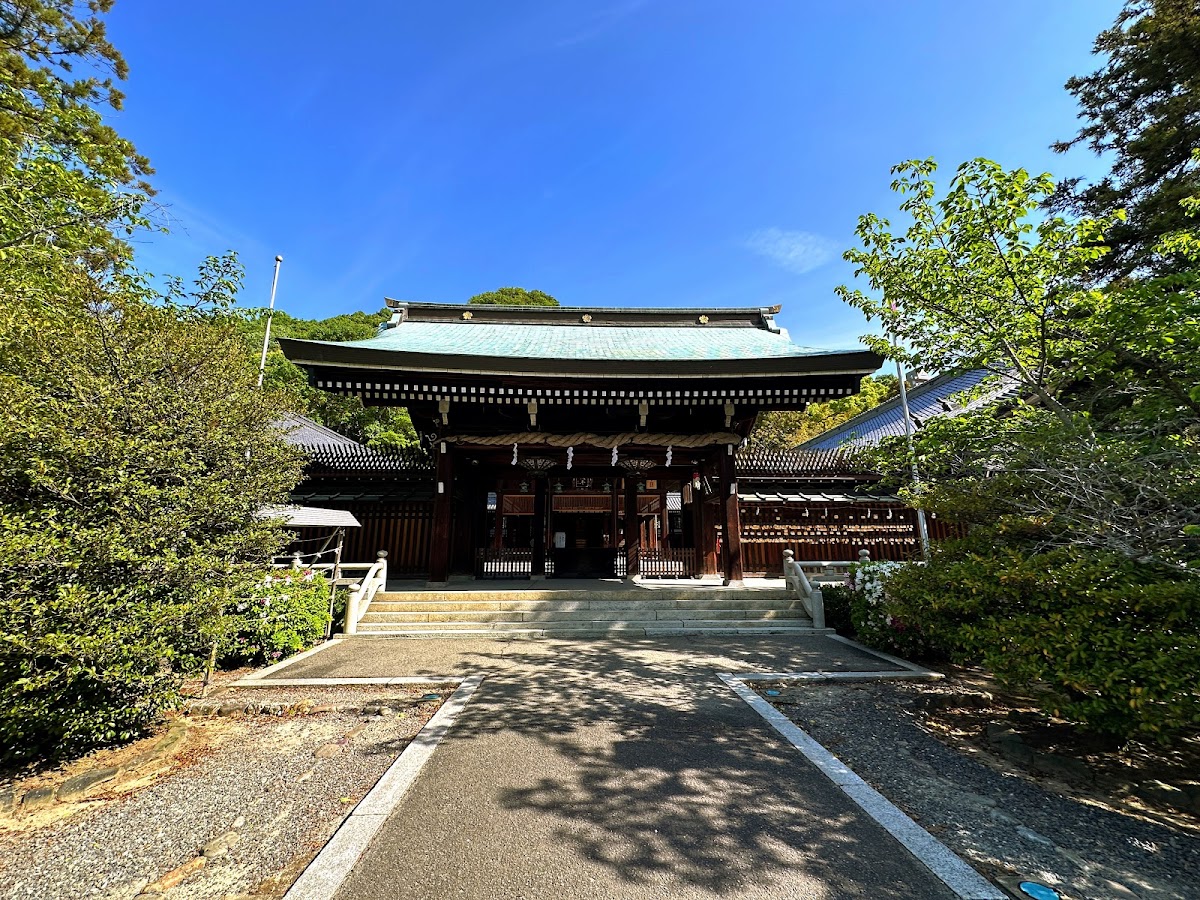
Niomon Gate
The Niomon Gate of Ishite-ji Temple is a two-story gate built in the late Kamakura period (1318) and was designated a National Treasure in 1952.
Features:
- Style: A blend of Japanese and Chinese (Zen Buddhist) styles
- Structure: Three bays, one entrance, hip-and-gable roof, tiled roof
- Height: Approximately 10 meters
- Characteristics: Beautifully balanced form and exquisite detail in the carvings
The Niomon Gate houses Kongo Rikishi statues (Nio statues) said to be in the style of Unkei and Kaikei, possessing an overwhelming presence that captivates visitors. On either side of the gate are Ungyo and Agyo Nio statues, protecting the temple grounds from evil.
Important Cultural Property
Main Hall
The Main Hall is a late Kamakura period building and is designated as an Important Cultural Property. It is a magnificent building with a hip-and-gable roof and tiled roof, and houses the principal image, a seated statue of Yakushi Nyorai (Medicine Buddha).
Three-Storied Pagoda
The three-storied pagoda, approximately 24 meters tall, is a late Kamakura period building and a designated Important Cultural Property. Its well-proportioned and beautiful form is one of the symbols of Ishite-ji Temple.
Goma Hall
A Kamakura period building, this hall is where the esoteric Buddhist goma ritual is performed.
Bell Tower
The bell tower, which retains the architectural style of the Kamakura period, is also designated as an Important Cultural Property.
Hariti Hall (Kishimojin Hall)
This hall enshrines Hariti, the goddess of fertility and safe childbirth, and attracts many worshippers.
Other Cultural Properties
Numerous Important Cultural Properties, including a bronze bell and ancient documents, are housed here.
Highlights of the Temple Grounds
The grounds of Ishite-ji Temple are vast and offer many points of interest. We recommend taking your time to explore the grounds in conjunction with your visit.
Mantra Cave
Behind the main hall lies a cave approximately 160 meters long, filled with countless stone Buddha statues and religious objects. The experience of venturing into the dimly lit cave is like stepping into another world, making it a particularly unique spot within Ishite-ji Temple.
Emon Saburo’s Stone
As a temple treasure, the “stone” associated with the legend of Emon Saburo is preserved and occasionally displayed to the public on special occasions.
Daishi Hall
This hall enshrines Kobo Daishi and is a place of particularly fervent worship for pilgrims.
Bell Tower and Bell
Visitors can ring the bell (depending on the time of day), and its sound resonates throughout the temple grounds.
Five Hundred Arhats
Numerous Arhat statues are placed throughout the temple grounds, each displaying a different expression.
Stone Garden and Garden
The beautifully maintained garden displays different expressions throughout the seasons, and is particularly magnificent during cherry blossom season and autumn foliage season.
Treasure Hall
The Treasure Hall, which displays temple treasures, allows visitors to view ancient documents, Buddhist statues, and ritual implements (please check opening hours).
Visiting Information
Visiting Hours and Admission Fees
- Visiting Hours: Grounds are freely accessible (Main Hall and Daishi Hall are generally open from 8:00 to 17:00)
- Admission Fee: Grounds are free (Treasure Hall has a separate fee)
- Estimated Time Required: 30 minutes to 1 hour for a normal visit, 1.5 to 2 hours for a thorough visit
Goshuin (Temple Seal)
Ishite-ji Temple offers a Goshuin as the 51st temple of the Shikoku 88 Temple Pilgrimage.
- Reception Location: Nokyosho (Temple Office)
- Reception Hours: 7:00 AM – 5:00 PM (Hours may vary depending on the season)
- Fees: 300 yen for inscription in the Goshuincho (stamp book), 200 yen for the Goshuin (image).
Pilgrims on the Shikoku Pilgrimage can also receive Goshuin stamps on their Nokyocho, Nokyo-jiku (pilgrimage scroll), and white robes.
Annual Events
Ishite-ji Temple holds various events throughout the year.
- January 1st-3rd: Hatsumode (First Shrine Visit of the Year)
- February 3rd: Setsubun-e (Bean-Throwing Festival)
- April 8th: Hanamatsuri (Flower Festival) (Buddha’s Birthday)
- August 13th-15th: Obon Memorial Service
- 21st of Every Month: Kobo Daishi Memorial Day
Visiting Etiquette
As a temple on the Shikoku Pilgrimage, please observe the following etiquette when visiting.
- Bow at the Temple Gate: Bow before passing through the Niomon Gate.
- Purify at the Water Basin: Purify your hands and mouth.
- Visit the Main Hall: Pay your respects to the principal image, Yakushi Nyorai (Medicine Buddha).
- Visit the Daishi Hall: Pay your respects to Kobo Daishi (Kobo Daishi).
- Receive a Temple Seal: Receive a Goshuin (temple stamp).
- Bow at the Temple Gate: Bow again at the Niomon Gate when leaving.
Access Information
Ishite-ji Temple is easily accessible by both public transport and private car.
Access by Train and Bus
From Matsuyama Station:
- Take the Iyo Railway Bus bound for “Dogo Onsen” or “Ishiteji-mae”
- Get off at the “Ishiteji-mae” bus stop and walk for about 5 minutes
- Travel time: About 20 minutes
- Fare: About 300 yen one way
From Dogo Onsen:
- About 20 minutes on foot (about 1.5 km)
- About 5 minutes by taxi
- Bus is also available
From JR Matsuyama Station:
- Take the Iyo Railway city tram to “Dogo Onsen Station,” then take a bus or walk from there
- Or take a bus directly to “Ishiteji-mae”
Access by Private Car
From Matsuyama Expressway:
- About 15 minutes from Matsuyama IC
- Via National Route 33 and Matsuyama Eastern Ring Road
Parking:
- Free parking available for visitors (about 50 cars)
- Large bus parking available
- May be crowded during peak seasons
Nearby Tourist Attractions
The following tourist attractions are located near Ishite-ji Temple:
- Dogo Onsen: Approximately 20 minutes on foot, Japan’s oldest hot spring
- Dogo Onsen Main Building: A nationally important cultural property
- Isaniwa Shrine: Approximately 15 minutes on foot, a beautiful shrine built in the Hachiman style
- Shiki Memorial Museum: Exhibits materials related to Masaoka Shiki
- Matsuyama Castle: Located in the city center, one of the 12 remaining castle keeps
Shikoku Pilgrimage and Ishite-ji Temple
Ishite-ji Temple holds an important position in the Shikoku Pilgrimage as the 51st temple of the Shikoku 88 Temple Pilgrimage.
History and Significance of the Pilgrimage
The Shikoku Pilgrimage is a pilgrimage to 88 temples associated with Kobo Daishi (Kukai), with a history of approximately 1200 years. The entire route covers approximately 1200-1400 kilometers and takes 40-50 days to complete on foot.
Ishite-ji Temple is particularly important among the temples in Iyo Province (Ehime Prefecture) and is deeply connected to the origins of the Shikoku Pilgrimage through the legend of Emon Saburo.
Preceding and Following Temples
- Temple No. 50: Hanta-ji Temple – Approximately 2km from Ishite-ji Temple
- Temple No. 51: Ishite-ji Temple
- Temple No. 52: Taisan-ji Temple – Approximately 10km from Ishite-ji Temple
Modern Pilgrimage
In modern times, the pilgrimage is undertaken not only on foot, but also by bicycle, motorcycle, car, and bus tours. Ishite-ji Temple is located in Matsuyama City and is close to Dogo Onsen, so many people combine their visit with sightseeing.
The Four Seasons of Ishite-ji Temple
Ishite-ji Temple displays beauty in every season, offering different charms depending on when you visit.
Spring (March-May)
During cherry blossom season, the temple grounds are in full bloom. The cherry blossoms around the Niomon Gate are particularly magnificent, creating a stunning photo opportunity with the contrast between the national treasure gate and the blossoms. Early April is the best time to visit.
Summer (June-August)
The fresh greenery is beautiful, and the temple grounds are enveloped in green. The coolness of the Mantra Cave is especially pleasant during this season. Many visitors come during the Obon period.
Autumn (September-November)
During the autumn foliage season, the maple and ginkgo trees on the temple grounds change color, with the autumn leaves around the three-story pagoda being particularly spectacular. Mid-to-late November is the best time to visit. Visiting the temple in the crisp autumn air is a special experience.
Winter (December to February)
This is a season when there are relatively few visitors, allowing for a peaceful visit. It gets crowded during the New Year’s visit period. The temple grounds are enveloped in a solemn atmosphere amidst the crisp winter air.
Training Experiences at Ishite-ji Temple
While Ishite-ji Temple does not offer training experiences or lodging for the general public, opportunities for sutra copying and Dharma talks are sometimes provided. Please inquire at the temple office for details.
Nearby Restaurants and Souvenirs
Shops in Front of the Temple
Souvenir shops and restaurants line the area in front of Ishite-ji Temple’s gate.
- Pilgrimage Goods: Sutra notebooks, white robes, walking sticks, etc.
- Local Specialties: Ehime mandarin orange products, tarts, etc.
- Restaurants: Udon, soba, set meals, etc.
Around Dogo Onsen
The Dogo Onsen area, within walking distance, has many restaurants and souvenir shops.
- Tai-meshi: A local dish from Ehime Prefecture
- Jakoten: A type of fish cake
- Botchan Dango: A famous Japanese confection from Dogo Onsen
Points to Note When Visiting Ishite-ji Temple
Clothing
- The temple grounds are large and have stairs, so comfortable walking shoes are recommended.
- The Mantra Cave is dimly lit, and some areas have uneven footing, so caution is necessary.
- It is hot in summer and cold in winter, so dress appropriately for the season.
Photography
- Photography is generally permitted on the temple grounds, but there are areas where photography is prohibited, such as inside the main hall.
- Please be considerate of other visitors.
Other
- Smoking is prohibited on the temple grounds.
- Pets are generally not allowed.
- Please refrain from loud conversations.
Summary
Ishite-ji Temple is the 51st temple of the Shikoku 88 Temple Pilgrimage, boasting a history of over 1300 years. It is a renowned temple possessing valuable cultural assets, including the National Treasure Niomon Gate. The temple’s name, derived from the legend of Emon Saburo, is deeply connected to the origins of the Shikoku pilgrimage, attracting many pilgrims and worshippers.
The vast temple grounds offer numerous sights, including the main hall, a three-story pagoda, and a mantra cave, making it well worth taking your time to explore. Located near Dogo Onsen, it’s a must-visit spot for anyone sightseeing in Matsuyama.
Why not experience the history, culture, and inner peace at Ishite-ji Temple, which displays its beauty throughout the seasons?
Inquiries about Ishite-ji Temple
- Temple Name: Kumano-san Ishite-ji Temple
- Address: 2-9-21 Ishite, Matsuyama City, Ehime Prefecture 790-0852
- Phone: 089-977-0870
- Official Website: (Please check by phone for the latest information)
We recommend checking by phone in advance for details regarding visiting hours and events.