Complete Guide to Fuji Sengen Shrines: A Thorough Explanation from the Head Shrine to Various Sacred Sites Across Japan
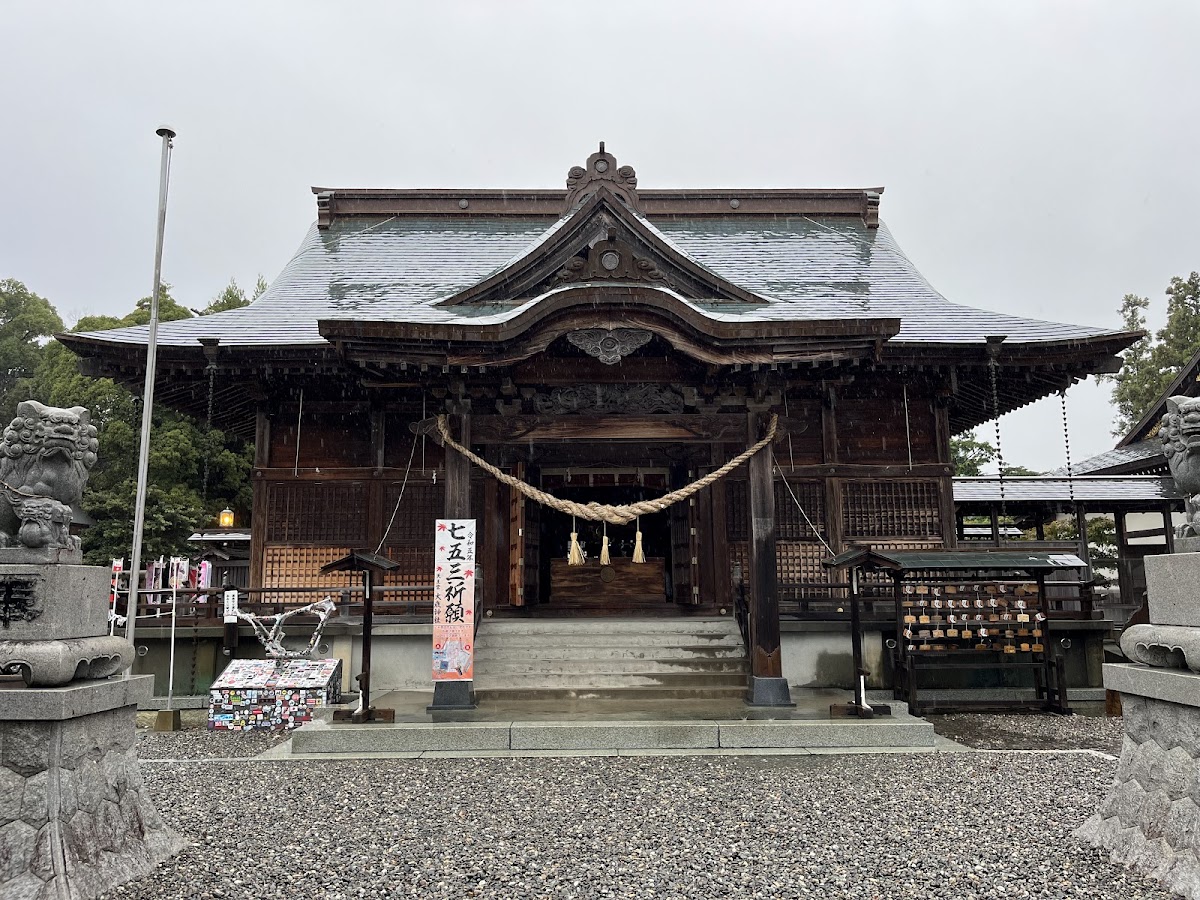
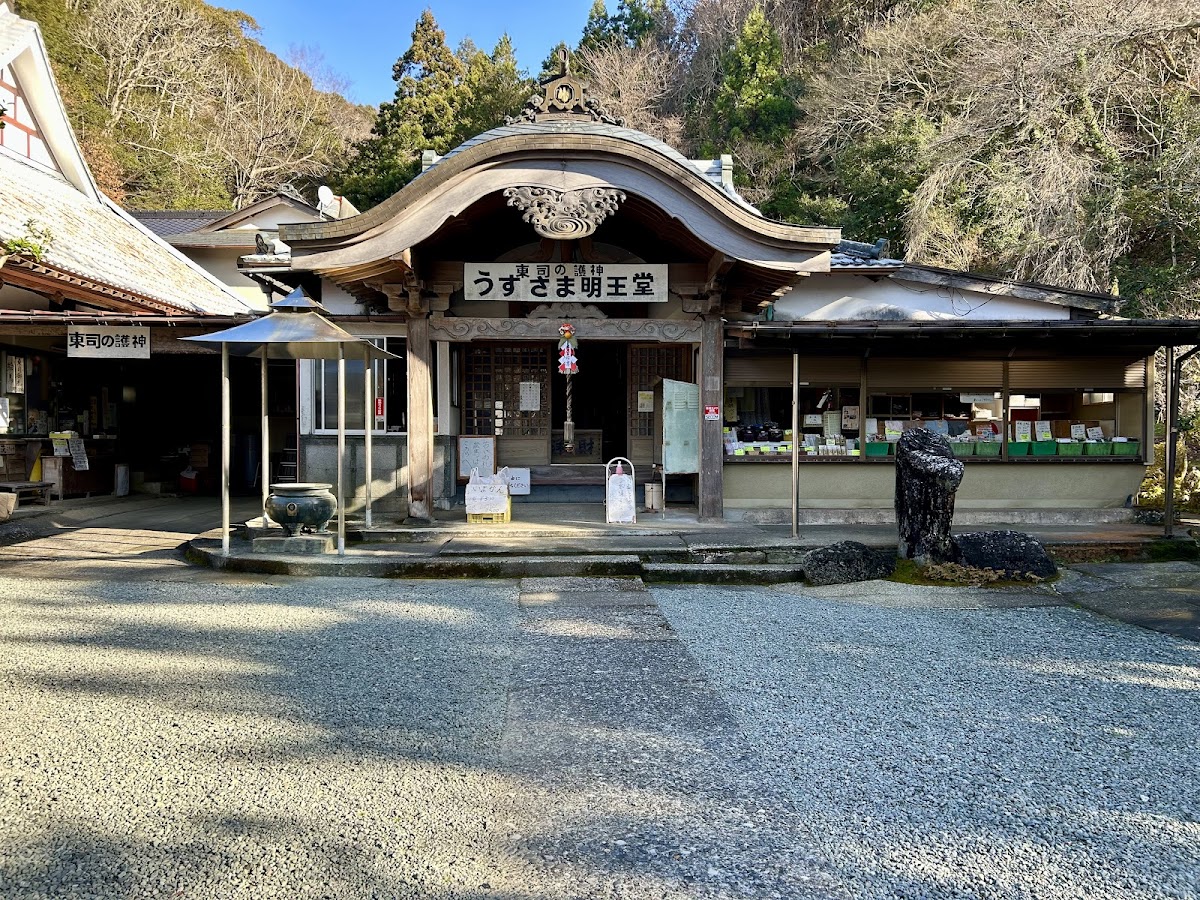
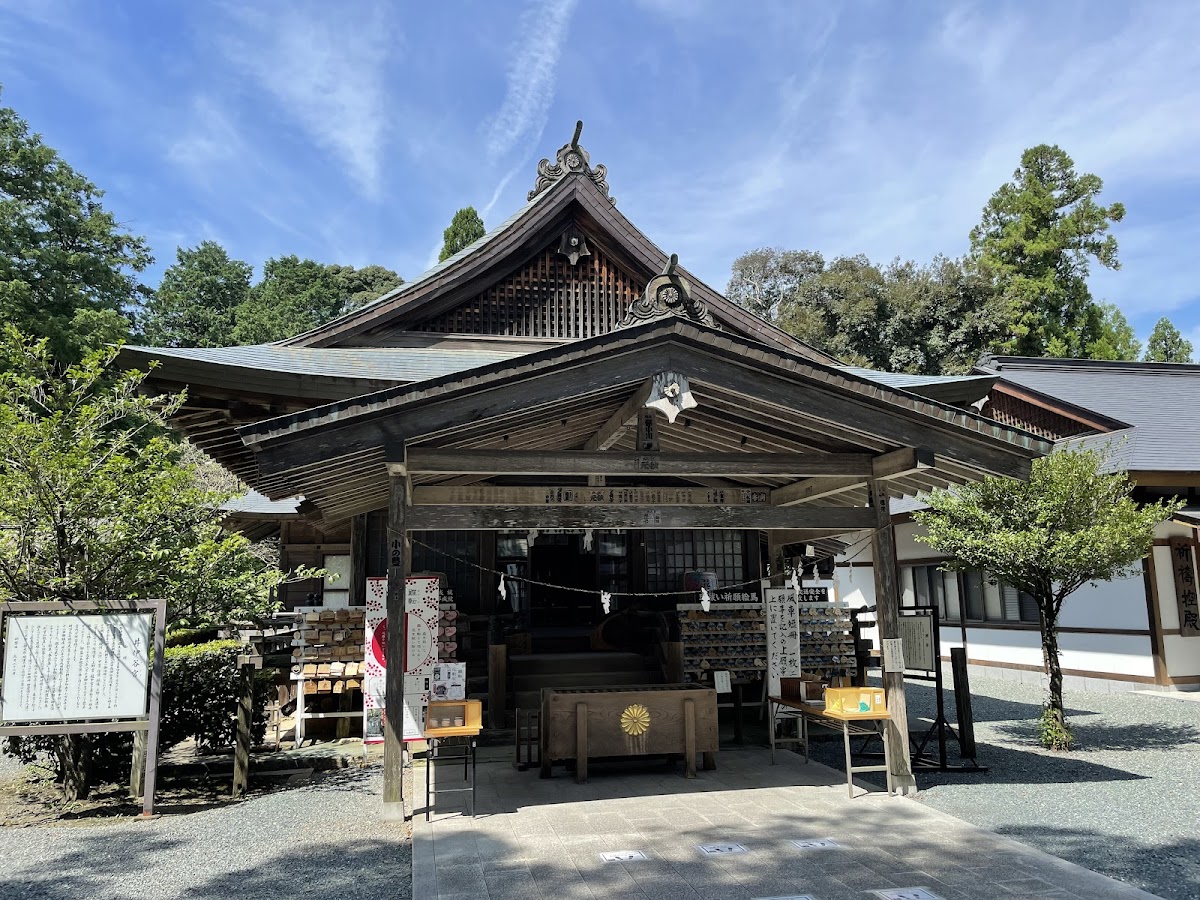
Fuji Sengen Shrines are a general term for shrines that enshrine Mount Fuji, Japan’s most sacred mountain, as their deity. There are over 1,300 such shrines throughout Japan, playing a central role in Mount Fuji worship. This article provides a detailed explanation of the history, characteristics, and methods of worship at major Sengen Shrines, including Fujisan Hongu Sengen Taisha.
What are Sengen Shrines?: The Origins and History of Mount Fuji Worship
Sengen Shrines were founded to appease the eruptions of Mount Fuji. From ancient times, Mount Fuji was feared as an active volcano, and to appease its unruly god, it was worshipped as Asama no Okami.
Deities Enshrined at Sengen Shrines
The main deity is Konohanasakuya-hime no Mikoto. A beautiful goddess appearing in Japanese mythology, she is said to be the daughter of Oyamatsumi-no-kami, the god of mountains. As her name suggests, meaning “as beautiful as a blooming cherry blossom,” she is worshipped as a symbol of beauty and purity.
Dual Structure of Mountain Shrine and Village Shrine
A characteristic feature of Asama Shrine rituals is the paired worship of a mountain shrine (yamamiya) and a village shrine (satomiya). The mountain shrine is established in the mountains as a place for worshipping Mount Fuji from afar, while the village shrine is located around spring-fed ponds and lakes, functioning as a place for praying for fire prevention. This dual structure represents the essence of Mount Fuji worship.
Fujisan Hongu Sengen Taisha: The Head Shrine of All Sengen Shrines Nationwide
Located in Fujinomiya City, Shizuoka Prefecture, Fujisan Hongu Sengen Taisha holds the most important position as the head shrine of approximately 1,300 Sengen shrines nationwide.
History of Founding and Relocation
According to shrine tradition, its origins lie in the worship of Asama Okami during the reign of Emperor Kōrei, the 7th emperor, to appease the eruption of Mount Fuji. Initially enshrined at the mountain shrine, it was later relocated to its current location.
From around the 9th century, it attracted the devotion of samurai warriors, and historical figures such as Minamoto no Yoritomo, Hōjō Yoshitoki, and Takeda Shingen and his son Katsuyori have shown reverence for it. Tokugawa Ieyasu also held a deep faith in the shrine and contributed significantly to its construction.
Inner Shrine at the Summit of Mount Fuji
Notably, the grounds of Fujisan Hongū Sengen Taisha Shrine extend all the way to the summit of Mount Fuji. The area above the 8th station of Mount Fuji is considered part of the shrine’s grounds, and the inner shrine is located at the summit. This is an extremely rare arrangement in Japan.
Value as a World Heritage Site
In 2013, when Mount Fuji was registered as a World Cultural Heritage site under the name “Mount Fuji – Sacred Site and Source of Artistic Inspiration,” Fujisan Hongu Sengen Taisha Shrine was also recognized as one of its important component sites. This represents international recognition of its historical value as the center of Mount Fuji worship.
Kitaguchi Hongu Fuji Sengen Shrine: Starting Point of the Yoshida Trail
Located in Fujiyoshida City, Yamanashi Prefecture, Kitaguchi Hongu Fuji Sengen Shrine is a shrine that has welcomed many climbers as the starting point of the Mount Fuji North (Yoshida) trail.
The Solemn Atmosphere of the Approach
As you proceed along the approach, surrounded by a forest of thick-trunked cedar trees and lined with stone lanterns, you are enveloped in a solemn atmosphere. Passing through the “Fujisan Otorii” (Great Torii Gate of Mount Fuji) gives you a real sense of stepping into the sacred site of Mount Fuji worship.
Chinkasai (Yoshida Fire Festival)
Held annually on August 26th and 27th, the Chinkasai (Fire Suppression Festival) is one of Japan’s three great unusual festivals, also known as the “Yoshida Fire Festival.” This festival, held to pray for the cessation of Mount Fuji’s eruptions, features the lighting of a 3-meter-tall torch, creating a spectacular spectacle of flames engulfing the town.
History of Fuji-ko and Oshi
During the Edo period, “Fuji-ko” (Fuji pilgrimage groups) were formed throughout Japan for the purpose of worshipping Mount Fuji. Around Kitaguchi Hongu Fuji Sengen Shrine, numerous houses of Oshi (religious guides) existed, providing lodging, prayers, and guidance to Fuji-ko followers, functioning as a base for pilgrimages to Mount Fuji. Many Oshi residences still remain today, preserving the atmosphere of that time.
Fujisan Higashiguchi Hongu Fuji Sengen Shrine: Starting Point of the Subashiri Trail
Located in Subashiri, Oyama-cho, Suntō-gun, Shizuoka Prefecture, Fujisan Higashiguchi Hongu Fuji Sengen Shrine is revered as the starting point of the Subashiri trail. It is also affectionately known as Subashiri Sengen Shrine in the local area.
One of Over 1,300 Shrines Nationwide
Our shrine is one of the approximately 1,300 Sengen shrines nationwide, and has watched over climbers ascending Mount Fuji from the east entrance. The Subashiri trail is one of the oldest climbing routes on Mount Fuji, and has been used by many ascetic monks and followers of the Fuji-ko sect.
Kawaguchi Sengen Shrine: The Oldest Sengen Shrine
Located in Fujikawaguchiko Town, Yamanashi Prefecture, Kawaguchi Sengen Shrine is said to have been established in the early 9th century at the second station of the Yoshida trail to Mount Fuji, making it the oldest Sengen Shrine built on Mount Fuji.
Although the main shrine has now been relocated to the Katsuyama area on the southern shore of Lake Kawaguchi, it once served as a base for many pilgrims. Within the shrine grounds is the “Seven Cedar Trees,” a sacred tree over 1,200 years old, which speaks to the shrine’s long history.
Arakura Fuji Sengen Shrine: A Scenic Spot for Mount Fuji and Cherry Blossoms
Arakura Fuji Sengen Shrine in Fujiyoshida City, Yamanashi Prefecture, is known as the “Shrine of Mount Fuji and Cherry Blossoms.” The combination of Mount Fuji, the five-story pagoda, and cherry blossoms viewed from Arakurayama Sengen Park within the shrine grounds is highly regarded both domestically and internationally as a symbolic Japanese landscape.
Especially during the spring cherry blossom season, many photography enthusiasts and tourists visit to enjoy the spectacular scenery befitting its name as “the first mountain in the three provinces.”
Asakusa Fuji Sengen Shrine: The Edo Commoner’s Faith in Mount Fuji
Asakusa Fuji Sengen Shrine, located in Asakusa, Taito Ward, Tokyo, is a shrine that demonstrates the spread of Fuji worship during the Edo period.
During the Edo period, when Fuji worship was at its peak, visiting Mount Fuji was a lifelong dream for the common people of Edo. However, transportation was poor at the time, making it difficult to actually visit Mount Fuji. Amidst these circumstances, “Fuji-ko” (Fuji pilgrimage groups) were formed with the purpose of worshipping Mount Fuji, and Sengen shrines were established throughout the country.
Asakusa Fuji Sengen Shrine is one such example, where a “Fujizuka” (a miniature Mount Fuji) was built, and the people of Edo sought to gain the merit of climbing Mount Fuji by ascending it.
Characteristics of Fuji Sengen Shrines in Various Regions
Sengen shrines throughout Japan each have their own unique regional characteristics.
Fujizuka and Asama Shrine
Since the Edo period, “Fujizuka” (artificial mounds resembling Mount Fuji) were built in various locations for people who could not climb Mount Fuji. Fujizuka are artificial mounds modeled after Mount Fuji, and Asama Shrines were often enshrined at their summits or bases. Dozens of Fujizuka still exist in Tokyo alone, demonstrating the widespread popularity of Mount Fuji worship among ordinary people.
Spring Water and Asama Shrine
At places where groundwater from Mount Fuji springs forth, Asama Shrines are sometimes enshrined to express gratitude for the blessing of water. Within the grounds of Fujisan Hongu Sengen Taisha, there is a pond called “Wakutama Pond,” where sacred water springs forth, and it was once used as a place for climbers to purify themselves.
How to Visit an Asama Shrine
Basic Worship Etiquette
Worship at an Asama Shrine is conducted using the same etiquette as general shrine visits.
- Bow before passing through the torii gate.
- Cleanse your hands and mouth at the water basin.
- Bow twice, clap twice, and bow once in front of the main hall.
- Receive a goshuin (temple/shrine stamp) or amulet.
Visiting during the Mt. Fuji climbing season
During the Mt. Fuji climbing season (early July to early September), many climbers visit Asama Shrine to pray for safety before their climb. Especially at shrines that serve as starting points for climbing routes, such as Kitaguchi Hongu Fuji Asama Shrine and Subashiri Asama Shrine, prayers are offered specifically for climbers.
About Goshuin
Due to the recent boom in goshuin, the number of visitors seeking them at Asama Shrines has increased. Each shrine offers its own unique goshuin design, often featuring a stamp of Mt. Fuji. Limited edition goshuin may also be given out during special festivals.
Asama Shrine in the Four Seasons: Seasonal Charms
Asama Shrine showcases its beauty in each of the four seasons. ### Spring: Cherry Blossoms and Mount Fuji
At many Asama Shrines, including Arakura Fuji Sengen Shrine, cherry blossoms bloom profusely in spring. These shrines have a deep connection with cherry blossoms, named after Konohanasakuya-hime, a deity as beautiful as the cherry blossoms themselves. The combination of Mount Fuji and cherry blossoms is a symbolic landscape of Japanese spring, captivating many people.
Summer: Mount Fuji Climbing and Fire Suppression Festival
Summer is the season for climbing Mount Fuji, and each Asama Shrine is bustling with climbers. In late August, the Fire Suppression Festival is held at Kitaguchi Hongu Fuji Sengen Shrine, a festival of flames.
Autumn: Autumn Leaves on the Shrine Path
In autumn, the shrine path, surrounded by cedar forests, is adorned with autumn leaves. The colorful trees enhance the sacred atmosphere amidst the solemn surroundings.
Winter: Snow-Covered Mount Fuji
From Asama Shrines in winter, you can admire Mount Fuji covered in snow. Winter, with its clear air, is considered the season when Mount Fuji is most beautiful, attracting many worshippers.
The Modern Significance of Mount Fuji Worship and Asama Shrines
Even today, Asama Shrines play a vital role as the center of Mount Fuji worship.
Preservation and Utilization as a World Heritage Site
With Mount Fuji’s registration as a World Cultural Heritage site, the cultural value of Asama Shrines has been re-recognized. Each shrine is engaged in activities to preserve and restore historical buildings and to convey the history of Mount Fuji worship.
Balancing Tourism and Faith
In recent years, Asama Shrines have also attracted attention as tourist spots. They are particularly popular among foreign tourists as a “quintessentially Japanese landscape” combining Mount Fuji and shrines. However, there is a need to strike a balance between maintaining their original character as places of worship and accommodating tourists.
Center of the Local Community
Asama Shrines remain important to local communities, serving as the center of local festivals and events. The custom of visiting Asama Shrines at life’s milestones, such as New Year’s visits, Shichi-Go-San (a traditional rite of passage for children), and exorcisms, continues to this day. ## Points to Note When Visiting Asama Shrines
Access Information
The main Asama Shrines are accessed as follows:
- Fujisan Hongu Sengen Taisha: Approximately 10 minutes on foot from Fujinomiya Station on the JR Minobu Line
- Kitaguchi Hongu Fuji Sengen Shrine: Approximately 20 minutes on foot from Fujisan Station on the Fujikyuko Line, or accessible by bus
- Fujisan Higashiguchi Hongu Fuji Sengen Shrine: Approximately 25 minutes by bus from Gotemba Station on the JR Gotemba Line
- Arakura Fuji Sengen Shrine: Approximately 5 minutes on foot from Shimoyoshida Station on the Fujikyuko Line
Clothing and Items to Bring When Visiting
No special clothing is required for visiting the shrines, but it is considered good manners to avoid revealing clothing. Even in summer, the foot of Mt. Fuji can be cool, so it’s a good idea to bring something to wear over your clothes.
Prayers and Weddings
Many Asama Shrines accept various prayers and Shinto wedding ceremonies. A Shinto wedding ceremony with Mount Fuji as a backdrop will create unforgettable memories. Advance reservations are often required, so we recommend contacting each shrine directly.
Summary: Experience the Charm of Fuji Sengen Shrines
Fuji Sengen Shrines are precious cultural heritage sites that convey the faith in Mount Fuji, one of Japan’s most sacred mountains. With approximately 1,300 Sengen Shrines throughout Japan, each is deeply intertwined with local history, preserving the tradition of Mount Fuji worship.
Each shrine possesses its own unique charm, from the solemnity of the head shrine of Fujisan Hongu Sengen Taisha, to the powerful fire-extinguishing festival at Kitaguchi Hongu Fuji Sengen Shrine, and the breathtaking views at Arakura Fuji Sengen Shrine. When visiting Mount Fuji, be sure to also visit a Sengen Shrine to experience the depth of Japanese spiritual culture.
By visiting a Sengen Shrine, you can touch upon the history of Mount Fuji worship and reflect on the beautiful legend of Konohanasakuya-hime, gaining a deeper understanding of Mount Fuji itself. Asama Shrine, which displays different expressions in each of the four seasons, is a profound sacred place where you can discover something new no matter how many times you visit.