Complete Guide to Hachiman Grand Shrines | Major Shrines Nationwide: History, Deities, and Access Information
What is Hachiman Grand Shrine?
Hachiman Grand Shrine is one of the many shrines throughout Japan based on the Hachiman faith. Among the various Hachiman-related shrines, known by names such as “Hachiman-gu,” “Hachiman-jinja,” and “Hachiman-sha,” it holds the title of “Grand Shrine” and is revered in each region as a prestigious shrine.
Hachiman, whose principal deity is Emperor Ojin, has long been worshipped as a god of military fortune and success. There are said to be between 10,000 and 20,000 Hachiman-related shrines nationwide, making it the most numerous shrine lineage in Japan. Its head shrine is Usa Jingu in Usa City, Oita Prefecture, and it is known as one of the three great Hachiman shrines, along with Iwashimizu Hachiman-gu in Kyoto and Tsurugaoka Hachiman-gu in Kanagawa.
Shrines bearing the name Hachiman Daijinja are scattered throughout Japan, including Saitama, Tokyo, and Ehime prefectures. Each shrine serves as a local tutelary deity and is revered by local residents for its historical significance.
History and Origin of Hachiman Faith
Origin of Hachiman
The origin of Hachiman is believed to date back to the reign of Emperor Kinmei (6th century). It is said to have been enshrined by Ōkami Hiyoshi no Mikoto, and initially held characteristics of an agricultural and sea deity. Later, it merged with Emperor Ōjin, and the belief in Hachiman as a god of war was established.
During the Nara period, Usa Hachiman Shrine received the reverence of the imperial court after delivering an oracle regarding the construction of the Great Buddha of Tōdai-ji Temple, leading to the spread of nationwide faith. During the Heian period, Iwashimizu Hachiman-gū Shrine was invited to Kyoto, and it came to occupy an important position as a guardian deity of the imperial court.
Samurai Society and Hachiman Worship
With the arrival of the Kamakura period, Tsurugaoka Hachimangu Shrine was established as the tutelary shrine of the Minamoto clan, and Hachiman worship became firmly established in samurai society. Samurai, including Minamoto no Yoritomo, devoutly worshipped Hachiman as the god of military fortune, and established Hachiman shrines throughout the country.
Many Hachiman Grand Shrines were founded during this period, and the Hachiman Grand Shrine in Higashichichibu Village, Saitama Prefecture, is said to have been established by Hatakeyama Shigetada during the Kenkyu era (1190s). Samurai revered Hachiman as a deity for victory in battle and as the guardian deity of their territories, and this faith spread to the common people as well.
Details of Major Hachiman Grand Shrines
Hachiman Grand Shrine (Mitaka City, Tokyo)
Overview and History
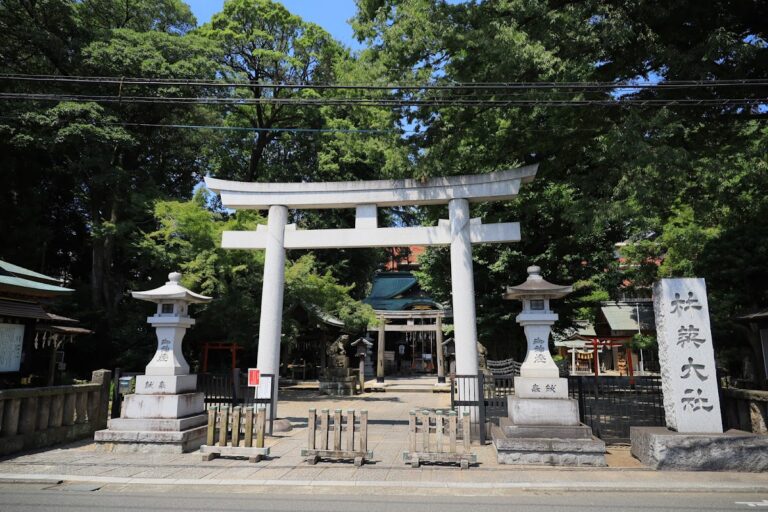
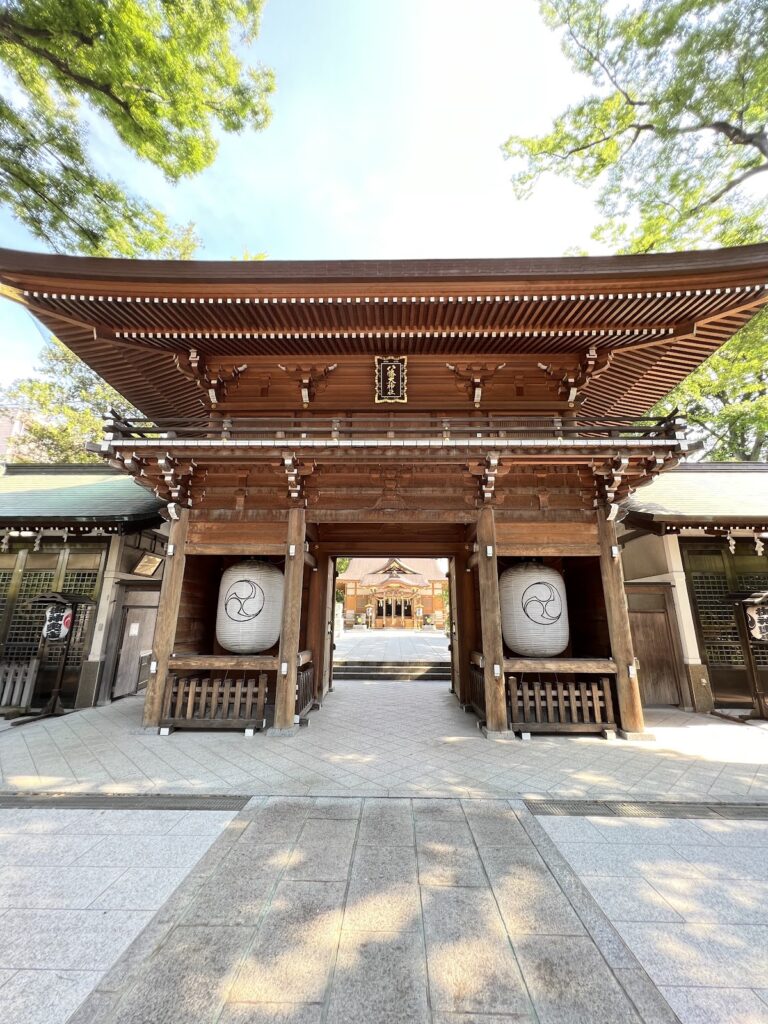
Located at 4-18-23 Shimorenjaku, Mitaka City, Tokyo, the Hachiman Grand Shrine, also known as “Mitaka Hachiman Grand Shrine,” is one of the representative shrines of Mitaka City.
Founded in 1664 (Kanbun 4), the shrine’s origins lie in the Great Fire of Meireki (1657), a historic fire in Edo. This fire, which occurred in 1657, destroyed most of Edo, forcing the residents of Kanda Renjaku-cho to relocate to Musashino in search of a new home. These migrants formed a new settlement and established Hachiman Daijinja Shrine as their guardian deity.
Deities and Divine Virtues
Main Deity: Emperor Ojin
Emperor Ojin was the 15th Emperor of Japan and is deified as Hachiman-shin. He is believed to bestow blessings such as lasting military fortune, success in competitions, career advancement, and protection from misfortune.
Annual Festival and Events
The annual festival is held on September 15th, with a grand festival taking place on the second Saturday and Sunday of September each year. The festival, featuring a portable shrine procession and devotional performances, is a community-wide event that attracts many worshippers.
Access Information
- Location: 4-18-23 Shimorenjaku, Mitaka City, Tokyo
- Nearest Station: Approximately 13-15 minutes on foot from the South Exit of Mitaka Station on the JR Chuo Line
- Bus: Buses are also available from the South Exit of Mitaka Station
- Parking: Parking is available for worshippers on the shrine grounds (limited number of spaces)
Hachiman Daijingu Shrine (Manganji, Hino City, Tokyo)
History and Origin
Hachiman Daijingu Shrine, located in Manganji, Hino City, is a historical shrine founded in 1339 (Ryakuō 2). It was founded by Tamura Dajirō Tomozane, who invited the deity from Otokoyama Hachimangu Shrine (Iwashimizu Hachimangu Shrine) in Kyoto.
As the guardian shrine of the former Shimoda Village, it has been revered by local residents and has functioned as the central shrine of the village. With a long history dating back to the Nanboku-cho period, it is a valuable shrine that conveys the faith of medieval samurai.
Deity Enshrined
The shrine enshrines Emperor Ojin as its principal deity and is revered as a protector of military fortune and the peace of the region.
Connection to the Community
As the tutelary shrine of the Manganji district in Hino City, it is central to local festivals and events. It continues to play an important role as a spiritual pillar of the local community.
Hachiman Daijinja Shrine (Sakamoto, Higashichichibu Village, Chichibu District, Saitama Prefecture)
Location and Environment
Hachiman Daijinja Shrine, located in Sakamoto, Higashichichibu Village, Chichibu District, Saitama Prefecture, is a shrine rich in nature, situated in the mountainous area upstream of the Tsuki River. Also known as Sakamoto Hachiman Daijinja Shrine, it is one of the important shrines that convey the history of the Chichibu region.
Founding and History
It is said that this shrine was established during the Kenkyu era (1190-1199) by Hatakeyama Shigetada. Hatakeyama Shigetada was a samurai in the early Kamakura period and a well-known powerful retainer of Musashi Province. He had deep ties to the Chichibu region, and historical sites related to him remain throughout the area.
Cultural Properties and Highlights
Nestled in a quiet mountainous area, it preserves ancient forms of worship. The atmosphere of the main hall and grounds evokes a sense of history dating back to the Middle Ages.
Hachiman Daijingu Shrine (Harigaya, Fukaya City, Saitama Prefecture)
Hachiman Daijingu Shrine, located in Harigaya, Fukaya City, Saitama Prefecture, is a shrine revered as the local guardian deity. Fukaya City has long been a thriving agricultural area, and Hachiman Daijingu Shrine has played an important role as a place to pray for abundant harvests and the safety of its residents.
Hachiman Daijingu Shrine (Harigaya, Fukaya City, Saitama Prefecture) ### Hachiman Daijingu Shrine (Minano-machi, Chichibu-gun, Saitama Prefecture)
Hachiman Daijingu Shrine, located in Minano-machi, Chichibu-gun, Saitama Prefecture, is one of the centers of Hachiman worship in the Chichibu region. Several Hachiman Daijingu shrines exist in the Chichibu region, each attracting local devotion.
Hishō Hachiman Daijingu Shrine (Matsuyama City, Ehime Prefecture)
Hishō Hachiman Daijingu Shrine, located in Matsuyama City, Ehime Prefecture, is a representative Hachiman Daijingu shrine in the Shikoku region. It is deeply intertwined with the region’s history and culture, and attracts the devotion of Matsuyama citizens.
Characteristics and Beliefs of Hachiman Shrines
Composition of Deities Enshrined
Hachiman shrines generally enshrine the following three deities, often in the form of the “Three Hachiman Gods”:
- Emperor Ōjin (Homudawake no Mikoto): The central deity
- Himegami: Often identified as one of the Munakata Three Goddesses
- Empress Jingū: Mother of Emperor Ōjin
However, some Hachiman Grand Shrines enshrine only Emperor Ōjin, and this varies depending on the history and regional characteristics of each shrine.
Divine Virtues and Faith
Hachiman is believed to possess diverse divine virtues:
- Long-lasting military fortune and victory: Due to his nature as a god of war
- Career advancement and good fortune: Because Emperor Ojin ascended to the throne
- Protection from misfortune and good fortune: Power to ward off disasters
- Family safety: Role as a guardian deity
- Business prosperity: Due to the spread of popular belief
- Academic success: As a god of both academic and martial arts
Architectural Style of Hachiman Shrines
The main hall of a Hachiman shrine sometimes features a unique architectural style called “Hachiman-zukuri.” This style, where two buildings are covered by a single roof, is a traditional style seen at Usa Shrine and Iwashimizu Hachiman Shrine.
However, not all Hachiman shrines use the Hachiman-zukuri style; various architectural styles such as Nagare-zukuri and Kasuga-zukuri are adopted depending on the region and era.
Cultural Properties of Hachiman Grand Shrines
Many Hachiman Grand Shrines throughout Japan preserve cultural properties of high historical value.
Buildings
- Main Shrine: Some main shrines built during the Edo period or medieval period have been designated as cultural properties.
- Worship Hall: Worship halls that retain historical architectural styles.
- Torii Gate: Old stone and wooden torii gates.
Art and Crafts
- Divine Statues: Statues of Emperor Ojin and Hachiman.
- Ema (Votive Tablets): Votive ema from the Edo period or earlier.
- Munefuda (Riding Plates): Ridge plates that record construction and repairs.
- Ancient Documents: Documents that convey the history and origins of the shrine.
Festival Equipment
- Mikoshi (Portable Shrine): Portable shrines used in traditional festivals.
- Ritual Tools: Ritual tools passed down from ancient times.
How to Visit Hachiman Daijinja Shrine
Basic Worship Etiquette
- Passing Through the Torii Gate: Bow before entering the shrine grounds.
- Purify yourself at the water basin: Purify your left hand, then your right hand, then your mouth.
- Proceed to the front of the main hall: Avoid walking in the center of the path.
- Offer your offering: Quietly place your offering in the offering box.
- Two bows, two claps, one bow: This is the basic Shinto way of worship.
- Recite your wish silently: Quietly contemplate your prayer.
About Goshuin (Shrine Seals)
Many Hachiman Grand Shrines offer Goshuin. They can be inscribed in your Goshuincho (seal book) as proof of your visit and as a memento of your shrine pilgrimage.
- Reception Hours: Usually 9:00 AM to 5:00 PM (may vary depending on the shrine)
- Offering Fee: Generally around 300-500 yen
- Notes: It is customary to receive the Goshuin (shrine stamp) after visiting the shrine.
Amulets and Souvenirs
Each Hachiman Grand Shrine offers various amulets and souvenirs:
- Victory Amulet: An amulet for military and competitive luck
- Good Fortune Amulet: An amulet for career advancement and good fortune
- Exorcism Amulet: An amulet for protection against evil
- Traffic Safety Amulet: A prayer for safe driving and cycling
- Academic Success Amulet: An amulet for academic achievement
Annual Events at Hachiman Grand Shrines
Main Festivals
Grand Festival
Many Hachiman Grand Shrines hold their Grand Festival around September 15th. This is said to originate from the birthday of Emperor Ojin and is the most important festival of the year.
- Portable Shrine Procession: The portable shrine parades through the parish area.
- Offering Ceremonies: Offerings of Kagura (sacred dance), lion dance, taiko drumming, etc.
- Stalls: Numerous stalls are set up on the shrine grounds and in the surrounding area.
New Year’s Visit
The shrine is bustling with visitors for the first three days of the New Year. Many visitors come to pray for safety and prosperity in the new year.
Other Events
- Setsubun Festival (around February 3rd): Bean-throwing and prayers for warding off evil
- Shichi-Go-San Festival (around November 15th): Celebrating children’s growth
- Summer Purification Ceremony (June 30th): Purifying sins and impurities accumulated over the past six months
- Year-End Purification Ceremony (December 31st): Purifying sins and impurities accumulated over the past year
Hachiman Faith and Local Communities
Role as a Local Deity
Hachiman Grand Shrine plays an important role as a local deity in each region. A local deity is a god that protects a specific region or clan, and serves as a spiritual anchor for the people (parishioners) living in that region.
- Guardian Deity of the Region: Protecting the safety and prosperity of the entire region
- Center of the Community: Deepening community bonds through festivals
- Inheritance of Traditional Culture: Passing on the history and culture of the region to the next generation
Hachiman Grand Shrine in Modern Times
Even in modern society, Hachiman Grand Shrine remains closely connected to local communities:
- Venue for Local Events: A central location for festivals and local events
- Tourism Resource: Its historical value and cultural significance as a tourist attraction
- Healing Space: A place where one can feel nature and history even in urban areas
- Educational Space: Providing opportunities to learn about local history and traditions
Recommendations for Visiting Hachiman Grand Shrines
How to Enjoy Visiting Shrines
By visiting Hachiman Grand Shrines throughout Japan, you can experience the diversity of Japanese history and regional culture:
- Understanding Historical Differences: Comparing differences in founding dates and origins
- Observing Architectural Styles: Characteristics of architecture by region and era
- Collecting Goshuin (Shrine Seals): Collecting the unique goshuin of each shrine.
- Experiencing Local Culture: Festivals and customs unique to the area.
Recommended Itinerary
Tokyo Area
The Hachiman Daijingu shrines in Mitaka City and Hino City are relatively close to each other, making it possible to visit both in one day. This can be planned as a shrine pilgrimage along the JR Chuo Line.
Saitama Chichibu Area
The Hachiman Daijingu shrines in the Chichibu region are scattered throughout the mountainous areas, allowing visitors to enjoy worship in a rich natural environment. A travel plan combining this with other Chichibu tourist spots is recommended.
Hachiman Daijingu Shrines and Japanese Culture
Connection to Literary Works
Hachiman shrines have long appeared in literary works and have held an important position in Japanese culture. War chronicles such as “The Tale of the Heike” and “Taiheiki” depict numerous scenes of samurai praying to Hachiman.
Hachiman in Art
Hachiman has been a subject of paintings and sculptures. Unique iconography, such as images of Hachiman in monastic form, has developed, occupying an important position in the history of Japanese art.
Fusion with Folk Beliefs
Hachiman worship has merged with local folk beliefs, creating unique forms of worship specific to each region. It is linked to agricultural rituals and annual events, becoming an important element of regional culture.
Preservation and Transmission of Hachiman Grand Shrines
Efforts to Protect Cultural Properties
Hachiman Grand Shrines throughout Japan are working to preserve historical buildings and cultural properties. Restoration and maintenance are carried out with support from the national and local governments.
Transmission to the Next Generation
With the declining birthrate and aging population, maintaining shrines and passing on festivals is a challenge. However, new forms of transmission are being explored, such as encouraging younger generations to participate in festivals and accepting participants from outside the region.
Shrines in the Digital Age
In recent years, information dissemination through websites and social media has become increasingly active. New initiatives adapted to the era, such as online distribution of sacred items and virtual worship, have also begun.
Summary
Hachiman Grand Shrines, as important centers of Hachiman worship spread throughout Japan, have fostered unique histories and cultures in each region. While each Hachiman Grand Shrine—such as the one founded in 1664 in Mitaka City, Tokyo; the one founded in 1862 in Hino City; and the one founded during the Kenkyu era in the Chichibu region of Saitama Prefecture—has different founding dates and histories, they all share the commonality of enshrining Emperor Ojin and being revered as local guardian deities.
The belief in Hachiman as a god of military fortune and success and good fortune has been passed down through generations to the present day, attracting many worshippers. While preserving historical cultural assets, Hachiman Grand Shrines continue to play a central role in local communities, embodying valuable aspects of traditional Japanese culture.
By visiting Hachiman Grand Shrines throughout Japan, you can gain a deeper understanding of Japanese history, the diversity of regional cultures, and forms of faith. We encourage you to actually visit and experience their history and atmosphere firsthand.